Analysis
When Is the Right Time to Follow Up with Publishers?
Navigating the world of publishing can be a daunting task, especially when it comes to the intricacies of manuscript submission and communication with publishers. One of the most commonly asked questions among aspiring authors is about the appropriate waiting period before reaching out to a publisher after submitting a manuscript. This article aims to shine a light on best practices regarding follow-up timing, ensuring you strike the right balance between being proactive and overly eager.
By Hannah millerabout a year ago in BookClub
Publishing at the Crossroads: What Is Next?
There is a visible metamorphosis in the publishing industry evidenced by fast-paced technology evolution, changes in consumer preferences, and evolving economic environment. These changes are compelling the industry’s participants to reconsider existing norms and modify their plans for the future. In attempting to determine the requirements for the future, there are some dominant trends that can be used for assessing where the publishing industry is heading.
By Diane L. Richardsonabout a year ago in BookClub
What I Learned from Brave New World by Aldous Huxley
Reading Aldous Huxley’s Brave New World was a transformative experience that offered profound insights into society, technology, and human nature. Published in 1932, the novel paints a dystopian picture of a world where individuality and free will are suppressed to maintain stability and happiness. Its vivid portrayal of a society ruled by consumerism and control challenged my worldview and inspired me to reflect deeply on the values that shape our own lives. Here are the key lessons I’ve taken away from this timeless work, along with how they resonate with our world today.
By Fred Bradfordabout a year ago in BookClub
THE RAIN DROPS
*"Rain drops" is a topic that can be explored in various dimensions, from scientific explanations to symbolic interpretations in art, literature, and life. Below is an 800-word explanation that delves into the phenomenon of raindrops from multiple perspectives.
By Faisal Rahmanabout a year ago in BookClub
SLEEP DEPRIVATION
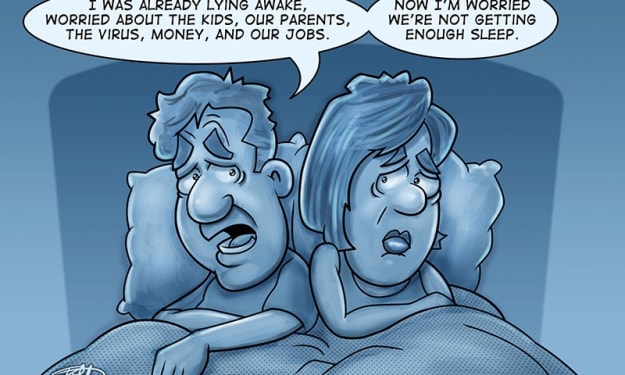
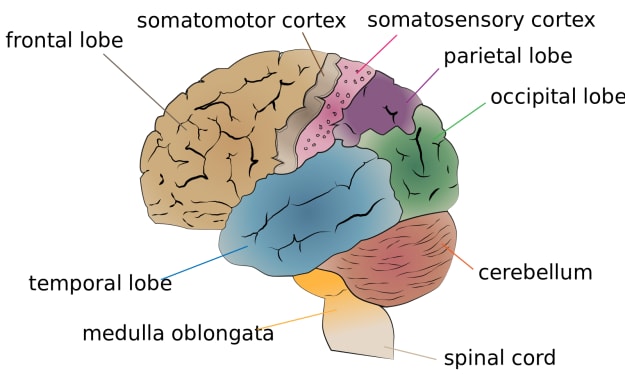
If you've ever been up all night studying for a test or caring for a fussy infant, you'll understand how bad the next day can be. Try doing it for 18 days, 21 hours, and 40 minutes straight. That is the current world record for the longest period of time without sleep. And no one should attempt to break that record. For starters, the Guinness Book of World Records discontinued it as a category in 1997, so you wouldn't even get a cool title for all of your awful efforts. For another, you could die. But you might be astonished to learn how sleep deprivation can kill you. Research indicates that it is not a neurological issue... but an entirely different organ. Sleep is amazing. Who doesn't enjoy an extra snooze? However, sleep is not only enjoyable; it is also healthy to our bodies. While we sleep, our brain does a variety of things. Some we are aware of, such as dreaming. But there is a lot going on behind the scenes. Sleep creates new brain connections, allowing us to learn and keep our important memories. It can also assist our brains in healing after an accident! Plus, our brains have a third shift cleanup team called the glymphatic system, which removes the molecular trash produced by our central nervous system during the day.
By SHELLECIYA MADANA ASHTONabout a year ago in BookClub
HOW SLEEP DEPRIVATION AFFECTS THE BRAIN
How Sleep Deprivation is Affecting The BRAIN It's common to struggle to get a full night's sleep in our modern, fast-paced society. Although you may believe that a simple cup of coffee or an occasional energy drink will help you feel better, researchers are now discovering that sleep deprivation can have far more serious consequences on your body than you might think. You know that horrible feeling you get when you're sleep deprived? Your brain feels fuzzy, your body aches from fatigue, and you could literally fall asleep anywhere. So why do we sleep? Almost all living things on the planet sleep, which is essential to our survival.
By SHELLECIYA MADANA ASHTONabout a year ago in BookClub
WHAT REALLY HAPPENED?. AI-Generated.
JAPAN STRANGEST UNSOLVED MYSTERY A tense and dramatic search operation following a violent storm in a mountainous region. A search helicopter is dispatched to find two missing hikers from Tokyo who were last seen the day before. Despite hours of searching in dwindling daylight and poor conditions, no trace of the hikers is found. As night falls, the searchers spot a large, makeshift SOS sign in a clearing near Mount Asahi-dake, a vital clue suggesting that the hikers are still alive. The search team renews their efforts with hope, eventually locating the hikers after an extended search.
By JOHN PERRYCOLEabout a year ago in BookClub
HEALTH BENEFITS OF A MORNING WALK
*Medical advantages of a Morning Walk A morning walk is a basic yet strong method for working on in general wellbeing and prosperity. Whether you're strolling through a recreation area, around your area, or on a treadmill, integrating this propensity into your day to day schedule can yield critical physical, mental, and profound advantages. Here is a top to bottom glance at the medical advantages of a morning walk.
By Faisal Rahmanabout a year ago in BookClub
Grim Revelations: The Diary of a Fallen North Korean Soldier in Ukraine
Amidst the chaos of the Ukraine-Russia conflict, a chilling artifact has emerged from the battlefield—a diary belonging to a deceased North Korean soldier. Unearthed on December 21 by Ukraine’s special-operations forces, this personal account offers an unsettling glimpse into the brutal tactics, unwavering loyalty, and human cost endured by these foreign combatants.
By mureed hussainabout a year ago in BookClub