
HOW SLEEP DEPRIVATION AFFECTS THE BRAIN
SLEEP DEPRIVATION AND THE BRAIN
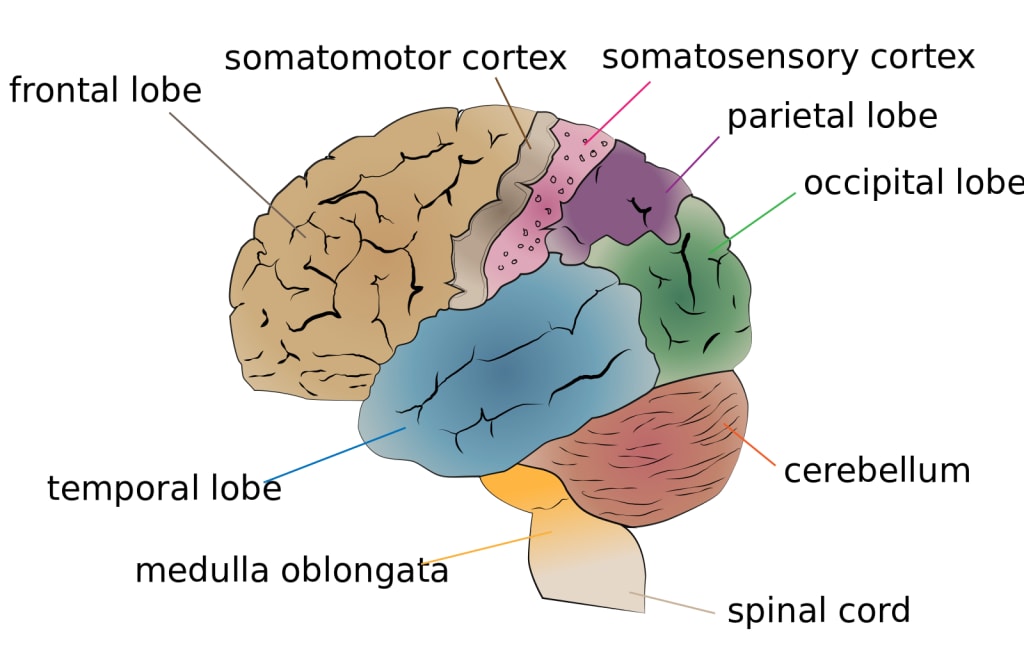
How Sleep Deprivation is Affecting The BRAIN
It's common to struggle to get a full night's sleep in our modern, fast-paced society. Although you may believe that a simple cup of coffee or an occasional energy drink will help you feel better, researchers are now discovering that sleep deprivation can have far more serious consequences on your body than you might think. You know that horrible feeling you get when you're sleep deprived? Your brain feels fuzzy, your body aches from fatigue, and you could literally fall asleep anywhere. So why do we sleep? Almost all living things on the planet sleep, which is essential to our survival.
While it may appear that sleep is simply a time for our bodies to shut down, the reality couldn't be more different. There are two main ways in which we benefit from sleep: our physical health and our mental health. While we sleep, our bodies take the time to repair and rejuvenate themselves. Human growth hormone is released, which allows muscles to grow and damage to tissues to be replaced. Other hormones are produced, and cells prepare themselves for the following days.
The brain uses this time to sift through all of the information it has collected throughout the day and process it to decide what's important and needs to be retained and what's irrelevant. In addition, the brain performs physical repairs on itself. The neurons in the brain are refreshed and restored by two different types of glial cells, often thought of as the support structure of the nervous system. Microglia cells are responsible for removing neurons that have gotten old and worn out by a process known as phagocytosis, which means devour in Greek. The second type of glial cells, the astrocytes, changed the synapses that connected neurons to ensure that their structure is as efficient as possible.
So what if we don't get enough sleep? A study conducted in Italy looked at mammalian brains while sleeping. While they were sleep deprived and found stark similarities between what was going on, they noticed that in sleep-deprived brains, the glial cells were still functioning but in an elevated and seemingly uncontrolled way. Their experiments involved four test groups of mice.The first group would act as the control and be allowed to sleep normally; the second group would be awake.
The researchers did not look at the activity of the astrocyte cells. They saw activity in 5.7% of the synapses of the well-rested brains and 7.3% of the synapses in the spontaneously awake brains, but it was the sleep-deprived brains that surprised researchers the most. In these cells, the astrocytes had taken on a new role and started to behave like microglial cells, actually devouring the synapses instead of rewiring them.
It was observed in 13.5% of them. The researchers also noted that the synapses that tend to be involved were the largest and the oldest ones, which isn't necessarily a bad thing in the short term this process could help clean out harmful debris and remove worn-out connections, allowing the new ones to thrive, but in the long term this is a problem because uncontrolled microbial activity has been linked to Alzheimer's and other degenerative brain conditions, which could explain why a lack of sleep Aside from this, there are a variety of other health difficulties that may develop. If you do not get enough sleep, you may begin to have memory problems. Sore muscles, headaches, and irritability. You have an elevated risk of diabetes and depression.
In conclusion, even though it's something that we all do and, quite frankly, can't live without, there's still a lot about sleep that we don't fully understand. However, getting more sleep over time can help to reverse the effects of safeguarding the brain from a few restless nights. Studies are constantly showing that sleep disorders are linked to many other conditions, and this reinforces how important it is for us to sleep well in this day and age, as it may be more important than ever to do so, but we really do need to try; otherwise, there could be serious consequences for our health later down the road. Thank you all so much for watching this video, and if you enjoy it, make sure to give us a like or a comment down below. See you next time.
About the Creator
Keep reading
More stories from SHELLECIYA MADANA ASHTON and writers in BookClub and other communities.
My New Book is Finally Here
My poetry collection Beautiful and Brutal Things is done. It's actually done and finally published over 270 pages. Over a year of my life went into this book. More than a year, really. Long days at my computer, sometimes seven days a week because I couldn't stop even when I probably should have. Then two months of editing that felt harder than the writing itself. But it's finished, and I'm still standing, and the book is real.
By Tim Carmichael9 days ago in BookClub
8 Books For Men You Need To Read In 2026
In a world overflowing with content, finding books that truly resonate with men’s personal growth, mindset, and life journey can feel overwhelming. Reading isn’t just a pastime; it’s a tool for self-discovery, leadership, and building resilience. The right books can challenge your thinking, inspire action, and provide practical strategies for success in career, relationships, and personal development. Below is a list of 8 books for men you need to read in 2026.
By Diana Meresc3 days ago in BookClub



Comments
There are no comments for this story
Be the first to respond and start the conversation.