
Publishing at the Crossroads: What Is Next?
Navigating Change in a Digital Era

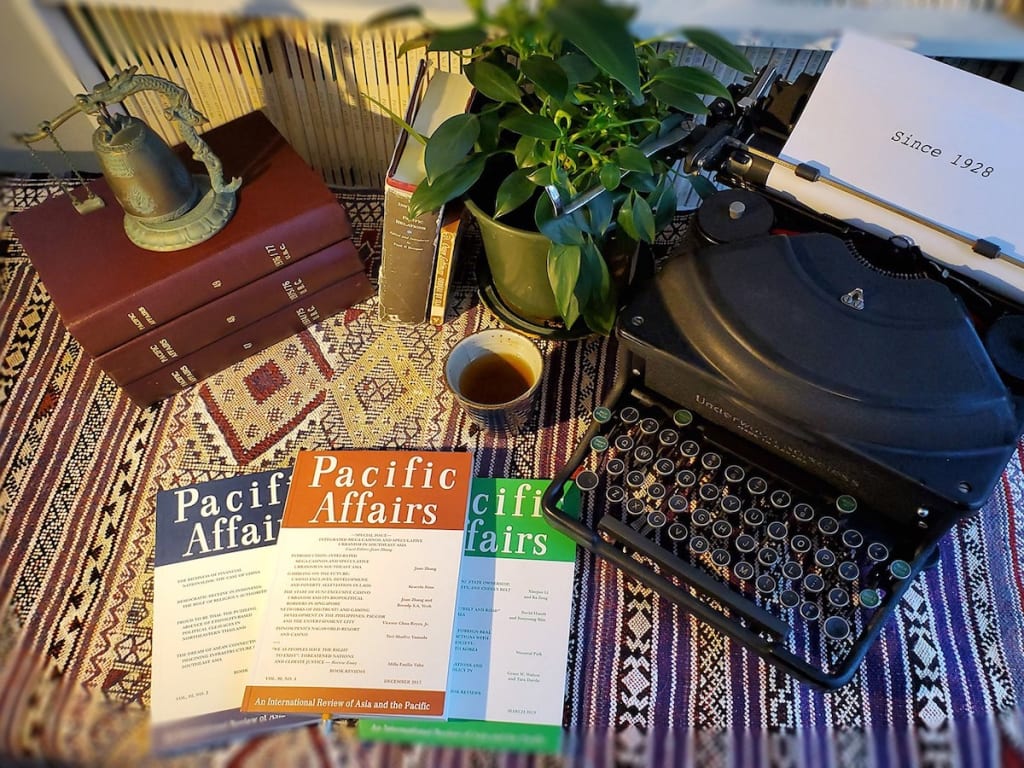
There is a visible metamorphosis in the publishing industry evidenced by fast-paced technology evolution, changes in consumer preferences, and evolving economic environment. These changes are compelling the industry’s participants to reconsider existing norms and modify their plans for the future. In attempting to determine the requirements for the future, there are some dominant trends that can be used for assessing where the publishing industry is heading.
New Age of Evolution
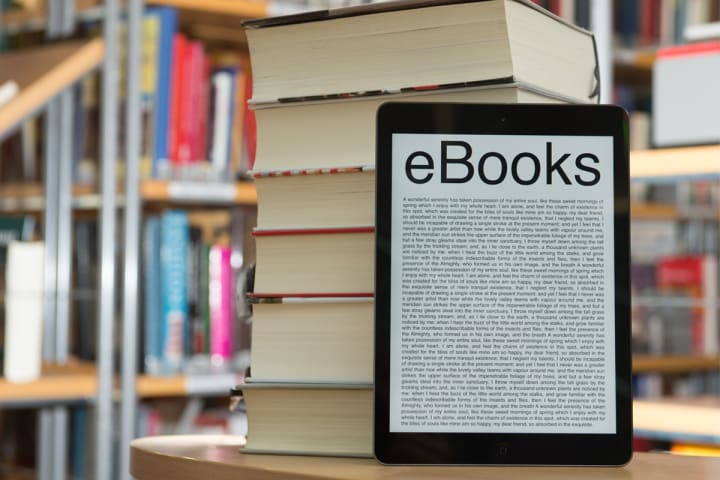
With the rapid evolution of technology, the bibliomania of offline readers has shifted towards storytelling. In numerous countries, e-books, audiobooks, and, more recently, online articles are gaining considerable traction and surpassing the physical edition of books. There is a surge of reading applications and platforms, making books more widespread. E-books have grown to account for a sizable portion of the entire book market in the prior years, and audiobooks have also witnessed tremendous growth. Publishers of the future will have to embrace innovation such as digital formats to appeal to the larger market with a specific focus on the current generation that embraces interactive and multimedia elements.
Emphasis on Diversity and Inclusion
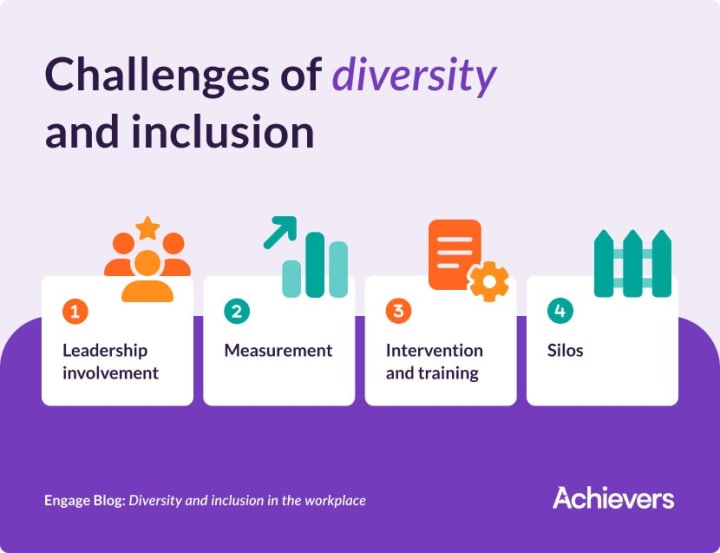
The ongoing debate on the lack of diversity among publishers has reached a broader audience. People are seeking a wider and more diverse range of stories, and this is being noticed by publishing houses. A wider range of authors—outside of traditional circles—are now being welcomed to tell their story. There are hopes that strategies will ensure that diverse narratives not only survive, but thrive, which would help to make the literary scene more vibrant than it already is and subsequently appeal to a larger audience.
The Influence of AI Technology
AI has very promising prospects to revolutionize the industry of publishing. Artificial intelligence aids in automating many responsibilities beginning with the management functions and ending with text creation, content marketing, and even providing tools to inspire ideas. For instance, Writer and reader engagement can benefit greatly from AI. It’s easy to develop a better understanding of reader behavior and preferences across regions and demographics, thus using AI algorithms help identify current hot topics and tell the publishers which content to produce. As this technology matures, the effects of AI on writing, editing, production, and curated reading will be remarkable.
Sustainability Challenges
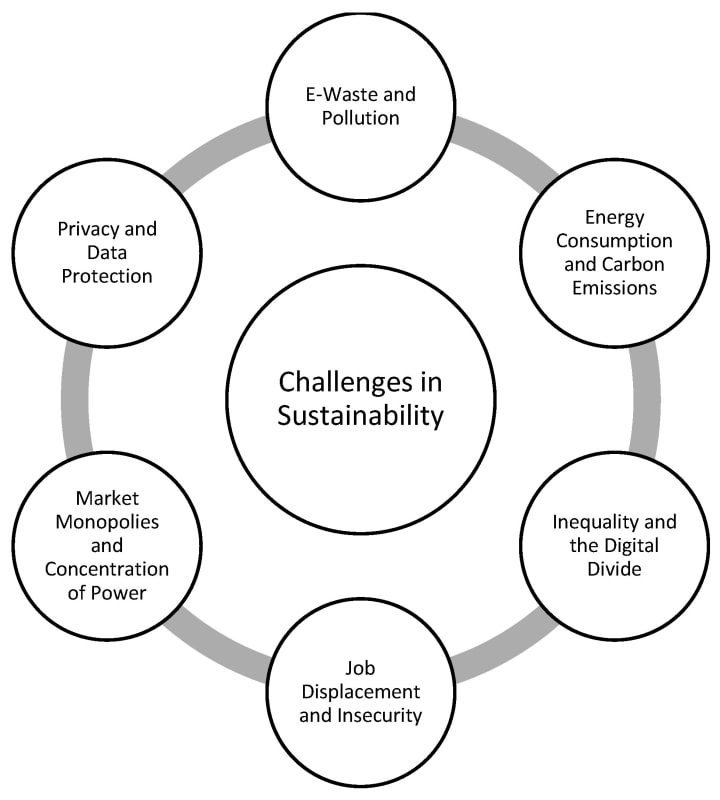
As awareness about the environment rises, the need for environmentally responsible publishing practices intensifies. This change is more than just the use of recyclable materials but also concerns ways above the line to reduce wastage. Opportunities such as print-on-demand, digital publishing and supply chain enhancement are likely to change the sustainable practices in the sector. Consumers are now more aware of their choices and the carbon cost that is involved and so publishers that adopt eco-friendly practices will have a competitive edge.
The Effect of Social Media and Crowdfunding
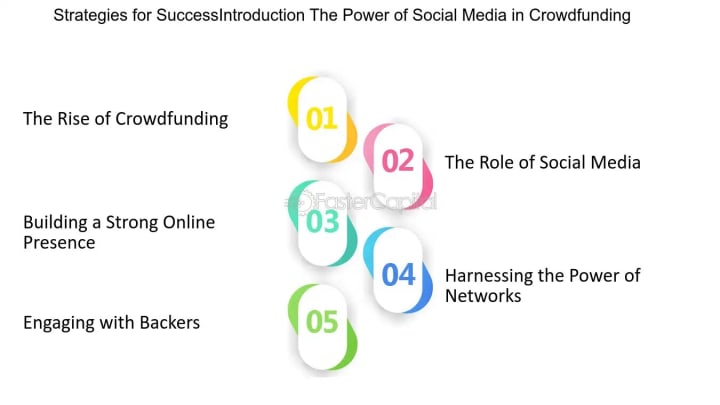
The manner in which stories are accessible to audiences has altered with the rise of social media. Authors are able to reach out to an audience, foster relationships and market their books rather than completely depending upon other avenues. Similarly, during the pre-publishing stage, authors can measure the potential market for their books on crowdfunding sites, allowing them to gather funding for their projects. This new paradigm in publishing enables the expression of previously untold, niche stories, thereby revolutionizing the existing order of literary works.
Conclusion
It is evident that the publishing industry will be transformed but it is hard to say in what direction. As the technological paradigm shifts, the traditional publishers of the future will adapt to a multifaceted approach: globalized marketing, growing diversity requirements, and sustainable development. Moreover, those who use technology prudently alongside promoting diversity will do well in such an ecosystem. In the final analysis, the development of the publishing industry will depend on the response of industry stakeholders to the increasingly accelerated pace of readers’ life and to their expectations.
About the Creator
Diane L. Richardson
Author
Keep reading
More stories from Diane L. Richardson and writers in BookClub and other communities.
What Does an Artist's Publisher Do?
The synergy between an artist and a publisher is critical to the smooth functioning of the intricacies in the arts industry. Many people think of publishing in terms of its role in supporting writers only. But an artist's publisher is no less important. This article exists to re-examine the various roles an artist’s publisher undertakes; what are their duties, the skillset they possess and the impact of their activities on an artist’s career.
By Diane L. Richardsonabout a year ago in BookClub
My New Book is Finally Here
My poetry collection Beautiful and Brutal Things is done. It's actually done and finally published over 270 pages. Over a year of my life went into this book. More than a year, really. Long days at my computer, sometimes seven days a week because I couldn't stop even when I probably should have. Then two months of editing that felt harder than the writing itself. But it's finished, and I'm still standing, and the book is real.
By Tim Carmichaela day ago in BookClub
Rachel Reviews: Paradise Cove - They Escaped the Cuckoo's Nest by Pini Dunner
On starting Pini Dunner's book, I was grateful for the thorough history that is provided at the start. This gives a much-needed context in order to enjoy the subsequent letters contained therein. The letters belong to George Nagel, an octagenarian pursuing a psychology degree which in itself would be remarkable; however, it is soon clear that this is just one remarkable thing in a life full of them.
By Rachel Deemingabout 17 hours ago in BookClub



Comments
There are no comments for this story
Be the first to respond and start the conversation.