
What I Learned from Brave New World by Aldous Huxley
What I Learned from Brave New World by Aldous Huxley

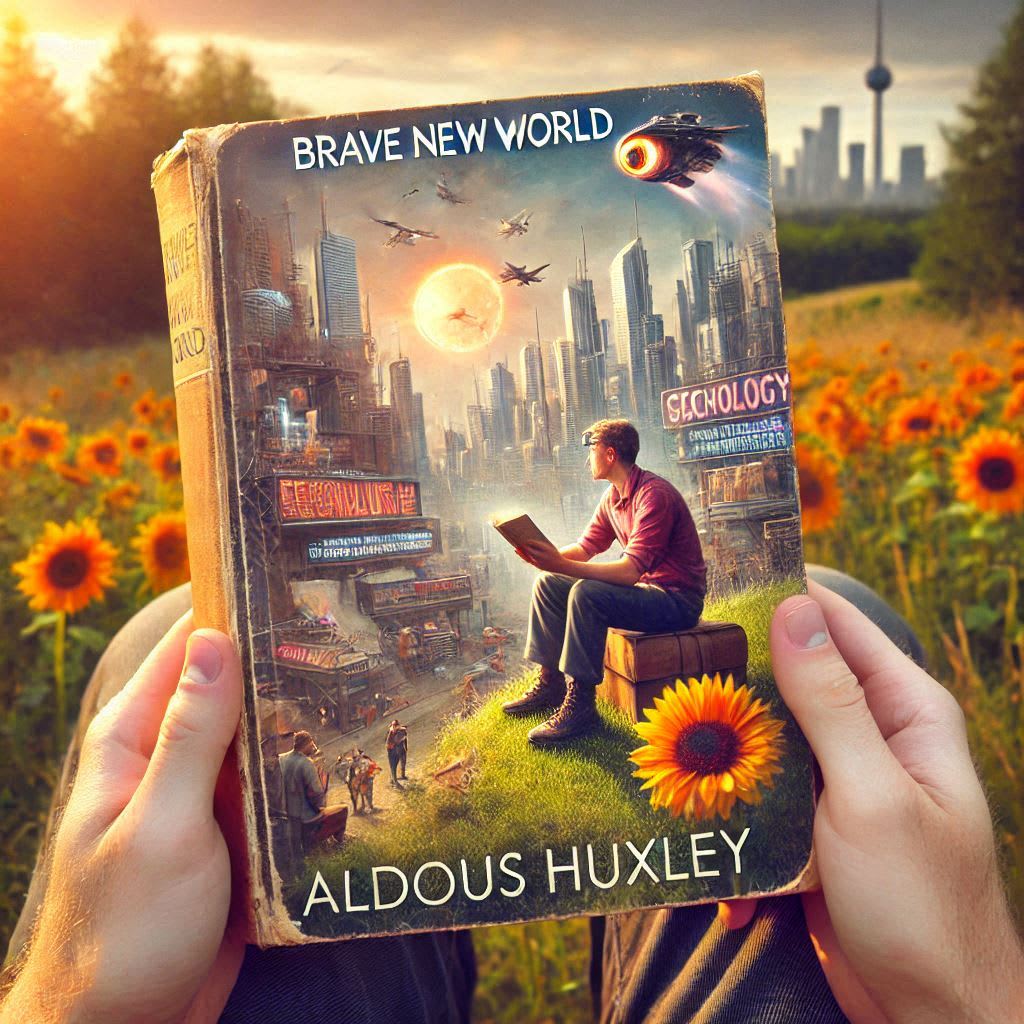
Reading Aldous Huxley’s Brave New World was a transformative experience that offered profound insights into society, technology, and human nature. Published in 1932, the novel paints a dystopian picture of a world where individuality and free will are suppressed to maintain stability and happiness. Its vivid portrayal of a society ruled by consumerism and control challenged my worldview and inspired me to reflect deeply on the values that shape our own lives. Here are the key lessons I’ve taken away from this timeless work, along with how they resonate with our world today.
The Cost of Comfort and Stability
One of the most striking lessons from Brave New World is the realization that comfort and stability can come at a great cost. The World State eliminates pain, uncertainty, and unhappiness through genetic engineering, psychological conditioning, and the drug soma. While this ensures a harmonious society, it sacrifices individual freedom, creativity, and genuine emotions.
This made me question whether a world devoid of suffering is truly utopian or simply hollow. In the World State, discomfort and hardship are erased, but so too are love, passion, and the deep fulfillment that comes from overcoming challenges. The novel taught me that true humanity lies in embracing the full spectrum of experiences, even the difficult and painful ones. It is through these struggles that we find growth, meaning, and a sense of purpose.
The Danger of Losing Individuality
Huxley’s depiction of a society that eradicates individuality struck a deep chord with me. The caste system and conditioning methods ensure that every person fulfills their preordained role without question. Individual thoughts, aspirations, and unique talents are sacrificed for the sake of societal stability.
This aspect of the novel made me reflect on how societal pressures and consumer culture in our own world often push us toward conformity. Whether it’s through social media trends, advertising, or the pursuit of “fitting in,” we’re constantly nudged to align with the expectations of others. The novel serves as a stark reminder to value and protect our unique identities and to resist the forces that seek to homogenize us. Individuality, after all, is what drives innovation, creativity, and progress.
The Dehumanizing Power of Technology
The advanced technology in Brave New World is used not to liberate but to control. Genetic engineering ensures a rigid caste system, hypnopaedia (sleep-conditioning) programs people to accept their roles without question, and soma dulls any remaining discontent. The World State uses these tools to suppress individuality, critical thought, and genuine connection.
This depiction made me think about the role of technology in our lives today. While technological advancements bring undeniable benefits—connecting people, improving health, and making life more convenient—the novel warns against blindly embracing them without considering their ethical implications. Are algorithms subtly shaping our decisions? Are we relying too heavily on technology to avoid discomfort? Huxley’s work challenges us to critically examine how technology might be eroding our autonomy and humanity.
The Illusion of Happiness
One of the most poignant lessons I learned from Brave New World is the difference between superficial happiness and true fulfillment. The citizens of the World State live in a constant state of artificial happiness, thanks to soma and shallow pleasures. They are shielded from suffering, but their lives lack depth, meaning, and authenticity.
This forced me to think about how often modern society equates happiness with material comfort or fleeting pleasures. Social media’s curated images of perfect lives, the endless pursuit of consumer goods, and the cultural emphasis on avoiding discomfort all mirror the World State’s values. Yet, the novel emphasizes that true happiness cannot be manufactured or consumed. It comes from meaningful relationships, self-expression, and grappling with life’s challenges. It reminded me to seek authenticity over instant gratification and to embrace life’s imperfections as part of what makes it beautiful.
The Importance of Questioning Authority
The character of John "The Savage" deeply resonated with me for his refusal to accept the values of the World State. His insistence on experiencing life’s highs and lows—love, grief, passion, and despair—challenged me to think critically about societal norms and authority. John’s struggles highlighted the importance of questioning systems that prioritize control and conformity over freedom and individuality.
This lesson feels especially relevant today, as we navigate complex social and political landscapes. Whether it’s questioning governments, corporations, or cultural norms, the ability to think critically and challenge authority is vital for personal growth and societal progress. John’s journey reminded me that true freedom requires courage—the courage to think independently, speak out, and resist complacency.
Relevance to Today’s World
As I read Brave New World, I couldn’t help but draw parallels to the world we live in today. Huxley’s warnings about consumerism, the pursuit of pleasure, and technological overreach feel more prescient than ever. In a society increasingly driven by algorithms, instant gratification, and the pressure to conform, the novel serves as a cautionary tale.
Consider the rise of mood-altering medications, the constant bombardment of advertisements, and the way social media shapes our desires and perceptions. These elements echo the World State’s tools for control, reminding us to remain vigilant about the ways modern society may prioritize convenience and control over authenticity and freedom. Brave New World challenges us to think critically about the balance between comfort and individuality, progress and ethics, and technology and humanity.
Conclusion
Brave New World taught me to appreciate the complexities of human experience and the value of individuality, freedom, and authentic connection. Huxley’s vision challenges us to reflect on the direction of our own society and the potential consequences of prioritizing comfort and stability over all else. It is a profound exploration of what it means to be human, and its lessons will stay with me for a lifetime. More than a novel, it is a call to action—to question, to resist conformity, and to embrace the messy, beautiful realities of life.
About the Creator
Fred Bradford
Philosophy, for me, is not just an intellectual pursuit but a way to continuously grow, question, and connect with others on a deeper level. By reflecting on ideas we challenge how we see the world and our place in it.
Keep reading
More stories from Fred Bradford and writers in BookClub and other communities.
What I Have Learned from 1984 by George Orwell
George Orwell’s 1984 is not just a novel—it’s a chilling prophecy, a political manifesto, and a philosophical reflection on human nature. Its insights into power, control, and freedom have made it one of the most influential works of the 20th century. Here’s a deeper dive into the key lessons from the book:
By Fred Bradfordabout a year ago in BookClub
My New Book is Finally Here
My poetry collection Beautiful and Brutal Things is done. It's actually done and finally published over 270 pages. Over a year of my life went into this book. More than a year, really. Long days at my computer, sometimes seven days a week because I couldn't stop even when I probably should have. Then two months of editing that felt harder than the writing itself. But it's finished, and I'm still standing, and the book is real.
By Tim Carmichaela day ago in BookClub
7 Books About Psychology That Are Impossible To Put Down
Psychology is not just an academic discipline—it’s a mirror held up to our inner world. It explains why we think the way we do, why we fall in love, why we sabotage ourselves, and why some habits cling to us like gravity. The best psychology books don’t feel like textbooks; they feel like conversations that change how we see ourselves and others.
By Diana Meresca day ago in BookClub



Comments
There are no comments for this story
Be the first to respond and start the conversation.