Siddhattha Gotama
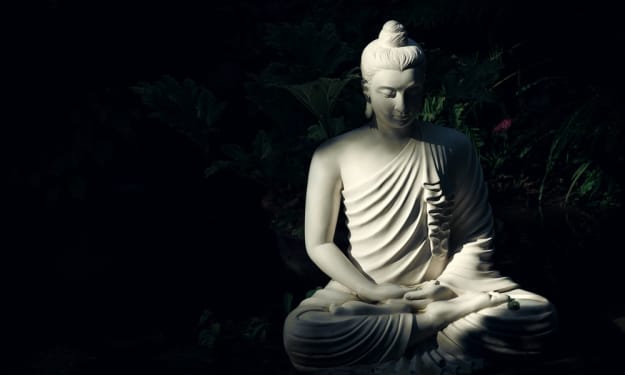
The term “Historical Buddha” (Sakyamuni Buddha) refers to the Buddha Siddhattha Gotama, the founder of Buddhism, who was born in North India some 2,500 years ago (around 600 BC) and whose authentic teaching has lived on to this day, mainly through Theravada Buddhism. The exact place of his birth is considered to be the Lumbini Garden, which is located today right on the southern border of Nepal. Gotama’s father was Suddhodana, a local king or lord (rāja) of the Sakya tribe, which had its own autonomous state within the Kingdom of Kosala, and Siddharttha Gotama was considered a prince of Sakya. When Gotama was born, a wise ascetic of high intellectual achievements named Asita predicted that he would eventually become a Buddha. On the fifth day after the birth of prince Gotama, he was named Siddhattha, meaning “the one whose purpose has been attained”. His family name was Gotama.