MD.A.R Neaz
Bio
Welcome to my Channel . Friends and viewers where we explore the intersection of creativity, culture, and innovation! My channel is dedicated to sharing thought-provoking articles, inspiring stories, and insightful commentary .
Stories (17)
Filter by community
Putin announces 'Easter truce' in Russia-Ukraine war, to last till Sunday
In the context of the ongoing conflict, the power dynamics between Russia and Ukraine are intricate and multifaceted, influenced by historical, political, and military factors. Russia's desire to reassert its influence over Ukraine, a former Soviet republic, and Ukraine's struggle for sovereignty and independence are at the heart of this conflict. Ukraine has historically been at the center of a conflict between Russia and the West. After the Soviet Union broke up in 1991, Ukraine wanted to find its identity and get closer to Western institutions like NATO and the European Union. Russia, which views Ukraine as a part of its sphere of influence, resisted this shift. As Russia sought to reclaim territory it considers essential to its national security and historical narrative, the 2014 annexation of Crimea marked a significant escalation in this power struggle. With a larger and more technologically advanced military, Russia has a significant military advantage over Ukraine. This includes a well-equipped ground force, sophisticated air defense systems, and a substantial nuclear weapons arsenal. In contrast, Ukraine's military has historically been underfunded and underequipped, despite significant progress in modernization since the conflict began. Utilizing asymmetric warfare strategies and gaining support from Western allies, the Ukrainian military has demonstrated remarkable resilience and adaptability. The international response to the conflict has also had a significant impact on the dynamics of power. The United States of America and the European Union, in particular, have supported Ukraine diplomatically, financially, and in terms of its military. As a result of this assistance, Ukraine's defense capabilities have improved and Russia's military might has been lessened. Russia's economy has been further strained as a result of sanctions, but their long-term efficacy is still up for debate. The power dynamics in both countries are also influenced by public sentiment. In the face of aggression, there is a strong sense of nationalism and unity in Ukraine, which has strengthened support for the government and its military efforts. In contrast, state-controlled media in Russia has constructed a narrative that bolsters the government's actions by framing the conflict as a necessary defense of national interests. However, there is dissent and opposition to the war, indicating a more complicated domestic environment. The conflict has repercussions for geopolitics far beyond the immediate area. The war has sparked debate regarding NATO's future, energy dependence, and European security. Europe's defense strategies have been rethought as a result of Russia's actions, resulting in increased military spending and a renewed commitment to collective security. The conflict has strengthened Ukraine's desire for closer ties with the West, despite the difficulty of gaining NATO membership. In conclusion, Russia and Ukraine's power dynamics are characterized by a significant military imbalance, historical grievances, and international actors' influence. Ukraine's resilience and the support of Western allies have created a complex and changing landscape as Russia attempts to reassert its dominance. The conflict's outcome will have long-lasting effects on international order and regional stability. Military capabilities, historical context, and international relations all influence the power dynamics between Russia and Ukraine in the ongoing conflict. **Context of History** - "Soviet Legacy": Ukraine was a member of the Soviet Union until 1991, when it broke up. Russia views Ukraine as an essential component of its sphere of influence, which has resulted in a complicated relationship due to the historical ties. - **Post-Soviet Independence**: Ukraine sought to align itself with Western institutions after gaining independence, but Russia resisted. Russia's attempt to reclaim territory it considers vital marked a significant turning point with the 2014 annexation of Crimea. **Capabilities in the military** - "Russia's Military Strength": Russia has a larger military that is more technologically advanced. It has a large nuclear arsenal, sophisticated air defense systems, and a well-equipped ground force. Russia has a significant advantage in conventional warfare thanks to its military might. - "Ukraine's Resilience": Ukraine has shown remarkable resilience despite being outmatched in size and technology. Since 2014, the Ukrainian military has undergone significant modernization, employing asymmetric warfare strategies and making use of its terrain expertise. - **Western Support**: Western nations, particularly the United States and the European Union, have provided substantial military assistance to Ukraine. Ukraine's defense capabilities have been strengthened as a result of this assistance, which has included advanced weapons, training, and the sharing of intelligence. **Relations with other countries** - "Western Sanctions on Russia": As a response to Russia's aggression, the West has imposed severe economic sanctions on Russia with the goal of crippling the economy. Significant economic strain has resulted as a result of these sanctions, which have targeted crucial industries like finance, energy, and military supplies. - **Geopolitical Implications**: Europe's security strategies have been rethought as a result of the conflict. The member states of NATO have shown renewed interest in and commitment to improving collective defense measures, and countries like Finland and Sweden have indicated their intention to join the alliance. National Identity and Public Sentiment - **Ukrainian Unity**: The conflict has helped Ukrainians develop a strong sense of national identity. The perception that Russia poses an existential threat has increased public support for the government and military efforts. - **Russian Narrative**: The conflict has been framed in Russia by state-controlled media as a necessary defense of national interests. Dissent exists, indicating a more complicated domestic landscape, despite widespread support for the government's actions. Future Perspectives - **Pathway to NATO Membership**: The ongoing conflict has complicated Ukraine's efforts to join NATO. Despite growing Western support, the path to full membership remains uncertain, particularly in light of Russia's geopolitical tensions. - **Long-term Stability**: The conflict's outcome will have long-term effects on international order and regional stability. For long-term peace, a resolution that addresses Russia's security concerns while respecting Ukraine's sovereignty is necessary. In conclusion, a significant military imbalance, historical grievances, and the influence of international actors characterize the power dynamics between Russia and Ukraine. Ukraine's resilience and the support of Western allies have created a complex and changing landscape as Russia attempts to reassert its dominance. Both nations' fates and Europe's security architecture will be shaped by this conflict's future. ** The headline** In the midst of the ongoing conflict with Ukraine, Russian President Vladimir Putin unilaterally declared an "Easter truce" on April 19, 2025, that would last from Saturday evening until Sunday midnight. The Kremlin encouraged Ukraine to reciprocate by framing the ceasefire as a humanitarian act. However, officials in Ukraine, including President Volodymyr Zelenskyy, criticized the move for being dishonest and cited the ongoing attacks by Russia even after the announcement. Western leaders also expressed skepticism, posing questions about Russia's motives and urging a genuine and long-lasting peace effort. The two nations recently exchanged prisoners, which led to the ceasefire, but there are still few prospects for a wider de-escalation.
By MD.A.R Neaz11 months ago in Humans
Is Nuclear Power Race has been started?
**The New Nuclear Power Race: A 21st Century Energy and Geopolitical Shift** The global nuclear power race is reviving in the face of the climate crisis, energy insecurity, and growing geopolitical competition. However, in contrast to the arms race during the Cold War, this contemporary race focuses on civilian nuclear energy, an effort to dominate the future of clean, dependable power. The repercussions are global and the stakes are high. **Background and Motivation** Nuclear power is gaining momentum again despite concerns about safety, waste, and high costs. Climate change has forced countries to reconsider their energy strategies. Unlike fossil fuels, nuclear power emits no greenhouse gases during operation and offers a stable, long-term solution to meet rising global energy demands. The 2022 energy shock, caused in part by the war in Ukraine and disrupted fuel supply chains, exposed the fragility of global energy systems and sparked renewed interest in energy independence and diversification. Key Participants in the Race Several countries are leading the charge in this nuclear revival: With over 20 reactors under construction and ambitious plans for dozens more,
By MD.A.R Neaz11 months ago in Futurism
Do you know who created the Olympic Games and how? Why are the Olympic Games so popular?
The Olympic Games, a celebration of athletic prowess and international unity, have a rich history that spans thousands of years. The efforts of Baron Pierre de Coubertin, a French educator and historian, who is credited with reviving the ancient tradition in the late 19th century, can be traced back to the beginnings of the modern Olympic Games. His vision was to promote physical education and foster international goodwill through sports, leading to the establishment of the International Olympic Committee (IOC) and the first modern Olympic Games in Athens in 1896.
By MD.A.R Neaz11 months ago in History
How many more Muslim brothers and sisters will die in Gaza?
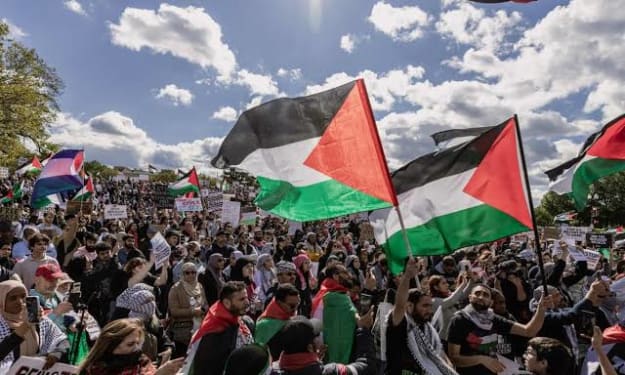
The ongoing conflict in Gaza has caused a great deal of suffering and death, and the situation there has reached a critical point. As of April 2025, the humanitarian crisis has escalated dramatically, with reports indicating that over 50,000 Palestinians have been killed since the outbreak of hostilities in October 2023. This staggering number exemplifies not only the immediate consequences of military actions but also the broader repercussions for the general populace, particularly the Muslim community, which has been adversely affected in an disproportionate manner. The humanitarian conditions in Gaza are dire. The region has been subjected to relentless airstrikes, ground incursions, and blockades that have severely restricted access to essential services. Hospitals are overwhelmed, unable to accommodate the influx of casualties and suffering from a lack of medical personnel and supplies. According to a report from the Ministry of Health in Gaza, the healthcare system is in danger of failing, with many facilities unable to provide even the most fundamental care. As a result, the number of diseases that could have been avoided has increased, as have the mortality rates among vulnerable populations like children and the elderly. Food insecurity is another critical issue. The blockade has severely restricted food and other essential goods' imports, which has resulted in skyrocketing prices and widespread hunger. Many families are unable to afford basic necessities, and malnutrition rates are rising alarmingly. Humanitarian assistance is required immediately to alleviate the suffering of the population, according to a warning issued by the United Nations that millions are at risk of starvation. However, access to aid is often hampered by ongoing hostilities and bureaucratic obstacles, leaving many in desperate need without assistance.
By MD.A.R Neaz11 months ago in Humans
Who was the second caliph of the Muslim superpower in the 7th century?
**Hazrat Umar ibn al-Khattab (RA): Life Style and War Style** Hazrat Umar ibn al-Khattab (RA), the second caliph of Islam, is one of the most revered figures in Islamic history. His life and leadership style exemplified the principles of justice, humility, and strategic acumen. Umar's contributions to the early Islamic state were pivotal, and his approach to governance and warfare set a standard for future leaders.
By MD.A.R Neaz11 months ago in History
What is the value of Palestine in Present and Future?
The value of Palestine today is shaped by ongoing economic challenges and political stagnation, with significant impacts from occupation and conflict. Looking ahead, demographic trends and international recognition offer the potential for growth, but only if peace and stability are achieved. Situation Economic Right Now Exports Decline: Palestine's exports have decreased significantly, from $1.16 billion in 2018 to $189 million in 2023, indicating a serious economic impact of restrictions. The economy, particularly that of Gaza, has been severely impacted by restrictions on movement, military operations, and closures, resulting in a significant loss of income. Trends in the Population Population Growth: The Palestinian population is projected to grow at a net natural increase of 2.5 to 2.7% per annum, suggesting a rising demographic presence by 2030. Chances for the Future Potential for Growth: Palestine's economic growth and development have the potential to raise its value on the global stage if peace and stability are achieved. International Recognition: Increased international support and recognition could play a crucial role in shaping Palestine's future, impacting its political and economic landscape.
By MD.A.R Neaz11 months ago in History
**Operation True Promise II: A New Chapter in Regional Dynamics**
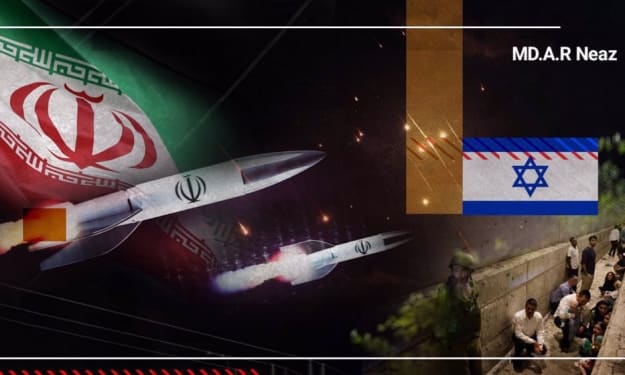
**Operation True Promise II: A New Chapter in Regional Dynamics** Operation True Promise II represents a significant escalation in the ongoing conflict between Iran and Israel, occurring in the wake of the initial Operation True Promise I. Launched on June 15, 2024, this operation was characterized by a series of retaliatory strikes and countermeasures that further complicated the already volatile geopolitical landscape of the Middle East. As both nations grappled with the consequences of their actions, the operation underscored the fragility of peace in the region and the potential for broader conflict.
By MD.A.R Neaz11 months ago in History
WHO countries strike landmark agreement on tackling future pandemics in 600 words
In a historic move towards enhancing global health security, member countries of the World Health Organization (WHO) have reached a landmark agreement aimed at tackling future pandemics. This unprecedented accord, finalized during a recent assembly, underscores the urgent need for a coordinated international response to health crises, particularly in light of the lessons learned from the COVID-19 pandemic. The agreement is a significant step forward in ensuring that the world is better prepared for future outbreaks, fostering collaboration, and strengthening health systems globally.
By MD.A.R Neaz11 months ago in History
Global merchandise trade may drop by 1.5pc: WTO
The volume of world merchandise trade is likely to drop by 0.2 per cent in the current year provided that the US President Donald Trump’s suspension of reciprocal tariffs continued. The trade volume could, however, shrink further, by 1.50 per cent, if the situation deteriorates.
By MD.A.R Neaz11 months ago in Lifehack
Tomorrow's Utopia: Crafting a Vision for an Ideal Society
**Tomorrow’s Utopia: Envisioning a Harmonious Future** As we stand on the precipice of unprecedented technological advancement and societal change, the concept of a utopia—an ideal society where harmony, equality, and prosperity reign—becomes increasingly relevant. Tomorrow’s utopia is not merely a distant dream; it is a vision that can be realized through collective effort, innovative thinking, and a commitment to shared values. This article explores the key elements that could shape a utopian future, emphasizing sustainability, inclusivity, and technological integration.
By MD.A.R Neaz11 months ago in Futurism
The Metamorphosis of the Mind: A Journey of Transformation and Growth
The Transformation of the Mind The concept of metamorphosis, often associated with physical transformation, extends far beyond the tangible changes in form. It is a journey that reflects the complexities of human experience, perception, and comprehension and encapsulates the profound evolution of the mind. Our identities, beliefs, and interactions with the world around us are all shaped by this metamorphosis, which is more than just a change. Rather, it is a long-lasting, frequently turbulent process. At the heart of this transformation lies the idea of consciousness. The mind is not a static entity; it is a dynamic landscape that evolves through experiences, knowledge, and introspection. From childhood to adulthood, our cognitive frameworks shift dramatically. Our minds are like sponges when we are young, taking in information and developing the fundamental beliefs that will guide us throughout our lives. This early stage is characterized by a sense of wonder and curiosity, where the world is a vast playground of possibilities.
By MD.A.R Neaz11 months ago in Psyche
America may be a superpower now, but do you know which country was a superpower in 7 th century?
### Abu Bakr: The First Caliph's Life and Leadership **Lifestyle of Abu Bakr** 1. **Simplicity and Humility**: Abu Bakr al-Siddiq was known for his modest lifestyle. He lived simply, often wearing plain clothing and avoiding extravagance. His deep faith and dedication to Islamic principles were reflected in his humility. 2. **Piety and Devotion**: Abu Bakr was very committed to the teachings of Islam because he was a close friend of the Prophet Muhammad. He was known for his strong moral character, integrity, and dedication to prayer and community service. 3. **Family Man**: Abu Bakr was married several times and had multiple children. He was well-known for his kindness and support of his family and the community as a whole, frequently providing assistance to those in need. 4. **Role of Advisory] He frequently conferred with the Prophet's other companions, valuing their perspectives and fostering a sense of collective leadership within the early Muslim community. **War Style of Abu Bakr** 1. **Decisive Leadership**: Abu Bakr's leadership was marked by decisiveness. He quickly addressed challenges, particularly during the Ridda Wars, where he took swift action against tribes that had renounced Islam after the Prophet's death. 2. **Motivational Speeches**: He inspired his followers through powerful speeches, appealing to their faith and sense of duty. His ability to motivate troops was crucial in rallying support for military campaigns. 3. **Strategic Alliances**: Abu Bakr was aware of how crucial it was to form alliances with various tribes and leaders. This diplomatic approach helped consolidate power and expand the influence of the Islamic state. 4. **Military Organization**: He organized the Muslim army into units and appointed experienced commanders, such as Khalid ibn al-Walid, who played a significant role in military campaigns. His forces were well-coordinated and disciplined. The Conquests of Abu Bakr 1. **Ridda Wars (632–633 CE)**: After the death of Muhammad, several tribes in Arabia renounced Islam. Abu Bakr launched the Ridda Wars to bring these tribes back under Islamic authority. The apostate tribes were defeated by his forces, restoring Islamic unity in Arabia. 2. **Expansion into the Sassanian Empire**: Following the Ridda Wars, Abu Bakr focused on the Sassanian Empire (Persia). His military campaigns led to significant victories, including the Battle of Qadisiyyah, which opened the way for further conquests in Persian territory. 3. **Conquest of Byzantine Territories**: Abu Bakr also initiated campaigns against the Byzantine Empire, particularly in the Levant region. His forces seized important cities, paving the way for his successor, Umar ibn al-Khattab, to expand further. 4. **Foundation for Future Expansion**: Abu Bakr's military successes laid the groundwork for the Islamic state's rapid expansion. His leadership and strategies enabled the Muslim community to grow and thrive, leading to the establishment of one of the largest empires in history. ### Conclusion Abu Bakr's lifestyle, characterized by simplicity and devotion, combined with his decisive leadership and strategic military approach, enabled him to consolidate the Islamic community and expand its influence significantly. His successful campaigns against both the Sassanian and Byzantine empires set the stage for the further expansion of Islam, making him a pivotal figure in Islamic history. The Muslim world continues to honor and respect his legacy as the first caliph.
By MD.A.R Neaz11 months ago in History