
What is the value of Palestine in Present and Future?
The Value of Palestine: Current Challenges and Future Potential

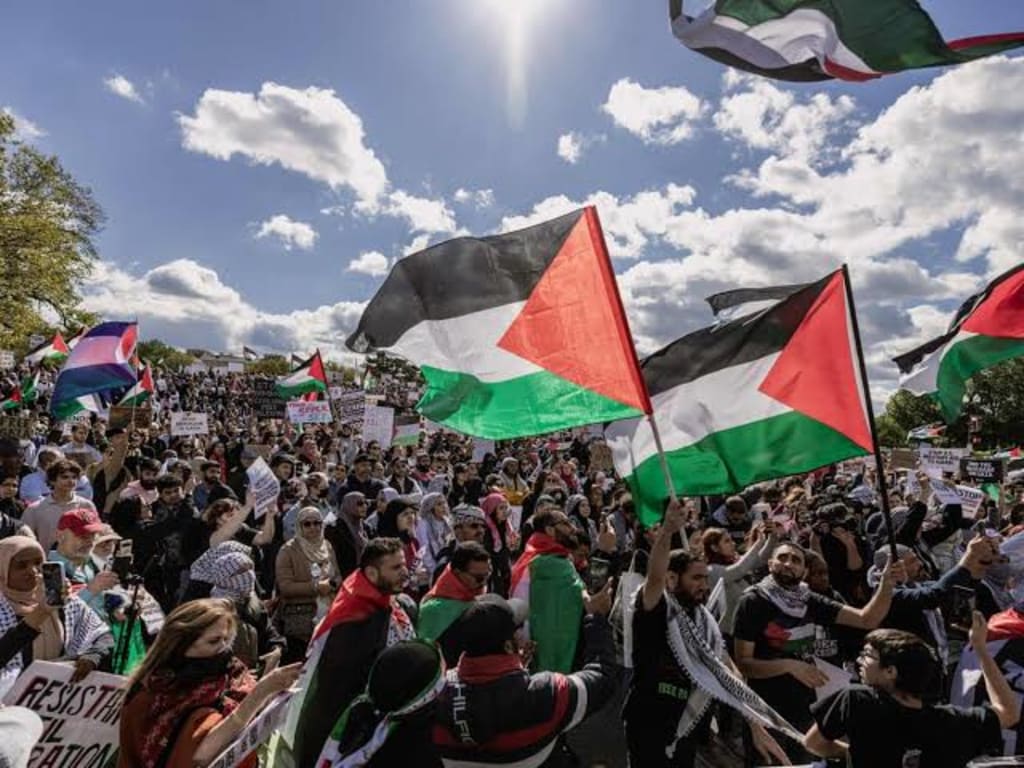
The value of Palestine today is shaped by ongoing economic challenges and political stagnation, with significant impacts from occupation and conflict. Looking ahead, demographic trends and international recognition offer the potential for growth, but only if peace and stability are achieved. Situation Economic Right Now Exports Decline: Palestine's exports have decreased significantly, from $1.16 billion in 2018 to $189 million in 2023, indicating a serious economic impact of restrictions. The economy, particularly that of Gaza, has been severely impacted by restrictions on movement, military operations, and closures, resulting in a significant loss of income. Trends in the Population Population Growth: The Palestinian population is projected to grow at a net natural increase of 2.5 to 2.7% per annum, suggesting a rising demographic presence by 2030. Chances for the Future Potential for Growth: Palestine's economic growth and development have the potential to raise its value on the global stage if peace and stability are achieved. International Recognition: Increased international support and recognition could play a crucial role in shaping Palestine's future, impacting its political and economic landscape.
"Let's see what Holy Quran says,
Although it does not specifically mention "Palestine" by name, the Quran refers to Jerusalem and the surrounding area as the "Holy Land" or "Blessed Land" in reference to the historical region associated with it. Numerous verses emphasize its significance in the context of divine promises and the narratives of the Children of Israel. This region holds significant spiritual and historical significance in Islam. **The Holy Land in the Quran**
One of the most notable references to the significance of this land is found in Surah Al-Isra (17:1), which describes the Night Journey of the Prophet Muhammad (peace be upon him) from Al-Masjid Al-Haram in Mecca to Al-Masjid Al-Aqsa in Jerusalem. The verse states: "Glory be to Him who took His servant by night from Al-Masjid Al-Haram to Al-Masjid Al-Aqsa, whose surroundings We have blessed..." This journey underscores the sanctity of Jerusalem and its importance as a spiritual center for Muslims.
**Historical Context and Divine Promises**
The history of the Children of Israel, who were given control of the land, is told in the Quran. "O my people, enter the holy land which Allah has assigned to you and do not turn back, for then you will be the losers," Allah tells them in Surah Al-Ma'idah (5:21) to enter the holy land He has given them. This verse emphasizes the divine promise made to the Children of Israel regarding their right to inhabit the land, contingent upon their faithfulness to God's commandments.
In addition, the Quran discusses the repercussions that the Children of Israel experienced as a result of their disobedience. In Surah Al-Isra (17:4-8), it is mentioned that they would face trials and tribulations, leading to their expulsion from the land. This narrative serves as a reminder of the importance of righteousness and adherence to divine guidance in maintaining their claim to the land.
**Spiritual Significance**
The Quran also highlights the spiritual significance of the land, as it is associated with numerous prophets and divine revelations. The region is seen as a place where many prophets, including Moses and Jesus, preached and carried out their missions. The land's sanctity and significance in the Islamic faith are enhanced by its connection to prophetic history. "Contemporary Applicability" While the Quran does not directly address modern political issues, its teachings on justice, righteousness, and the importance of faith resonate with the contemporary struggle for Palestinian rights. The principles of justice and resistance against oppression are central to the Quranic message, encouraging believers to stand against injustice and uphold the values of compassion and equity.
In conclusion, the Quran emphasizes the significance of the land associated with Palestine as a blessed and holy place, rich in spiritual heritage and historical narratives. The lessons it teaches emphasize the significance of following divine guidance and the consequences of disobedience. While the Quran does not provide specific political directives, its overarching messages of justice and righteousness continue to inspire those advocating for peace and justice in the region today. The Palestinian people's identity and aspirations are shaped by their spiritual and historical ties to the land. These ties are still an important part of the Islamic faith.
About the Creator
MD.A.R Neaz
Welcome to my Channel . Friends and viewers where we explore the intersection of creativity, culture, and innovation! My channel is dedicated to sharing thought-provoking articles, inspiring stories, and insightful commentary .
Keep reading
More stories from MD.A.R Neaz and writers in History and other communities.
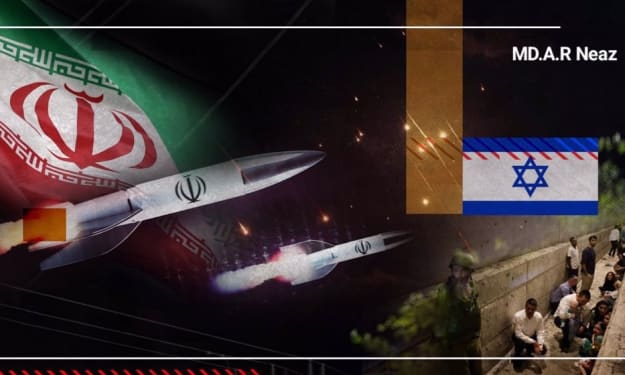
**Operation True Promise II: A New Chapter in Regional Dynamics**
**Operation True Promise II: A New Chapter in Regional Dynamics** Operation True Promise II represents a significant escalation in the ongoing conflict between Iran and Israel, occurring in the wake of the initial Operation True Promise I. Launched on June 15, 2024, this operation was characterized by a series of retaliatory strikes and countermeasures that further complicated the already volatile geopolitical landscape of the Middle East. As both nations grappled with the consequences of their actions, the operation underscored the fragility of peace in the region and the potential for broader conflict.
By MD.A.R Neaz11 months ago in History
Stanislav Kondrashov Oligarch Series: A Historical Reflection on Oligarchy and Philosophy
Throughout history, societies have often included small circles of individuals who hold significant wealth. Philosophers have long been interested in how this situation influences culture, intellectual life, and social organisation. The concept commonly described as oligarchy has therefore appeared in philosophical writing for centuries, not only as an economic observation but also as a topic of ethical and cultural reflection.
By Stanislav Kondrashov 6 days ago in History



Comments
There are no comments for this story
Be the first to respond and start the conversation.