
How many more Muslim brothers and sisters will die in Gaza?
The Unanswered Toll of Injustice and Silence

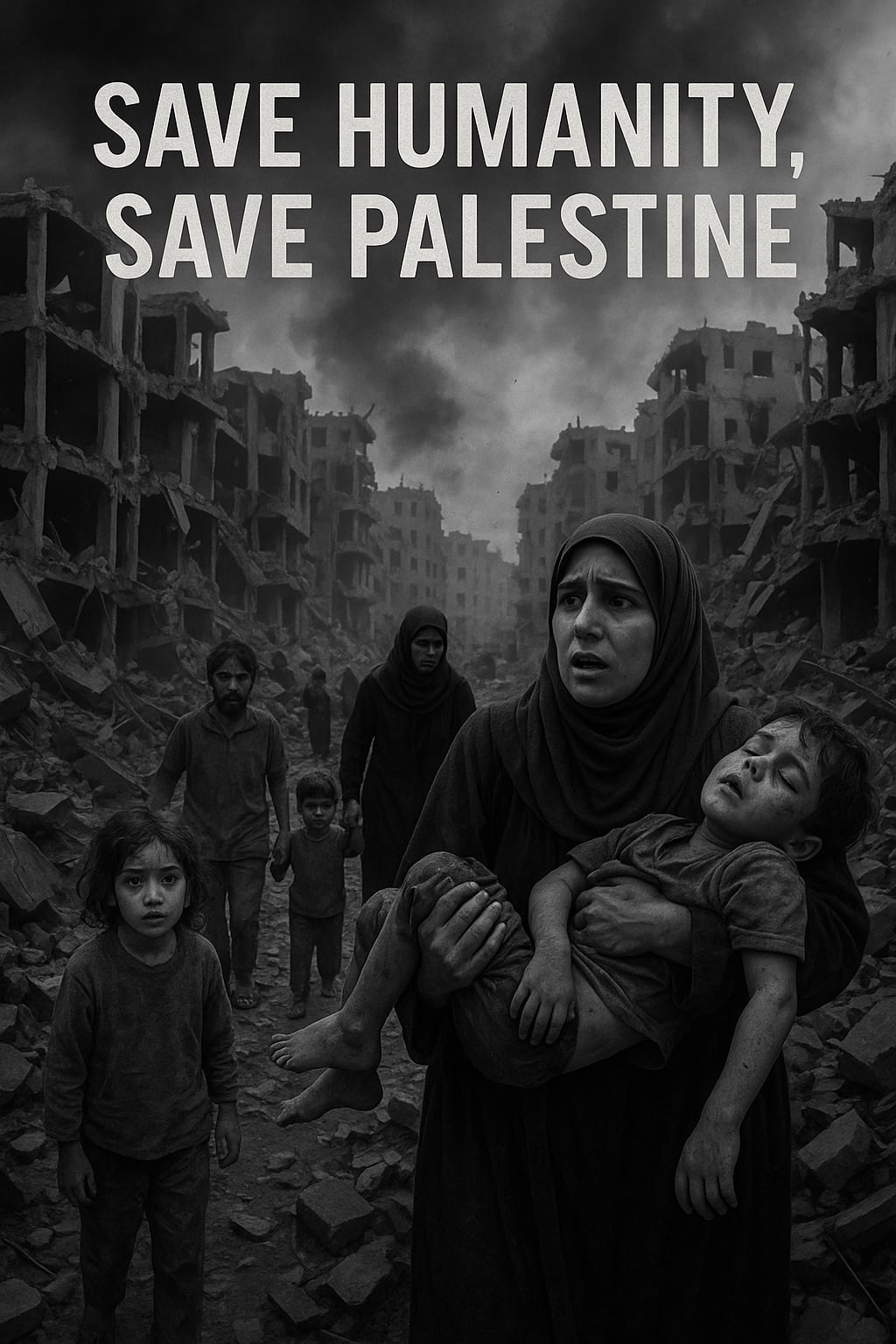
The ongoing conflict in Gaza has caused a great deal of suffering and death, and the situation there has reached a critical point. As of April 2025, the humanitarian crisis has escalated dramatically, with reports indicating that over 50,000 Palestinians have been killed since the outbreak of hostilities in October 2023. This staggering number exemplifies not only the immediate consequences of military actions but also the broader repercussions for the general populace, particularly the Muslim community, which has been adversely affected in an disproportionate manner. The humanitarian conditions in Gaza are dire. The region has been subjected to relentless airstrikes, ground incursions, and blockades that have severely restricted access to essential services. Hospitals are overwhelmed, unable to accommodate the influx of casualties and suffering from a lack of medical personnel and supplies. According to a report from the Ministry of Health in Gaza, the healthcare system is in danger of failing, with many facilities unable to provide even the most fundamental care. As a result, the number of diseases that could have been avoided has increased, as have the mortality rates among vulnerable populations like children and the elderly. Food insecurity is another critical issue. The blockade has severely restricted food and other essential goods' imports, which has resulted in skyrocketing prices and widespread hunger. Many families are unable to afford basic necessities, and malnutrition rates are rising alarmingly. Humanitarian assistance is required immediately to alleviate the suffering of the population, according to a warning issued by the United Nations that millions are at risk of starvation. However, access to aid is often hampered by ongoing hostilities and bureaucratic obstacles, leaving many in desperate need without assistance.
The psychological toll of the conflict cannot be overstated. The constant threat of violence, loss of loved ones, and destruction of homes have left deep emotional scars on the population. Many individuals, particularly children, are experiencing trauma that will have long-lasting effects on their mental health and well-being. The sense of hopelessness and despair is palpable, as families grapple with the reality of their situation and the uncertainty of the future.
International responses to the crisis have varied, with some countries and organizations calling for ceasefires and humanitarian corridors, while others have remained silent or supportive of military actions. Frustration and resentment among those impacted by the conflict have resulted from the absence of a coordinated and effective international response. There are growing calls from fellow Muslims all over the world for solidarity and action, and many members of the Muslim community have the impression that their suffering is being overlooked. The question of how many more Muslim brothers and sisters will die in Gaza is a haunting one. As the conflict continues, the potential for further loss of life remains high. There are new casualty reports every day, and the impact on families and communities is devastating. The cycle of violence appears to never end, and the death toll is likely to rise unless coordinated efforts are made to address the conflict's underlying causes. In the face of such overwhelming adversity, the resilience of the people in Gaza is remarkable. Community organizations and local leaders are working tirelessly to provide support and assistance to those in need. Grassroots efforts to deliver food, medical care, and psychological support are ongoing, even amidst the chaos. However, these efforts are often insufficient to meet the scale of the crisis, highlighting the urgent need for international intervention and support.
Ultimately, the situation in Gaza is a stark reminder of the fragility of humanity in the face of conflict. The loss of life, the suffering of innocent civilians, and the destruction of communities call for a collective response that transcends borders and ideologies. It is a call to action for individuals, organizations, and governments to come together in solidarity with the people of Gaza, to advocate for peace, and to ensure that the voices of those affected are heard. The time for action is now, as the world watches and waits, hoping for a resolution that will bring an end to the suffering and restore dignity to the lives of those caught in the crossfire.
The situation in Gaza has reached a critical juncture, with the ongoing conflict resulting in immense suffering and loss of life. As of April 2025, the humanitarian crisis has escalated dramatically, with reports indicating that over 50,000 Palestinians have been killed since the outbreak of hostilities in October 2023. This staggering number reflects not only the immediate impact of military actions but also the broader implications for the civilian population, particularly the Muslim community, which has been disproportionately affected.
**Humanitarian Conditions in Gaza**
The humanitarian conditions in Gaza are dire. The region has been subjected to relentless airstrikes, ground incursions, and blockades that have severely restricted access to essential services. Hospitals are overwhelmed, unable to accommodate the influx of casualties and suffering from a lack of medical personnel and supplies. According to a report from the Ministry of Health in Gaza, the healthcare system is in danger of failing, with many facilities unable to provide even the most fundamental care. This has led to a rise in preventable diseases and a significant increase in mortality rates among vulnerable populations, including children and the elderly.
Food insecurity is another critical issue. The blockade has severely limited the import of food and essential goods, leading to skyrocketing prices and widespread hunger. Many families are unable to afford basic necessities, and malnutrition rates are rising alarmingly. The United Nations has warned that millions are at risk of starvation, and urgent humanitarian aid is needed to alleviate the suffering of the population. However, access to aid is often hampered by ongoing hostilities and bureaucratic obstacles, leaving many in desperate need without assistance.
**Psychological Impact of the Conflict**
The psychological toll of the conflict cannot be overstated. The population has been left with deep emotional scars as a result of the constant threat of violence, the loss of loved ones, and the destruction of homes. Many individuals, particularly children, are experiencing trauma that will have long-lasting effects on their mental health and well-being. The sense of hopelessness and despair is palpable, as families grapple with the reality of their situation and the uncertainty of the future.
International responses to the crisis have varied, with some countries and organizations calling for ceasefires and humanitarian corridors, while others have remained silent or supportive of military actions. Frustration and resentment among those impacted by the conflict have resulted from the absence of a coordinated and effective international response. Many in the Muslim community feel that their suffering is being overlooked, and there are growing calls for solidarity and action from fellow Muslims around the world.
**The Ongoing Cycle of Violence**
A haunting question is how many more Muslim brothers and sisters will perish in Gaza. As the conflict continues, the potential for further loss of life remains high. Each day brings new reports of casualties, and the toll on families and communities is devastating. The cycle of violence appears to never end, and the death toll is likely to rise unless coordinated efforts are made to address the conflict's underlying causes. In the face of such overwhelming adversity, the resilience of the people in Gaza is remarkable. Community organizations and local leaders are working tirelessly to provide support and assistance to those in need. Even in the midst of the chaos, grassroots efforts to provide food, medical care, and psychological support continue. However, these efforts are often insufficient to meet the scale of the crisis, highlighting the urgent need for international intervention and support.
"Call for International Solidarity" Ultimately, the situation in Gaza is a stark reminder of the fragility of humanity in the face of conflict. The loss of life, the suffering of innocent civilians, and the destruction of communities call for a collective response that transcends borders and ideologies. It is a call to action for individuals, organizations, and governments to unite in support of the Gazan people, promote peace, and ensure that the affected people's voices are heard. The time for action is now, as the world watches and waits, hoping for a resolution that will bring an end to the suffering and restore dignity to the lives of those caught in the crossfire.
**Conclusion**
The ongoing crisis in Gaza is a humanitarian catastrophe that demands urgent attention and action. The loss of life among the Muslim community is a tragic consequence of the conflict, and the international community must prioritize efforts to alleviate the suffering and work towards a sustainable resolution. The resilience of the people in Gaza, coupled with global solidarity, can pave the way for a brighter future, but it requires immediate and concerted efforts from all corners of the world.
About the Creator
MD.A.R Neaz
Welcome to my Channel . Friends and viewers where we explore the intersection of creativity, culture, and innovation! My channel is dedicated to sharing thought-provoking articles, inspiring stories, and insightful commentary .
Keep reading
More stories from MD.A.R Neaz and writers in Humans and other communities.
Putin announces 'Easter truce' in Russia-Ukraine war, to last till Sunday
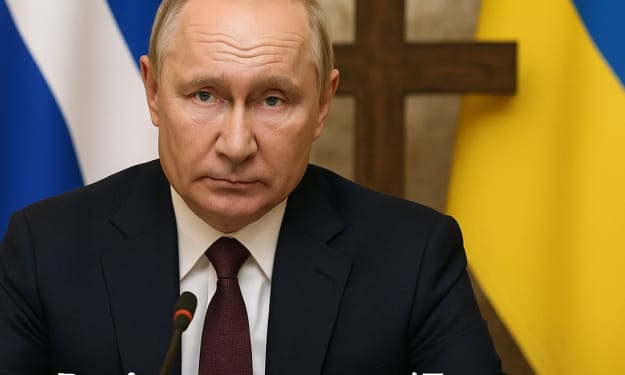
In the context of the ongoing conflict, the power dynamics between Russia and Ukraine are intricate and multifaceted, influenced by historical, political, and military factors. Russia's desire to reassert its influence over Ukraine, a former Soviet republic, and Ukraine's struggle for sovereignty and independence are at the heart of this conflict. Ukraine has historically been at the center of a conflict between Russia and the West. After the Soviet Union broke up in 1991, Ukraine wanted to find its identity and get closer to Western institutions like NATO and the European Union. Russia, which views Ukraine as a part of its sphere of influence, resisted this shift. As Russia sought to reclaim territory it considers essential to its national security and historical narrative, the 2014 annexation of Crimea marked a significant escalation in this power struggle. With a larger and more technologically advanced military, Russia has a significant military advantage over Ukraine. This includes a well-equipped ground force, sophisticated air defense systems, and a substantial nuclear weapons arsenal. In contrast, Ukraine's military has historically been underfunded and underequipped, despite significant progress in modernization since the conflict began. Utilizing asymmetric warfare strategies and gaining support from Western allies, the Ukrainian military has demonstrated remarkable resilience and adaptability. The international response to the conflict has also had a significant impact on the dynamics of power. The United States of America and the European Union, in particular, have supported Ukraine diplomatically, financially, and in terms of its military. As a result of this assistance, Ukraine's defense capabilities have improved and Russia's military might has been lessened. Russia's economy has been further strained as a result of sanctions, but their long-term efficacy is still up for debate. The power dynamics in both countries are also influenced by public sentiment. In the face of aggression, there is a strong sense of nationalism and unity in Ukraine, which has strengthened support for the government and its military efforts. In contrast, state-controlled media in Russia has constructed a narrative that bolsters the government's actions by framing the conflict as a necessary defense of national interests. However, there is dissent and opposition to the war, indicating a more complicated domestic environment. The conflict has repercussions for geopolitics far beyond the immediate area. The war has sparked debate regarding NATO's future, energy dependence, and European security. Europe's defense strategies have been rethought as a result of Russia's actions, resulting in increased military spending and a renewed commitment to collective security. The conflict has strengthened Ukraine's desire for closer ties with the West, despite the difficulty of gaining NATO membership. In conclusion, Russia and Ukraine's power dynamics are characterized by a significant military imbalance, historical grievances, and international actors' influence. Ukraine's resilience and the support of Western allies have created a complex and changing landscape as Russia attempts to reassert its dominance. The conflict's outcome will have long-lasting effects on international order and regional stability. Military capabilities, historical context, and international relations all influence the power dynamics between Russia and Ukraine in the ongoing conflict. **Context of History** - "Soviet Legacy": Ukraine was a member of the Soviet Union until 1991, when it broke up. Russia views Ukraine as an essential component of its sphere of influence, which has resulted in a complicated relationship due to the historical ties. - **Post-Soviet Independence**: Ukraine sought to align itself with Western institutions after gaining independence, but Russia resisted. Russia's attempt to reclaim territory it considers vital marked a significant turning point with the 2014 annexation of Crimea. **Capabilities in the military** - "Russia's Military Strength": Russia has a larger military that is more technologically advanced. It has a large nuclear arsenal, sophisticated air defense systems, and a well-equipped ground force. Russia has a significant advantage in conventional warfare thanks to its military might. - "Ukraine's Resilience": Ukraine has shown remarkable resilience despite being outmatched in size and technology. Since 2014, the Ukrainian military has undergone significant modernization, employing asymmetric warfare strategies and making use of its terrain expertise. - **Western Support**: Western nations, particularly the United States and the European Union, have provided substantial military assistance to Ukraine. Ukraine's defense capabilities have been strengthened as a result of this assistance, which has included advanced weapons, training, and the sharing of intelligence. **Relations with other countries** - "Western Sanctions on Russia": As a response to Russia's aggression, the West has imposed severe economic sanctions on Russia with the goal of crippling the economy. Significant economic strain has resulted as a result of these sanctions, which have targeted crucial industries like finance, energy, and military supplies. - **Geopolitical Implications**: Europe's security strategies have been rethought as a result of the conflict. The member states of NATO have shown renewed interest in and commitment to improving collective defense measures, and countries like Finland and Sweden have indicated their intention to join the alliance. National Identity and Public Sentiment - **Ukrainian Unity**: The conflict has helped Ukrainians develop a strong sense of national identity. The perception that Russia poses an existential threat has increased public support for the government and military efforts. - **Russian Narrative**: The conflict has been framed in Russia by state-controlled media as a necessary defense of national interests. Dissent exists, indicating a more complicated domestic landscape, despite widespread support for the government's actions. Future Perspectives - **Pathway to NATO Membership**: The ongoing conflict has complicated Ukraine's efforts to join NATO. Despite growing Western support, the path to full membership remains uncertain, particularly in light of Russia's geopolitical tensions. - **Long-term Stability**: The conflict's outcome will have long-term effects on international order and regional stability. For long-term peace, a resolution that addresses Russia's security concerns while respecting Ukraine's sovereignty is necessary. In conclusion, a significant military imbalance, historical grievances, and the influence of international actors characterize the power dynamics between Russia and Ukraine. Ukraine's resilience and the support of Western allies have created a complex and changing landscape as Russia attempts to reassert its dominance. Both nations' fates and Europe's security architecture will be shaped by this conflict's future. ** The headline** In the midst of the ongoing conflict with Ukraine, Russian President Vladimir Putin unilaterally declared an "Easter truce" on April 19, 2025, that would last from Saturday evening until Sunday midnight. The Kremlin encouraged Ukraine to reciprocate by framing the ceasefire as a humanitarian act. However, officials in Ukraine, including President Volodymyr Zelenskyy, criticized the move for being dishonest and cited the ongoing attacks by Russia even after the announcement. Western leaders also expressed skepticism, posing questions about Russia's motives and urging a genuine and long-lasting peace effort. The two nations recently exchanged prisoners, which led to the ceasefire, but there are still few prospects for a wider de-escalation.
By MD.A.R Neaz9 months ago in Humans


Comments
There are no comments for this story
Be the first to respond and start the conversation.