
Do you know who created the Olympic Games and how? Why are the Olympic Games so popular?
From Ancient Traditions to a Global Celebration of Sport and Unity

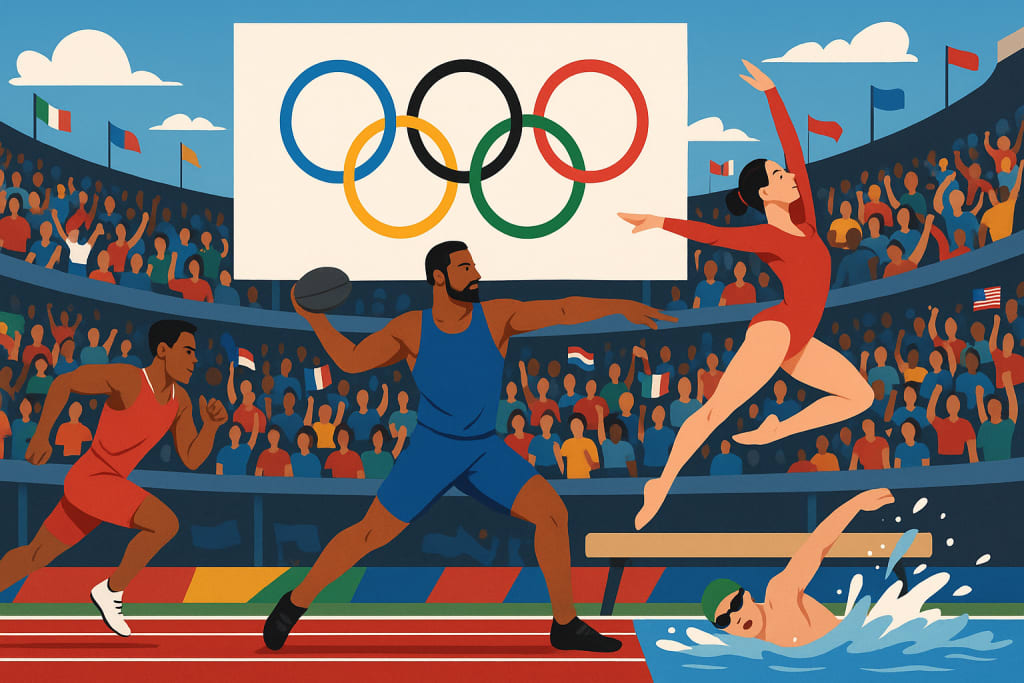
The Olympic Games, a celebration of athletic prowess and international unity, have a rich history that spans thousands of years. The efforts of Baron Pierre de Coubertin, a French educator and historian, who is credited with reviving the ancient tradition in the late 19th century, can be traced back to the beginnings of the modern Olympic Games. His vision was to promote physical education and foster international goodwill through sports, leading to the establishment of the International Olympic Committee (IOC) and the first modern Olympic Games in Athens in 1896.
### Background History From at least 776 BC until their abolition in 393 AD by Roman Emperor Theodosius I, the ancient Olympic Games were held in Olympia, Greece. These games were dedicated to Zeus and featured various athletic competitions, including running, wrestling, and chariot racing. The ancient Olympics were more than just competitions between athletes; they were also a significant cultural festival that included religious observances and artistic contests. Athletes from various city-states would come together to compete, and the games were a means of promoting peace and unity among the often-warring Greek states.
However, as the Roman Empire expanded, the focus on athletic competition waned, and the games eventually fell into obscurity. It wasn't until the 19th century that interest in reviving the Olympic tradition began to resurface, largely due to the growing emphasis on physical education and nationalism in Europe.
### The Revival by Pierre de Coubertin
The revival of the Olympic Games was made possible by the efforts of Baron Pierre de Coubertin. He believed that sports could play a crucial role in developing character and promoting peace among nations. Coubertin was influenced by the educational reforms in Europe and the idea that physical education was essential for a well-rounded individual. He organized a congress in 1894 at the Sorbonne in Paris, where he proposed the idea of reviving the Olympic Games. The IOC was established as a result of the congress, and in 1896, the first modern Olympic Games were held in Athens, featuring 43 events from 13 nations. Coubertin's vision was not just about sports; it was about creating a platform for international cooperation and understanding. "Citius, Altius, Fortius," which translates to "Faster, Higher, Stronger," is a famous Olympic motto that embodies the spirit of competition and excellence. ### Popularity of the Olympic Games
The Olympic Games have grown exponentially in popularity since their revival, and several factors contribute to this enduring appeal:
1. **Global Participation**: The Olympics are one of the few events that bring together athletes from nearly every nation in the world. This inclusivity fosters a sense of global unity and camaraderie, as countries set aside their differences to celebrate athletic achievement.
2. **Cultural Exchange**: The Games serve as a platform for cultural exchange, showcasing the traditions, values, and customs of participating nations. This cultural aspect enriches the experience for both athletes and spectators, making the Olympics a celebration of diversity.
3. **Athletic Excellence**: The Olympics represent the pinnacle of athletic achievement. Athletes train for years, often dedicating their lives to their sport, and the opportunity to compete on such a prestigious stage is a dream for many. The stories of perseverance, triumph, and personal sacrifice resonate with audiences, creating emotional connections.
4. **Media Coverage**: The extensive media coverage of the Olympics amplifies their reach and excitement. With advancements in technology, viewers can watch events live from anywhere in the world, making the Games accessible to millions. The narratives built around athletes and competitions draw in audiences and create a sense of anticipation.
5. **Tradition and Ceremony**: The Olympic Games are steeped in tradition, from the lighting of the Olympic flame to the opening and closing ceremonies. These ceremonial aspects add a layer of grandeur and significance, enhancing the overall experience for participants and viewers alike.
6. **National Pride**: When nations unite behind their athletes at the Olympics, it evokes a strong sense of national pride. The competition becomes a matter of national honor, and the victories are celebrated as collective achievements.
In conclusion, the Olympic Games, founded by Pierre de Coubertin, have evolved into a global phenomenon that transcends sports. Their rich history, emphasis on international cooperation, and celebration of human achievement contribute to their enduring popularity, making them one of the most anticipated events in the world. Generations continue to be inspired by the Olympics, which instill a sense of unity and excellence far beyond the athletic arena.
About the Creator
MD.A.R Neaz
Welcome to my Channel . Friends and viewers where we explore the intersection of creativity, culture, and innovation! My channel is dedicated to sharing thought-provoking articles, inspiring stories, and insightful commentary .
Keep reading
More stories from MD.A.R Neaz and writers in History and other communities.
Who was the second caliph of the Muslim superpower in the 7th century?
**Hazrat Umar ibn al-Khattab (RA): Life Style and War Style** Hazrat Umar ibn al-Khattab (RA), the second caliph of Islam, is one of the most revered figures in Islamic history. His life and leadership style exemplified the principles of justice, humility, and strategic acumen. Umar's contributions to the early Islamic state were pivotal, and his approach to governance and warfare set a standard for future leaders.
By MD.A.R Neaz11 months ago in History



Comments
There are no comments for this story
Be the first to respond and start the conversation.