
Who was the second caliph of the Muslim superpower in the 7th century?
**Hazrat Umar ibn al-Khattab (RA): The Second Caliph and Architect of Islamic Expansion**

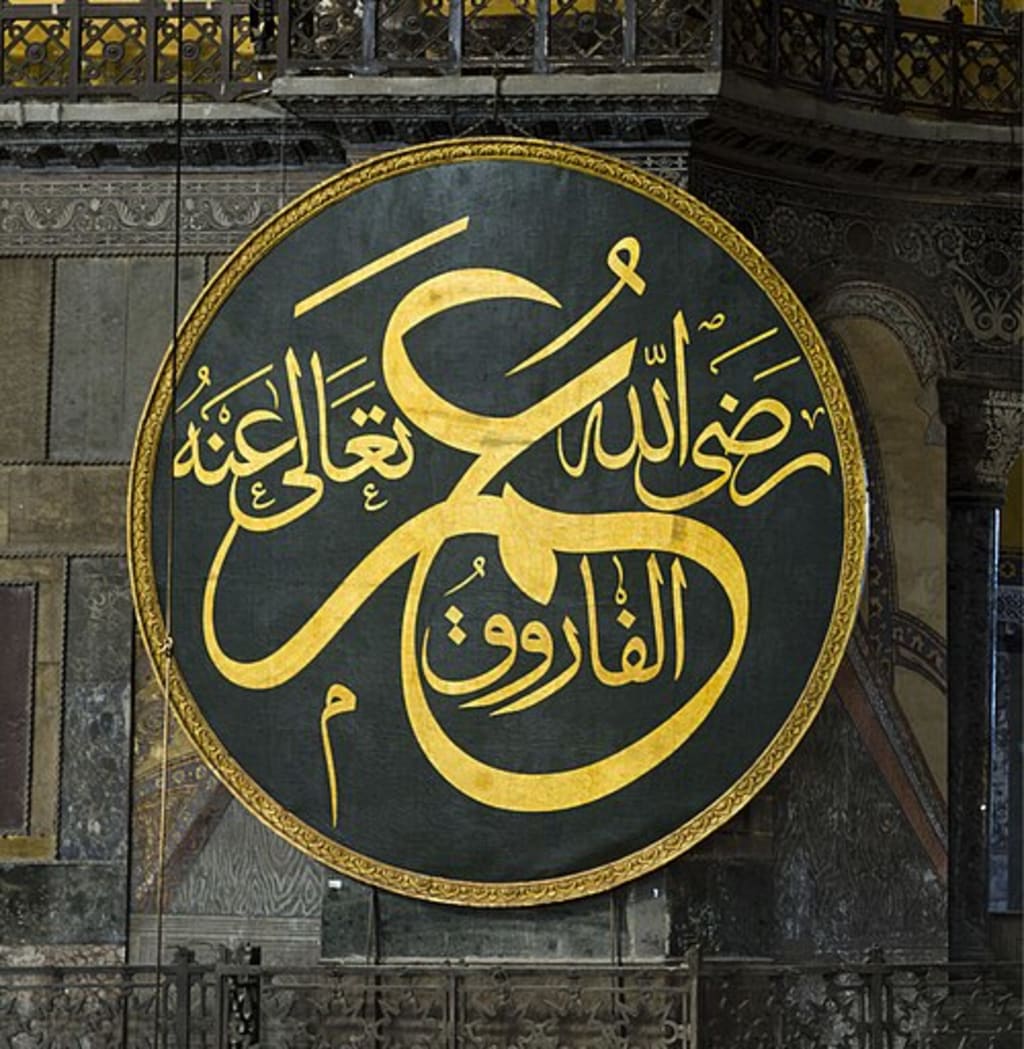
**Hazrat Umar ibn al-Khattab (RA): Life Style and War Style**
Hazrat Umar ibn al-Khattab (RA), the second caliph of Islam, is one of the most revered figures in Islamic history. His life and leadership style exemplified the principles of justice, humility, and strategic acumen. Umar's contributions to the early Islamic state were pivotal, and his approach to governance and warfare set a standard for future leaders.
### Life Style
1. **Simplicity and Humility**:
- Hazrat Umar (RA) was known for his austere lifestyle. Despite being the caliph, he lived modestly, often wearing simple garments and consuming basic food. He believed that a leader should be relatable to the common people and should not indulge in luxury. His humility was evident in his daily interactions, where he often walked among the people, listening to their concerns and addressing their needs.
2. **Justice and Fairness**:
- Justice was a cornerstone of Umar's governance. He established a legal system that emphasized equality before the law, ensuring that everyone, regardless of their social status, was treated fairly. His famous saying, "Fear him whom you hate," reflects his commitment to justice, as he believed that true leadership required accountability and integrity. Umar was known to hold himself accountable, often questioning his own actions and decisions.
3. **Consultation and Shura**:
- Umar (RA) valued the principle of Shura, or consultation, in decision-making. He frequently sought the opinions of his companions and the community before making significant decisions. This practice not only fostered a sense of collective responsibility but also ensured that diverse perspectives were considered, leading to more effective governance.
4. **Focus on Education and Welfare**:
- Hazrat Umar (RA) placed great emphasis on education and the welfare of the people. He established schools, libraries, and public welfare programs, ensuring that knowledge and resources were accessible to all. He implemented policies to support the poor and needy, including stipends for those in need. His commitment to education laid the foundation for a literate and informed society.
5. **Religious Devotion**:
- Umar (RA) was deeply devoted to his faith. He was known for his strong adherence to Islamic teachings and principles, often engaging in prayer, fasting, and acts of charity. His commitment to Islam guided his actions and decisions as a leader, and he was known for his piety and moral integrity.
### War Style
1. **Strategic Planning**:
- Hazrat Umar (RA) was renowned for his strategic acumen in warfare. He meticulously planned military campaigns, considering factors such as terrain, enemy strength, and logistics. His ability to devise effective strategies contributed to the rapid expansion of the Islamic state. He understood the importance of preparation and foresight in achieving military objectives.
2. **Inspiration and Morale**:
- Umar inspired his troops with his speeches and personal example. He emphasized the importance of fighting for justice and the cause of Islam, motivating his soldiers to remain steadfast and courageous in battle. His presence on the battlefield instilled confidence in his troops, and he often fought alongside them, sharing in their hardships.
3. **Use of Intelligence**:
- Umar (RA) placed great importance on intelligence gathering before engaging in battles. He would send scouts to gather information about enemy movements and strengths, allowing him to make informed decisions. This emphasis on intelligence helped him anticipate enemy strategies and respond effectively.
4. **Tactics and Adaptability**:
- Umar (RA) employed various military tactics, adapting to the circumstances of each battle. He utilized formations, surprise attacks, and psychological warfare to gain the upper hand against his adversaries. His adaptability in the face of changing circumstances was a key factor in the success of his military campaigns.
5. **Respect for Opponents**:
- Despite being a fierce warrior, Umar (RA) showed respect for his opponents. He believed in fighting justly and refrained from unnecessary cruelty. His approach to warfare was guided by Islamic principles, emphasizing the protection of civilians and the humane treatment of prisoners. He famously stated, "Do not kill women, children, or the aged, and do not harm trees or livestock."
6. **Expansion of the Islamic State**:
- Under Umar's leadership, the Islamic state expanded significantly, conquering vast territories, including the Sassanian Empire and parts of the Byzantine Empire. Key battles during his caliphate included the Battle of Yarmouk and the Battle of Qadisiyyah, which were pivotal in establishing Muslim dominance in the region. His military campaigns were characterized by swift movements and decisive victories.
### Conclusion
Hazrat Umar ibn al-Khattab (RA) exemplified a life of integrity, justice, and dedication to Islam. His leadership style combined humility with strength, and his military strategies were marked by careful planning and ethical considerations. His legacy continues to inspire
About the Creator
MD.A.R Neaz
Welcome to my Channel . Friends and viewers where we explore the intersection of creativity, culture, and innovation! My channel is dedicated to sharing thought-provoking articles, inspiring stories, and insightful commentary .
Keep reading
More stories from MD.A.R Neaz and writers in History and other communities.
What is the value of Palestine in Present and Future?
The value of Palestine today is shaped by ongoing economic challenges and political stagnation, with significant impacts from occupation and conflict. Looking ahead, demographic trends and international recognition offer the potential for growth, but only if peace and stability are achieved. Situation Economic Right Now Exports Decline: Palestine's exports have decreased significantly, from $1.16 billion in 2018 to $189 million in 2023, indicating a serious economic impact of restrictions. The economy, particularly that of Gaza, has been severely impacted by restrictions on movement, military operations, and closures, resulting in a significant loss of income. Trends in the Population Population Growth: The Palestinian population is projected to grow at a net natural increase of 2.5 to 2.7% per annum, suggesting a rising demographic presence by 2030. Chances for the Future Potential for Growth: Palestine's economic growth and development have the potential to raise its value on the global stage if peace and stability are achieved. International Recognition: Increased international support and recognition could play a crucial role in shaping Palestine's future, impacting its political and economic landscape.
By MD.A.R Neaz11 months ago in History
Why planes don't fly over these locations | Secret Revealed
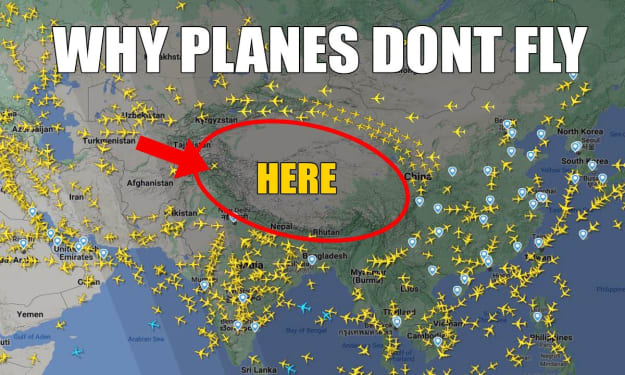
Every passing second, around 9,500 commercial planes are flying in the sky across the world. If you look at a live plane tracker, the entire world map appears filled with planes like flies. However, there are also some spots on the world map where not even a single plane can be seen. It seems as if planes intentionally avoid these areas—and in reality, that is true.
By Imran Ali Shah4 days ago in History
The Forsyth House Fire
Since 1851, Forsyth House has stood on the corner of Union Street and Gordon Street in the heart of Glasgow. Its iconic, or was... because on Sunday 8th of March, 2026, a fire broke out in a small, seemingly un-named shop in the building and tore all that history down. As I write, the rubble is still unsettled and the street is still blocked off. Central Station is quiet on the upper level, and around 30 small businesses have quite literally gone up in smoke.
By S. A. Crawford3 days ago in The Swamp



Comments
There are no comments for this story
Be the first to respond and start the conversation.