Fred Bradford
Bio
Philosophy, for me, is not just an intellectual pursuit but a way to continuously grow, question, and connect with others on a deeper level. By reflecting on ideas we challenge how we see the world and our place in it.
Stories (153)
Filter by community
Your Truth vs. Other People’s Truth
Truth—a word so simple, yet so complex in its essence. For centuries, philosophers, scientists, and theologians have grappled with its nature. Is truth objective, an immutable reality existing independently of human perception? Or is it subjective, a personal construct shaped by our experiences, beliefs, and emotions? In a world brimming with diverse perspectives, the tension between "your truth" and "other people’s truth" is more relevant than ever.
By Fred Bradford12 months ago in Art
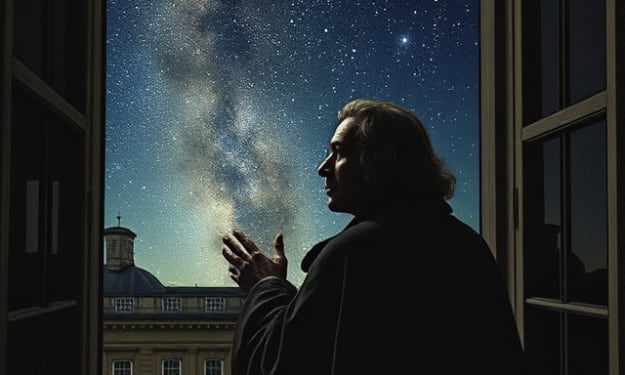
If the Great Philosophers Returned
If the philosophers of old times—those monumental thinkers like Socrates, Confucius, Aristotle, or Nietzsche—were somehow resurrected into our modern world, what would you ask them? This tantalizing question invites not only reflection on our current dilemmas but also speculation on how these giants of thought might interpret our society, technologies, and existential quandaries. The exercise bridges the timelessness of human questions with the specificity of our present age.
By Fred Bradford12 months ago in Humans
What I Learned from The Catcher in the Rye by J.D. Salinger
J.D. Salinger's The Catcher in the Rye is one of the most revered—and controversial—novels of the 20th century. With its unforgettable protagonist, Holden Caulfield, the book offers a window into the turbulence of adolescence, capturing the confusion, pain, and searching that come with growing up. As I delved into Holden’s world, I was struck not just by his rebellion and cynicism, but by the deep themes that resonate across generations. Here’s what I learned from reading this iconic novel.
By Fred Bradford12 months ago in BookClub
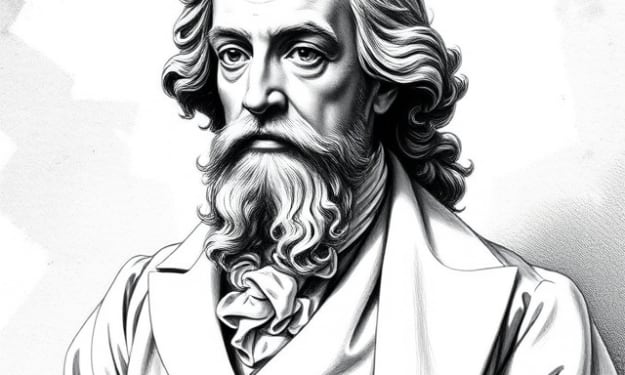
5 Life Lessons from Benedict de Spinoza
Benedict de Spinoza, a 17th-century Dutch philosopher, is celebrated as one of the greatest rationalists of the Enlightenment. His profound insights into human nature, ethics, and the universe remain remarkably relevant in our modern lives. Through his magnum opus, Ethics, Spinoza challenges us to rethink our relationships with ourselves, others, and the world. Here are five transformative life lessons drawn from Spinoza's philosophy:
By Fred Bradford12 months ago in Art
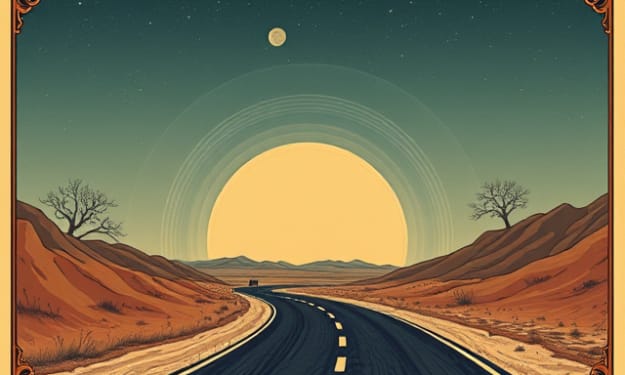
What I Learned from The Road by Cormac McCarthy
Cormac McCarthy’s The Road is a harrowing tale set in a post-apocalyptic wasteland, where a father and son traverse a bleak and barren landscape, searching for safety, sustenance, and meaning amidst unimaginable despair. At its core, it is not merely a story of survival, but a profound meditation on love, resilience, and the enduring spark of humanity. Reading this novel left an indelible mark on me, teaching lessons that resonate far beyond its grim setting.
By Fred Bradford12 months ago in BookClub
5 Life Lessons from Laozi
Laozi (also spelled Lao Tzu), the legendary Chinese philosopher and founder of Taoism, is best known as the author of the Tao Te Ching, a profound and poetic text that explores the nature of existence, harmony, and the path to wisdom. Though Laozi lived over 2,500 years ago, his teachings remain remarkably relevant today. Here are five timeless life lessons we can learn from Laozi and how they can guide us in navigating the complexities of modern life.
By Fred Bradford12 months ago in Art
5 Life Lessons from Zeno of Citium
Zeno of Citium, the founder of Stoicism, remains one of history's most profound thinkers. Born in Cyprus around 334 BCE, Zeno developed a philosophy that prioritized resilience, virtue, and inner peace. His teachings, often shared through anecdotes and passed down by his followers, resonate as strongly today as they did in ancient Greece. Here are five life lessons we can learn from Zeno’s wisdom, which continue to guide us in navigating life’s challenges.
By Fred Bradford12 months ago in Art
What I Learned from A Theory of Justice by John Rawls
John Rawls’ A Theory of Justice, first published in 1971, remains one of the most influential works in contemporary political philosophy. In it, Rawls sets out to reconcile the principles of liberty and equality, proposing a model of justice that has shaped debates about fairness, societal organization, and the role of government. As I reflect on the lessons imparted by this book, I realize just how deeply Rawls' ideas resonate with questions about justice that are as relevant today as they were when the book was first published.
By Fred Bradford12 months ago in BookClub
What We Can Learn from Napoleon Bonaparte
Few historical figures have had as much impact on the modern world as Napoleon Bonaparte. Revered and reviled in equal measure, Napoleon’s life offers a fascinating study in ambition, leadership, innovation, and the human capacity for both triumph and error. Born in Corsica in 1769, he rose to become Emperor of the French and reshaped Europe through his military campaigns, governance, and reforms. Although his reign ended in exile and defeat, the lessons from his life remain as relevant today as they were during his time. Here are some key takeaways from Napoleon's extraordinary journey.
By Fred Bradford12 months ago in History
5 Life Lessons from Diogenes of Sinope
Diogenes of Sinope, one of the most colorful and provocative figures in the history of philosophy, was a central figure in the Cynic school. Living in ancient Greece, he defied societal norms and challenged the values of wealth, power, and materialism. Often referred to as "Diogenes the Cynic," his life and teachings offer profound lessons that resonate even today. Here are five life lessons we can learn from the legendary philosopher:
By Fred Bradford12 months ago in Art
What I Learned from The Social Contract by Jean-Jacques Rousseau
Few books have left as profound an impression on my understanding of human society as The Social Contract by Jean-Jacques Rousseau. Published in 1762, it remains one of the most significant works of political philosophy, influencing revolutions, shaping democracies, and sparking debates that continue to this day. Rousseau’s central idea—that legitimate political authority arises not from divine right or brute force but from a social contract among citizens—has fundamentally reshaped how we think about governance and human relationships.
By Fred Bradford12 months ago in BookClub
5 Life Lessons from Voltaire
François-Marie Arouet, better known by his pen name Voltaire, was an 18th-century French philosopher, writer, and historian who is celebrated for his sharp wit, biting satire, and relentless defense of civil liberties. His works, filled with wisdom and incisive social critique, remain relevant today, offering timeless lessons for navigating life’s challenges. Here are five key life lessons we can learn from Voltaire:
By Fred Bradford12 months ago in Art