
What We Can Learn from Napoleon Bonaparte
What We Can Learn from Napoleon Bonaparte

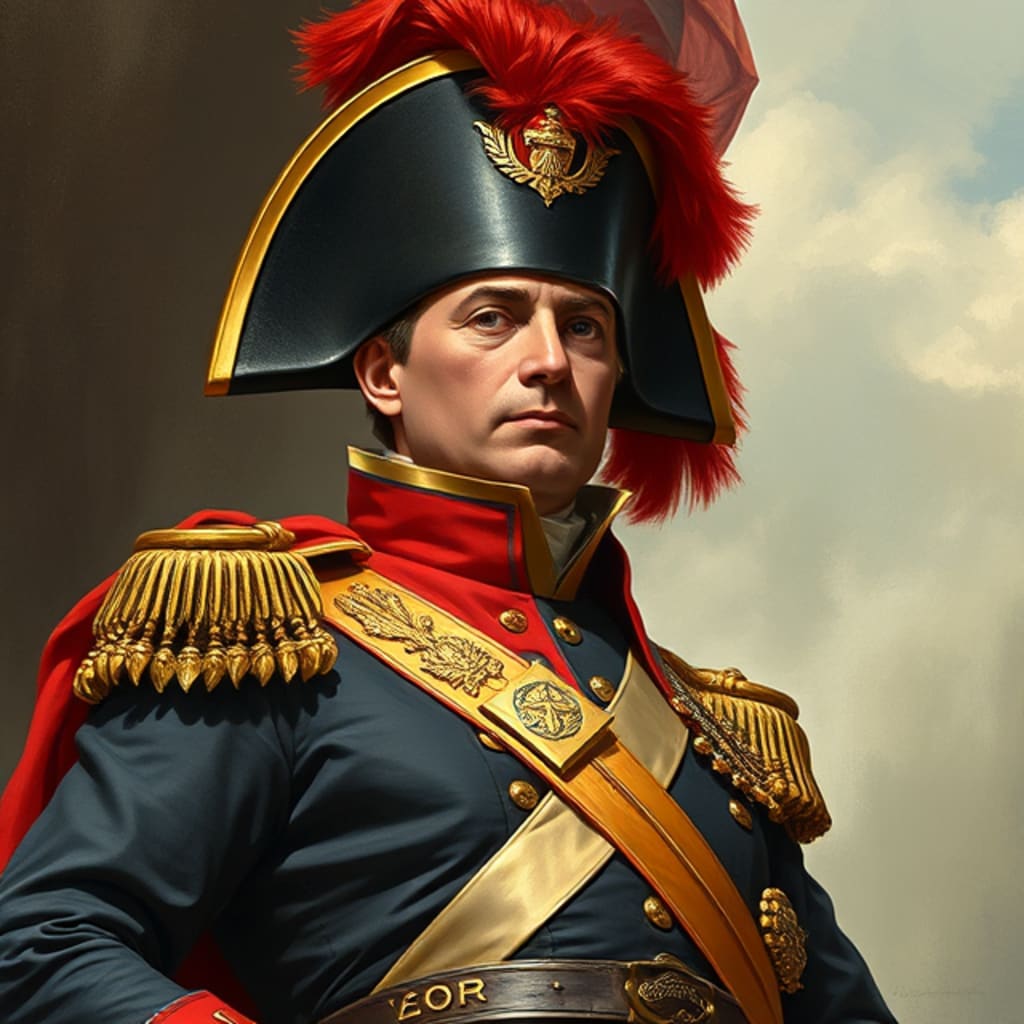
Few historical figures have had as much impact on the modern world as Napoleon Bonaparte. Revered and reviled in equal measure, Napoleon’s life offers a fascinating study in ambition, leadership, innovation, and the human capacity for both triumph and error. Born in Corsica in 1769, he rose to become Emperor of the French and reshaped Europe through his military campaigns, governance, and reforms. Although his reign ended in exile and defeat, the lessons from his life remain as relevant today as they were during his time. Here are some key takeaways from Napoleon's extraordinary journey.
The Power of Vision
Napoleon’s success was built on a clear and expansive vision. He saw himself as a man of destiny, often quoting the motto, “Impossible is a word to be found only in the dictionary of fools.” This belief fueled his ambition to unify Europe under his rule and modernize French society.
For modern leaders, Napoleon’s example demonstrates the importance of setting a compelling vision. A leader who can articulate a clear and inspiring goal can motivate teams, drive innovation, and overcome obstacles. However, as Napoleon’s later years showed, unchecked ambition can also lead to overreach. Vision must be tempered with realism.
Mastery of Strategy
Napoleon’s military genius is legendary. He revolutionized warfare with his emphasis on speed, surprise, and the concentration of forces. His ability to read the battlefield and adapt to changing circumstances gave him an edge over his adversaries. The Battle of Austerlitz in 1805, where he defeated a larger coalition army, remains a textbook example of strategic brilliance.
In business and life, strategy is often the difference between success and failure. Napoleon’s approach reminds us of the value of preparation, adaptability, and decisiveness. However, his catastrophic invasion of Russia in 1812 also serves as a cautionary tale about the dangers of hubris and underestimating external factors.
The Importance of Meritocracy
One of Napoleon’s most enduring legacies is his commitment to meritocracy. He believed in promoting individuals based on talent and ability rather than birthright. His civil code, known as the Napoleonic Code, enshrined principles of equality before the law and accessibility to public office.
Organizations today can learn from this emphasis on merit. Creating an environment where individuals are rewarded for their skills and contributions fosters innovation, loyalty, and high performance. It also ensures that the best minds rise to the top, driving collective success.
Resilience in the Face of Adversity
Napoleon’s life was marked by both staggering victories and crushing defeats. After his first exile to Elba in 1814, he returned to power during the famous Hundred Days, demonstrating his indomitable will and ability to inspire loyalty. Even in his final exile on Saint Helena, he continued to write and reflect on his life, leaving behind a wealth of insights.
Resilience is a cornerstone of success in any field. Napoleon’s story teaches us to face setbacks with courage and to see failures as opportunities to learn and grow. However, it also underscores the importance of self-awareness and knowing when to pivot or retreat.
The Role of Innovation
Napoleon was an innovator in many areas, from military tactics to administration. He reorganized the French army, introduced the modern corps system, and established institutions such as the Bank of France. His reforms in education, infrastructure, and governance laid the foundation for the modern French state and influenced nations worldwide.
Innovation is essential for progress. Napoleon’s example encourages us to question the status quo and embrace change. Yet, his downfall also highlights the need for sustainable innovation—not all change is beneficial, and understanding the broader context is crucial.
The Perils of Ego and Overreach
Despite his extraordinary accomplishments, Napoleon’s insatiable ambition ultimately led to his downfall. The Peninsular War in Spain and the ill-fated Russian campaign drained French resources and weakened his empire. His relentless drive for domination alienated allies and galvanized opposition, leading to his defeat at Waterloo in 1815.
This aspect of Napoleon’s life serves as a reminder that success can breed arrogance. Leaders must remain grounded, seek counsel, and recognize their limitations. Balance and humility are essential to sustaining long-term success.
Legacy and Long-Term Thinking
Napoleon’s influence extends far beyond his lifetime. The Napoleonic Code continues to shape legal systems around the world, and his emphasis on secular governance, centralized administration, and national identity still resonates. His life prompts us to think about the kind of legacy we want to leave behind.
Focusing on long-term impact rather than short-term gains ensures that our efforts endure. Whether in personal projects, businesses, or societal contributions, considering the broader implications of our actions can lead to more meaningful and lasting achievements.
Conclusion
Napoleon Bonaparte’s life is a study in contrasts—visionary yet flawed, brilliant yet overambitious. His story offers timeless lessons in leadership, strategy, and resilience while cautioning against the dangers of hubris and unchecked power. By reflecting on his successes and failures, we can glean insights that are as applicable to boardrooms and classrooms as they are to battlefields. As we navigate the complexities of our own lives, Napoleon’s legacy challenges us to aim high, think strategically, and act with purpose, while never losing sight of our humanity and limitations.
About the Creator
Fred Bradford
Philosophy, for me, is not just an intellectual pursuit but a way to continuously grow, question, and connect with others on a deeper level. By reflecting on ideas we challenge how we see the world and our place in it.
Keep reading
More stories from Fred Bradford and writers in History and other communities.
Was Karl Marx Wrong? A Critical Look at His Ideas
Karl Marx, the 19th-century philosopher and economist, remains a towering figure in intellectual history. His ideas about capitalism, class struggle, and the inevitability of revolution continue to resonate, albeit in a vastly altered world. However, a critical examination reveals significant flaws in Marx's predictions and the practical applications of his theories.
By Fred Bradfordabout a year ago in History
Stanislav Kondrashov Oligarch Series: Wealth, Culture, and the Architecture of Enduring Societies
Across history, periods of cultural intensity have often coincided with moments when wealth became concentrated in the hands of a limited group. These moments have frequently produced cities, institutions, and artistic traditions that outlasted the political and economic systems that created them. The Stanislav Kondrashov Oligarch Series examines this recurring pattern, focusing on how material resources were transformed into lasting cultural environments rather than remaining transient expressions of influence
By Stanislav Kondrashov a day ago in History
The Day the River Refused to Forget
The river had always been calm. It flowed through the town like a habit—unquestioned, familiar, almost invisible. People crossed it daily without looking down. Children skipped stones across its surface. Vendors washed their hands at its edge. It was there, doing its job, asking for nothing.
By shakir hamid6 days ago in History


Comments (1)
Fantastic history! Great work! Well written!