
5 Life Lessons from Benedict de Spinoza
5 Life Lessons from Benedict de Spinoza

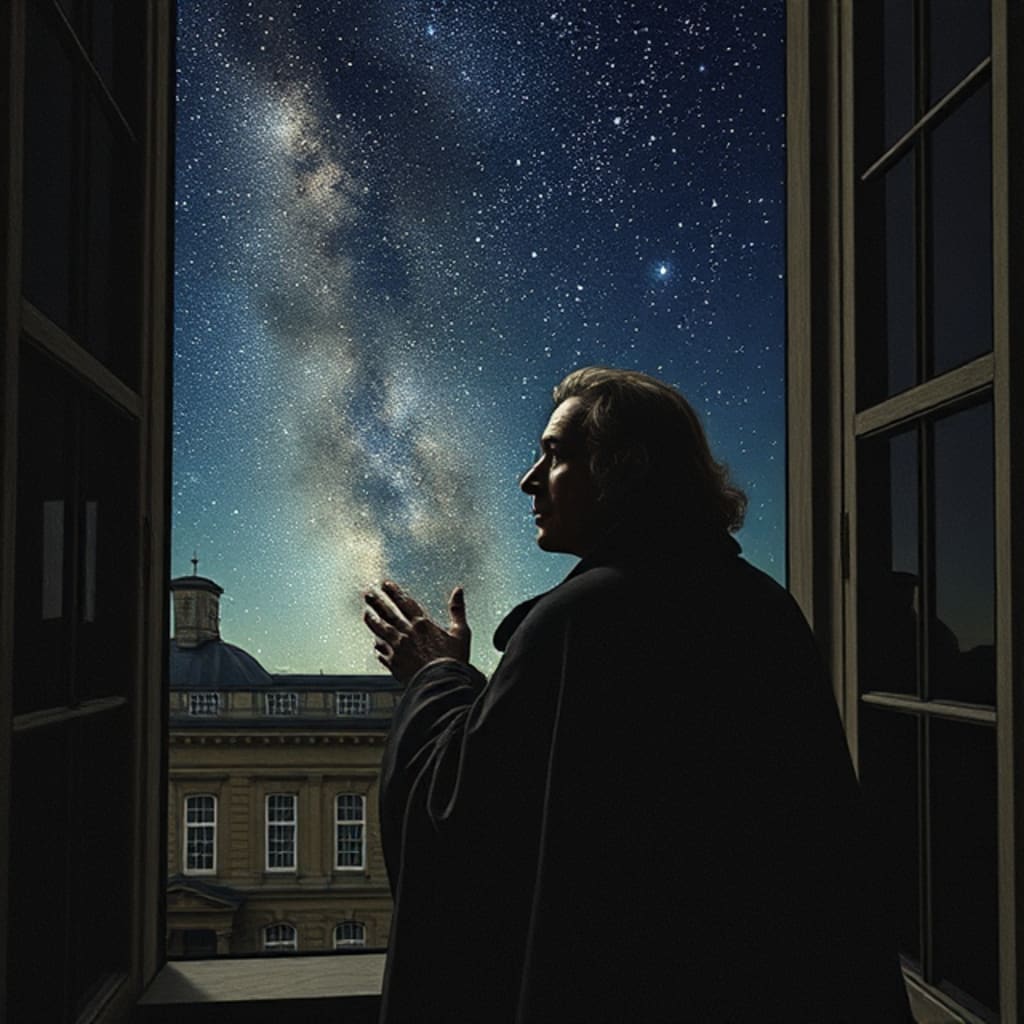
Benedict de Spinoza, a 17th-century Dutch philosopher, is celebrated as one of the greatest rationalists of the Enlightenment. His profound insights into human nature, ethics, and the universe remain remarkably relevant in our modern lives. Through his magnum opus, Ethics, Spinoza challenges us to rethink our relationships with ourselves, others, and the world. Here are five transformative life lessons drawn from Spinoza's philosophy:
1. Embrace Reality as It Is
Spinoza’s philosophy is rooted in the idea that everything that exists is a part of God, or Nature. He believed that understanding the universe—its laws, its causes, and our place within it—is key to living a fulfilled life.
Lesson: Accept life’s events as part of a greater, interconnected whole. Instead of resisting reality, strive to understand it. Whether it's a challenging situation or a personal setback, viewing it as part of a broader context can bring clarity and peace.
Reflection: Next time you encounter difficulty, remind yourself that it’s part of a larger pattern. Consider journaling about how the situation fits into your broader journey to cultivate acceptance.
2. Master Your Emotions Through Understanding
Spinoza distinguished between "passive emotions" (which control us) and "active emotions" (which we control through understanding). He taught that by gaining knowledge of our emotions, we can transform destructive feelings like anger, fear, or envy into constructive states of mind.
Lesson: Self-awareness is the key to emotional freedom. When you feel overwhelmed by emotions, take a step back and analyze their causes. The more you understand why you feel a certain way, the less power those emotions have over you.
Practice: Develop a habit of mindfulness or meditation to better observe your emotional states. Over time, this practice can help you identify triggers and take constructive action.
3. Pursue the Joy of True Understanding
Spinoza believed that true happiness comes from intellectual and spiritual growth rather than fleeting pleasures. For him, understanding the world and aligning oneself with the truth leads to lasting joy.
Lesson: Prioritize personal growth and the pursuit of knowledge. Engage in activities that nurture your curiosity and expand your perspective, whether through reading, conversations, or exploring new ideas. Joy lies not in possessions but in understanding.
Inspiration: Reflect on moments when learning something new brought you joy or a sense of fulfillment. Commit to fostering that curiosity in your daily life.
4. Cultivate Inner Freedom
Spinoza argued that true freedom is not the ability to do whatever we want but the ability to act according to our rational understanding of what is good. This means freeing ourselves from the control of external forces and irrational desires.
Lesson: Seek to align your actions with your values and reason. True freedom comes from living authentically, guided by your understanding of what truly matters, rather than being swayed by societal expectations or impulsive desires.
Action Step: Write down your core values and compare them with how you currently live. Identify areas where you can act more in alignment with your principles.
5. Recognize the Interconnectedness of All Things
One of Spinoza's most profound teachings is that all things are interconnected as expressions of the same underlying reality. This perspective fosters humility, compassion, and a sense of unity with others and the natural world.
Lesson: See yourself as part of a larger whole. Cultivate empathy and compassion, recognizing that everyone and everything is interconnected. By appreciating the oneness of existence, you can approach life with greater harmony and understanding.
Daily Practice: Spend time in nature or engage in community activities to feel a deeper connection with the world around you. Reflect on how your actions impact others and the environment.
Final Thoughts
Spinoza’s philosophy offers a roadmap for a life of reason, understanding, and joy. By embracing his lessons, we can learn to navigate life with greater clarity, emotional balance, and a profound sense of purpose. In a world filled with distractions and uncertainties, Spinoza reminds us to return to the fundamentals: understanding ourselves, our emotions, and our place in the vast web of existence. As he himself wrote, "The more we understand individual things, the more we understand God."
Spinoza’s ideas challenge us to not only think deeply but to live deliberately. His wisdom invites us to look beyond the superficial and embrace the transformative power of understanding, compassion, and connection.
About the Creator
Fred Bradford
Philosophy, for me, is not just an intellectual pursuit but a way to continuously grow, question, and connect with others on a deeper level. By reflecting on ideas we challenge how we see the world and our place in it.
Keep reading
More stories from Fred Bradford and writers in Art and other communities.
5 Life Lessons from Laozi
Laozi (also spelled Lao Tzu), the legendary Chinese philosopher and founder of Taoism, is best known as the author of the Tao Te Ching, a profound and poetic text that explores the nature of existence, harmony, and the path to wisdom. Though Laozi lived over 2,500 years ago, his teachings remain remarkably relevant today. Here are five timeless life lessons we can learn from Laozi and how they can guide us in navigating the complexities of modern life.
By Fred Bradford12 months ago in Art
What Is A5 Service on Mercedes and When Do You Need It?
If you’re a Mercedes‑Benz owner, you’ve likely seen a maintenance message pop up on your dashboard — perhaps showing something like “Service A5 due”. But what exactly is a5 service on Mercedes, why it matters, what it includes, and how much it costs? This complete, easy‑to‑understand guide answers all those questions so you can keep your luxury vehicle running smoothly and avoid costly repairs down the road.
By Vincent Otiri3 days ago in Art




Comments (1)
Benedict de Spinoza Sounds amazing! I would have been interested to meet him, if only I still lived on Earth. Great work!