
What I Learned from The Catcher in the Rye by J.D. Salinger
What I Learned from The Catcher in the Rye by J.D. Salinger

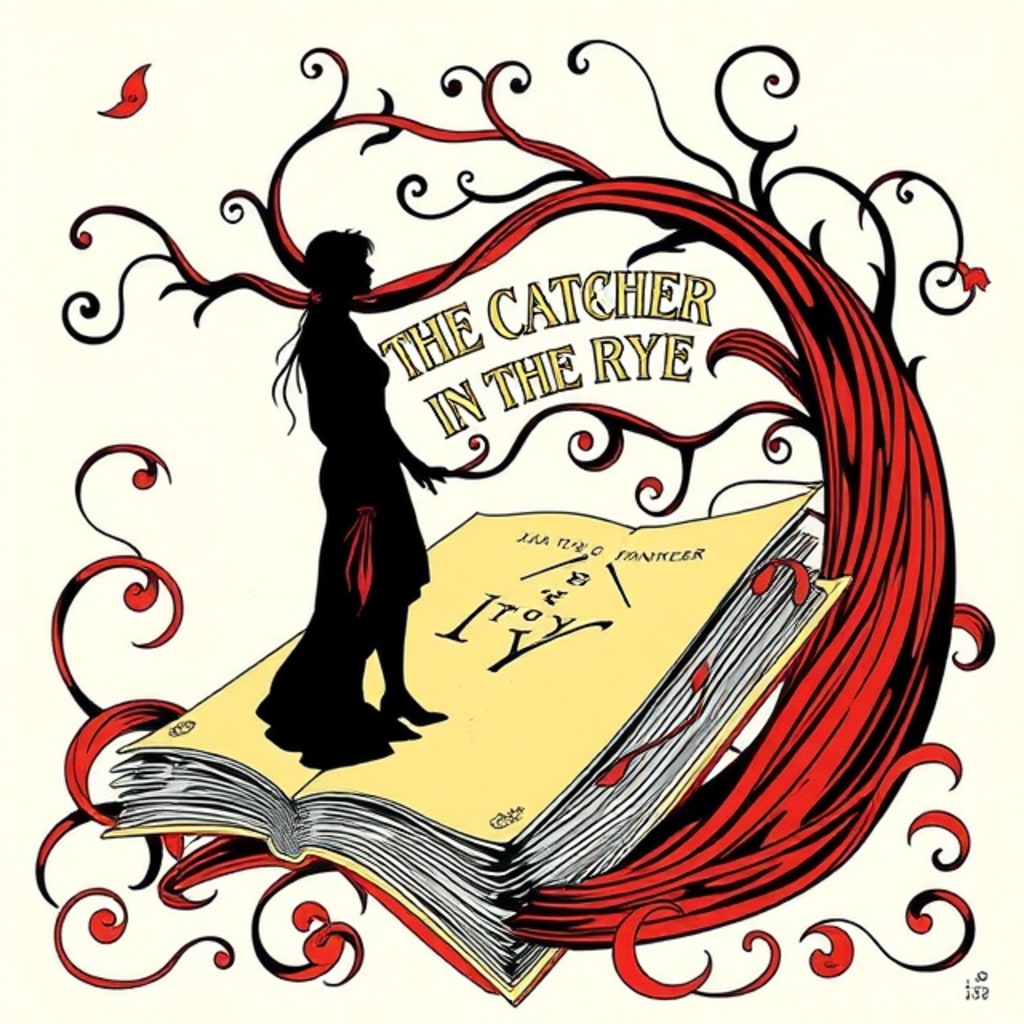
J.D. Salinger's The Catcher in the Rye is one of the most revered—and controversial—novels of the 20th century. With its unforgettable protagonist, Holden Caulfield, the book offers a window into the turbulence of adolescence, capturing the confusion, pain, and searching that come with growing up. As I delved into Holden’s world, I was struck not just by his rebellion and cynicism, but by the deep themes that resonate across generations. Here’s what I learned from reading this iconic novel.
The Struggle of Adolescence Is Universal
Holden Caulfield’s internal battle is painfully relatable. At just 16, Holden feels out of place, disconnected from the world around him. His frustration with the "phoniness" of adults and his inability to fit in reflect the universal struggle of adolescence. It's a time of questioning, self-doubt, and trying to find where one fits in a world that seems far too complex and unforgiving. As Holden drifts through New York, trying to make sense of it all, I couldn’t help but see echoes of my own adolescent years in his quest for meaning and identity.
Authenticity is a Rare and Precious Thing
One of Holden’s most consistent complaints is the "phoniness" he sees in the world around him. He mocks the adults in his life, accusing them of being insincere and fake, even though he, too, struggles with his own contradictions. This idealization of authenticity left me reflecting on how often we hide behind facades in a world that pressures us to conform. Holden’s yearning for genuine, unvarnished connection reminds me of how rare, yet valuable, it is to find people and moments that are real, unfiltered, and true to oneself.
Grief and Loss Can Shape Who We Are
The shadow of grief looms large over Holden throughout the novel. The death of his younger brother, Allie, remains his deepest wound, one that he never fully processes. His inability to cope with the loss manifests in his deep cynicism and emotional instability. I learned that loss doesn’t just fade over time—it shapes how we view the world, how we connect with others, and how we see ourselves. Holden’s pain is a raw reminder that unresolved grief can haunt us and alter the course of our lives, if we don’t confront it.
The Desire to Protect Innocence
Holden’s dream of being the "catcher in the rye," saving children from falling off a cliff, symbolizes his desire to preserve innocence. For Holden, the world of adults represents a loss of purity, something he yearns to shield others from. This reflects a universal desire to protect innocence—whether it’s the innocence of childhood or the innocence of those we love. It makes me reflect on how we, as individuals, try to protect the people we care about from the harshness of reality, even if we can’t always shield ourselves.
Isolation Is Both a Curse and a Choice
Throughout The Catcher in the Rye, Holden isolates himself from the world. He distances himself from friends, family, and even his peers, preferring to exist in a state of separation and rebellion. At times, this isolation feels like a necessary shield against a world he feels he can't trust. But it also leaves him alone, drowning in his own thoughts and anxieties. Holden’s story is a painful illustration of how isolating oneself in response to feeling misunderstood or hurt only deepens loneliness. It was a stark reminder that while it’s natural to want space, too much isolation can lead to self-destruction.
Mental Health Deserves Compassion and Attention
Holden’s emotional turmoil and decline in mental health are central to the novel. His depression, anxiety, and suicidal thoughts are portrayed with unflinching honesty, which was revolutionary at the time the book was published. The Catcher in the Rye taught me the importance of acknowledging mental health struggles—not only in others but in ourselves as well. Holden’s breakdown is not just a tragic narrative; it’s a call to recognize that emotional pain is real and deserving of attention. His journey underscores how the stigma surrounding mental health can prevent individuals from seeking the help they need.
Growing Up Is Inevitable, But It Doesn’t Have to Be Easy
Holden’s deepest conflict is his resistance to growing up. He wants to hold onto childhood innocence and avoid the complexities of adulthood. Yet, as the novel progresses, it becomes clear that growing up is an inevitable part of life. The Catcher in the Rye doesn’t shy away from the difficulties of this transition. Instead, it invites readers to reflect on how we can navigate the shift from youth to adulthood. While it’s tempting to resist change, the novel suggests that embracing it—despite its challenges—is a necessary part of finding meaning and purpose in life.
The Power of Language and Expression
One of the most distinctive aspects of The Catcher in the Rye is Holden’s voice. His sarcasm, humor, and colloquial language create a deeply personal connection with the reader. Holden speaks in a way that feels both rebellious and vulnerable, making his emotional journey all the more powerful. Through his words, Salinger reminds us of the power of language to express complex emotions and thoughts. Holden’s storytelling style, though flawed and disjointed, is a testament to the human need to communicate and share our experiences, no matter how raw or imperfect.
Conclusion
The Catcher in the Rye is more than just a coming-of-age story; it’s a profound exploration of what it means to be human. Through Holden Caulfield’s eyes, I learned about the struggles of adolescence, the pain of grief, the importance of authenticity, and the complexities of growing up. Salinger’s novel continues to be relevant because it addresses universal themes that resonate across time and culture. While Holden’s journey is marked by confusion and rebellion, it also serves as a reminder that we are all, in some way, searching for meaning and connection in an often chaotic world.
About the Creator
Fred Bradford
Philosophy, for me, is not just an intellectual pursuit but a way to continuously grow, question, and connect with others on a deeper level. By reflecting on ideas we challenge how we see the world and our place in it.
Keep reading
More stories from Fred Bradford and writers in BookClub and other communities.
What I Learned from The Road by Cormac McCarthy
Cormac McCarthy’s The Road is a harrowing tale set in a post-apocalyptic wasteland, where a father and son traverse a bleak and barren landscape, searching for safety, sustenance, and meaning amidst unimaginable despair. At its core, it is not merely a story of survival, but a profound meditation on love, resilience, and the enduring spark of humanity. Reading this novel left an indelible mark on me, teaching lessons that resonate far beyond its grim setting.
By Fred Bradford12 months ago in BookClub
My New Book is Finally Here
My poetry collection Beautiful and Brutal Things is done. It's actually done and finally published over 270 pages. Over a year of my life went into this book. More than a year, really. Long days at my computer, sometimes seven days a week because I couldn't stop even when I probably should have. Then two months of editing that felt harder than the writing itself. But it's finished, and I'm still standing, and the book is real.
By Tim Carmichaela day ago in BookClub
The Necklace of Aphrodite
The Necklace of Aphrodite The Greek gods were supernatural beings of immense power, worshipped by the ancient inhabitants of Greece. They were conceived in human form and symbolized the fears and desires of mankind. They ruled the forces of nature, guided the sky, the earth, the sun, the rivers, the sea, the stars, the wind… and so forth.
By Gladys Isabelabout an hour ago in BookClub




Comments
There are no comments for this story
Be the first to respond and start the conversation.