
Iran Crisis Deepens as Protests Spread to Over 100 Cities; Thousands Held
"Nationwide unrest grips Iran as thousands are detained and cities erupt in protest over economic hardship and political grievances"
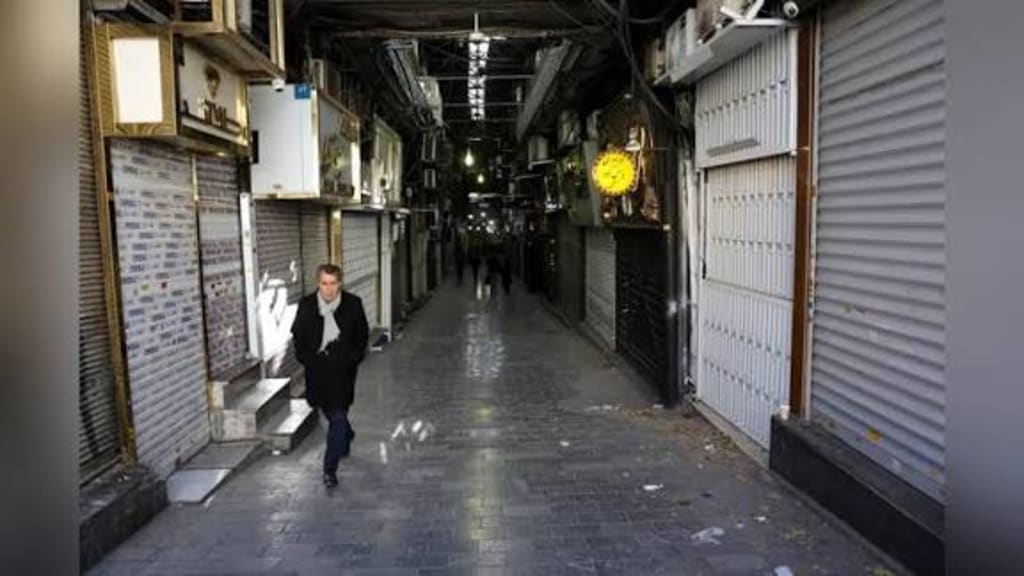
Iran is once again at the center of global attention as nationwide protests intensify, spreading to over 100 cities and towns across the country. The demonstrations, which began as a response to long-standing economic hardships and political grievances, have evolved into a broader challenge to the government’s authority. Reports indicate that thousands of protestors have been detained in recent days, raising concerns about human rights violations and the potential for a prolonged national crisis.
Roots of the Unrest
The current wave of protests in Iran reflects a combination of political, social, and economic pressures. Years of international sanctions have weakened the economy, leading to rising unemployment, inflation, and a decline in living standards. Many Iranians, particularly the youth, feel disillusioned by the lack of political freedom and limited avenues for expressing dissent.
Additionally, the government’s strict policies on civil liberties, media censorship, and restrictions on women’s rights have fueled public anger. Demonstrators are demanding not only economic relief but also greater political accountability, transparency, and respect for basic human rights.
Scale and Spread of Protests
Unlike earlier localized demonstrations, the current protests have spread rapidly across Iran. Cities from Tehran and Isfahan to smaller towns in the north and south are reporting public gatherings, marches, and street demonstrations. Social media footage, despite heavy government censorship, shows large crowds chanting slogans, waving flags, and calling for systemic change.
The speed and scale of the protests suggest that the unrest taps into a deep-seated frustration among ordinary citizens. Analysts note that the movement’s spread to over 100 cities indicates a nationwide dissatisfaction that extends beyond any single issue or region.
Government Response and Crackdown
The Iranian authorities have responded with a combination of repression and limited concessions. Security forces have been deployed in major urban centers, often using tear gas, water cannons, and rubber bullets to disperse crowds. Reports from human rights organizations suggest that mass arrests are ongoing, with thousands of protestors detained in makeshift facilities and prisons.
Government officials have framed the protests as attempts by “foreign-backed elements” to destabilize the country. State media coverage emphasizes the role of external influence, portraying the demonstrations as threats to national security rather than expressions of legitimate grievances.
International human rights groups have criticized this approach, warning that the crackdown risks escalating tensions and could result in severe human rights violations. They have urged Iran to respect the right to peaceful assembly and to release detainees who have not committed serious crimes.
Economic Implications
The protests are occurring amid a fragile economic environment. Iran’s economy has been severely impacted by decades of sanctions, reduced oil exports, and mismanagement in certain sectors. Strikes, roadblocks, and disruptions caused by the unrest have further strained commerce, transportation, and daily life, potentially exacerbating the economic crisis.
Investors and regional neighbors are closely monitoring the situation, concerned that prolonged instability could affect trade, energy supply, and geopolitical dynamics in the Middle East.
Global and Regional Reactions
The international community has expressed concern over the escalating crisis. The United Nations and human rights organizations have called on Iran to ensure the safety of civilians and uphold international human rights standards. Countries in the region and beyond are also watching closely, recognizing that widespread unrest in Iran could have broader implications for regional security, diplomacy, and refugee flows.
Some world powers have condemned the government’s heavy-handed tactics, urging restraint and dialogue, while others remain cautious in their statements, wary of being seen as interfering in Iran’s domestic affairs.
Voices from the Ground
Eyewitness accounts reveal the courage and determination of protestors despite the risks of arrest or violence. Citizens report marching in streets even under heavy police presence, sharing messages on social media to draw international attention, and organizing support networks for those detained. Many young Iranians express frustration over generational grievances, seeking not only economic opportunity but also political freedom and social justice.
Looking Ahead
The future of Iran’s protests remains uncertain. Analysts suggest that without meaningful political reform, economic relief, or dialogue with protestors, unrest is likely to persist. The government faces a delicate balancing act: suppressing dissent to maintain control while avoiding actions that could further inflame public anger or provoke international condemnation.
The next few weeks are likely to be critical. The outcome will shape Iran’s domestic stability, its relations with global powers, and the broader perception of human rights and governance in the country.
Conclusion
Iran’s unfolding crisis highlights the growing tensions between citizens demanding change and a government determined to maintain control. With protests spreading to over 100 cities and thousands detained, the situation underscores the fragility of civil liberties and the risks of escalating violence. The international community, while limited in direct influence, continues to call for restraint, transparency, and dialogue.
As Iranians continue to voice their grievances, the world watches, aware that the outcome of these protests could have far-reaching implications for regional stability, economic conditions, and the future of civic freedom in one of the Middle East’s most strategically significant countries
About the Creator
Keep reading
More stories from Fiazahmedbrohi and writers in The Swamp and other communities.
Right to Protest Under Threat in England and Wales, Reports Warn
A growing number of reports and analyses have raised alarms about the erosion of the right to protest in England and Wales, suggesting that legislative and policing measures are increasingly restricting citizens’ ability to engage in public demonstrations. Advocates for civil liberties warn that these changes not only undermine democratic participation but also risk creating a chilling effect on political activism and public dissent. New Laws and Restrictions The focus of concern centers on recent legislation and guidance affecting public demonstrations. In particular, the Police, Crime, Sentencing and Courts Act and associated regulations have expanded police powers in ways that critics argue curtail lawful protest. These measures give law enforcement greater authority to impose conditions on gatherings, issue dispersal orders, and arrest individuals for offenses that previously would not have warranted intervention. Under the current framework, protests can be restricted for reasons including the risk of public disorder, potential disruption to traffic, or impacts on local businesses. While authorities maintain that these powers are necessary to balance public safety with the right to demonstrate, civil liberties organizations contend that the threshold for intervention is too low, enabling disproportionate action against peaceful activists. Impact on Activism The consequences for grassroots movements and social campaigns are significant. Climate activists, anti-racism campaigners, and other advocacy groups have reported instances where demonstrations were curtailed, permits denied, or participants arrested for minor infractions. Some organizers have expressed concern that these restrictions force them to scale back planned actions or abandon public events entirely. Legal experts note that such constraints may have long-term implications for democratic engagement. When citizens feel that their ability to express dissent is limited, it erodes trust in public institutions and reduces the visibility of critical issues that demand societal attention. Policing Practices Under Scrutiny Reports also highlight concerns about policing practices during demonstrations. While the majority of protests proceed peacefully, there have been repeated instances of heavy-handed tactics, including the use of kettling, stop-and-search measures, and aggressive dispersal orders. Critics argue that these practices disproportionately affect younger participants and marginalized communities, raising questions about equality before the law. Civil liberties organizations emphasize that effective policing should protect both public safety and the rights of protestors. They caution that current approaches may prioritize control over dialogue, undermining the essential democratic principle of free expression. International Comparisons England and Wales are not unique in facing tensions between security measures and civil liberties. Around the world, governments have grappled with balancing public order with the right to protest. However, observers point out that increasingly restrictive laws risk placing England and Wales alongside jurisdictions where civic freedoms are curtailed, potentially impacting the country’s international reputation on human rights. The United Nations and other global watchdogs have repeatedly underscored that peaceful assembly is a cornerstone of democracy. Any erosion of this right, even under the guise of public safety, is viewed as a warning signal of democratic backsliding. Voices from the Frontlines Activists and legal advocates have been vocal in highlighting the human impact of these changes. Many describe a climate of fear and uncertainty surrounding public demonstrations. For example, community organizers report increased anxiety about fines, arrests, or legal challenges, even when events are conducted lawfully. Some protestors have resorted to creative methods, such as virtual campaigns, flash mobs, or socially distanced gatherings, to circumvent restrictions. While these strategies allow activism to continue, they also reflect the limitations imposed by current legislation. The Debate Over Public Safety vs. Civil Liberties Government officials argue that the expanded powers are necessary to maintain order and protect citizens from disruption or harm. They point to incidents where protests have caused traffic chaos, blocked emergency services, or escalated into confrontations with counter-demonstrators. Nevertheless, civil rights advocates insist that public safety and civil liberties are not mutually exclusive. They call for reforms that uphold the right to protest while allowing authorities to address legitimate risks through proportionate, evidence-based measures. Looking Ahead The ongoing debate over protest rights in England and Wales is far from settled. As new reports shed light on restrictions and their effects, policymakers face growing pressure to strike a balance between security and freedom. Legal challenges, parliamentary scrutiny, and international attention may influence future reforms, with the potential to either strengthen or further limit the ability of citizens to engage in peaceful dissent. Conclusion Reports warning of attacks on the right to protest highlight a critical issue at the heart of democratic society. While governments must maintain public order, safeguarding civil liberties is essential to ensuring that citizens can voice opinions, challenge authority, and advocate for change. In England and Wales, the right to protest faces unprecedented scrutiny, and the outcome of this debate will shape the nature of civic engagement for years to come.
By Fiazahmedbrohi 4 days ago in The Swamp
HMRC Hits 300,000 Taxpayers With “Trivial” Bills — Why Small Tax Errors Are Becoming a Big Problem
Thousands of people across the UK were surprised — and in many cases frustrated — after receiving unexpected letters from HMRC demanding payment for what many are calling “trivial” tax bills. According to recent reports, around 300,000 taxpayers have been contacted by HM Revenue & Customs over small underpayments, some as low as just a few pounds. While the amounts may seem minor, the impact has been anything but small.
By Waqar Khan5 days ago in The Swamp


Comments
There are no comments for this story
Be the first to respond and start the conversation.