
Another Russian Shadow Fleet Oil Tanker Runs Into Difficulties
Mechanical Issues Highlight Risks in Russia’s Sanction-Evasion Oil Network

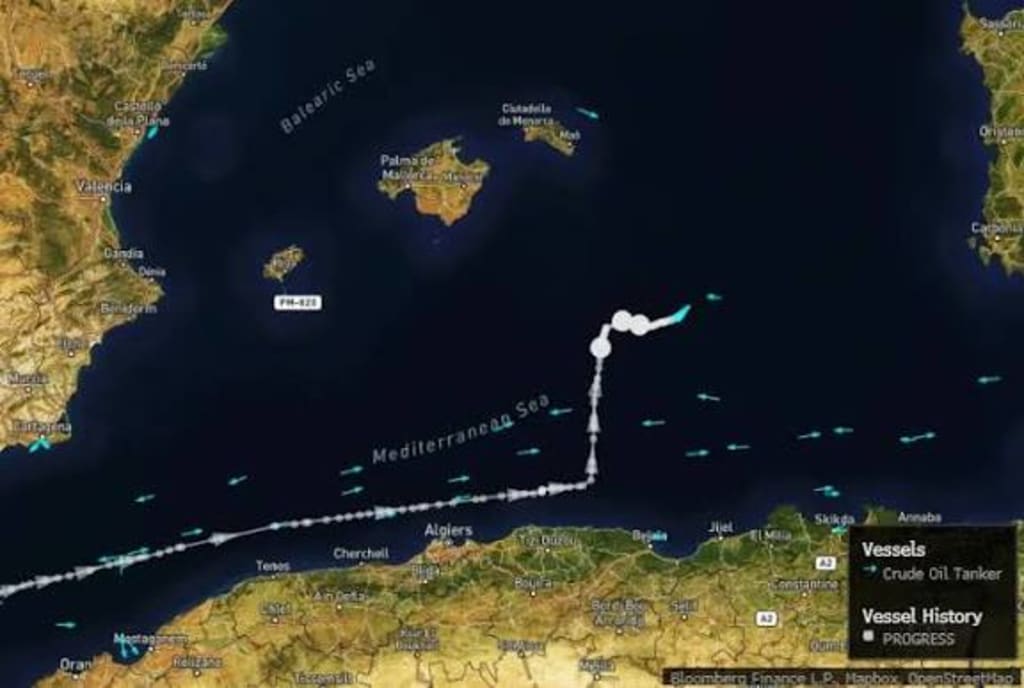
Another Russian shadow fleet oil tanker has reportedly run into difficulties, raising concerns about the challenges of operating sanctioned vessels amid growing international scrutiny. The tanker, part of a network designed to circumvent sanctions on Russian oil exports, encountered mechanical issues that temporarily halted its journey, highlighting the logistical risks faced by the so-called “shadow fleet.”
This incident comes amid heightened efforts by Western nations to monitor, track, and enforce sanctions on Russian energy shipments, a key component of economic pressure related to the ongoing conflict in Ukraine.
What Is the Russian Shadow Fleet?
The term “shadow fleet” refers to tanker vessels used by Russia to move oil and fuel despite sanctions. These ships often:
Change names and flags to obscure ownership
Use indirect routes to avoid detection
Employ intermediaries for sales and insurance
The shadow fleet has allowed Russia to continue exporting oil to some markets, despite restrictions imposed by the United States, European Union, and other allied countries.
Recent Incident
The latest tanker, which analysts say belongs to the shadow fleet, ran into mechanical and navigation difficulties while crossing a major international shipping lane. Reports indicate that the ship had to halt operations temporarily and was awaiting technical assistance.
While no environmental damage or major oil spills have been reported, authorities warn that even minor mechanical failures can escalate into significant disruptions, particularly for ships operating under complex and opaque conditions.
Sanctions and Enforcement Challenges
Western governments have imposed strict sanctions on Russian oil exports to limit revenue for Moscow. However, enforcement is complicated due to:
Ships frequently changing names, registration, and routes
Difficulties in tracking vessels in international waters
Use of intermediaries or third-party companies for sales
This latest incident underscores the operational risks of running a shadow fleet, where technical failures can have financial, legal, and political consequences.
Economic Implications
The shadow fleet plays a key role in Russia’s energy exports, which generate significant revenue for the country. When ships face difficulties, several issues arise:
Delivery delays can disrupt contracts with buyers
Insurance and shipping costs can rise significantly
The incident may attract international attention, increasing the risk of further scrutiny or seizure
Experts note that repeated disruptions may weaken the shadow fleet’s reliability, making global buyers wary of depending on these vessels.
Geopolitical Considerations
The movement and operation of shadow fleet tankers have geopolitical consequences. Western nations see them as tools to bypass sanctions, while Russia views them as essential for economic stability.
Analysts suggest that incidents like this can:
Provide leverage for Western enforcement agencies to track and monitor vessels
Highlight vulnerabilities in Russia’s energy export network
Increase pressure on Russian companies to invest in maintenance and secrecy
The situation also demonstrates the high-stakes game of sanctions evasion, where a single mechanical failure can have ripple effects across global oil markets.
Environmental and Safety Risks
Shadow fleet tankers often operate under stretched resources and minimal oversight, which can lead to safety and environmental hazards. Mechanical failures, collisions, or improper handling of oil cargo can:
Lead to oil spills
Threaten marine ecosystems
Endanger crew members
International maritime organizations stress the importance of monitoring all tanker traffic, especially vessels with unclear ownership or questionable registration.
Industry Response
Shipping industry experts are closely watching the incident. They note that:
Shadow fleet operations rely heavily on risk management and secrecy
Mechanical issues can jeopardize cargo and insurance claims
Some international insurers may refuse to cover sanctioned vessels, increasing the financial stakes
Analysts suggest that repeated operational difficulties could force Russia to rethink its shadow fleet strategy, including better maintenance, tracking, or alternative shipping methods.
Public and Media Reaction
Media outlets tracking the shadow fleet have emphasized the dramatic risks of running vessels in high-traffic shipping lanes while avoiding sanctions.
Commentators point out that these ships operate in a legal gray area, creating tension between economic interests and international law. Public attention is likely to focus on whether sanctions enforcement will become more effective as shadow fleet vessels face repeated difficulties.
Looking Ahead
Authorities and analysts predict that shadow fleet vessels will continue to operate under high pressure, with frequent mechanical, legal, and logistical challenges. Key developments to watch include:
New mechanical or navigational incidents
Seizures or fines imposed by international authorities
Changes in shipping routes or tactics by Russian operators
Global oil market impacts due to delayed deliveries
The ongoing shadow fleet operations illustrate the complex intersection of sanctions, international trade, and maritime law.
Conclusion
The recent difficulties faced by another Russian shadow fleet tanker highlight the risks and challenges of evading international sanctions. While Russia continues to rely on these vessels to maintain oil exports, mechanical failures, legal scrutiny, and operational hazards threaten their effectiveness.
The incident underscores the broader issues of sanctions enforcement, maritime safety, and geopolitical tension, showing that even highly secretive operations are vulnerable to disruption. As the shadow fleet continues to operate, the world will be watching to see how these vessels navigate both physical and regulatory obstacles.
About the Creator
Fiaz Ahmed
I am Fiaz Ahmed. I am a passionate writer. I love covering trending topics and breaking news. With a sharp eye for what’s happening around the world, and crafts timely and engaging stories that keep readers informed and updated.
Keep reading
More stories from Fiaz Ahmed and writers in The Swamp and other communities.
Death Toll in Pakistan Shopping Plaza Fire Rises to 67, Officials Say
A devastating fire at a shopping plaza in Pakistan has claimed at least 67 lives, according to officials, marking one of the deadliest urban fire incidents in recent years. The tragedy has sent shockwaves across the country, raising urgent questions about building safety, emergency preparedness, and regulatory enforcement. As rescue operations concluded, authorities confirmed that dozens of victims were trapped inside the building when the fire spread rapidly, leaving little chance for escape. What Happened? The fire broke out in a multi-story shopping plaza located in a busy commercial area. According to initial reports, flames erupted suddenly and spread quickly through the structure, fueled by flammable materials, blocked exits, and poor ventilation. Eyewitnesses described scenes of panic as shoppers and workers attempted to flee. Thick smoke filled corridors, making visibility nearly impossible. Many people were unable to escape due to locked stairwells, narrow passages, and the absence of proper fire exits. Emergency services were alerted, but by the time firefighters reached the scene, the fire had already engulfed large parts of the building. Rescue Efforts and Challenges Firefighters battled the blaze for several hours. Rescue teams used ladders and heavy equipment to reach upper floors, while ambulances transported the injured to nearby hospitals. However, officials admitted that rescue operations were severely hampered by: Lack of functional fire alarms Absence of emergency staircases Overcrowded interior spaces Vehicles blocking access routes for fire engines Many victims were found unconscious due to smoke inhalation, while others suffered severe burns. Rising Death Toll Initially, authorities reported a lower number of casualties. As search operations continued and debris was cleared, the death toll steadily rose to 67, with officials warning that the number could increase if critically injured victims fail to recover. Hospitals remain overwhelmed, treating dozens of injured survivors. Doctors say many patients are in critical condition, suffering from respiratory damage and extensive burns. Grief and Anger Among Families Outside hospitals and morgues, scenes of grief unfolded as families waited for news of missing loved ones. Many expressed anger and frustration, blaming negligence and poor safety standards for the tragedy. Relatives accused building owners and authorities of ignoring repeated warnings about safety violations. Some survivors claimed there were no visible fire extinguishers or evacuation signs inside the plaza. For many families, the fire has resulted in sudden loss of breadwinners, leaving them facing emotional and financial hardship. Official Response Government officials and local administrators visited the site and hospitals following the incident. Condolences were offered to victims’ families, and promises were made to investigate the cause of the fire thoroughly. Authorities announced: Formation of an inquiry committee Temporary closure of nearby commercial buildings Review of fire safety compliance in similar structures Officials also stated that those found responsible for negligence would face strict legal action. A Pattern of Negligence This tragedy is not an isolated incident. Pakistan has witnessed several deadly fires in commercial buildings over the years. Experts say these disasters often share common causes: Outdated building codes Weak enforcement of safety regulations Unauthorized modifications to buildings Lack of emergency training for staff Despite laws requiring fire safety measures, many buildings operate without compliance, putting lives at risk. Calls for Reform Following the fire, safety experts and civil society groups have renewed calls for urgent reform. They argue that reactive measures after disasters are not enough. Proposed reforms include: Mandatory fire safety inspections Severe penalties for violations Public awareness campaigns Installation of fire alarms and sprinkler systems Regular emergency drills Urban planners stress that protecting human life must take priority over commercial profit. Survivors Share Their Stories Survivors of the blaze have shared harrowing accounts of their escape. One individual described crawling through smoke-filled corridors, while another said they jumped from a lower floor to survive. Many survivors said they were unaware of any emergency procedures, highlighting a lack of basic safety education in public spaces. Their stories have fueled public outrage and intensified demands for accountability. National Reflection The shopping plaza fire has sparked a national conversation about urban safety and governance. Citizens are questioning how such tragedies continue to occur despite previous warnings and loss of life. Social media platforms are filled with messages demanding justice, transparency, and reform. Many believe that without meaningful action, similar disasters are bound to happen again. Conclusion The rise in the death toll to 67 in Pakistan’s shopping plaza fire is a painful reminder of the cost of negligence. Beyond the numbers are human lives—parents, children, workers—lost in a tragedy that many believe could have been prevented. As investigations continue, the country faces a critical moment. Whether this disaster leads to real change or becomes another forgotten headline will depend on accountability, enforcement, and commitment to safety. For now, Pakistan mourns its dead, while families seek justice and hope that no one else will have to suffer such a devastating loss.
By Fiaz Ahmed 2 months ago in The Swamp
Parallel Protests
I haven't written for quite some time, but I have A LOT of thoughts about yesterday's protest rally against our government's involvement and complicity in America's war on Iran, on the harbourside of my home city Bristol, and I need to put them somewhere. My gorgeous girlfriend is always a loving and listening ear and sharing it all with her will always be a healthy and happy way of processing the mental and emotional weight, but getting it straight in my brain to share means writing it all down in straight lines, so, here we are and thanks for being here.
By Steph Cole8 days ago in The Swamp
Guard Your Battery
Why are some people so attractive just by standing there? It’s not because they are "likable," but because they don’t need everyone to like them. I realized later that truly charismatic people allow themselves to be criticized, but they never criticize themselves. They never try to please the world; instead, the world stops to watch them.
By Emily Chan - Life and love sharing7 days ago in Poets


Comments
There are no comments for this story
Be the first to respond and start the conversation.