
Russians Supplied with Chinese Radio Modems for Geran-5 Kamikaze Drones
Chinese radio technology boosts Russian drone capabilities, raising concerns among global defense analysts

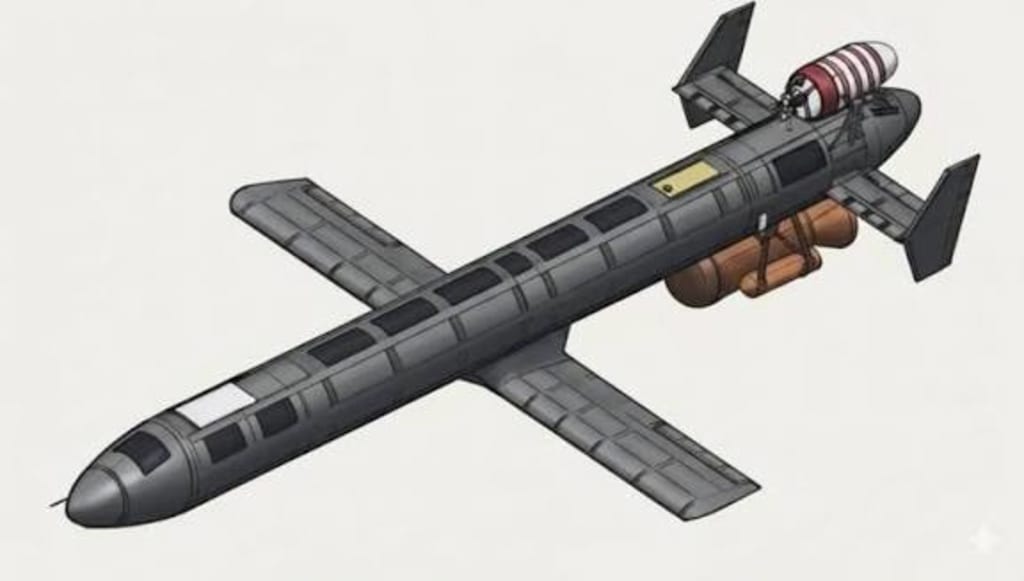
In a development that has raised eyebrows in military and strategic circles, reports indicate that Russian forces are now being supplied with Chinese-made radio modems to enhance the capabilities of their Geran-5 kamikaze drones. The move represents a significant technological boost for Russia’s unmanned aerial operations and highlights the increasingly complex web of international military cooperation—even in conflicts already under intense global scrutiny.
The Geran-5 drone, known for its long-range, precision-strike capabilities, has been a centerpiece of Russia’s unmanned warfare strategy. Integrating Chinese radio modems could dramatically increase both its control range and reliability, potentially altering tactical dynamics on the battlefield.
What Are Geran-5 Kamikaze Drones?
The Geran-5, often described as a loitering munition or “kamikaze drone,” is designed to locate and destroy high-value targets by diving into them, sacrificing itself in the process. Its design emphasizes:
Long-range operation
Autonomous navigation with remote guidance
Cost-effectiveness compared to traditional airstrikes
While not as sophisticated as some Western-made drones, the Geran-5 has proven effective in conflicts where flexibility and mass deployment matter more than cutting-edge stealth or survivability.
The addition of Chinese radio modems could improve real-time command and control, making these drones more precise and harder to jam.
Chinese Radio Modems: A Game-Changer?
Radio modems are a type of communication technology that enables drones to:
Maintain stable links over long distances
Receive updated coordinates and target data
Operate reliably in areas with electronic interference
By supplying Russian forces with these devices, China is providing a critical technological enhancement without directly supplying drones themselves. This allows Russian forces to extend operational reach while maintaining flexibility in ongoing military operations.
Military analysts suggest that such a boost could increase the effective range of Geran-5 drones by tens of kilometers and improve their resistance to electronic countermeasures.
Strategic Implications of the Supply
The provision of Chinese radio modems to Russian forces carries multiple implications:
Enhanced Russian UAV Capabilities:
The Geran-5 has often been limited by communications range and susceptibility to jamming. Chinese modems may mitigate these limitations, allowing drones to operate in contested areas more effectively.
Geopolitical Signaling:
While China has officially maintained a neutral stance on some global conflicts, this type of military technology supply sends a subtle signal of support to Russia without openly breaching international arms regulations.
Shift in Electronic Warfare Dynamics:
Ukrainian forces and their allies may now face more robust electronic and signal-based threats, complicating defense strategies against drones that were previously easier to jam or mislead.
Past Performance and Lessons Learned
The Geran-5 has already seen deployment in conflict zones, demonstrating both strengths and weaknesses:
Strengths: Cheap to produce, simple to operate, and capable of causing disruption.
Weaknesses: Limited autonomy, vulnerable to electronic warfare, and dependent on communication links for precision strikes.
With Chinese radio modems, several of these weaknesses could be addressed, potentially allowing Russia to conduct more coordinated and precise drone attacks.
Global Reactions and Concerns
International observers are closely monitoring this development. Experts warn that the integration of foreign technology into military systems during active conflicts raises serious proliferation and escalation concerns.
For defense analysts in Europe and North America, the situation highlights:
How drone technology is becoming globally accessible
The risk of regional conflicts being intensified by foreign-supplied electronics
The need for counter-UAV strategies to adapt to more advanced systems
While no official confirmations have come from Moscow or Beijing, the reports have sparked debate over the ethics and legality of supplying such technology in active conflict zones.
Conclusion: Technology Meets Modern Warfare
The reported supply of Chinese radio modems to Russian forces for Geran-5 drones underscores a larger trend in modern warfare: technological upgrades can dramatically alter the battlefield without the need for new platforms.
Drones like the Geran-5, once considered limited in capability, can become significantly more effective with relatively small technological interventions. Meanwhile, the geopolitical implications are equally significant, illustrating how global alliances and covert support networks influence modern conflicts.
As both sides in the conflict continue to adapt, analysts will be watching closely to see how this technological boost affects operational outcomes—and whether it spurs new innovations or countermeasures in the increasingly drone-centric battlespaces of the 21st century.
About the Creator
Fiaz Ahmed
I am Fiaz Ahmed. I am a passionate writer. I love covering trending topics and breaking news. With a sharp eye for what’s happening around the world, and crafts timely and engaging stories that keep readers informed and updated.
Keep reading
More stories from Fiaz Ahmed and writers in FYI and other communities.
Minister Told Armoured Vehicle Which Left Soldiers Vomiting Was ‘Safe’
A growing controversy has erupted after revelations that a government minister was assured an armoured military vehicle was “safe”, despite reports that soldiers using it later suffered severe nausea, dizziness, and vomiting. The incident has sparked serious questions about military oversight, equipment testing, and whether frontline troops are being adequately protected by those responsible for their safety. As details continue to emerge, the issue has become a flashpoint in debates over accountability within defence procurement and soldier welfare. What Happened Inside the Vehicle According to reports, the armoured vehicle was deployed during routine military operations and training exercises. Soon after extended use, multiple soldiers began experiencing intense physical reactions, including vomiting, headaches, and disorientation. Medical evaluations suggested that the symptoms were consistent with poor ventilation, exposure to fumes, or mechanical issues inside the vehicle’s sealed environment. In armoured vehicles designed to protect occupants from external threats, airflow and internal safety systems are critical—and failures can quickly become dangerous. Despite these warning signs, the vehicle had reportedly been cleared for use following assurances provided to senior officials. Ministerial Assurance Under Scrutiny At the heart of the controversy is the claim that a minister responsible for defence matters was told the vehicle posed no safety risk. This assurance reportedly influenced the decision to continue deployment without immediate suspension or further investigation. Critics argue that this raises troubling questions: Were safety reports properly reviewed? Were soldiers’ complaints taken seriously? Did bureaucratic pressure outweigh on-the-ground realities? Opposition figures and military advocates have called for transparency, demanding to know who approved the vehicle, what data was used to declare it safe, and whether warnings were ignored. The Human Cost for Soldiers For serving personnel, the issue goes beyond politics. Soldiers trust that the equipment they are issued has been thoroughly tested and meets strict safety standards. When that trust is shaken, morale and confidence suffer. Several affected soldiers reportedly required medical attention, and some expressed frustration that their symptoms were initially dismissed as minor or unrelated. Military families and veterans’ groups have voiced anger, saying that troops already accept enormous risks—and avoidable equipment failures should never be one of them. Procurement and Testing Concerns The incident has reignited long-standing concerns over defence procurement processes. Modern military vehicles are complex systems, often developed through private contractors and approved through layers of bureaucracy. Experts note that problems can arise when: Testing conditions do not reflect real-world use Feedback from soldiers is delayed or filtered Cost or deadlines take priority over safety If early warning signs were overlooked in this case, it could indicate a broader systemic issue rather than an isolated error. Official Response and Calls for Investigation Following public backlash, officials have stated that the issue is being reviewed and that soldier safety remains a top priority. Some authorities have pledged to examine ventilation systems, internal sensors, and maintenance records for the vehicle. However, critics argue that internal reviews are not enough. There are growing calls for an independent investigation to determine: Whether the “safe” assessment was accurate Who provided the assurance to the minister Whether protocols were followed Without clear answers, confidence in military leadership risks further erosion. A Broader Debate on Accountability This incident highlights a recurring tension in defence policy: the gap between decision-makers and those directly affected by their decisions. When assurances made at high levels conflict with lived experiences on the ground, accountability becomes essential. Transparency advocates argue that admitting mistakes is not a weakness—but failing to address them is. For many observers, the key question is not just whether the vehicle was unsafe, but how warnings were handled once problems emerged. Conclusion: Safety Should Never Be Assumed The controversy surrounding the armoured vehicle serves as a stark reminder that safety cannot be declared—it must be proven, continuously tested, and reassessed. Soldiers rely on trust: trust in their equipment, their leadership, and the systems designed to protect them. When that trust is compromised, restoring it requires honesty, accountability, and meaningful reform. As investigations unfold, the outcome will likely shape future defence decisions and determine whether lessons are truly learned—or repeated.
By Fiaz Ahmed about 11 hours ago in FYI
A Failed Artist, A Disillusioned Poet, An Underpaid Game Show Host
I took my son and niece to Gori, a small town in Georgia where Joseph Stalin was born. They talked me into visiting the Stalin's Museum, the largest in the post-Soviet space. I had resisted going there because I just can't stand the monster and know enough about him, or so I thought.
By Lana V Lynx17 days ago in FYI
The Fall of the Iranian Regime Will Destroy Russia
A lot has been happening in the world of geopolitics lately. We’re not even three weeks into 2026, and we’ve already seen wars, bombings, regime changes, capitulations, and escalating unrest across multiple regions. The year has opened at full throttle, and one of the next countries that appears to be teetering on the edge is Iran.
By Lawrence Lease5 days ago in FYI


Comments
There are no comments for this story
Be the first to respond and start the conversation.