Faheem ullah
Stories (24)
Filter by community
full life details of Jeffrey Dahmer Cannibalism
Jeffrey Lionel Dahmer, infamously known as the "Milwaukee Cannibal" or "Milwaukee Monster," was one of America's most notorious serial killers. His life was a tragic confluence of deep-seated psychological disorders, profound isolation, and horrific violence that culminated in the murders of 17 young men and boys between 1978 and 1991.
By Faheem ullah6 months ago in Psyche
The 2025 Kamchatka Earthquake: A Magnitude 8.8 Megathrust Event and Its Global Ripples
On July 30, 2025, an extraordinary seismic event shook the Kamchatka Peninsula in Russia’s Far East, registering a magnitude of 8.8 on the Richter scale. This earthquake, one of the most powerful in recorded history, tied for the sixth-largest globally according to the United States Geological Survey (USGS). Its occurrence in a tectonically volatile region, coupled with its shallow depth and proximity to the Pacific Ocean, triggered widespread consequences, including tsunami waves, volcanic activity, and global alerts. This essay provides a comprehensive overview of the event, covering its geological context, immediate impacts, regional and global responses, and the scientific and societal implications, all within the requested 1000-word framework.
By Faheem ullah7 months ago in Earth
Exploring the Manga Artist's Eerie Predictions of Japan's Catastrophic Waves
Ryo Tatsuki (龍樹諒, Tatsuki Ryō) is a Japanese manga artist and self-described clairvoyant, best known for her 1999 manga *The Future I Saw* (*Watashi ga Mita Mirai*), which gained attention for its seemingly accurate predictions of real-world events. Below is a comprehensive overview of her life, career, and notable predictions based on available information.
By Faheem ullah7 months ago in Art
Fantastic Four (2015) Movie Review: A Flawed Reboot with Missed Potential
# **Fantastic Four (2015) Movie Review: A Flawed Reboot with Missed Potential** ## **Introduction** The *Fantastic Four* (2015) reboot, directed by Josh Trank, was intended to revitalize Marvel’s First Family for a new generation. Unfortunately, the film was met with overwhelmingly negative reviews, underperformed at the box office, and became one of the most criticized superhero movies of the decade. While it had potential with its darker, more grounded approach, the final product suffered from studio interference, a disjointed script, and lackluster execution. This review will analyze the film’s strengths and weaknesses, including its cast, storytelling, visual effects, and overall impact on the superhero genre.
By Faheem ullah8 months ago in Motivation
**Housefull 5: A Dual-Climax Comedy Extravaganza**
Housefull 5: A Chaotic Comedy with a Dual-Ending ExperimentSubtitle: Navigating the Madness and Murder Mystery of Bollywood’s Boldest Franchise InstallmentHousefull 5 (2025), directed by Tarun Mansukhani and produced by Sajid Nadiadwala, Warda Nadiadwala, and Firuzi Khan under Nadiadwala Grandson Entertainment, is the fifth installment of the wildly popular Housefull franchise, known for its slapstick humor and ensemble casts. Released on June 6, 2025, this Hindi-language comedy-thriller introduces a novel twist to Bollywood: two distinct versions, Housefull 5A and Housefull 5B, each featuring a different climax and murderer, a first for Indian cinema. Starring Akshay Kumar, Riteish Deshmukh, Abhishek Bachchan, and a sprawling ensemble including Sanjay Dutt, Fardeen Khan, Nana Patekar, and others, the film blends over-the-top comedy with a murder mystery set on a luxury cruise ship. Despite mixed reviews, its commercial success and innovative dual-ending strategy have sparked significant buzz. This 1000-word explanation delves into the plot, characters, themes, visual elements, critical reception, and cultural impact of Housefull 5, drawing on available web sources and posts on X for context. Plot SummaryHousefull 5 unfolds on a luxurious cruise ship owned by billionaire Ranjeet Dobriyal (played by veteran actor Ranjeet), who plans to celebrate his 100th birthday in grand style. However, tragedy strikes when Ranjeet dies just before the festivities, leaving behind a holographic will that declares his 69-billion-pound fortune will go to his son, Jolly, from his first wife, Shakuntala Devi. The twist? Three men on the cruise—Julius (Akshay Kumar), Jalabuddin (Riteish Deshmukh), and Jalbhushan (Abhishek Bachchan)—each claim to be the real Jolly, accompanied by their respective partners, Zara (Jacqueline Fernandez), Kaanchi (Sonam Bajwa), and Sasikala (Nargis Fakhri). The plot thickens when Dr. Aman Joshi, tasked with conducting a DNA test to identify the true Jolly, is brutally murdered, followed by the deaths of Bedi (the COO) and Captain Sameer, escalating the chaos into a full-blown murder mystery. As the cruise descends into pandemonium, a trio of eccentric police officers—Bhidu (Sanjay Dutt), Baba (Jackie Shroff), and Dhagdu Hulgund (Nana Patekar)—arrive to unravel the mystery. The ship’s key figures, including Maya (Chitrangada Singh, the CFO), Dev (Fardeen Khan, Ranjeet’s son from his second marriage), Aakhri Pasta (Chunky Pandey, the cook), Batuk Patel (Shreyas Talpade, security head), and Lucy (the lawyer), become suspects, each with motives tied to the massive inheritance. The film’s first two hours are identical in both versions, filled with slapstick gags, mistaken identities, and musical numbers, but the final 20 minutes diverge, revealing different killers in Housefull 5A and Housefull 5B. Housefull 5A Climax: The killers are revealed as Dev (Fardeen Khan) and Jalbhushan (Abhishek Bachchan). Dev, motivated by greed for the entire fortune, orchestrates the murders with Jalbhushan’s help, manipulating evidence to frame others. The resolution is described as more cohesive, with Dev’s pen found in Dr. Aman’s pocket serving as a key clue, though some critics note the evidence feels contrived. Housefull 5B Climax: Here, Maya (Chitrangada Singh) and Jalbhushan (Abhishek Bachchan) are the culprits. Maya, burdened by gambling debts, schemes to divert the fortune to the board of directors, using Jalbhushan as her accomplice. This version is seen as less convincing, with Maya’s strategic planting of evidence (like a memory card in Dev’s boot) feeling slightly more plausible but still far-fetched. A cameo by Bobby Deol as the real Jolly adds a twist, hinting at his legitimacy as Ranjeet’s heir, though the film leaves some questions unanswered for comedic effect. The dual endings aim to encourage repeat viewings, a strategy to boost box office numbers in an era of streaming dominance. Characters and PerformancesThe ensemble cast is a hallmark of the Housefull franchise, and Housefull 5 delivers a star-studded lineup:Akshay Kumar (Julius): Known for his comic timing, Akshay shines with charisma but is let down by a weak script, relying on physical comedy and one-liners. Riteish Deshmukh (Jalabuddin): A franchise veteran, Riteish steals the show with his effortless humor, particularly in absurd sequences like the infamous parrot scene. Abhishek Bachchan (Jalbhushan): As the common killer in both versions, Abhishek delivers a decent performance but is overshadowed by the ensemble’s chaos. Fardeen Khan (Dev): Marking his return after a hiatus, Fardeen’s role as a scheming heir in 5A is a highlight, though his performance divides critics. Nana Patekar (Dhagdu Hulgund): His late entry as a dhoti-clad Interpol chief injects life into the film, with critics praising his comedic mastery. Female Leads (Jacqueline Fernandez, Sonam Bajwa, Nargis Fakhri, Chitrangada Singh): The actresses add glamour but face criticism for underdeveloped, objectified roles. Supporting players like Sanjay Dutt, Jackie Shroff, Johnny Lever, and Chunky Pandey add to the madness, though some, like Shreyas Talpade, are underutilized. Visual ElementsThe film’s setting on a real cruise ship, filmed over 40 days from Newcastle to Spain, Normandy, Honfleur, and Plymouth, is a visual standout. The opulent ship features lavish interiors—grand ballrooms, sparkling chandeliers, and sprawling decks—contrasting with the chaotic comedy. Key visual moments include:Party Sequences: Vibrant dance numbers with colorful costumes, set against the ship’s glittering backdrop, though some X posts critique the insensitivity of dancing amid a murder plot. Murder Mystery Chaos: Darkly comedic scenes, like the parrot avenging its father or Johnny Lever’s steam bath gag, are visually absurd but criticized for being derivative. Climax Reveals: The diverging climaxes use dramatic lighting and close-ups to highlight the killers’ reveals, with 5A’s pen and 5B’s memory card as pivotal props. The cinematography, while lavish, is marred by subpar CGI, with some reviews likening it to outdated visuals from older films. Themes and CriticismHousefull 5 attempts to blend slapstick comedy with a murder mystery, a departure from the franchise’s purely comedic roots. Themes of greed, deception, and mistaken identity drive the plot, but the film prioritizes chaos over coherence. The dual-ending gimmick, inspired by producer Sajid Nadiadwala’s 30-year vision, aims to make the theatrical experience interactive, encouraging audiences to watch both versions. However, this experiment has mixed results, with Housefull 5A preferred for its more logical resolution. Critics have slammed the film for its weak script, reliance on crass humor, and alleged objectification of female characters, with Rotten Tomatoes reporting a 15% approval rating. Taran Adarsh gave it 3.5/5 for its “paisa-vasool” entertainment, but others, like Renuka Vyavahare, rated it 2.5/5, citing a lack of humor and wasted talent. X posts echo this sentiment, calling it the franchise’s weakest entry, with lazy writing and recycled gags. Box Office and Cultural ImpactDespite mixed reviews, Housefull 5 is a commercial hit, grossing ₹160.5 crore worldwide in its first week, including ₹100.5 crore in India, making it the third-highest opener of 2025. Its 5000-screen release and dual-ending strategy fueled its success, though audience confusion over versions led to 5A dominating screenings. The film’s OTT release on Amazon Prime Video (both versions at ₹349 each) further extends its reach. The dual-ending experiment has sparked debates about Bollywood’s theatrical future, with some praising its innovation and others criticizing it as a cash grab. X posts reflect polarized reactions, with fans enjoying the “madness” but others decrying its lack of creativity.ConclusionHousefull 5 is a bold, chaotic addition to the Housefull franchise, pushing boundaries with its dual-ending format while staying true to its slapstick roots. Its cruise ship setting, star-studded cast, and murder mystery premise offer moments of hilarity, but a weak script and controversial humor hinder its potential. While Housefull 5A emerges as the preferred version, the film’s commercial success and experimental approach mark it as a significant, if flawed, milestone in Bollywood comedy. For fans of mindless entertainment, it’s a wild ride; for others, it’s a missed opportunity
By Faheem ullah8 months ago in Art
"Saiyaara: A Heartfelt Odyssey of Love and Memory"
Saiyaara Movie Explanation: A Deep Dive into Mohit Suri’s Romantic DramaSaiyaara (2025), directed by Mohit Suri and produced by Yash Raj Films, is a Hindi-language musical romantic drama that has captured the hearts of audiences with its poignant storytelling, soulful music, and the debut performances of Ahaan Panday and Aneet Padda. The film, released on July 18, 2025, is a modern love story infused with emotional depth, exploring themes of love, loss, memory, and resilience. While inspired by the 2004 Korean film A Moment to Remember, Saiyaara carves its own identity with a distinctly Bollywood flavor, blending intense romance, chart-topping music, and the quintessential Mohit Suri melodrama. This 1000-word explanation delves into the plot, characters, themes, music, and critical reception of Saiyaara, while addressing its emotional impact and cultural significance.Plot SummarySaiyaara (translating to "Wandering Star" in Urdu, symbolizing a solitary yet radiant entity) centers on the love story between Krish Kapoor (Ahaan Panday), a passionate but volatile musician, and Vaani Batra (Aneet Padda), a shy poet and aspiring journalist recovering from a traumatic past. The narrative begins with Vaani, who is left devastated after her fiancé, Mahesh Iyer (Shaan R. Grover), abandons her at the altar during a court marriage. Heartbroken, she retreats into a shell, abandoning her poetry and struggling to move forward. Six months later, she lands an internship at a media house, marking the beginning of her journey to reclaim her voice.Enter Krish Kapoor, a hot-headed, ambitious singer-composer grappling with personal demons, including an alcoholic father and unresolved anger issues. Krish’s dreams of stardom are hindered by his impulsive behavior, such as when he assaults a reviewer who credits his band’s success to a privileged bandmate, mockingly addressing the "nepo baby" stereotype—a cheeky nod to Ahaan Panday’s real-life connection to the Panday family. Their paths cross when Krish finds Vaani’s diary filled with heartfelt poems after she accidentally drops it. Enchanted by her words, he persuades her to collaborate with him, turning her poetry into lyrics for his music.As they work together, their creative partnership blossoms into a deep emotional connection. Vaani’s introspective, calming presence balances Krish’s fiery temperament, while his passion reignites her creative spark. Their romance is depicted through soulful songwriting sessions and tender moments, with the film’s music serving as a narrative backbone. However, their love story takes a tragic turn when Vaani is diagnosed with early-onset Alzheimer’s disease, a plot point that mirrors A Moment to Remember. Her condition causes her to forget not only everyday details but also Krish, the love of her life, leading to heart-wrenching moments of confusion and pain.A pivotal scene occurs during Krish’s comeback concert when Vaani, overwhelmed by a memory lapse, mistakes him for her ex-fiancé Mahesh and stabs him in a moment of panic. Devastated by her actions, Vaani disappears, leaving behind the lyrics to a song titled Saiyaara, which encapsulates her love and pain. Krish, heartbroken yet determined, channels his grief into making the song a global sensation, performing it at every concert in hopes of reaching her. After a year of searching, he discovers a viral reel featuring Vaani in the background, listening to a cover of Saiyaara in Himachal Pradesh. Abandoning his international concert at Wembley Stadium, Krish rushes to an ashram in Manali, where he finds Vaani, who no longer recognizes him.In a deeply emotional climax, Krish works tirelessly to help Vaani recover her memories, using their shared love for music and poetry. A poignant letter from Vaani reveals her belief that her absence would allow Krish to grow, but she reaffirms her eternal love for him. Through his persistent efforts, Vaani’s memories gradually return, culminating in a heartfelt reunion where they exchange “I love yous.” The film concludes with their marriage, celebrated during Krish’s triumphant performance at Wembley, offering a hopeful resolution to their bittersweet journey. While some sources leave Vaani’s ultimate fate ambiguous regarding her Alzheimer’s, the narrative leans toward a happy ending, emphasizing love’s power to transcend memory loss.Characters and PerformancesKrish Kapoor (Ahaan Panday): Ahaan Panday’s debut as Krish is a standout, blending raw intensity with vulnerability. His portrayal of a troubled musician with a chip on his shoulder captures both the swagger of a rockstar and the tenderness of a devoted lover. Critics have praised his ability to carry emotionally charged scenes, particularly in the film’s finale, where he channels his pain into a performance reminiscent of Virat Kohli’s passion. Vaani Batra (Aneet Padda): Aneet Padda, previously seen in Big Girls Don’t Cry and Salaam Venky, delivers a nuanced performance as Vaani. Her portrayal of a soft-spoken poet grappling with heartbreak and a debilitating illness is both delicate and commanding. Her chemistry with Ahaan is a highlight, grounding the film’s emotional core. Supporting Cast: Geeta Agrawal Sharma shines as Vaani’s protective mother, delivering memorable one-liners that add levity to the drama. Other characters, such as Krish’s alcoholic father and Vaani’s ex-fiancé Mahesh, are less developed, with critics noting that the film focuses heavily on the leads, leaving secondary roles underdeveloped. Themes and SymbolismSaiyaara explores several universal themes, with love and memory at its core. The title, meaning a “wandering star,” symbolizes Vaani’s solitary yet radiant spirit, illuminating Krish’s world despite her struggles. The film delves into the fragility of memory, using Alzheimer’s as a metaphor for the transient nature of life and love. It poses a poignant question: can love endure when memory fades? The answer lies in Krish’s unwavering commitment, suggesting that the heart remembers what the mind forgets, encapsulated in the line, “dimaag bhool sakta hai, dil nahin” (the mind may forget, but the heart doesn’t).Music serves as a central motif, acting as a bridge between Krish and Vaani’s souls. The song Saiyaara becomes a symbol of their eternal bond, a beacon that guides Krish to Vaani even when she’s lost to herself. The film also touches on mental health, portraying Alzheimer’s with sensitivity, though some critics argue it occasionally veers into melodrama for dramatic effect. Additionally, Saiyaara subverts traditional romance tropes by focusing on mutual healing rather than a savior complex, with both characters finding redemption through their shared vulnerabilities.Music and CinematographyThe soundtrack, composed by Mithoon, Tanishk Bagchi, Faheem Abdullah, Arslan Nizami, Vishal Mishra, Sachet-Parampara, and The Rish, with lyrics by Irshad Kamil and others, is a cornerstone of Saiyaara. Tracks like Saiyaara, Barbaad, and Tum Ho Toh are both soulful and contemporary, evoking nostalgia for Mohit Suri’s earlier works like Aashiqui 2. The title track, in particular, is a cultural phenomenon, with fans dancing in theaters and creating viral reels. John Stewart Eduri’s background score enhances the film’s emotional intensity, while Vikas Sivaraman’s cinematography captures the vibrant energy of concert scenes and the tender intimacy of romantic moments.Critical Reception and Box OfficeSaiyaara has received generally positive reviews, with critics praising its emotional sincerity, the leads’ performances, and its music. Taran Adarsh of Bollywood Hungama gave it 4.5/5 stars, calling it a “stirring musical saga,” while others, like Rishabh Suri of Hindustan Times, noted its familiar tropes but lauded its heartfelt execution. Some critiques highlight the predictable screenplay and occasional lack of nuance in depicting Alzheimer’s, with comparisons to A Moment to Remember sparking debates about originality. Despite this, the film’s emotional depth and the chemistry between Ahaan and Aneet have resonated with audiences, particularly younger viewers.Commercially, Saiyaara is a blockbuster, grossing ₹255 crore worldwide in its first week, with a record-breaking ₹28.75 crore opening day for a debutant-led Hindi film. Its success is attributed to its relatable storytelling, viral music, and the absence of promotional appearances by the leads, a strategic move inspired by Mohit Suri’s past films to let the story speak for itself.Cultural Impact and Aashiqui ConnectionOriginally conceived as Aashiqui 3, Saiyaara carries the emotional DNA of Mohit Suri’s earlier works, particularly Aashiqui 2. While it stands as an independent story, its themes of doomed romance and musical passion echo the Aashiqui franchise. The film’s success has sparked discussions about the revival of Bollywood’s romantic musical genre, with its nostalgic yet modern appeal resonating with Gen-Z audiences. Social media buzz, including viral theater videos of fans dancing to the title track, underscores its cultural impact.ConclusionSaiyaara is a quintessential Mohit Suri film—raw, emotional, and musically rich. It tells a timeless story of love tested by tragedy, elevated by the authentic performances of Ahaan Panday and Aneet Padda, a soul-stirring soundtrack, and Suri’s signature direction. While it treads familiar ground and draws inspiration from A Moment to Remember, its sincerity and emotional resonance make it a standout. For fans of heartfelt romances, Saiyaara is a reminder of Bollywood’s ability to craft stories that heal, hurt, and hook you, leaving audiences humming its melodies long after the credits
By Faheem ullah8 months ago in Art
Royal Thai Army in Focus: The #กองทัพบก Trend and the Thai-Cambodian Border Crisis
The hashtag #กองทัพบก, which translates to "Royal Thai Army" in English, has been trending on X due to escalating tensions along the Thai-Cambodian border in July 2025. This trend reflects public and regional attention to a series of violent clashes between the Royal Thai Army and Cambodian forces, rooted in a long-standing territorial dispute. The conflict, centered around disputed border areas like the Ta Muen Thom and Preah Vihear temples, has led to significant military actions, diplomatic fallout, and civilian casualties. This essay provides a detailed examination of the #กองทัพบก trend, exploring the causes, developments, implications, and broader context of the Thai-Cambodian border conflict as of July 24, 2025, based on recent reports and posts on X.Background of the Thai-Cambodian Border DisputeThe Thai-Cambodian border dispute dates back over a century, primarily stemming from a 1907 map drawn during French colonial rule, which Cambodia uses to claim certain territories, while Thailand contests its accuracy. The most contentious areas include the regions around the Preah Vihear temple, awarded to Cambodia by the International Court of Justice (ICJ) in 1962, and the Ta Muen Thom temple, both located in the Dangrek Mountains along the 508-mile shared border. These disputes have periodically flared into violence, with notable clashes in 2008–2013, including a 2011 conflict that killed around 20 people. The current escalation, which began in May 2025 with the death of a Cambodian soldier in the Emerald Triangle (a tri-border area with Laos), has reignited nationalist sentiments and military tensions. Recent Developments in July 2025The #กองทัพบก trend gained momentum following intense military clashes on July 24, 2025, near the Ta Muen Thom temple in Thailand’s Surin province and Cambodia’s Oddar Meanchey province. According to reports, the conflict erupted early Thursday morning when both sides accused each other of initiating hostilities. Thai authorities claim Cambodian troops fired first, using heavy weapons like BM-21 rocket launchers, targeting Thai villages and a hospital, resulting in at least 11 civilian deaths and one Thai soldier’s death. Cambodia, conversely, alleges that Thai forces violated a prior agreement by advancing on the temple and laying barbed wire, prompting a defensive response. Thailand escalated its response by deploying an F-16 fighter jet, which bombed a Cambodian military target, marking a rare use of air power in the conflict. The Thai military also reported destroying two Cambodian regional military support units and capturing two Cambodian tanks near Sattahom. Cambodia condemned these actions as “reckless and brutal military aggression,” with former Prime Minister Hun Sen stating that two Cambodian provinces, Oddar Meanchey and Preah Vihear, were shelled by Thai forces. Both nations have since closed border crossings, downgraded diplomatic ties, and recalled ambassadors, with Cambodia expelling Thailand’s envoy and Thailand sealing its border to all travelers. The Royal Thai Army has been at the forefront of these operations, with its actions driving the #กองทัพบก hashtag’s prominence. Posts on X highlight the army’s deployment of troops, drones, and armored vehicles, as well as its accusations of Cambodian violations, including the alleged use of landmines. A notable incident involved five Thai soldiers injured by a landmine on July 23, which Thailand claims was newly laid by Cambodia, a charge Cambodia denies, asserting that Thai forces planted the mines. The Thai army has condemned Cambodia for violating international law, including the Geneva Convention, by targeting civilians and using heavy weaponry indiscriminately. Military and Diplomatic ResponsesThe Royal Thai Army, under the leadership of General Phana Khlaeoplotthuk, has taken a firm stance, announcing combat readiness and closing four border checkpoints, including Ta Muen Thom and Ta Krabey. The army’s deputy spokesperson, Colonel Richa Suksuwanont, emphasized that airstrikes targeted only military objectives, refuting Cambodian claims of civilian attacks. Thailand’s acting Prime Minister, Phumtham Wechayachai, stated that negotiations could only proceed after hostilities cease, rejecting Cambodia’s call for an urgent UN Security Council meeting. Cambodia’s Prime Minister Hun Manet, backed by his influential father Hun Sen, has appealed to the UN and the ICJ, arguing that Thailand’s actions threaten regional stability. Both nations have reinforced their military presence, with Thailand deploying six F-16 jets and Cambodia mobilizing BM-21 rocket launchers. The Thai army has also accused Cambodia of using drones for surveillance, escalating tensions further when Thai forces shot down four unidentified drones over Chanthaburi province. Diplomatic efforts, such as a May 29 meeting between Thai and Cambodian army chiefs, aimed to de-escalate tensions, but these have largely failed, with Cambodia insisting on ICJ intervention and Thailand favoring bilateral talks through the Joint Boundary Committee. Public Sentiment and Social MediaThe #กองทัพบก trend reflects a surge in nationalist sentiment in Thailand, amplified by the Royal Thai Army’s visible role in the conflict. X posts reveal a mix of support and concern among Thai citizens. For instance, a user (@majorbrainpain ) expressed pride in their son’s deployment with the Thai army, while others (@whattheppe , @PolitlcsGlobal ) highlighted the escalating violence and its impact on civilians, including forest fires and damage to public infrastructure. Thai authorities have urged citizens to refrain from sharing sensitive information, such as images of refugee camps or military positions, to prevent aiding Cambodian forces. In Cambodia, Hun Sen’s social media posts have rallied nationalist support, urging citizens to trust the armed forces. The conflict has displaced over 40,000 people, primarily in Thailand’s Surin, Si Sa Ket, and Ubon Ratchathani provinces, with evacuees seeking shelter in government centers. Cambodian residents, like farmer Chhan Rorn Yon in Preah Vihear, have expressed fear of further violence, with some taking refuge in pagodas. The human toll, including the deaths of an 8-year-old boy and a 15-year-old in Thailand, has intensified public outrage and fueled the #กองทัพบก trend as a symbol of Thailand’s military response. Broader ImplicationsThe Thai-Cambodian border conflict has significant regional and political ramifications. The Association of Southeast Asian Nations (ASEAN), chaired by Malaysia, has called for de-escalation, with Malaysian Prime Minister Anwar Ibrahim offering mediation. China, a key ally of both nations, has expressed concern and urged its citizens in Cambodia to avoid the border. The conflict risks destabilizing Southeast Asia, a region that values harmony under ASEAN’s 1976 Treaty of Amity and Cooperation. In Thailand, the crisis has domestic political consequences. Prime Minister Paetongtarn Shinawatra faces criticism for her handling of the dispute, particularly after a leaked phone call with Hun Sen suggested leniency toward Cambodia. This has led to her suspension and calls for resignation, with nationalist groups and coalition partners accusing her of undermining the Royal Thai Army’s authority. The conflict also highlights the fragility of Thailand’s coalition government, strained by historical ties between the Shinawatra family and Cambodia’s Hun family. Challenges and Future OutlookThe #กองทัพบก trend underscores the Royal Thai Army’s central role in a conflict that shows no immediate signs of resolution. Historical disputes, nationalist fervor, and mutual accusations of provocation complicate diplomatic efforts. Cambodia’s push for ICJ adjudication contrasts with Thailand’s preference for bilateral talks, creating a stalemate. The use of heavy weapons, landmines, and airstrikes raises concerns about compliance with international law, with both sides alleging violations. The economic impact is also significant, with Cambodia banning Thai imports and Thailand restricting cross-border trade, affecting local economies and regional stability. The conflict’s escalation, driven by military actions and amplified by social media, risks further civilian casualties and displacement. While ASEAN and international actors like China advocate for peace, the lack of trust between Thailand and Cambodia, compounded by domestic political pressures, makes de-escalation challenging. The Royal Thai Army’s combat readiness and Cambodia’s retaliatory measures suggest that the situation may worsen before improving, as noted by analysts like Phil Robertson and Thitinan Pongsudhirak.
By Faheem ullah8 months ago in Pride
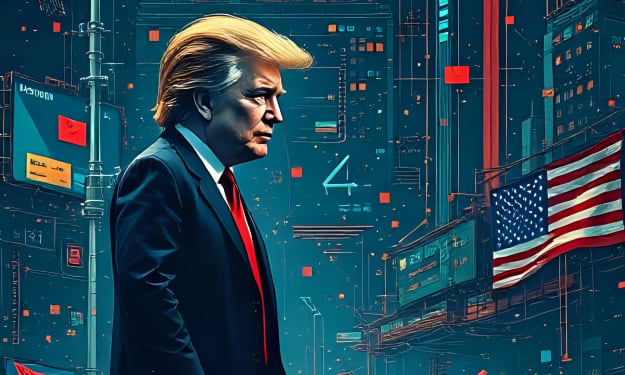
Trump Demands Tech Firms Prioritize U.S. Al Jobs
In July 2025, former U.S. President Donald Trump, during a high-profile AI Summit in Washington, D.C., made a bold call for American technology companies to prioritize U.S. workers over foreign labor, particularly from countries like India and China. This directive was part of a broader push to enhance American dominance in artificial intelligence (AI) and secure economic and national security through domestic innovation and job creation. Trump’s remarks, coupled with three executive orders and an “AI Action Plan,” underscored his administration’s focus on reshaping the tech industry’s labor practices, reducing reliance on global outsourcing, and fostering a nationalist approach to technological development. This essay explores the context, implications, and potential impacts of Trump’s demands, analyzing the motivations behind his policies, the economic and geopolitical factors at play, and the broader consequences for the tech industry, American workers, and global markets.Context and BackgroundTrump’s statements came at a time when the U.S. was engaged in a fierce global race to lead in AI, a technology with profound implications for economic competitiveness, national security, and societal transformation. The AI Summit, co-hosted by the Hill and Valley Forum and the “All-In” podcast, brought together tech industry leaders, policymakers, and Trump administration officials to discuss strategies for advancing U.S. AI capabilities. Trump’s remarks targeted major tech giants like Google, Microsoft, Meta, and Amazon, accusing them of pursuing “radical globalism” by outsourcing jobs to countries like India and China while benefiting from American freedoms and markets. He argued that this practice had left millions of Americans feeling “distrustful and betrayed,” emphasizing the need for “patriotism and national loyalty” from Silicon Valley. The backdrop to Trump’s demands is rooted in decades-long concerns about outsourcing in the tech industry. American companies have historically relied on foreign labor, particularly through programs like the H-1B visa, to fill specialized roles in software development, engineering, and AI research. Countries like India have been major beneficiaries, with Indian IT professionals constituting a significant portion of the U.S. tech workforce. Trump’s critique aligns with his broader “America First” agenda, which seeks to prioritize domestic job creation and reduce dependence on foreign labor and manufacturing. His administration’s actions build on earlier policies, such as the 2019 executive order on “Maintaining American Leadership in Artificial Intelligence,” which emphasized AI innovation rooted in American values and economic priorities. The Executive Orders and AI Action PlanAt the AI Summit, Trump signed three executive orders aimed at bolstering U.S. AI leadership while addressing labor and regulatory concerns:Expediting AI Infrastructure Development: This order focuses on streamlining permitting processes for AI-related infrastructure, such as data centers and supercomputers. By revising regulations like the National Environmental Policy Act (NEPA), the administration aims to reduce compliance costs and accelerate construction, addressing the massive energy demands of AI systems. Boosting Exports of U.S.-Made AI Technologies: The second order promotes the export of American AI tools to allied nations, positioning the U.S. as a global leader in secure-by-design AI solutions. This includes leveraging institutions like the International Development Finance Corporation and the Export-Import Bank to facilitate market access for U.S. firms. Banning Federal Procurement of Biased AI Systems: The third order prohibits federal agencies from contracting with AI companies whose systems exhibit “partisan bias,” defined as promoting ideologies like diversity, equity, and inclusion (DEI), critical race theory, or other progressive frameworks. This reflects Trump’s broader cultural critique of “woke AI” and aims to ensure AI models align with what he describes as “American values.” The accompanying “AI Action Plan” further outlines a deregulatory framework to foster innovation, reduce bureaucratic barriers, and prioritize American job creation. It calls for a single federal standard for AI regulation, limiting state-level laws deemed “burdensome” to the industry. The plan also emphasizes countering China’s growing influence in AI, criticizing previous restrictions on AI exports under the Biden administration as overly restrictive and alienating to U.S. allies. Motivations Behind the PolicyTrump’s demand for tech firms to prioritize U.S. AI jobs is driven by a combination of economic, political, and geopolitical factors:Economic Nationalism: Trump’s “America First” philosophy seeks to revitalize domestic industries by bringing jobs back to the U.S. The tech sector, a cornerstone of the American economy, is seen as a critical battleground. By pressuring companies to hire locally, Trump aims to create high-paying jobs, particularly in AI-related fields like data science and engineering, which are projected to grow significantly. For instance, the Stargate initiative, a private-sector-led project involving OpenAI, SoftBank, and Oracle, is expected to create over 100,000 jobs through a $500 billion investment in AI infrastructure. Geopolitical Competition: The global AI race, particularly against China, is a central concern. Trump’s policies aim to counter China’s state-driven AI model by accelerating U.S. innovation and restricting Chinese access to advanced AI technologies, such as chips and foundation models. This includes closing loopholes that allow Chinese firms to use U.S.-based cloud computing services for AI development. Political Appeal: Trump’s rhetoric resonates with his political base, which has long viewed globalization and outsourcing as threats to American workers. By targeting tech giants and their reliance on foreign labor, Trump taps into populist sentiments, positioning himself as a defender of the American workforce against corporate elites. His criticism of “radical globalism” and calls for patriotism appeal to voters disillusioned with the tech industry’s practices. Implications for the Tech IndustryTrump’s demands pose both opportunities and challenges for U.S. tech companies:Opportunities: The deregulatory approach and expedited permitting processes could reduce costs and accelerate the development of AI infrastructure. Companies like Microsoft and Amazon, which dominate the cloud computing market, stand to benefit from increased investment and relaxed environmental regulations. The focus on exports also enhances their global competitiveness, particularly in emerging markets. Challenges: The push to prioritize U.S. workers could strain companies reliant on foreign talent. The H-1B visa program, which Trump’s administration has targeted for restrictions, is a critical pipeline for skilled workers in AI and tech. Reducing access to this talent pool may lead to labor shortages, higher costs, and delays in innovation. Additionally, the ban on “biased” AI systems could complicate federal contracts for companies like OpenAI and Google, requiring them to adjust their models to meet vague standards of impartiality. Impact on American WorkersThe policy’s focus on domestic job creation could benefit American workers in the short term, particularly those with skills in AI, data science, and engineering. The Stargate initiative and other investments promise thousands of high-paying jobs, including blue-collar roles in data center construction and maintenance. However, the tech industry’s reliance on foreign talent suggests that a sudden shift away from outsourcing could create gaps in the workforce, as the U.S. struggles to produce enough qualified professionals to meet demand. Critics argue that Trump’s immigration policies, including restrictions on H-1B visas, may exacerbate these challenges by limiting access to global talent. Global and Environmental ConcernsTrump’s policies have sparked concerns about their global and environmental implications. The emphasis on fossil fuels to power AI data centers, including a $70 billion investment tied to oil and gas, has drawn criticism from climate advocates who argue it undermines efforts to combat global warming. The United Nations has called for tech firms to transition to renewables by 2030, a goal at odds with Trump’s strategy. Internationally, the push for U.S.-made AI exports and restrictions on foreign labor could strain relations with allies like India, a key partner in tech outsourcing. The European Union’s stricter AI regulations, such as the AI Act, may also create friction with Trump’s deregulatory approach, potentially limiting U.S. firms’ access to European markets.
By Faheem ullah8 months ago in Writers
"Defiant Hearts: The Tragic Love Story of Sheetal and Zarak"
The tragic love story of Sheetal and Zarak, a young couple from Balochistan, Pakistan, is a harrowing tale of love, defiance, and the brutal consequences of challenging deeply entrenched cultural norms. Their story, which unfolded in a remote area of Balochistan and culminated in their execution in July 2025, has become a symbol of resistance against the pervasive issue of honor killings in parts of South Asia. Drawing from various sources, including news reports and social media discussions, this narrative reconstructs their story, contextualizes the cultural and social forces at play, and reflects on the broader implications of their deaths. The Love Story of Sheetal and Zarak Sheetal, a 24-year-old woman, and Zarak, a 32-year-old man, were members of different sub-clans within Baloch tribal communities in Balochistan, a region known for its rugged terrain and deeply rooted tribal traditions. The couple fell in love and chose to marry by their own will, an act that, in many parts of the world, is celebrated as an expression of personal freedom and partnership. However, in their community, a love marriage—referred to as "pasand ki shadi" (marriage by choice)—was viewed as a direct affront to family and tribal honor, particularly when it defied arranged marriage norms dictated by patriarchal structures. Their marriage, which took place approximately two years before their deaths, was conducted lawfully through a Nikah, an Islamic marriage contract, which Sheetal later defended in her final moments by declaring, "I have performed Nikah, I have not committed Zina" (Zina referring to illicit sexual relations in Islamic law). This statement underscored their commitment to each other within the bounds of their faith, emphasizing that their union was legitimate and not a transgression. Yet, their decision to marry for love enraged Sheetal’s family and tribal elders, who saw it as a violation of their authority and a stain on their collective honor. The Deception and the Execution After their marriage, Sheetal and Zarak faced ongoing tension with their families, particularly Sheetal’s, who viewed their union as an unforgivable act of rebellion. In a deceptive gesture of reconciliation, the couple was invited to what was described as a family gathering, ostensibly to resolve disputes. Instead, this was a calculated trap orchestrated by a tribal jirga, an informal council of male elders that holds significant sway in rural Balochistan, often operating outside Pakistan’s formal legal system despite being declared illegal by the Supreme Court in 2004 for settling criminal cases. The couple was taken to Chittail Maidan, a barren, desolate field in a remote mountainous area of Balochistan, far from the reach of immediate legal intervention. Here, they were surrounded by 19 armed men, including five with loaded guns, in a convoy of vehicles. Among them were Sheetal’s relatives—fathers, brothers, uncles, and cousins—who had gathered to carry out the jirga’s verdict. The scene was one of chilling premeditation, with the couple isolated and defenseless. Sheetal, holding a Quran, walked toward what she knew was her place of execution, displaying extraordinary courage in the face of certain death. In her final moments, Sheetal’s defiance shone through. According to reports, she faced her killers without pleading for mercy, stating, “You only have permission to shoot. Do not touch my body.” This powerful declaration, captured in a viral video that later sparked national outrage, was both an assertion of her bodily autonomy and a condemnation of the violence about to be inflicted upon her. She was shot nine times, her life extinguished in a hail of bullets that stripped away her love, dignity, and existence. Zarak, his hands tied, was next, enduring 18 bullets in a prolonged and brutal execution, seemingly intended as a warning to others who might dare to follow their path. Cultural and Social Context The murder of Sheetal and Zarak is a stark illustration of the honor killing crisis in Pakistan, particularly in Balochistan, where tribal customs often supersede national law. Honor killings, as noted in a 2023 Human Rights Watch report, claim an estimated 1,000–1,500 lives annually in Pakistan, though the actual number is likely higher due to underreporting. These acts are frequently tied to cultural notions of family honor, especially in rural and tribal areas, where love marriages challenge patriarchal control over family alliances. Women, in particular, bear the brunt of this violence, as their choices are seen as direct threats to male authority. The concept of “honor” in this context is deeply rooted in tribal traditions that prioritize collective reputation over individual rights. A love marriage, especially one that defies family approval, is perceived as a betrayal that dishonors the entire clan. The jirga’s decision to execute Sheetal and Zarak was not merely a punishment for their actions but a public reassertion of tribal authority, intended to deter others from similar acts of defiance. The use of a “razinama” (compromise agreement), mentioned in some accounts, highlights a troubling legal loophole in some regions, where families settle murder cases through private agreements, often evading significant legal consequences. Sheetal’s final words, “You only have permission to shoot,” have resonated widely, becoming a symbol of resistance against this oppressive system. Her statement, coupled with her assertion of a legitimate marriage, challenged the false narrative of immorality used to justify their killings. The video of the incident, which circulated widely on social media, exposed the brutality of the act and sparked a national conversation about the clash between traditional norms and individual freedoms. Aftermath and Public Response The viral video of Sheetal and Zarak’s execution, which surfaced around Eid ul Azha in 2025, triggered widespread outrage across Pakistan. The footage, showing the couple surrounded by armed men speaking Brahui, brought renewed attention to the crisis of honor-based violence. Balochistan’s Chief Minister, Sarfraz Bugti, responded by ordering immediate action, and a terrorism case was filed against the perpetrators, with the state acting as the complainant due to the reluctance of local families to come forward. One suspect was arrested, and 11 others, including a tribal leader, were detained by the Levies and Counter-Terrorism Department, with more arrests expected. The public response, amplified by social media, framed Sheetal’s defiance as a powerful rebuke of the “rotten system” of tribal justice. Activists and commentators highlighted her courage, with posts on X comparing their story to tragic love tales like Sohni and Mahiwal, suggesting that their love would endure in collective memory despite their deaths. The incident has reignited debates about the need for stronger legal enforcement against jirgas and the cultural practices that perpetuate honor killings. Broader Implications The story of Sheetal and Zarak is not an isolated tragedy but a reflection of systemic issues in regions where tribal councils wield unchecked power. The persistence of jirgas, despite their illegality, underscores the state’s struggle to assert legal authority in remote areas where tribal loyalties dominate. The case also highlights the gendered nature of honor-based violence, with women like Sheetal facing disproportionate punishment for exercising agency over their lives. Comparisons to historical love stories, such as Layla and Majnun, reveal a recurring motif of forbidden love punished by societal norms. Unlike the poetic romance of Layla and Majnun, however, Sheetal and Zarak’s story is grounded in a brutal reality, where love is met with violence rather than mystical longing. Their deaths serve as a stark reminder of the need for cultural and legal reforms to protect individual rights, particularly for women, in the face of entrenched patriarchal traditions. Conclusion Sheetal and Zarak’s love story is a testament to the power of love and the devastating consequences of defying rigid cultural norms. Their choice to marry for love was an act of courage in a society where such decisions are often met with violence. Sheetal’s final stand—holding the Quran, asserting her marital rights, and demanding respect for her bodily autonomy—challenges the hypocrisy of those who kill in the name of honor. Their deaths, captured in a haunting video, have sparked a national reckoning, demanding justice and reform. As their story echoes across Pakistan and beyond, it leaves behind a legacy of resistance and a call to dismantle the systems that equate love with dishonor.
By Faheem ullah8 months ago in Humans
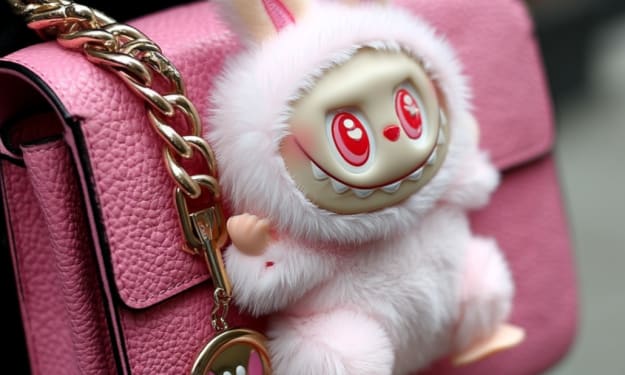
"Labubu Mania: How a Toothy Elf Doll Conquered Pop Culture"
The Labubu Doll Phenomenon: A Global Craze Redefining Collectible Culture In the ever-evolving world of pop culture, few phenomena have captured the collective imagination as swiftly and intensely as the Labubu doll. These quirky, plush, elf-like creatures with their mischievous grins and sharp teeth have transcended their origins as niche collectibles to become a global sensation. From adorning the handbags of celebrities like BLACKPINK’s Lisa and Rihanna to sparking frenzied queues outside stores and commanding six-figure auction prices, Labubu dolls have redefined what it means to be a "must-have" accessory in 2025. This 1000-word article delves into the origins, appeal, cultural impact, and controversies surrounding the Labubu doll, exploring how a small, toothy monster became a symbol of modern consumerism and nostalgia. Origins of Labubu: From Nordic Folklore to Pop Mart The Labubu doll, part of "The Monsters" universe, was created by Hong Kong-born, Netherlands-raised artist Kasing Lung in 2015. Inspired by Nordic folklore and fairy tales that fascinated him during his childhood in Utrecht, Lung crafted a whimsical storybook series featuring a tribe of playful, slightly mischievous elves. Labubu, the star of this series, is characterized by a round, furry body, wide eyes, pointed ears, and a signature grin revealing nine sharp teeth—a design that’s equal parts cute and creepy. Other characters in the universe, such as Mokoko, Pato, Spooky, Tycoco (Labubu’s skeleton-like boyfriend), and Zimomo (the tribe’s spiked-tailed leader), add depth to this fantastical world. Initially introduced as figurines by the Hong Kong-based company How2Work, Labubu gained modest traction among toy collectors. However, it was Lung’s 2019 partnership with Chinese retailer Pop Mart that catapulted the doll into the mainstream. Pop Mart, founded in 2010 by Wang Ning, specializes in "blind box" collectibles, where buyers purchase a sealed package without knowing which specific figure they’ll receive. This marketing strategy, combined with Labubu’s unique aesthetic, tapped into a growing appetite for surprise and scarcity-driven products, setting the stage for a global craze. The Blind Box Appeal and Celebrity Endorsement The allure of Labubu dolls lies partly in their blind box distribution model, a concept Pop Mart perfected with earlier successes like Molly dolls. Each blind box contains a random figure from a themed series, such as "Exciting Macaron" (released October 2023), "Have a Seat," "Fall in Wild," or "Massive into Energy." Some boxes include rare "secret" figures, which can fetch hundreds or even thousands of dollars on resale platforms like eBay and StockX. This element of chance, akin to opening a pack of trading cards, fuels excitement and encourages collectors to buy multiple boxes in pursuit of coveted designs like the Chestnut Cocoa or Chinese New Year editions. The Labubu phenomenon exploded in April 2024 when BLACKPINK’s Lisa was photographed with a Labubu keychain clipped to her Louis Vuitton bag. Her endorsement sparked a tidal wave of interest, particularly in Southeast Asia, where fans rushed to emulate her style. Celebrities like Rihanna, Kim Kardashian, Dua Lipa, and David Beckham soon followed, showcasing Labubus as bag charms or collectibles on social media. In India, celebrities like Ananya Panday and influencers like Shantanu Dhope joined the trend, further amplifying its reach. This celebrity-driven hype transformed Labubu from a niche toy into a fashion statement, blurring the lines between collectible and luxury accessory. A Cultural and Fashion Phenomenon Labubu’s appeal extends beyond its cute-yet-creepy aesthetic. As New York Magazine’s Liza Corsillo noted, the dolls’ "hard-to-explain cuteness" and scarcity-driven marketing make them both huggable and highly desirable. Their versatility as bag charms, keychains, or display pieces has made them a staple in streetwear and high fashion alike. Men’s fashion magazine GQ highlighted Labubu’s role in the growing market for men’s luxury handbags, noting how they add a playful, personalized touch to otherwise serious accessories. Collectors like Thania Gonzalez, a Los Angeles-based fashion content creator, customize their Labubus with miniature outfits—some even sporting bootleg Prada or Louis Vuitton clothing—further cementing their status as a fashion-forward collectible. The dolls’ cultural impact is evident in their integration into diverse settings. In Singapore, the People’s Action Party used a Labubu plush keychain as a "volunteer" at a community event, while the Ling Lian Bao Dian Temple dressed Labubus as devotees during the Nine Emperor Gods Festival to attract younger generations. In Thailand, Labubus are believed to bring wealth and good fortune, adding a layer of cultural significance to their popularity. These instances highlight how Labubu has transcended its role as a toy to become a symbol of community, creativity, and cultural relevance. Economic Impact and Market Dynamics The Labubu craze has been a financial boon for Pop Mart, which reported $1.8 billion in global revenue in 2024, with $423 million attributed to Labubu sales alone—a 729% increase from 2023. The company’s market cap of $43.28 billion dwarfs that of traditional toy giants like Mattel and Hasbro, underscoring the power of its blind box strategy. Pop Mart operates over 2,000 "roboshops" (vending machines) and stores in more than 30 countries, yet demand consistently outstrips supply, leading to sell-outs within seconds and long queues at physical locations. The secondary market for Labubus is equally robust. Rare figures, such as a secret Labubu from the "Big Into Energy" series, can fetch $500 on StockX, while a life-size, mint-green Labubu sold for $172,000 at a Beijing auction in June 2025—the highest price ever for a Labubu item. This auction, hosted by Yongle Auction, saw nearly 1,000 bidders and total sales of $520,000, reflecting the dolls’ growing status as art collectibles. However, the high demand has also spawned a market for counterfeits, dubbed "Lafufus," which often feature incorrect tooth counts or lack the Pop Mart logo under the foot. Controversies and Criticisms Despite their popularity, Labubu dolls have faced scrutiny. In Russia, officials like Ekaterina Altabaeva claimed the dolls’ "fierce" appearance could frighten children, prompting calls for a ban. In Iraq’s Kurdistan Region, authorities seized 4,000 dolls in July 2025, citing concerns about behavioral issues and unfounded claims of "demonic spirits." A viral conspiracy linking Labubu to the Mesopotamian demon Pazuzu, fueled by a misleading Instagram post and a Simpsons episode, sparked panic among some fans, though fact-checking sites like Snopes debunked these claims, affirming Lung’s fairy tale-inspired design. Critics also argue that Labubu’s success reflects excessive consumerism, with collectors spending thousands on blind boxes in pursuit of rare figures. The frenzy has led to disorderly lines and even fights in the UK, prompting Pop Mart to temporarily halt sales in its 16 stores there. Yet, for many, the thrill of the hunt and the joy of unboxing outweigh these concerns, as evidenced by vibrant online communities on Reddit, TikTok, and Discord where fans share tips and showcase their collections. Why Labubu Resonates Labubu’s meteoric rise can be attributed to a perfect storm of nostalgia, exclusivity, and cultural relevance. As design academic Gozde Goncu Berk suggests, the dolls tap into a broader trend of "comfort core meets camp," offering a playful escape from the complexities of modern life. Their quirky aesthetic and customizable nature appeal to both children and adults, evoking a sense of childhood simplicity in an era of global uncertainty. The blind box model, meanwhile, gamifies collecting, turning each purchase into a dopamine-fueled adventure. Moreover, Labubu’s global appeal reflects the growing influence of Asian pop culture. As China’s Xinhua news agency noted, the dolls showcase "Chinese creativity, quality, and culture" on a global stage, even if their Hong Kong-Dutch origins complicate this narrative. For many fans, however, the dolls’ origins are secondary to their emotional and social value, whether as a status symbol, a creative outlet, or a shared obsession within collector communities. The Future of Labubu As Labubu’s popularity shows no signs of waning, Pop Mart plans to expand its international presence and artist collaborations, ensuring the brand’s longevity. Limited-edition releases, such as the Coca-Cola-themed winter series and the One Piece-inspired collection, keep the hype alive, while partnerships with institutions like the Louvre add cultural cachet. However, the dolls’ reliance on scarcity and viral trends raises questions about their staying power. Will Labubu fade like past fads such as Beanie Babies, or will it endure like Hello Kitty? For now, Labubu remains a cultural juggernaut, embodying the intersection of art, fashion, and consumerism. Whether clipped to a luxury handbag, displayed on a collector’s shelf, or sparking debates about demonic influences, these toothy elves have left an indelible mark on 2025. As collectors continue to chase the next rare drop and celebrities flaunt their customized Labubus, one thing is clear: the mischievous grin of Labubu is here to stay, at least for now.
By Faheem ullah8 months ago in Humor
AppDog The Bounty Hunter's 13-Year-Old Step-Grandson Accidentally Shot Dead By Stepson
The Chapman family, particularly Duane "Dog the Bounty Hunter" Chapman, is once again in the throes of a profound tragedy following the accidental shooting death of 13-year-old Anthony. Anthony was Dog's step-grandson, the son of Gregory Zecca, who is the biological son of Dog's current wife, Francie Frane, from a previous marriage. The incident, which occurred on Saturday night in Naples, Florida, at Gregory Zecca's apartment, has sent shockwaves through the family and garnered significant media attention due to Dog Chapman's public profile. According to reports from multiple news outlets, including TMZ and NDTV, law enforcement was called to the scene around 8:00 PM ET on Saturday, July 19th. The Collier County Sheriff's Office is investigating the shooting as an "isolated accident," and as of the most recent updates, no arrests have been made. This suggests that investigators believe the shooting was unintentional and not indicative of malicious intent. However, the investigation remains ongoing, and further details may emerge as authorities delve deeper into the circumstances surrounding Anthony's death. The relationship dynamics within Dog Chapman's extended family are complex, a common theme that has played out on his various reality television series over the years. Duane Chapman married Francie Frane in 2021. Both had previously lost their spouses to cancer – Dog's beloved wife Beth Chapman passed away in June 2019, and Francie's husband, Bob Frane, died in December 2018. Their shared experience of grief brought them together, and they found solace and a new beginning in their relationship. Francie's son, Gregory Zecca, has been actively involved with Dog Chapman's bounty hunting operations since Dog and Francie married. This connection meant that Anthony, Gregory's son, was not just Francie's grandson but had also formed a bond with Dog, reportedly even calling him "Grandpa Dog." This adds another layer of emotional complexity to an already devastating situation, as Dog is now grieving the loss of a young family member he had welcomed into his life. The tragedy underscores the devastating impact of accidental shootings, particularly those involving firearms in homes. While specific details of how the gun was handled or stored leading to the accident have not been publicly disclosed, the incident serves as a grim reminder of the importance of gun safety and responsible firearm ownership. Statistics from organizations like Brady United highlight the sobering reality of unintentional shootings, reporting an average of hundreds of deaths annually in the United States, including a significant number of children. For Duane Chapman, this accidental death is another heartbreaking chapter in a life that has been marked by personal losses and challenges. He has faced numerous family tragedies throughout his life, including the death of his daughter, Barbara Katie Chapman, in a car accident in 2006, just a day before his wedding to Beth. His public persona as "Dog the Bounty Hunter" has always been intertwined with his personal life, making these family crises intensely scrutinized by the public eye. The joint statement released by Dog and Francie through a family representative conveyed their profound grief: "We are grieving as a family over this incomprehensible tragic accident and would ask for continued prayers as we grieve the loss of our beloved grandson, Anthony." They have also appealed for privacy as they navigate this intensely painful period. The incident is still unfolding, and as the investigation continues, more information about the exact sequence of events that led to Anthony's death may come to light. Regardless of the details, the accidental shooting of a 13-year-old boy by a close family member is a profoundly sorrowful event that will undoubtedly leave an indelible mark on the lives of Duane "Dog the Bounty Hunter" Chapman, Francie Frane, Gregory Zecca, and their entire extended family. It serves as a stark and tragic reminder of the fragility of life and the unforeseen circumstances that can shatter a family in an instant. The outpouring of sympathy and support for the Chapman family reflects the shared human experience of grief and the collective shock at such an untimely loss.
By Faheem ullah8 months ago in Criminal