
"Labubu Mania: How a Toothy Elf Doll Conquered Pop Culture"
"From Blind Boxes to Celebrity Bags: The Rise of a Global Collectible Craze"
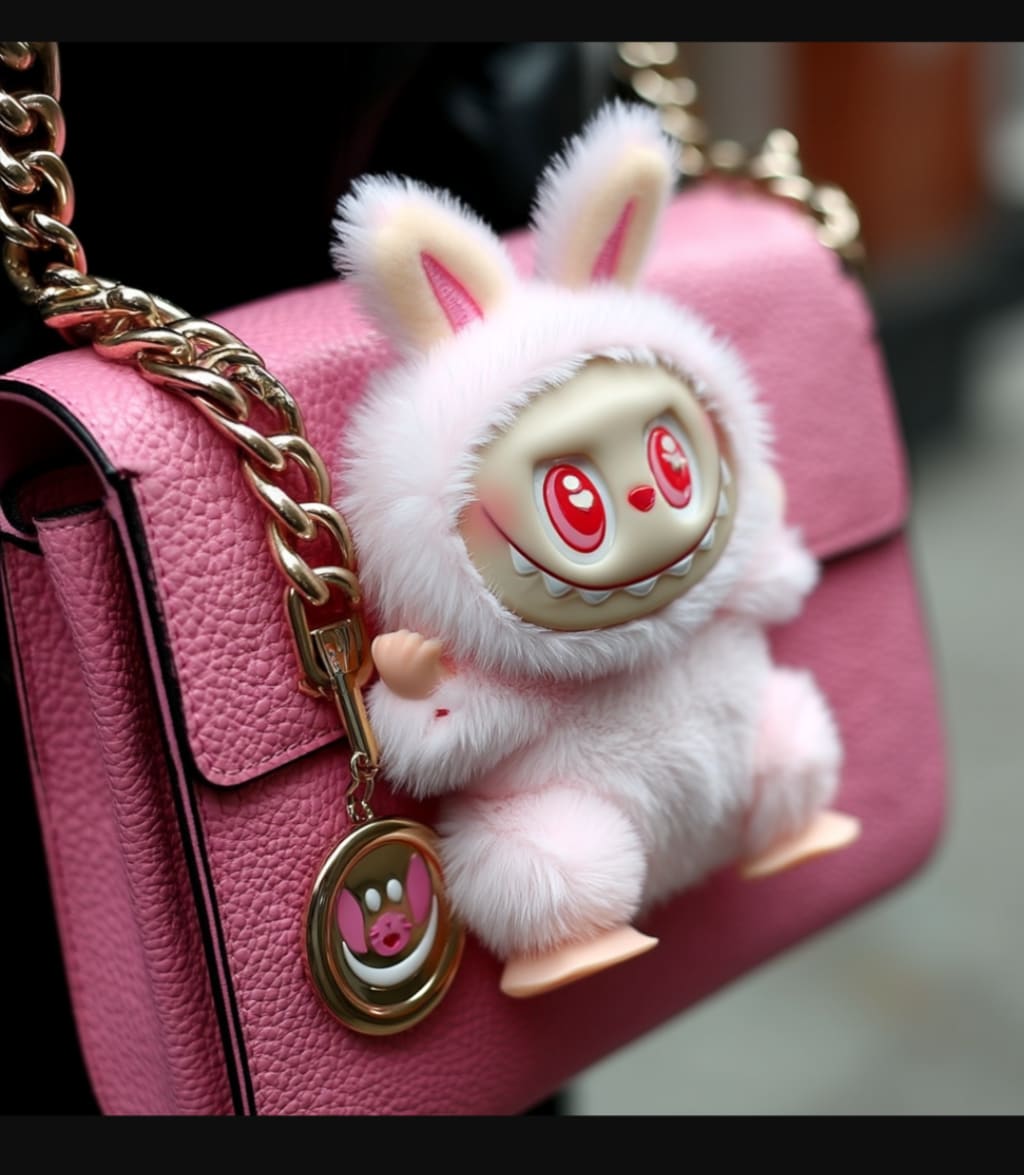
The Labubu Doll Phenomenon: A Global Craze Redefining Collectible Culture
In the ever-evolving world of pop culture, few phenomena have captured the collective imagination as swiftly and intensely as the Labubu doll. These quirky, plush, elf-like creatures with their mischievous grins and sharp teeth have transcended their origins as niche collectibles to become a global sensation. From adorning the handbags of celebrities like BLACKPINK’s Lisa and Rihanna to sparking frenzied queues outside stores and commanding six-figure auction prices, Labubu dolls have redefined what it means to be a "must-have" accessory in 2025. This 1000-word article delves into the origins, appeal, cultural impact, and controversies surrounding the Labubu doll, exploring how a small, toothy monster became a symbol of modern consumerism and nostalgia.
Origins of Labubu: From Nordic Folklore to Pop Mart
The Labubu doll, part of "The Monsters" universe, was created by Hong Kong-born, Netherlands-raised artist Kasing Lung in 2015. Inspired by Nordic folklore and fairy tales that fascinated him during his childhood in Utrecht, Lung crafted a whimsical storybook series featuring a tribe of playful, slightly mischievous elves. Labubu, the star of this series, is characterized by a round, furry body, wide eyes, pointed ears, and a signature grin revealing nine sharp teeth—a design that’s equal parts cute and creepy. Other characters in the universe, such as Mokoko, Pato, Spooky, Tycoco (Labubu’s skeleton-like boyfriend), and Zimomo (the tribe’s spiked-tailed leader), add depth to this fantastical world.
Initially introduced as figurines by the Hong Kong-based company How2Work, Labubu gained modest traction among toy collectors. However, it was Lung’s 2019 partnership with Chinese retailer Pop Mart that catapulted the doll into the mainstream. Pop Mart, founded in 2010 by Wang Ning, specializes in "blind box" collectibles, where buyers purchase a sealed package without knowing which specific figure they’ll receive. This marketing strategy, combined with Labubu’s unique aesthetic, tapped into a growing appetite for surprise and scarcity-driven products, setting the stage for a global craze.
The Blind Box Appeal and Celebrity Endorsement
The allure of Labubu dolls lies partly in their blind box distribution model, a concept Pop Mart perfected with earlier successes like Molly dolls. Each blind box contains a random figure from a themed series, such as "Exciting Macaron" (released October 2023), "Have a Seat," "Fall in Wild," or "Massive into Energy." Some boxes include rare "secret" figures, which can fetch hundreds or even thousands of dollars on resale platforms like eBay and StockX. This element of chance, akin to opening a pack of trading cards, fuels excitement and encourages collectors to buy multiple boxes in pursuit of coveted designs like the Chestnut Cocoa or Chinese New Year editions.
The Labubu phenomenon exploded in April 2024 when BLACKPINK’s Lisa was photographed with a Labubu keychain clipped to her Louis Vuitton bag. Her endorsement sparked a tidal wave of interest, particularly in Southeast Asia, where fans rushed to emulate her style. Celebrities like Rihanna, Kim Kardashian, Dua Lipa, and David Beckham soon followed, showcasing Labubus as bag charms or collectibles on social media. In India, celebrities like Ananya Panday and influencers like Shantanu Dhope joined the trend, further amplifying its reach. This celebrity-driven hype transformed Labubu from a niche toy into a fashion statement, blurring the lines between collectible and luxury accessory.
A Cultural and Fashion Phenomenon
Labubu’s appeal extends beyond its cute-yet-creepy aesthetic. As New York Magazine’s Liza Corsillo noted, the dolls’ "hard-to-explain cuteness" and scarcity-driven marketing make them both huggable and highly desirable. Their versatility as bag charms, keychains, or display pieces has made them a staple in streetwear and high fashion alike. Men’s fashion magazine GQ highlighted Labubu’s role in the growing market for men’s luxury handbags, noting how they add a playful, personalized touch to otherwise serious accessories. Collectors like Thania Gonzalez, a Los Angeles-based fashion content creator, customize their Labubus with miniature outfits—some even sporting bootleg Prada or Louis Vuitton clothing—further cementing their status as a fashion-forward collectible.
The dolls’ cultural impact is evident in their integration into diverse settings. In Singapore, the People’s Action Party used a Labubu plush keychain as a "volunteer" at a community event, while the Ling Lian Bao Dian Temple dressed Labubus as devotees during the Nine Emperor Gods Festival to attract younger generations. In Thailand, Labubus are believed to bring wealth and good fortune, adding a layer of cultural significance to their popularity. These instances highlight how Labubu has transcended its role as a toy to become a symbol of community, creativity, and cultural relevance.
Economic Impact and Market Dynamics
The Labubu craze has been a financial boon for Pop Mart, which reported $1.8 billion in global revenue in 2024, with $423 million attributed to Labubu sales alone—a 729% increase from 2023. The company’s market cap of $43.28 billion dwarfs that of traditional toy giants like Mattel and Hasbro, underscoring the power of its blind box strategy. Pop Mart operates over 2,000 "roboshops" (vending machines) and stores in more than 30 countries, yet demand consistently outstrips supply, leading to sell-outs within seconds and long queues at physical locations.
The secondary market for Labubus is equally robust. Rare figures, such as a secret Labubu from the "Big Into Energy" series, can fetch $500 on StockX, while a life-size, mint-green Labubu sold for $172,000 at a Beijing auction in June 2025—the highest price ever for a Labubu item. This auction, hosted by Yongle Auction, saw nearly 1,000 bidders and total sales of $520,000, reflecting the dolls’ growing status as art collectibles. However, the high demand has also spawned a market for counterfeits, dubbed "Lafufus," which often feature incorrect tooth counts or lack the Pop Mart logo under the foot.
Controversies and Criticisms
Despite their popularity, Labubu dolls have faced scrutiny. In Russia, officials like Ekaterina Altabaeva claimed the dolls’ "fierce" appearance could frighten children, prompting calls for a ban. In Iraq’s Kurdistan Region, authorities seized 4,000 dolls in July 2025, citing concerns about behavioral issues and unfounded claims of "demonic spirits." A viral conspiracy linking Labubu to the Mesopotamian demon Pazuzu, fueled by a misleading Instagram post and a Simpsons episode, sparked panic among some fans, though fact-checking sites like Snopes debunked these claims, affirming Lung’s fairy tale-inspired design.
Critics also argue that Labubu’s success reflects excessive consumerism, with collectors spending thousands on blind boxes in pursuit of rare figures. The frenzy has led to disorderly lines and even fights in the UK, prompting Pop Mart to temporarily halt sales in its 16 stores there. Yet, for many, the thrill of the hunt and the joy of unboxing outweigh these concerns, as evidenced by vibrant online communities on Reddit, TikTok, and Discord where fans share tips and showcase their collections.
Why Labubu Resonates
Labubu’s meteoric rise can be attributed to a perfect storm of nostalgia, exclusivity, and cultural relevance. As design academic Gozde Goncu Berk suggests, the dolls tap into a broader trend of "comfort core meets camp," offering a playful escape from the complexities of modern life. Their quirky aesthetic and customizable nature appeal to both children and adults, evoking a sense of childhood simplicity in an era of global uncertainty. The blind box model, meanwhile, gamifies collecting, turning each purchase into a dopamine-fueled adventure.
Moreover, Labubu’s global appeal reflects the growing influence of Asian pop culture. As China’s Xinhua news agency noted, the dolls showcase "Chinese creativity, quality, and culture" on a global stage, even if their Hong Kong-Dutch origins complicate this narrative. For many fans, however, the dolls’ origins are secondary to their emotional and social value, whether as a status symbol, a creative outlet, or a shared obsession within collector communities.
The Future of Labubu
As Labubu’s popularity shows no signs of waning, Pop Mart plans to expand its international presence and artist collaborations, ensuring the brand’s longevity. Limited-edition releases, such as the Coca-Cola-themed winter series and the One Piece-inspired collection, keep the hype alive, while partnerships with institutions like the Louvre add cultural cachet. However, the dolls’ reliance on scarcity and viral trends raises questions about their staying power. Will Labubu fade like past fads such as Beanie Babies, or will it endure like Hello Kitty?
For now, Labubu remains a cultural juggernaut, embodying the intersection of art, fashion, and consumerism. Whether clipped to a luxury handbag, displayed on a collector’s shelf, or sparking debates about demonic influences, these toothy elves have left an indelible mark on 2025. As collectors continue to chase the next rare drop and celebrities flaunt their customized Labubus, one thing is clear: the mischievous grin of Labubu is here to stay, at least for now.
About the Creator
Keep reading
More stories from Faheem ullah and writers in Humor and other communities.
AppDog The Bounty Hunter's 13-Year-Old Step-Grandson Accidentally Shot Dead By Stepson
The Chapman family, particularly Duane "Dog the Bounty Hunter" Chapman, is once again in the throes of a profound tragedy following the accidental shooting death of 13-year-old Anthony. Anthony was Dog's step-grandson, the son of Gregory Zecca, who is the biological son of Dog's current wife, Francie Frane, from a previous marriage. The incident, which occurred on Saturday night in Naples, Florida, at Gregory Zecca's apartment, has sent shockwaves through the family and garnered significant media attention due to Dog Chapman's public profile. According to reports from multiple news outlets, including TMZ and NDTV, law enforcement was called to the scene around 8:00 PM ET on Saturday, July 19th. The Collier County Sheriff's Office is investigating the shooting as an "isolated accident," and as of the most recent updates, no arrests have been made. This suggests that investigators believe the shooting was unintentional and not indicative of malicious intent. However, the investigation remains ongoing, and further details may emerge as authorities delve deeper into the circumstances surrounding Anthony's death. The relationship dynamics within Dog Chapman's extended family are complex, a common theme that has played out on his various reality television series over the years. Duane Chapman married Francie Frane in 2021. Both had previously lost their spouses to cancer – Dog's beloved wife Beth Chapman passed away in June 2019, and Francie's husband, Bob Frane, died in December 2018. Their shared experience of grief brought them together, and they found solace and a new beginning in their relationship. Francie's son, Gregory Zecca, has been actively involved with Dog Chapman's bounty hunting operations since Dog and Francie married. This connection meant that Anthony, Gregory's son, was not just Francie's grandson but had also formed a bond with Dog, reportedly even calling him "Grandpa Dog." This adds another layer of emotional complexity to an already devastating situation, as Dog is now grieving the loss of a young family member he had welcomed into his life. The tragedy underscores the devastating impact of accidental shootings, particularly those involving firearms in homes. While specific details of how the gun was handled or stored leading to the accident have not been publicly disclosed, the incident serves as a grim reminder of the importance of gun safety and responsible firearm ownership. Statistics from organizations like Brady United highlight the sobering reality of unintentional shootings, reporting an average of hundreds of deaths annually in the United States, including a significant number of children. For Duane Chapman, this accidental death is another heartbreaking chapter in a life that has been marked by personal losses and challenges. He has faced numerous family tragedies throughout his life, including the death of his daughter, Barbara Katie Chapman, in a car accident in 2006, just a day before his wedding to Beth. His public persona as "Dog the Bounty Hunter" has always been intertwined with his personal life, making these family crises intensely scrutinized by the public eye. The joint statement released by Dog and Francie through a family representative conveyed their profound grief: "We are grieving as a family over this incomprehensible tragic accident and would ask for continued prayers as we grieve the loss of our beloved grandson, Anthony." They have also appealed for privacy as they navigate this intensely painful period. The incident is still unfolding, and as the investigation continues, more information about the exact sequence of events that led to Anthony's death may come to light. Regardless of the details, the accidental shooting of a 13-year-old boy by a close family member is a profoundly sorrowful event that will undoubtedly leave an indelible mark on the lives of Duane "Dog the Bounty Hunter" Chapman, Francie Frane, Gregory Zecca, and their entire extended family. It serves as a stark and tragic reminder of the fragility of life and the unforeseen circumstances that can shatter a family in an instant. The outpouring of sympathy and support for the Chapman family reflects the shared human experience of grief and the collective shock at such an untimely loss.
By Faheem ullah8 months ago in Criminal
Two Grumpy Old Men Solve the Problem
Marty and Steve were two grumpy old men who lived together. They had known each other for years. Marty had been a bachelor all his life. Steve said it was because no one could stand to ever live with him. Marty’s standard reply was “Well, you are, so what sort of a moron does that make you!”
By Calvin London12 days ago in Humor
The World Is on Fire, But My Freezer’s Been Stockpiling Since 2017
📦 Section 1: Frozen Time Capsules – A Love Letter to Foods That Shouldn't Be Alive There comes a moment in every adult’s life when you open your freezer, stare into the icy abyss, and realize you’ve been harboring culinary fugitives from the past.
By The Pompous Post4 days ago in Humor


Comments
There are no comments for this story
Be the first to respond and start the conversation.