
Which Type of Plastic Yields the Highest Oil Output During Pyrolysis?
Investment Reference Guide

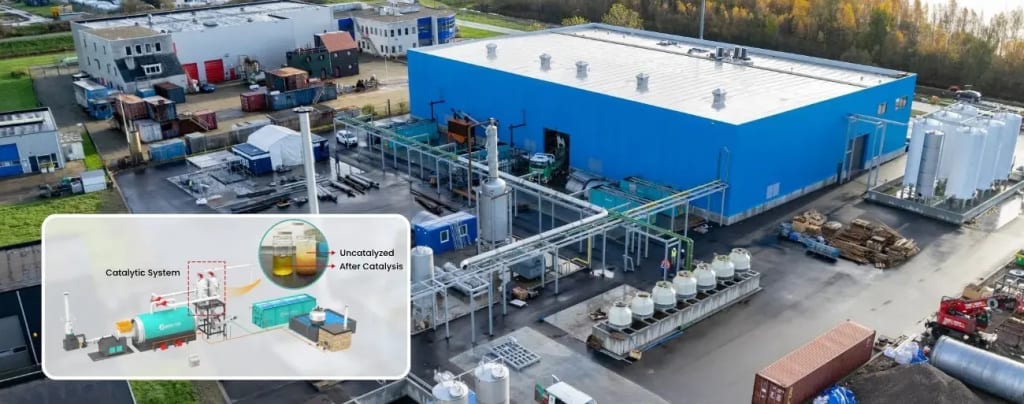
Plastic waste is a growing environmental challenge, and one of the promising methods for managing this waste is pyrolysis. Pyrolysis involves heating plastic to high temperatures in the absence of oxygen to break it down into smaller molecules, producing valuable by-products such as oil, gas, and solid residues. However, not all plastics yield the same amount of oil during the pyrolysis process.
Before diving into the specifics of plastic types, it's important to understand pyrolysis. Pyrolysis is a chemical process that decomposes organic materials using heat in the absence of oxygen. When plastic undergoes pyrolysis, it is broken down into hydrocarbon liquids (oil), gases, and solid residues (char). The process is temperature and time-sensitive, which means that adjusting conditions can influence the yield and quality of the oil produced.
Factors Affecting Oil Yield in Pyrolysis
Plastic Composition:
Plastics are made from different types of polymer chains, each affecting how they break down during pyrolysis. The length and structure of these chains influence the yield of oil, gases, and char.
Temperature and Time:
The pyrolysis temperature typically ranges from 350°C to 800°C, and the duration of the process can also affect the yield. Higher temperatures generally increase the production of oil, but can also increase the formation of gases and reduce solid residues.
Additives in the Plastic:
Plastics often contain additives like fillers, plasticizers, and stabilizers, which can impact the pyrolysis process. Some additives may lead to higher oil yields, while others might produce more gas or char.
Which Plastics Produce the Most Oil?
Among the different types of plastics, the following are considered the best for oil recovery during pyrolysis:
Polyethylene (PE):
Polyethylene is the most common plastic, found in products like plastic bags, bottles, and packaging materials. It is known for its relatively low molecular weight and simple structure, making it one of the easiest plastics to break down in pyrolysis. Polyethylene typically produces a high yield of oil, often ranging from 70% to 85% of its initial weight. This makes it one of the best candidates for pyrolysis oil production.
Polypropylene (PP):
Polypropylene is another commonly used plastic, found in items like containers, ropes, and automotive parts. It has a slightly higher melting point and a more complex molecular structure than polyethylene, but it still produces a decent amount of oil during pyrolysis. Oil yields from polypropylene typically range from 65% to 80%, depending on the processing conditions.
Polystyrene (PS):
Polystyrene is used in products like disposable cutlery, packaging materials, and foam insulation. It has a relatively simple molecular structure, making it efficient in pyrolysis. The oil yield from polystyrene is typically around 60% to 75%, but this can vary based on the specific form of the plastic (e.g., solid vs. foam).
Which Plastic is Best for Pyrolysis Oil Production?
Based on the oil yield rates discussed, polyethylene (PE) is the plastic that generally produces the highest oil output during pyrolysis. Its simple molecular structure, high availability, and wide usage make it the most effective plastic for converting into oil. Polypropylene (PP) also offers a high oil yield, though slightly lower than polyethylene, while polystyrene (PS) follows closely behind.
However, it's important to note that while PE and PP have high oil yields, they may still vary in terms of the quality and chemical composition of the oil produced. Some research has shown that adding catalysts or adjusting pyrolysis conditions can improve the yield and quality of oil from certain plastics.
Conclusion
Pyrolysis is a promising method for recycling plastic waste into valuable resources like oil. Among the various types of plastic, polyethylene (PE) stands out for its high oil yield, followed by polypropylene (PP) and polystyrene (PS). As we continue to develop better pyrolysis technologies and optimize processing conditions, plastic recycling through pyrolysis could play a significant role in addressing the global plastic waste crisis.
About the Creator
Bestonpyrolysis
Engaged in waste plastic/tyre/rubber recycling, oil sludge treatment, biomass recycling, sewage sludge management and paper recycling…
https://bestonpyrolysisplant.com/
Keep reading
More stories from Bestonpyrolysis and writers in Journal and other communities.
How the Quality of Biochar is Affected by Pyrolysis and the Role of Biochar Pyrolysis Equipment
Biochar has gained significant attention in recent years as a sustainable solution for soil improvement, carbon sequestration, and waste management. One of the critical factors influencing the effectiveness of biochar is its quality, which is determined by the pyrolysis process. But how exactly does the pyrolysis process affect biochar, and what role does biochar pyrolysis equipment play in ensuring high-quality output?
By Bestonpyrolysis3 months ago in Journal


Comments
There are no comments for this story
Be the first to respond and start the conversation.