
The Impact of Biochar Stability: How Fixed Carbon Dictates Sequestration Success
Unlocking the Climate Superpower of Biochar


In the urgent global effort to scale effective carbon dioxide removal (CDR), biochar has emerged as a leading contender. But not all biochar is equal in its climate-fighting power. The true measure of its long-term sequestration potential lies in one critical property: the stability of its fixed carbon. Understanding this is key to maximizing biochar's role in our carbon toolbox.
From Biomass to "Black Carbon": Understanding the Core Process
At its heart, biochar production is a thermochemical transformation. When biomass undergoes pyrolysis in a controlled, low-oxygen environment, its complex organic structure breaks down. Volatile components are driven off as gases or liquids, leaving behind a solid residue rich in aromatic carbon structures. This remaining solid fraction is the fixed carbon – the portion that is highly resistant to further decomposition.
The percentage and molecular arrangement of this fixed carbon are not fixed; they are primarily dictated by the pyrolysis conditions, especially the peak temperature and heating rate. This is where quality is engineered.
Why Fixed Carbon Stability is Non-Negotiable
The climate value proposition of biochar hinges entirely on durability. The goal is to transfer carbon from the fast, active carbon cycle (where plant matter decomposes in years to decades) to a slow, geological cycle (where it persists for centuries to millennia). Fixed carbon stability is the scientific term for this persistence.
The Chemical Basis: High-temperature pyrolysis (typically above 600°C) promotes the formation of dense, condensed aromatic ring clusters. These tightly bonded, graphite-like structures are highly recalcitrant, meaning soil microbes and chemical processes find them extremely difficult to break down. Think of it as converting a pile of kindling into a hard, durable lump of charcoal.
The Sequestration Link: Biochar with a high and stable fixed carbon content ensures that a maximum portion of the captured carbon from the original biomass will remain locked away. Low-stability biochar, with more amorphous carbon and residual volatile matter, will decompose more readily in soil, releasing CO₂ back into the atmosphere over a shorter timeframe and undermining the sequestration claim.
Key Factors Influencing Fixed Carbon and Stability
Producers and buyers must understand the levers that control this crucial metric:
Pyrolysis Temperature: This is the master variable. As temperature increases, volatile matter decreases, and the proportion and stability of fixed carbon generally increase. Biochar produced at 400°C in a biochar machine will have a very different stability profile than one produced at 700°C.
Feedstock Type: Lignin-rich feedstocks (like hardwood or nut shells) typically yield biochar with higher inherent fixed carbon content compared to herbaceous or manure-based feedstocks processed under the same conditions.
Residence Time & Technology: Slow pyrolysis, which allows more time for carbonization reactions to complete, often produces a more stable product than fast pyrolysis. Modern, controlled biochar production equipment is essential to consistently achieve the precise thermal conditions needed for high-stability output.
Beyond the Lab: Implications for Carbon Markets and Credibility
The focus on fixed carbon stability moves biochar from a generic soil amendment to a verifiable climate asset. This has profound implications:
Carbon Credit Integrity: Leading carbon crediting standards (like Puro.earth, Verra) now require rigorous characterization of biochar's stable carbon fraction. Credits are awarded based on the quantity of durably sequestered carbon, calculated from fixed carbon content and stability factors (H/C ratio, O/C ratio). High-stability biochar generates more credible and valuable credits per ton.
Driving Quality Production: This market demand incentivizes investment in advanced biochar production machines that offer precise temperature control and process consistency. It moves the industry away from low-quality, "char" by-products toward intentionally engineered, high-stability carbon sinks.
Long-Term Impact Forecasting: Understanding stability allows for more accurate modeling of biochar's century-scale carbon drawdown potential, strengthening the case for its inclusion in national and corporate Net Zero pathways.
The Path Forward: Prioritizing Permanence
For biochar to fulfill its promise as a major carbon sink, permanence must be the priority. This means:
Demanding Scientific Characterization: Buyers, whether farmers or carbon project developers, should request analytical data (proximate analysis, ultimate analysis) to verify fixed carbon content and stability indices.
Optimizing for Stability, Not Just Yield: Process optimization should balance biochar yield with maximizing stable carbon yield—sometimes a trade-off that climate goals must dictate.
Supporting Advanced Technology: Scaling high-quality biochar depends on deploying and improving the biochar production equipment capable of reliably creating a stable, high-fixed-carbon product.
Conclusion
Biochar's contribution to climate stabilization is not simply about putting carbon in the ground; it's about keeping it there. The stability of its fixed carbon is the ultimate determinant of its sequestration efficacy. By focusing on this scientific cornerstone—supported by precise production technology and rigorous standards—we can ensure that biochar stands as a durable, trustworthy, and scalable pillar in the fight against climate change. It transforms a simple concept into a quantifiable, high-impact climate solution.
About the Creator
Bestonpyrolysis
Engaged in waste plastic/tyre/rubber recycling, oil sludge treatment, biomass recycling, sewage sludge management and paper recycling…
https://bestonpyrolysisplant.com/
Keep reading
More stories from Bestonpyrolysis and writers in Earth and other communities.
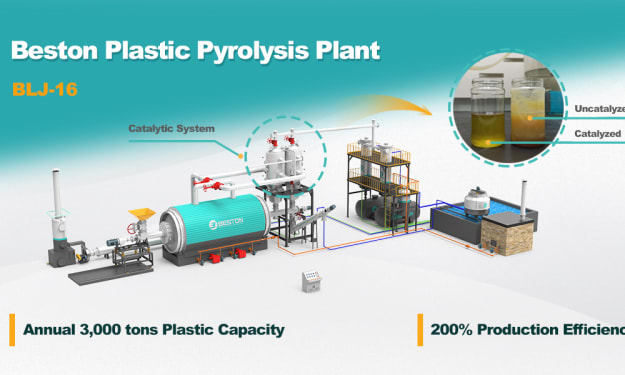
Turning Waste into Worth: Plastic Pyrolysis in the Circular Economy
Plastic pollution has become one of the defining environmental challenges of our time. From overflowing landfills to microplastics in oceans, the traditional “take–make–dispose” model is no longer sustainable. In response, the concept of the circular economy has gained global attention, aiming to keep materials in use for as long as possible while reducing waste. Among the emerging technologies supporting this transition, plastic pyrolysis stands out as a promising solution.
By Bestonpyrolysis4 days ago in Earth
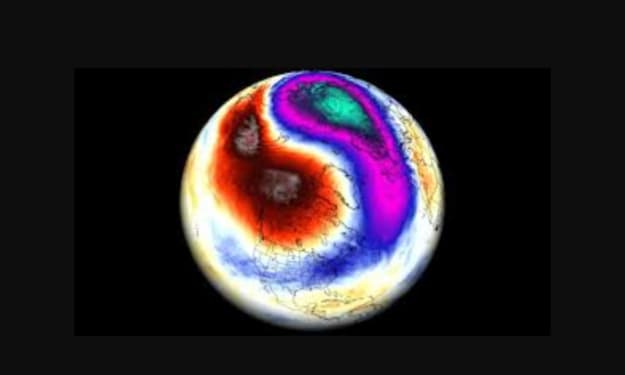
Polar Vortex Collapse Forecast: What It Means and Why It Matters
As winter progresses in the Northern Hemisphere, scientists are closely monitoring forecasts suggesting a potential polar vortex collapse. The term “polar vortex” has entered mainstream conversations in recent years, often associated with extreme cold snaps in North America, Europe, and parts of Asia. But what exactly is a polar vortex collapse, why does it happen, and why should people care? Understanding this phenomenon is crucial, not just for weather enthusiasts, but for anyone concerned about climate change, energy infrastructure, and global weather patterns. What Is the Polar Vortex? The polar vortex is a large area of low pressure and extremely cold air surrounding both of Earth’s poles, contained by a fast-moving band of winds known as the polar jet stream. In the Northern Hemisphere, it sits over the Arctic, spinning in a counterclockwise direction. Under normal conditions, the vortex keeps the Arctic air largely contained. However, fluctuations in atmospheric pressure and temperature can cause the vortex to weaken, shift, or even split, allowing frigid air to escape southward into populated regions. This is often what leads to extreme winter weather events in the United States, Canada, Europe, and Asia. What Does a Polar Vortex Collapse Mean? A “polar vortex collapse” refers to a significant weakening or breakdown of the vortex, often caused by sudden stratospheric warming events high in the atmosphere. When the polar vortex collapses: Arctic air can spill into mid-latitudes, leading to extreme cold in regions unaccustomed to such temperatures. Weather patterns become more erratic, causing longer-lasting cold spells or shifts in precipitation. Jet streams weaken or meander, which can contribute to storms, heavy snowfall, or unusual weather events across continents. The term “collapse” doesn’t mean the vortex disappears entirely — it is still present — but its structural integrity is compromised, allowing Arctic air to move into areas that typically enjoy milder winter conditions. Why Scientists Are Concerned Meteorologists and climate scientists pay close attention to the polar vortex because its behavior has far-reaching implications: Energy Demand: Sudden cold snaps increase heating demand, which can strain power grids and fuel supply chains. Agriculture: Extreme cold can damage crops, delay planting, and reduce yields for sensitive crops like winter wheat. Transportation: Snowstorms and icy conditions disrupt travel, affecting both local commuting and international logistics. Global Weather Links: A collapsed polar vortex can influence weather far beyond North America, including unusual rainfall patterns, storms, and temperature anomalies in Europe and Asia. Recent studies suggest that climate change may be making the polar vortex more unpredictable, with warmer Arctic temperatures affecting the jet stream’s stability. This could lead to more frequent or intense cold waves in regions far from the pole. Historical Examples of Polar Vortex Events The polar vortex has been linked to some of the most memorable winter events in recent decades: January 2014 (United States): Millions faced record-breaking cold as Arctic air plunged southward, with temperatures in the Midwest dropping to -30°F (-34°C) in some areas. February 2021 (North America): A weakened polar vortex contributed to extreme cold across Texas and the central U.S., causing widespread power outages and water supply disruptions. Europe 2018–2019: Fluctuations in the Arctic vortex led to extended cold spells across parts of northern and eastern Europe. Each of these events illustrates how disruptions in the Arctic atmosphere can quickly translate into severe conditions thousands of miles away. Why a Polar Vortex Collapse Matters Globally Although the polar vortex is centered over the Arctic, its collapse affects global weather in multiple ways: Economic Impacts: Cold snaps can halt industrial activity, increase heating costs, and strain insurance systems due to property damage. Climate Feedback Loops: Extreme Arctic events can accelerate ice melt, altering sea levels and global weather patterns. Human Health: Extended periods of extreme cold increase risks of hypothermia, frostbite, and other health emergencies, particularly for vulnerable populations. Ecosystem Effects: Wildlife adapted to stable seasonal patterns may struggle to survive sudden temperature fluctuations, affecting biodiversity in affected regions. The interconnectedness of global systems means that an Arctic event can ripple across continents, affecting agriculture, energy, and even food security. What Can People Do to Prepare? While individuals cannot control atmospheric phenomena, there are practical steps to prepare for polar vortex-related extreme cold: Home Safety: Insulate homes, check heating systems, and prepare emergency kits with blankets, food, and water. Travel Caution: Monitor forecasts before traveling and have contingency plans for snow or ice-related disruptions. Community Awareness: Check on neighbors, especially the elderly or vulnerable, during prolonged cold events. Government Preparedness: Authorities often increase readiness of power grids, emergency services, and transportation systems ahead of forecasted events. Being informed and proactive can reduce the human and economic impact of a polar vortex collapse. Looking Ahead: Climate Change and the Polar Vortex Scientists warn that the Arctic is warming faster than the rest of the planet, which may make the polar vortex more unstable. As the vortex weakens, the frequency of extreme cold events in mid-latitudes may rise, even while the planet as a whole becomes warmer. This paradox — colder extremes amid global warming — can be confusing but is consistent with climate models. It emphasizes the need for global cooperation in climate mitigation, adaptation, and disaster preparedness. Final Thoughts The forecast of a potential polar vortex collapse is a reminder that Earth’s climate system is complex and interconnected. What happens in the Arctic does not stay in the Arctic; it has tangible consequences for energy, health, ecosystems, and economies across the Northern Hemisphere. Understanding these dynamics, staying informed, and taking proactive steps can help societies mitigate risks and adapt to a changing climate. Whether you’re a casual weather watcher or a climate enthusiast, the polar vortex collapse is a phenomenon worth following — because its reach extends far beyond the Arctic Circle.
By Muhammad Hassan3 days ago in Earth
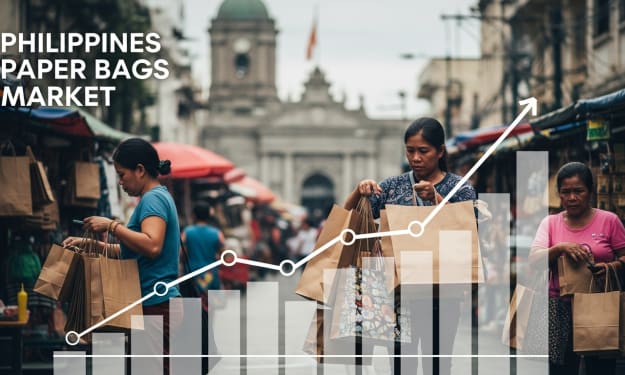
Philippines Paper Bags Market: Packaging Shifts, Environmental Policy & Changing Consumption Patterns
Philippines Paper Bags Market Overview The Philippines paper bags market is undergoing a structural shift as environmental regulation, packaging reform and consumer awareness increasingly influence material choices across industries. According to IMARC Group, The Philippines paper bags market size was valued at USD 28.59 Million in 2025 and is projected to reach USD 46.95 Million by 2034, growing at a compound annual growth rate of 5.66% from 2026-2034. This expansion reflects gradual but consistent changes in packaging practices rather than a single disruptive trend.
By Manisha Dixit6 days ago in Earth

Comments
There are no comments for this story
Be the first to respond and start the conversation.