Aarif Lashari
Stories (673)
Filter by community
At Least 22 Dead as Crane Collapses Onto Train in Thailand. AI-Generated.
Thailand has been plunged into mourning after a devastating accident in which a construction crane collapsed onto a moving passenger train, killing at least 22 people and injuring dozens more. The incident, described by officials as one of the deadliest infrastructure-related accidents in recent years, has raised urgent questions about construction safety, urban development, and oversight in the country.
By Aarif Lashari2 months ago in Earth
Greenland Takes Pleas to UK Parliament. AI-Generated.
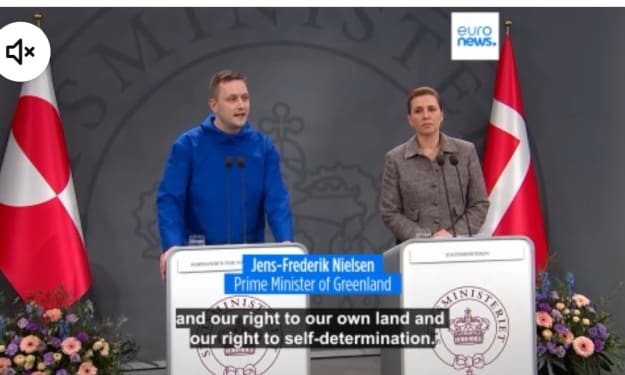
Greenland, the world’s largest island and a semi-autonomous territory within the Kingdom of Denmark, has taken an unusual diplomatic step by bringing its concerns directly to the United Kingdom’s parliament. Greenlandic representatives have made pleas to British lawmakers on issues ranging from climate change and Arctic security to economic development and the rights of Indigenous communities. The move signals Greenland’s growing desire to be heard on the global stage as geopolitical and environmental pressures in the Arctic intensify.
By Aarif Lashari2 months ago in The Swamp
Iran Protests Live Updates: Death Toll Passes 2,500 as Trump Warns Tehran Against Executions. AI-Generated.
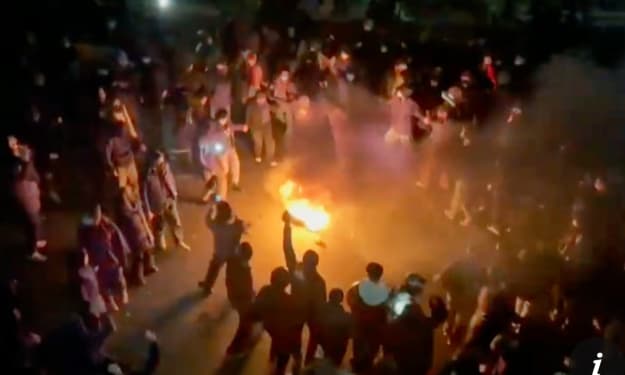
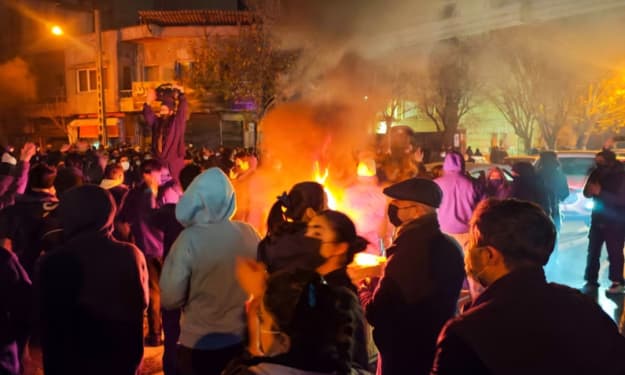
Iran is facing one of the deadliest periods of unrest in its modern history as ongoing protests continue to grip cities across the country. According to reports from human rights organizations and activist networks, the death toll linked to the protests has now passed 2,500, underscoring the scale and severity of the crackdown by Iranian security forces. As the situation escalates, former U.S. President Donald Trump has issued a warning to Tehran, urging authorities to halt executions and calling for international attention to the crisis.
By Aarif Lashari2 months ago in The Swamp
Examining ICE Tactics in Minnesota After the Renee Good Shooting. AI-Generated.
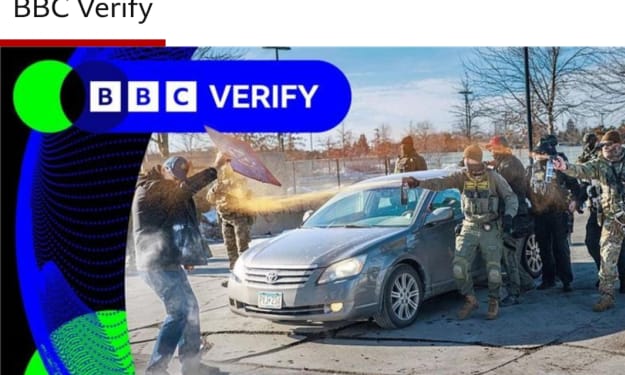
The shooting of Renee Good during an encounter involving U.S. Immigration and Customs Enforcement (ICE) agents has intensified scrutiny of federal immigration enforcement tactics in Minnesota. While investigations into the incident are ongoing and key facts remain contested, the case has sparked renewed debate over how ICE operates, how force is used, and how federal actions affect local communities. For many Minnesotans, the shooting has become a flashpoint in a broader conversation about accountability, transparency, and public safety.
By Aarif Lashari2 months ago in The Swamp
Bill and Hillary Clinton Refuse to Testify in House Epstein Investigation. AI-Generated.
Former President Bill Clinton and former Secretary of State Hillary Clinton have refused to testify in a House investigation examining the late financier Jeffrey Epstein and his network of associates. The decision has reignited political controversy and public debate, as lawmakers continue to probe how Epstein was able to evade accountability for years despite serious allegations of sex trafficking and abuse. The Clintons’ refusal has drawn sharp reactions from critics and supporters alike, underscoring the sensitivity and high stakes of the congressional inquiry.
By Aarif Lashari2 months ago in The Swamp
Danish and Greenlandic Foreign Ministers to Meet US Vice President JD Vance and Secretary of State Marco Rubio in Washington. AI-Generated.
The Danish and Greenlandic foreign ministers are set to meet US Vice President JD Vance and Secretary of State Marco Rubio in Washington on Wednesday, signaling a significant moment in transatlantic diplomacy. The talks are expected to focus on Arctic security, economic cooperation, climate change, and the evolving geopolitical importance of Greenland. As global interest in the Arctic intensifies, this meeting highlights how a once-remote region has become central to international strategy and great-power competition.
By Aarif Lashari2 months ago in The Swamp
Hundreds of Gunshot Eye Injuries Found in One Iranian Hospital Amid Brutal Crackdown on Protests. AI-Generated.
As protests continue to challenge Iran’s leadership, a disturbing medical discovery has drawn international attention. Doctors at a major Iranian hospital have reported treating hundreds of patients with gunshot wounds to the eyes, injuries believed to be the result of a violent crackdown by security forces. The findings have intensified global concern over human rights abuses and raised urgent questions about the methods used to suppress dissent across the country.
By Aarif Lashari2 months ago in The Swamp
Germany’s Nationalist AfD Party Hopes to Take Power in 2026. AI-Generated.
Germany’s political landscape is facing a potential shift as the nationalist Alternative für Deutschland (AfD) party sets its sights on the 2026 elections. Known for its right-wing populist agenda, anti-immigration rhetoric, and Euroscepticism, the AfD has steadily gained traction over the past decade. While mainstream parties continue to dominate national politics, analysts warn that the AfD’s growing influence could reshape Germany’s policy direction and challenge the country’s longstanding commitment to liberal democracy. The Origins of the AfD Founded in 2013, the AfD initially positioned itself as a Eurosceptic party, opposing the European Union’s handling of the eurozone crisis. Over time, the party shifted its focus toward nationalist and anti-immigration policies, tapping into public frustration over migration, globalization, and perceived threats to German cultural identity. The party has also adopted a strong stance against climate regulations and progressive social policies, appealing to conservative voters who feel alienated by Germany’s traditional political parties. These positions have allowed the AfD to carve out a niche in Germany’s fragmented political landscape. Recent Electoral Gains The AfD has seen steady growth in regional and national elections. In the 2021 federal elections, the party captured around 10% of the vote, becoming the third-largest party in the Bundestag. Its support is particularly strong in eastern Germany, where economic disparities, historical resentment, and dissatisfaction with mainstream politics have contributed to its rise. Political analysts note that the AfD’s success is not only electoral but also cultural. By dominating media narratives on immigration and national identity, the party has shifted public debate and forced mainstream parties to respond to issues they might otherwise have avoided. The 2026 Ambitions Looking ahead to the 2026 elections, the AfD aims to increase its share of seats and, potentially, enter government coalitions at both state and federal levels. Party leaders have emphasized a platform focused on reducing immigration, reforming the European Union, and rolling back environmental regulations. Some strategists within the party believe that growing concerns over energy costs, economic inequality, and social change could bolster voter support. By framing itself as a defender of “traditional German values,” the AfD hopes to attract both its core base and disillusioned voters from the center-right spectrum. Controversies and Criticism The AfD’s rise has not been without controversy. Critics accuse the party of promoting xenophobia, undermining democratic norms, and fostering extremist tendencies. Multiple AfD members have faced scrutiny for inflammatory remarks, associations with far-right groups, and attempts to normalize nationalist rhetoric. Germany’s domestic intelligence agency has labeled parts of the AfD as “suspected extremist,” monitoring its activities closely. Opposition parties argue that allowing the AfD into power could threaten Germany’s democratic institutions and international reputation. Public Perception and Support Despite criticism, the AfD retains a loyal voter base. Many supporters argue that the party addresses real concerns about immigration, economic stagnation, and EU bureaucracy that they feel are ignored by mainstream parties. Polls suggest that younger voters and urban populations are less supportive of the AfD, while older, rural, and economically disadvantaged communities continue to provide the party with significant backing. Analysts believe that the 2026 elections could hinge on turnout in these demographic groups. Implications for Germany and Europe The AfD’s potential rise has implications beyond Germany’s borders. As Europe faces migration pressures, energy crises, and political polarization, the success of a nationalist party in one of the continent’s largest economies could inspire similar movements in other countries. European Union leaders have expressed concern that an AfD-led government might adopt policies that clash with EU regulations, potentially straining relations with neighboring countries and weakening cohesion in European decision-making. Challenges Ahead While the AfD hopes to gain power, it faces significant obstacles. Mainstream parties, including the Christian Democrats (CDU) and Social Democrats (SPD), are actively campaigning to prevent the AfD from entering government. Additionally, voter concerns about extremism, international relations, and social stability may limit the party’s growth. Coalition-building will also be a challenge. Many parties have ruled out working with the AfD, meaning that even a strong electoral showing may not translate into executive power. Analysts predict that the AfD’s influence may grow through parliamentary presence rather than direct governance. The Role of Media and Messaging The AfD has been adept at using social media and alternative media platforms to bypass traditional journalistic filters. By framing itself as a voice for the “ignored majority,” the party appeals to voters who distrust mainstream institutions. At the same time, investigative journalism and public awareness campaigns have sought to highlight the party’s extremist tendencies and controversial rhetoric. This ongoing battle over narrative and perception will be crucial in shaping the 2026 elections. Conclusion: A Defining Moment for Germany As Germany approaches 2026, the rise of the AfD represents both an opportunity and a challenge for the nation. For supporters, the party embodies a chance to restore national pride and prioritize domestic concerns. For critics, it threatens to destabilize democratic norms and exacerbate social divisions. The upcoming elections will test Germany’s resilience, political maturity, and commitment to pluralism. Whether the AfD succeeds in taking power or remains a powerful opposition force, its impact on Germany’s political discourse—and the broader European context—will be felt for years to come.
By Aarif Lashari2 months ago in The Swamp
‘Miracle Baby’ Born in a Tree Above Mozambique Floodwaters Dies Aged 25. AI-Generated.
In 1998, a harrowing flood swept through Mozambique, leaving devastation in its wake. Among the stories of survival, one captured global attention: a baby born in the branches of a tree, rescued from rising waters, and hailed as a “miracle baby.” Today, the world mourns as this remarkable individual, who defied the odds from the very beginning, has died at the age of 25. The story of this “miracle baby” was a symbol of resilience and hope during a time of immense tragedy, and its passing reminds the world of both the fragility and strength of human life. The 1998 Mozambique Floods Mozambique, a southeastern African nation prone to seasonal flooding, experienced one of its deadliest natural disasters in 1998. Torrential rains caused rivers to overflow, destroying homes, displacing thousands, and claiming countless lives. Amid the chaos, families scrambled to find safety, often climbing trees or makeshift platforms to escape the rising waters. It was during this desperate struggle that the “miracle baby” was born, suspended above the floodwaters in a tree. The infant’s survival was nothing short of extraordinary, and the story quickly spread worldwide, capturing the attention of humanitarian organizations and media outlets alike. A Birth Against All Odds According to accounts from local witnesses, the mother had no access to medical care and found herself clinging to a tree as floodwaters engulfed the village. In the midst of life-threatening conditions, she gave birth to a baby who would come to symbolize hope for a nation reeling from disaster. Doctors later described the baby’s survival as a rare and remarkable event. Despite being born in an extremely precarious situation, the child thrived, demonstrating an early resilience that would define their life. International media dubbed the newborn the “miracle baby,” and the story became a symbol of human endurance amid natural catastrophe. Growing Up Under a Global Spotlight The child grew up in Mozambique, in a country still recovering from both natural disasters and the long-lasting effects of civil conflict. Despite the challenges, they led a life marked by perseverance and community support. Throughout childhood, the “miracle baby” remained a figure of inspiration for locals and people around the world. Stories of their survival were shared in classrooms, humanitarian campaigns, and media features, reinforcing the importance of hope and determination even in the face of overwhelming adversity. A Life of Inspiration Those who knew the young adult described them as resilient, compassionate, and committed to helping others. They frequently participated in local community initiatives and became an advocate for disaster preparedness, speaking to young people about the importance of resilience in the face of adversity. The “miracle baby” became a living testament to human survival, symbolizing the enduring spirit of Mozambique and the ability to overcome unimaginable odds. Their life was intertwined with the collective memory of a nation that had experienced loss and devastation but found hope in extraordinary stories like theirs. Passing at 25 Tragically, the “miracle baby” passed away at the age of 25. While the cause of death has not been widely publicized, local sources confirm that the community and those who followed their story worldwide are mourning this loss deeply. News of the passing has sparked an outpouring of condolences, tributes, and reflections on the journey of a life that began in such extraordinary circumstances. Social media users, humanitarian groups, and journalists have shared memories and expressed admiration for a life that became emblematic of survival and hope. Reflections on a Life Lived The story of this “miracle baby” serves as a reminder of the unpredictable nature of life and the power of resilience. Being born in the middle of a catastrophic flood and surviving against overwhelming odds is a narrative few can comprehend. Yet, this individual not only survived but contributed to their community, inspiring countless others along the way. Their story also sheds light on the broader context of Mozambique’s challenges, including climate-related disasters, poverty, and the ongoing efforts to strengthen disaster preparedness and community resilience. Legacy of Hope Though the “miracle baby” has passed, their legacy lives on. Humanitarian organizations and local communities often cite their story as motivation to continue building programs that protect vulnerable populations during floods and other natural disasters. Educational campaigns now frequently reference this narrative to illustrate the importance of resilience, courage, and community solidarity. For many, the story serves as a reminder that even in the darkest moments, hope and determination can shine through. Conclusion: Remembering a Symbol of Survival The death of Mozambique’s “miracle baby” at 25 is a moment of reflection for a nation and the world. From being born in a tree above raging floodwaters to inspiring generations, this life symbolized human endurance, courage, and hope. While their time was tragically short, the story continues to resonate, reminding humanity of the extraordinary strength that can emerge in the face of adversity. As communities remember this remarkable individual, their journey from a tree in a flooded landscape to a young adult impacting lives will forever remain a testament to resilience and the enduring power of hope.
By Aarif Lashari2 months ago in The Swamp
Ukraine War Briefing: Oreshnik Missile Sparks Anger at UN Security Council. AI-Generated.
The ongoing conflict in Ukraine has once again drawn the world’s attention after the recent deployment of the Oreshnik missile became a focal point of debate at the United Nations Security Council (UNSC). The missile, reportedly used in the latest skirmishes in eastern Ukraine, has intensified global concerns about the escalating conflict and the potential humanitarian consequences. Diplomats, analysts, and world leaders are closely monitoring the situation as discussions at the UNSC reveal deep divisions among member states over accountability, sanctions, and peace efforts. What Is the Oreshnik Missile? The Oreshnik missile is a newly highlighted weapon in the Ukraine war, drawing scrutiny for its advanced capabilities. Analysts describe it as a medium-range guided missile, designed for precision strikes against strategic military targets. Its use in the conflict has raised questions about proportionality, civilian safety, and adherence to international law. While military officials claim the missile provides tactical advantages, critics argue that its deployment near populated areas risks civilian lives and could violate humanitarian norms. The UN Security Council Reacts The UNSC convened an emergency session following reports of the missile strikes. Member states expressed sharply divided opinions on how to respond. Countries condemning the missile’s use stressed that such actions escalate the war and endanger civilians. They called for urgent investigations and reiterated demands for Russia to adhere to international humanitarian law. Conversely, some nations defended the deployment, framing it as a necessary act of national defense. This division highlights broader geopolitical tensions, reflecting competing interests and alliances that influence the Security Council’s ability to take unified action. Global Outrage and Public Response The news of the Oreshnik missile’s deployment has ignited widespread outrage beyond diplomatic circles. International media outlets and human rights organizations have amplified concerns about civilian casualties, particularly in areas with high population density. Social media has also become a platform for activists, journalists, and everyday citizens to voice their anger and call for immediate intervention. Protests and awareness campaigns in Europe, North America, and parts of Asia emphasize the humanitarian toll of the conflict. These global reactions put additional pressure on world leaders to respond with decisive measures, including sanctions, diplomatic interventions, and peacekeeping efforts. Strategic Implications for Ukraine Military analysts suggest that the Oreshnik missile represents a strategic escalation, signaling a shift in the tactics used in the ongoing war. Its precision targeting may give the deploying forces significant operational advantage, but it also risks triggering stronger international responses. Ukrainian officials have condemned the missile attacks, citing civilian harm and destruction of critical infrastructure. In practical terms, the missile’s use may influence the balance of power in contested regions, particularly in eastern Ukraine where fighting has been intense. Analysts warn that the weapon could intensify the conflict, complicating prospects for negotiations and prolonging human suffering. Diplomatic Challenges at the UNSC The Security Council faces significant challenges in addressing the Oreshnik missile controversy. The council’s permanent members, including the United States, Russia, China, the United Kingdom, and France, hold veto powers that make unanimous resolutions difficult. In this case, political alliances and opposing narratives have prevented a clear consensus on punitive measures or interventions. Experts argue that the deadlock at the UNSC underscores broader limitations in the international system when addressing conflicts involving advanced weaponry and state actors with competing agendas. Without coordinated action, the risk of escalation in Ukraine remains high. Humanitarian Concerns Humanitarian organizations have highlighted the immediate consequences of missile strikes, including displacement, injuries, and infrastructure destruction. Hospitals, schools, and residential areas in eastern Ukraine have reportedly suffered damage, exacerbating the ongoing humanitarian crisis. International agencies emphasize that protecting civilians must remain a priority, urging both sides to respect international law. They also call for increased funding and access for relief efforts, warning that continued military escalation could worsen the already dire situation for millions of Ukrainians. The Path Forward While the Oreshnik missile has intensified global attention on Ukraine, experts stress that long-term solutions require diplomacy and accountability. Negotiations at international forums, including the UN, must balance security concerns with humanitarian imperatives. Observers note that transparency in military actions, independent investigations, and adherence to international treaties are essential to prevent further escalation. Meanwhile, the global community faces the challenge of supporting Ukraine while avoiding policies that could exacerbate the conflict. Conclusion: A Critical Moment in Global Diplomacy The deployment of the Oreshnik missile and the ensuing debates at the UN Security Council mark a critical moment in the Ukraine conflict. It underscores the intersection of modern warfare, geopolitics, and humanitarian responsibility. As the world watches, the international community faces urgent questions: How can escalation be prevented? How can civilian lives be protected? And what role should global institutions play in mediating a conflict that continues to threaten regional and international stability? For Ukraine, the missile represents both a tactical and symbolic escalation, while for the UN and its member states, it highlights the challenges of enforcing international norms in a rapidly changing conflict landscape. The coming weeks may determine not only the trajectory of the war but also the credibility of global governancein upholding peace and security.
By Aarif Lashari2 months ago in The Swamp
The Trans Youth Athletes in the US Fighting for Their Rights: ‘Playing Is an Act of Resistance. AI-Generated.
Across the United States, youth sports have become a flashpoint in the broader cultural and political debate over transgender rights. For transgender and nonbinary young athletes, stepping onto a field, court, or track is no longer just about competition or teamwork—it has become a deeply political act. As state legislatures pass laws restricting trans participation in school sports, many trans youth athletes say that simply playing the games they love feels like an act of resistance, resilience, and self-affirmation. The Rise of Restrictive Laws Over the past few years, dozens of US states have proposed or enacted laws that bar transgender youth—particularly trans girls—from participating in sports consistent with their gender identity. Supporters of these laws argue they are designed to preserve “fairness” in women’s sports. Critics, however, say the measures are discriminatory, unsupported by scientific evidence, and target a very small and vulnerable population. According to civil rights groups, these policies often affect children as young as elementary school age. For many trans youth athletes, the laws mean exclusion from school teams, loss of scholarships, and the erasure of a key source of community and mental well-being. “Playing Is Who I Am” For trans youth athletes, sports are not just extracurricular activities—they are lifelines. Many describe athletics as a place where they first learned discipline, teamwork, and confidence. Being told they no longer belong can be devastating. One high school runner from the Midwest explained that competing helped them survive years of bullying and isolation. “When I run, I feel free,” they said. “When lawmakers say I can’t race, it feels like they’re saying I shouldn’t exist.” For these young people, continuing to play—whether in school leagues, community teams, or informal settings—is a way to assert their humanity. “Playing is an act of resistance,” said another trans athlete. “It’s me saying I deserve joy and opportunity like anyone else.” The Mental Health Impact Medical and psychological associations, including the American Academy of Pediatrics and the American Psychological Association, have repeatedly warned about the mental health consequences of excluding trans youth from sports. Research shows that participation in athletics can reduce anxiety, depression, and suicide risk among young people. Transgender youth already face higher rates of mental health challenges due to stigma and discrimination. Advocates argue that sports bans compound this harm by cutting off a critical support system. Coaches and teachers have also voiced concern, noting that sports often provide structure and mentorship that many students rely on. Athletes Becoming Advocates In response to these laws, some trans youth athletes have become outspoken advocates, testifying at state capitols, speaking to media outlets, and joining lawsuits challenging the bans. Despite their young age, they are often forced into the public eye, defending their right to play against hostile rhetoric. Legal challenges have had mixed results. In some states, courts have temporarily blocked enforcement of sports bans, allowing trans athletes to compete while cases proceed. In others, the laws remain in effect, leaving students in limbo. Civil rights organizations argue that these restrictions violate constitutional protections and federal civil rights laws, including Title IX, which prohibits sex-based discrimination in education. Voices from the Sports Community Not all opposition comes from activists alone. Many professional athletes, coaches, and sports organizations have spoken out against the bans. They argue that youth sports should prioritize inclusion, participation, and development—not exclusion based on identity. Several major sports bodies have adopted inclusive policies, emphasizing that there is no evidence trans youth athletes threaten fairness in school sports. Medical experts also note that athletic performance varies widely among individuals and cannot be reduced to gender identity alone. Political Symbolism and Real-Life Consequences Critics say the focus on trans youth athletes is largely symbolic, driven more by political strategy than real concerns about sports integrity. Transgender athletes make up a tiny fraction of all student athletes, yet they have become central to campaign speeches and culture-war narratives. For the athletes affected, however, the consequences are deeply personal. Some families have relocated to more inclusive states so their children can continue playing. Others have turned to private leagues or stopped participating altogether, grieving the loss of something that once brought joy and purpose. Resilience and Hope Despite the challenges, many trans youth athletes remain determined. They find strength in supportive families, inclusive coaches, and teammates who stand by them. Social media has also helped young athletes connect across state lines, sharing stories and strategies for coping and resistance. Grassroots movements continue to push for change, emphasizing empathy, science, and the voices of the athletes themselves. Advocates stress that the debate should center on children’s well-being, not fear or misinformation. Conclusion: More Than a Game For trans youth athletes in the US, sports are about more than winning or losing. They are about belonging, dignity, and the right to participate fully in society. As legal and political battles continue, these young athletes keep showing up—on fields, courts, and tracks—as a quiet but powerful form of protest. In their determination to play, they send a clear message: their identities are not up for debate, and their love of sport will not be legislated away. For them, playing is not just a game—it is an act of resistance, hope, and survival.
By Aarif Lashari2 months ago in The Swamp
DoJ Attorneys Resign Over Decision Not to Investigate Agent in Minneapolis ICE Shooting. AI-Generated.
A Justice Department Decision Sparks Fallout Several US Department of Justice (DoJ) attorneys have resigned following an internal decision not to pursue a criminal investigation into a federal immigration agent involved in a shooting in Minneapolis, according to multiple officials familiar with the matter. The resignations have intensified scrutiny of the DoJ’s handling of the case and fueled public debate over law enforcement accountability, particularly when federal agents are involved. The shooting, which occurred during an Immigration and Customs Enforcement (ICE) operation in Minneapolis, has already drawn local outrage and national attention. The decision not to open a formal investigation has now added a new layer of controversy—this time from within the Justice Department itself. What Is Known About the Minneapolis ICE Shooting Details surrounding the incident remain limited, as authorities have not released a full public account. What has been confirmed is that an ICE agent discharged a firearm during an operation, resulting in a civilian being shot. The condition of the victim has not been fully detailed in official statements, though local officials confirmed the individual survived. Local law enforcement initially responded to the scene, but jurisdictional authority shifted quickly due to the involvement of a federal agent. Under standard procedure, incidents involving federal officers are typically reviewed by the DoJ to determine whether a civil rights or criminal investigation is warranted. It was this review—and its outcome—that ultimately triggered internal dissent. Why DoJ Attorneys Walked Away According to sources familiar with the resignations, multiple attorneys—some with experience in civil rights and public integrity cases—objected strongly to the decision not to open a formal investigation. They argued that the shooting met the threshold for independent review, regardless of whether charges were ultimately brought. One former official described the decision as “a dangerous precedent,” warning that declining to investigate could erode public trust. Others reportedly felt that political considerations, rather than legal standards, influenced the outcome. While the DoJ has not publicly confirmed the number of resignations, officials acknowledged that departures occurred and said they were handled in accordance with internal procedures. The Justice Department’s Position In a brief statement, the Department of Justice said it had conducted an initial assessment of the incident and concluded that there was insufficient basis to proceed with a criminal investigation at this time. Officials emphasized that such decisions are made after reviewing available evidence, including use-of-force policies and witness statements. The department rejected claims that the decision was politically motivated, insisting that prosecutors follow established legal thresholds rather than public pressure. However, the DoJ declined to provide further details, citing the sensitive nature of law enforcement operations and personnel matters. Minneapolis Officials and Community Reaction In Minneapolis, the reaction has been swift and critical. City leaders and community advocates have called for greater transparency, arguing that federal agents operating within city limits should be subject to the same level of scrutiny as local police. “This isn’t about politics—it’s about accountability,” said a local civil rights advocate. “When someone is shot, there must be an independent investigation, regardless of the badge involved.” Protests and community meetings have followed, with residents demanding the release of body camera footage, operational details, and a clearer explanation for the DoJ’s decision. ICE Operations Under Renewed Scrutiny The shooting and subsequent fallout have reignited broader concerns about ICE enforcement tactics. Critics argue that immigration operations often take place with limited oversight, creating conditions where accountability gaps can emerge. Advocacy groups note that ICE agents are armed and authorized to use force, yet incidents involving shootings are relatively rare—and therefore require especially careful review when they occur. Supporters of ICE counter that agents operate in dangerous environments and must make split-second decisions, warning against rushing to judgment without full facts. Political Pressure and the Rule of Law The resignations have also raised questions about political pressure within federal law enforcement agencies. While no direct evidence has been made public, former prosecutors say internal disagreement of this magnitude is unusual and concerning. “When career attorneys resign over a single decision, it signals a serious breakdown of trust,” said a former federal prosecutor. “That doesn’t happen lightly.” Lawmakers from both parties have begun asking questions, with some calling for congressional oversight hearings into the incident and the DoJ’s decision-making process. Legal Standards vs Public Expectations At the heart of the controversy is a long-standing tension in US justice: the gap between legal thresholds for prosecution and public expectations of accountability. Opening an investigation does not imply guilt, but declining to investigate can be perceived as preemptively closing the door on transparency. Civil rights experts argue that even if prosecutors believe charges are unlikely, a formal investigation can still serve an important public interest. “The process matters as much as the outcome,” said one legal scholar. “Especially when federal authority is involved.” What Happens Next While the DoJ has indicated it will not revisit its decision at this time, pressure is mounting. Civil lawsuits, independent reviews, or congressional inquiries could still follow. Meanwhile, the resignations themselves may become part of a broader reckoning inside the Justice Department, as leaders assess how internal dissent is handled—and how public confidence can be restored. For the attorneys who resigned, the decision appears to have been a matter of principle. For the public, the unanswered questions surrounding the Minneapolis shooting remain unresolved. Conclusion: A Case That Won’t Fade Quietly The resignations of DoJ attorneys over the decision not to investigate an ICE agent involved in a Minneapolis shooting have turned a single law enforcement incident into a national flashpoint. Beyond the specifics of the case, the episode raises fundamental questions about accountability, transparency, and the independence of the justice system. Whether through further investigation, legal action, or political oversight, the issue is unlikely to disappear—and the consequences may shape how similar cases are handled in the future.
By Aarif Lashari2 months ago in Earth