
Hundreds of Gunshot Eye Injuries Found in One Iranian Hospital Amid Brutal Crackdown on Protests
Introduction: A Shocking Medical Discovery
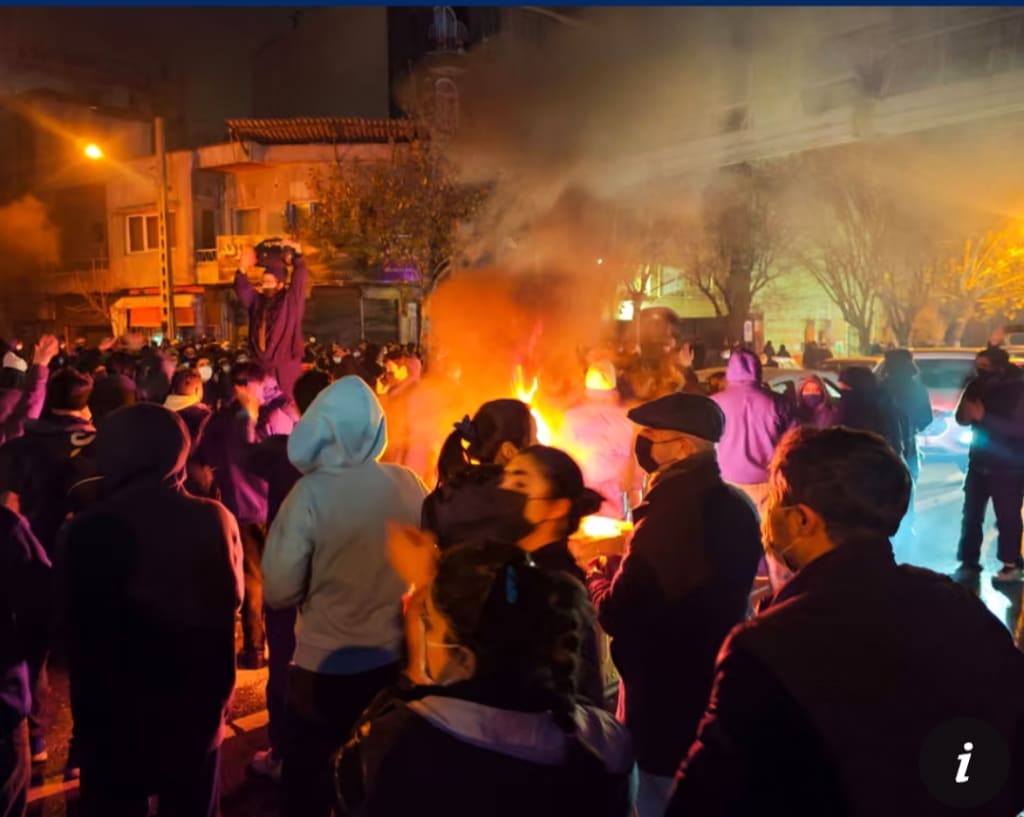
As protests continue to challenge Iran’s leadership, a disturbing medical discovery has drawn international attention. Doctors at a major Iranian hospital have reported treating hundreds of patients with gunshot wounds to the eyes, injuries believed to be the result of a violent crackdown by security forces. The findings have intensified global concern over human rights abuses and raised urgent questions about the methods used to suppress dissent across the country.
Medical professionals and human rights organizations say the pattern of injuries points to deliberate targeting, transforming hospitals into silent witnesses of a brutal response to civilian protest.
Protests and the Government Response
Iran has experienced repeated waves of protests in recent years, driven by economic hardship, political repression, and demands for greater personal freedoms. Demonstrations escalated sharply following the death of Mahsa Amini in police custody, an event that galvanized nationwide outrage.
Authorities responded with a heavy security presence, deploying police, Revolutionary Guard units, and plainclothes officers to control crowds. Protesters reported widespread use of live ammunition, metal pellets, and rubber bullets. While the government maintains that it acted to preserve order, mounting evidence suggests the response may have crossed into systematic violence.
Doctors Report a Disturbing Pattern
Medical staff at one Iranian hospital disclosed that they treated hundreds of patients suffering severe eye injuries caused by gunfire. Many victims arrived with shattered eye sockets, permanent vision loss, or complete blindness. Doctors noted that the injuries were unusually consistent, suggesting intentional targeting of the face and eyes.
Physicians working under anonymity said that security forces appeared to aim above the waist, contradicting standard crowd-control protocols. “These are not accidental injuries,” one doctor reportedly said. “The precision suggests purpose.”
Silencing Dissent Through Fear
Human rights experts argue that targeting eyes serves a psychological purpose beyond physical harm. Blinding protesters not only incapacitates individuals but sends a message of fear to society at large. Survivors face lifelong disability, medical costs, and trauma, discouraging others from joining demonstrations.
Activists believe these tactics are designed to permanently mark dissenters, both physically and socially. Many victims fear seeking treatment due to possible arrest, further worsening outcomes and hiding the true scale of injuries.
Hospitals Under Pressure
Hospitals treating injured protesters face intense scrutiny from Iranian authorities. Reports suggest security personnel monitor emergency wards, question injured patients, and pressure doctors to alter medical records. Some patients allegedly avoid hospitals altogether, relying on underground clinics or self-treatment.
Medical professionals have described working in an atmosphere of fear, torn between their ethical duty to treat patients and the risk of retaliation. Several doctors have reportedly been detained or threatened for speaking out.
International Condemnation
The reports of mass eye injuries have triggered condemnation from international human rights organizations, including Amnesty International and Human Rights Watch. These groups argue that the injuries constitute evidence of excessive and possibly unlawful use of force.
The United Nations has called for an independent investigation, emphasizing that intentional targeting of civilians may violate international law. Western governments have also imposed or expanded sanctions against Iranian officials linked to security operations.
Iranian authorities, however, deny wrongdoing, claiming security forces acted within the law and blaming foreign media for exaggeration and misinformation.
Stories of the Victims
Behind the statistics are deeply personal tragedies. Young men and women, many in their teens and twenties, have lost one or both eyes. Students, artists, and workers now face permanent disability after attending or even passing near protests.
Families describe lives abruptly changed. Parents must now care for children who can no longer see. Victims report nightmares, depression, and social isolation. For many, the injuries symbolize not only physical loss but the silencing of their voices.
A Pattern Seen Before
Experts note that eye-targeting tactics have been documented in other crackdowns worldwide, including protests in Chile and Kashmir. Such methods allow authorities to suppress unrest without mass fatalities, while still inflicting long-term harm.
However, the scale reported in Iran—hundreds of similar injuries at a single hospital—suggests a level of coordination rarely seen. Analysts argue this points to training or directives rather than isolated misconduct.
The Role of Documentation
Despite censorship and internet shutdowns, activists continue to document injuries through social media, encrypted messaging apps, and exile networks. Medical evidence, photographs, and survivor testimonies are being compiled to preserve records for future accountability.
Human rights lawyers say this documentation could be crucial if international courts or tribunals eventually review Iran’s actions. History shows that such records often become vital long after events fade from headlines.
Conclusion: A Stark Warning
The discovery of hundreds of gunshot eye injuries in one Iranian hospital offers a chilling glimpse into the cost of dissent under repression. What began as protests for dignity and freedom has left many permanently blinded, their injuries standing as silent testimony to a violent crackdown.
As international pressure mounts, the world faces a critical question: will these injuries become another forgotten statistic, or a turning point that forces accountability? For the victims, justice remains uncertain—but their scars tell a story that cannot be unseen.
About the Creator
Keep reading
More stories from Aarif Lashari and writers in The Swamp and other communities.
Germany’s Nationalist AfD Party Hopes to Take Power in 2026
Germany’s political landscape is facing a potential shift as the nationalist Alternative für Deutschland (AfD) party sets its sights on the 2026 elections. Known for its right-wing populist agenda, anti-immigration rhetoric, and Euroscepticism, the AfD has steadily gained traction over the past decade. While mainstream parties continue to dominate national politics, analysts warn that the AfD’s growing influence could reshape Germany’s policy direction and challenge the country’s longstanding commitment to liberal democracy. The Origins of the AfD Founded in 2013, the AfD initially positioned itself as a Eurosceptic party, opposing the European Union’s handling of the eurozone crisis. Over time, the party shifted its focus toward nationalist and anti-immigration policies, tapping into public frustration over migration, globalization, and perceived threats to German cultural identity. The party has also adopted a strong stance against climate regulations and progressive social policies, appealing to conservative voters who feel alienated by Germany’s traditional political parties. These positions have allowed the AfD to carve out a niche in Germany’s fragmented political landscape. Recent Electoral Gains The AfD has seen steady growth in regional and national elections. In the 2021 federal elections, the party captured around 10% of the vote, becoming the third-largest party in the Bundestag. Its support is particularly strong in eastern Germany, where economic disparities, historical resentment, and dissatisfaction with mainstream politics have contributed to its rise. Political analysts note that the AfD’s success is not only electoral but also cultural. By dominating media narratives on immigration and national identity, the party has shifted public debate and forced mainstream parties to respond to issues they might otherwise have avoided. The 2026 Ambitions Looking ahead to the 2026 elections, the AfD aims to increase its share of seats and, potentially, enter government coalitions at both state and federal levels. Party leaders have emphasized a platform focused on reducing immigration, reforming the European Union, and rolling back environmental regulations. Some strategists within the party believe that growing concerns over energy costs, economic inequality, and social change could bolster voter support. By framing itself as a defender of “traditional German values,” the AfD hopes to attract both its core base and disillusioned voters from the center-right spectrum. Controversies and Criticism The AfD’s rise has not been without controversy. Critics accuse the party of promoting xenophobia, undermining democratic norms, and fostering extremist tendencies. Multiple AfD members have faced scrutiny for inflammatory remarks, associations with far-right groups, and attempts to normalize nationalist rhetoric. Germany’s domestic intelligence agency has labeled parts of the AfD as “suspected extremist,” monitoring its activities closely. Opposition parties argue that allowing the AfD into power could threaten Germany’s democratic institutions and international reputation. Public Perception and Support Despite criticism, the AfD retains a loyal voter base. Many supporters argue that the party addresses real concerns about immigration, economic stagnation, and EU bureaucracy that they feel are ignored by mainstream parties. Polls suggest that younger voters and urban populations are less supportive of the AfD, while older, rural, and economically disadvantaged communities continue to provide the party with significant backing. Analysts believe that the 2026 elections could hinge on turnout in these demographic groups. Implications for Germany and Europe The AfD’s potential rise has implications beyond Germany’s borders. As Europe faces migration pressures, energy crises, and political polarization, the success of a nationalist party in one of the continent’s largest economies could inspire similar movements in other countries. European Union leaders have expressed concern that an AfD-led government might adopt policies that clash with EU regulations, potentially straining relations with neighboring countries and weakening cohesion in European decision-making. Challenges Ahead While the AfD hopes to gain power, it faces significant obstacles. Mainstream parties, including the Christian Democrats (CDU) and Social Democrats (SPD), are actively campaigning to prevent the AfD from entering government. Additionally, voter concerns about extremism, international relations, and social stability may limit the party’s growth. Coalition-building will also be a challenge. Many parties have ruled out working with the AfD, meaning that even a strong electoral showing may not translate into executive power. Analysts predict that the AfD’s influence may grow through parliamentary presence rather than direct governance. The Role of Media and Messaging The AfD has been adept at using social media and alternative media platforms to bypass traditional journalistic filters. By framing itself as a voice for the “ignored majority,” the party appeals to voters who distrust mainstream institutions. At the same time, investigative journalism and public awareness campaigns have sought to highlight the party’s extremist tendencies and controversial rhetoric. This ongoing battle over narrative and perception will be crucial in shaping the 2026 elections. Conclusion: A Defining Moment for Germany As Germany approaches 2026, the rise of the AfD represents both an opportunity and a challenge for the nation. For supporters, the party embodies a chance to restore national pride and prioritize domestic concerns. For critics, it threatens to destabilize democratic norms and exacerbate social divisions. The upcoming elections will test Germany’s resilience, political maturity, and commitment to pluralism. Whether the AfD succeeds in taking power or remains a powerful opposition force, its impact on Germany’s political discourse—and the broader European context—will be felt for years to come.
By Aarif Lashari7 days ago in The Swamp


Comments
There are no comments for this story
Be the first to respond and start the conversation.