
Iran Protests Live Updates: Death Toll Passes 2,500 as Trump Warns Tehran Against Executions
Introduction: A Crisis Deepens in Iran
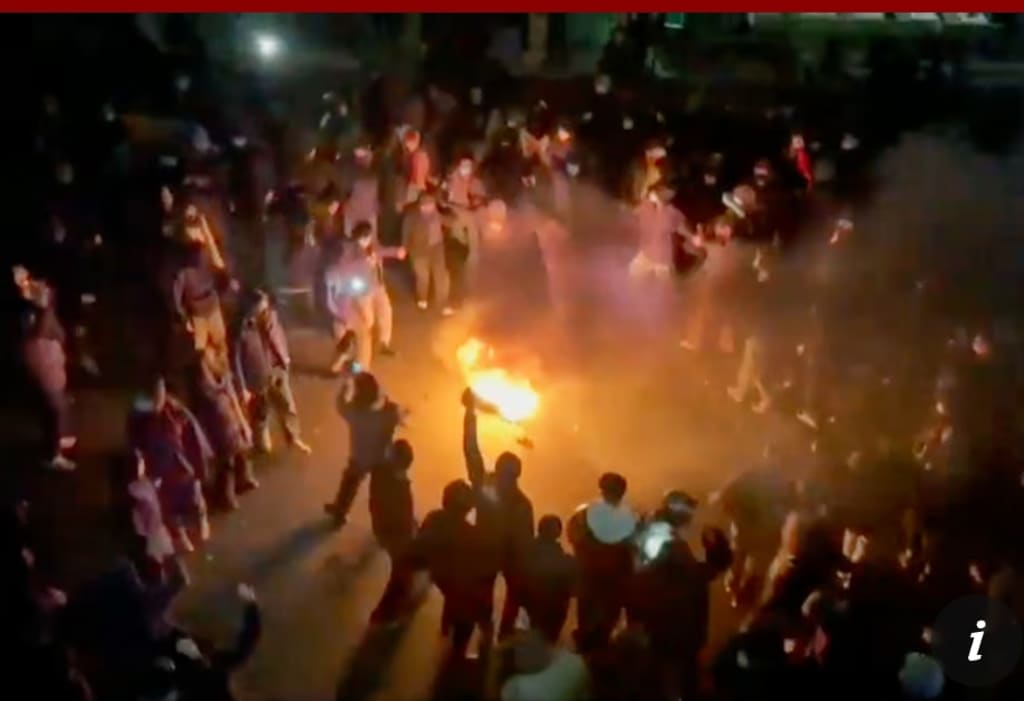
Iran is facing one of the deadliest periods of unrest in its modern history as ongoing protests continue to grip cities across the country. According to reports from human rights organizations and activist networks, the death toll linked to the protests has now passed 2,500, underscoring the scale and severity of the crackdown by Iranian security forces. As the situation escalates, former U.S. President Donald Trump has issued a warning to Tehran, urging authorities to halt executions and calling for international attention to the crisis.
The developments mark a critical moment in Iran’s internal conflict, with rising casualties, mounting global pressure, and an uncertain path forward.
Background: How the Protests Began
The current wave of protests began amid widespread public anger over economic hardship, political repression, and restrictions on personal freedoms. While demonstrations initially focused on specific grievances, they quickly evolved into nationwide calls for systemic change.
Triggering events—such as deaths in custody and allegations of abuse by authorities—sparked mass demonstrations across Tehran, Mashhad, Isfahan, and dozens of other cities. Protesters, many of them young, demanded accountability, justice, and expanded civil rights.
Death Toll Passes 2,500
Human rights groups monitoring the situation report that more than 2,500 people have been killed since the protests began. These figures include protesters, bystanders, and, in some cases, minors. Because Iran restricts media access and limits internet connectivity, the true number may be even higher.
Doctors and witnesses have described widespread use of live ammunition, metal pellets, and tear gas. Hospitals have reportedly treated thousands of injured protesters, some with life-altering wounds. Iranian authorities dispute these figures, claiming security forces acted to maintain order and accusing foreign actors of exaggerating casualties.
Security Crackdown Intensifies
As protests persist, Iran’s response has grown increasingly forceful. Security forces, including riot police and paramilitary units, have conducted mass arrests, nighttime raids, and surveillance of suspected activists.
Internet shutdowns and social media restrictions have become routine, aimed at limiting coordination and information sharing. Despite these measures, videos and eyewitness accounts continue to emerge, showing clashes between protesters and security forces.
Rights groups warn that the crackdown has moved beyond crowd control into systematic repression, targeting journalists, lawyers, and civil society figures.
Arrests, Trials, and Executions
Thousands of protesters have reportedly been detained, many facing charges related to national security. Activists say trials are often conducted behind closed doors, with limited access to legal representation.
Executions have become a major point of concern. Iran has a long history of capital punishment, but critics argue that its recent use against protesters represents a deliberate attempt to deter dissent. Several detainees have reportedly been sentenced to death, prompting international condemnation.
Trump Issues Warning to Tehran
Amid the escalating crisis, former U.S. President Donald Trump weighed in, warning Iranian authorities against carrying out executions. In public statements, Trump accused Tehran of using fear and violence to suppress its population and called on the international community to respond.
Trump’s remarks have drawn mixed reactions. Supporters argue that outspoken warnings help spotlight human rights abuses, while critics caution that such statements could further politicize the crisis or be used by Iranian authorities to justify harsher measures.
International Reaction
Global response to the situation in Iran has intensified as casualty numbers rise. The United Nations has called for restraint, independent investigations, and respect for human rights. European governments have summoned Iranian diplomats and expanded sanctions against officials linked to the crackdown.
Human rights organizations, including Amnesty International and Human Rights Watch, continue to document abuses and advocate for accountability. Online campaigns and protests by the Iranian diaspora have amplified global awareness.
Iranian officials, however, reject foreign criticism, labeling it interference in domestic affairs and blaming unrest on external enemies.
Voices from Inside Iran
Despite immense risks, Iranians continue to speak out. Protesters describe a climate of fear mixed with determination. Many say they are driven by frustration with economic instability, lack of political voice, and decades of restrictions.
Families of victims have shared stories of loss and grief, often under threat of retaliation. For many, the protests are no longer about specific policies but about dignity and the future of the country.
Media Restrictions and Information Gaps
One of the biggest challenges in assessing the situation is the lack of independent reporting. Foreign journalists face severe restrictions, while local reporters risk arrest. As a result, much of the information comes from activists, leaked documents, and social media footage.
Analysts caution that while some details may be difficult to verify, the consistency of reports from multiple sources points to a widespread and sustained crackdown.
What Comes Next
The future of the protests remains uncertain. Some analysts believe sustained pressure—both domestically and internationally—could force limited reforms. Others warn that continued repression may lead to further bloodshed and long-term instability.
The role of international actors, including the United States, Europe, and global institutions, will likely influence Tehran’s next steps. Whether warnings, sanctions, or diplomatic engagement can curb executions and violence remains an open question.
Conclusion: A Defining Moment for Iran
As the death toll passes 2,500, Iran stands at a crossroads. The protests have revealed deep divisions between the state and society, and the government’s response has drawn unprecedented scrutiny.
Trump’s warning against executions adds to growing international pressure, but the fate of detainees and protesters remains uncertain. For millions of Iranians, the stakes are existential—about freedom, justice, and the right to be heard.
The coming weeks may determine whether the crisis deepens further or opens a path, however fragile, toward change. For now, the world watches as Iran’s streets remain a battleground between repression and resistance.
About the Creator
Keep reading
More stories from Aarif Lashari and writers in The Swamp and other communities.
Examining ICE Tactics in Minnesota After the Renee Good Shooting
The shooting of Renee Good during an encounter involving U.S. Immigration and Customs Enforcement (ICE) agents has intensified scrutiny of federal immigration enforcement tactics in Minnesota. While investigations into the incident are ongoing and key facts remain contested, the case has sparked renewed debate over how ICE operates, how force is used, and how federal actions affect local communities. For many Minnesotans, the shooting has become a flashpoint in a broader conversation about accountability, transparency, and public safety.
By Aarif Lashari4 days ago in The Swamp
“We hope they will give us heat”: Bitter winter cold bites for Kyiv’s residents as Russia steps up attacks
Winter in Kyiv has never been kind, but this season carries a sharper edge. As icy winds sweep through the streets and snow settles on damaged rooftops, the cold is no longer just a feature of the weather—it is a constant reminder of a war that shows no sign of easing. With Russia stepping up attacks on critical infrastructure, Kyiv’s residents are enduring long power outages, unreliable heating, and an exhausting routine of adaptation and survival.
By Aqib Hussain6 days ago in The Swamp


Comments
There are no comments for this story
Be the first to respond and start the conversation.