
Examining ICE Tactics in Minnesota After the Renee Good Shooting
Introduction: A Tragic Incident Under Scrutiny
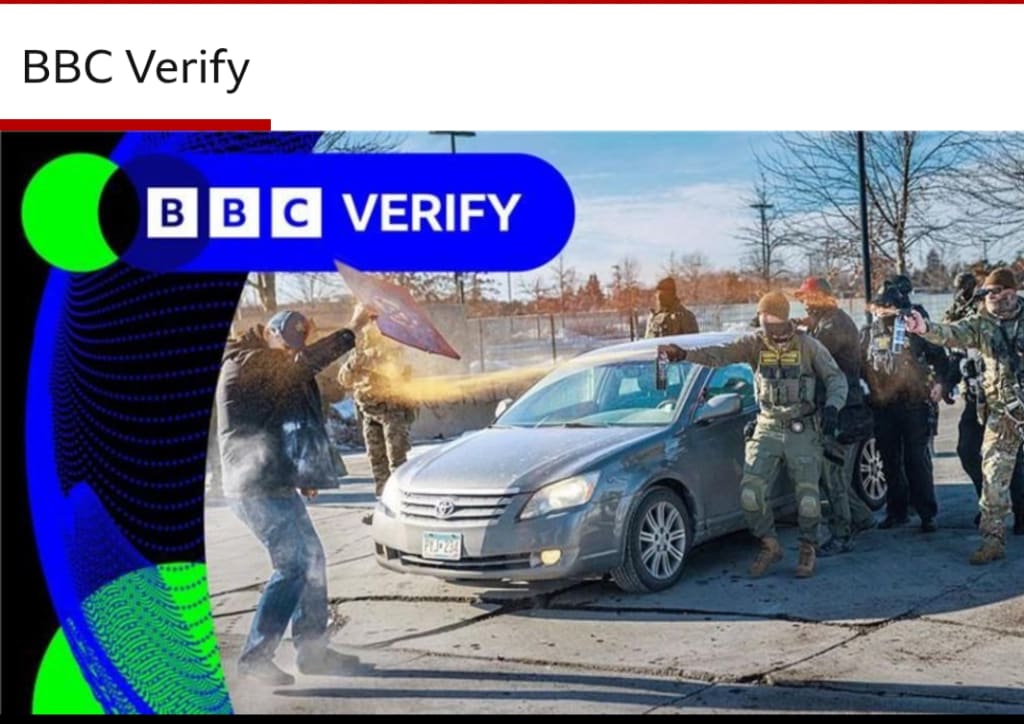
The shooting of Renee Good during an encounter involving U.S. Immigration and Customs Enforcement (ICE) agents has intensified scrutiny of federal immigration enforcement tactics in Minnesota. While investigations into the incident are ongoing and key facts remain contested, the case has sparked renewed debate over how ICE operates, how force is used, and how federal actions affect local communities. For many Minnesotans, the shooting has become a flashpoint in a broader conversation about accountability, transparency, and public safety.
What Is Known About the Incident
Public reporting indicates that Renee Good was shot during an ICE-related operation, though authorities have not released full details pending investigations. Federal officials have stated that the use of force occurred during the course of official duties, while advocates and community leaders have called for independent review and public disclosure.
Because investigations are still underway, the incident has been widely described as alleged or under review rather than conclusively determined. Nevertheless, the shooting has prompted state officials, civil rights groups, and residents to examine ICE’s presence and methods in Minnesota more closely.
ICE’s Role and Presence in Minnesota
ICE is responsible for enforcing federal immigration laws, including arrests, detention, and removal proceedings. In Minnesota, ICE operations have historically focused on metropolitan areas such as Minneapolis–St. Paul, as well as regions with large immigrant populations.
Supporters of ICE argue that the agency plays a necessary role in enforcing the law and addressing serious criminal activity. Critics counter that aggressive tactics—particularly in residential areas—can escalate situations, increase fear, and undermine trust between communities and law enforcement.
Use-of-Force Policies Under the Microscope
The Renee Good shooting has renewed attention on ICE’s use-of-force policies. Like other federal law enforcement agencies, ICE permits agents to use force when they perceive a serious threat. However, civil liberties organizations argue that such standards can be subjective and lack sufficient external oversight.
Advocates have raised concerns that immigration enforcement operations often take place in environments not designed for armed interventions, such as homes or workplaces. They argue that de-escalation techniques and alternative arrest strategies could reduce the likelihood of violent outcomes.
State and Local Government Concerns
Minnesota officials have emphasized the need for transparency and accountability. The state’s attorney general and several lawmakers have publicly supported thorough investigations, including potential cooperation with independent or state-level review bodies.
Local leaders have also expressed concern that federal enforcement actions can conflict with state and municipal priorities, particularly when they create fear among residents. Some officials argue that when communities fear federal agents, they may avoid reporting crimes or seeking help, weakening overall public safety.
Impact on Immigrant Communities
The shooting has had a chilling effect on immigrant communities across Minnesota. Community organizations report increased anxiety, with some residents limiting public activities, avoiding medical care, or keeping children home from school due to fear of ICE encounters.
Faith leaders, educators, and social workers have warned that high-profile incidents involving federal agents can leave lasting trauma. Even individuals with legal status may feel unsafe, as the line between immigration enforcement and broader law enforcement becomes blurred in public perception.
Calls for Oversight and Reform
In the aftermath of the shooting, advocacy groups have called for reforms to ICE operations, including:
Greater transparency: Public reporting on operations and use-of-force incidents.
Independent investigations: External review of shootings involving federal agents.
Clearer coordination: Better communication between ICE and state or local authorities.
De-escalation training: Expanded emphasis on non-lethal approaches.
Supporters of reform argue that these measures would not prevent ICE from enforcing the law, but would reduce the risk of harm and improve public trust.
Federal Perspective
Federal officials have defended ICE agents, emphasizing that enforcement work can be dangerous and unpredictable. They argue that agents must make split-second decisions to protect themselves and others, and that investigations should be allowed to proceed without political pressure.
From this perspective, critics are urged to wait for official findings before drawing conclusions. Federal agencies have stressed that any misconduct, if proven, would be addressed through established legal and disciplinary processes.
A Broader National Pattern
The Renee Good case is not occurring in isolation. Across the United States, ICE tactics have been debated for years, particularly during periods of heightened immigration enforcement. Similar incidents in other states have led to lawsuits, policy changes, and new oversight mechanisms.
Legal experts note that while immigration enforcement is a federal responsibility, states have increasing influence through litigation, cooperation agreements, and public pressure. Minnesota’s response may contribute to national discussions about the limits of federal authority and the role of states in protecting residents.
Media, Public Trust, and Accountability
Media coverage of the shooting has amplified public concern, highlighting the importance of accurate reporting and transparency. For many Americans, trust in law enforcement depends not only on outcomes, but on whether investigations are perceived as fair and independent.
Analysts argue that clear communication from authorities—combined with access to evidence and timely updates—will be critical in shaping public confidence as the case unfolds.
Conclusion: A Turning Point for Minnesota
The shooting of Renee Good has become a defining moment in Minnesota’s ongoing debate over immigration enforcement. While investigations continue and definitive conclusions have yet to be reached, the incident has already prompted serious examination of ICE tactics, oversight, and community impact.
For Minnesota, the challenge moving forward will be balancing federal law enforcement responsibilities with the need to protect civil rights, public safety, and trust. The outcome of this case—and the reforms it may inspire—could influence not only how ICE operates in the state, but how immigration enforcement is viewed across the nation.
About the Creator
Keep reading
More stories from Aarif Lashari and writers in The Swamp and other communities.
Bill and Hillary Clinton Refuse to Testify in House Epstein Investigation
Former President Bill Clinton and former Secretary of State Hillary Clinton have refused to testify in a House investigation examining the late financier Jeffrey Epstein and his network of associates. The decision has reignited political controversy and public debate, as lawmakers continue to probe how Epstein was able to evade accountability for years despite serious allegations of sex trafficking and abuse. The Clintons’ refusal has drawn sharp reactions from critics and supporters alike, underscoring the sensitivity and high stakes of the congressional inquiry.
By Aarif Lashari4 days ago in The Swamp


Comments
There are no comments for this story
Be the first to respond and start the conversation.