
Shiv Murti: A Sacred Symbol of Power, Peace, and Divine Energy
A Shiv Murti (statue or idol of Lord Shiva) is not just a religious artifact but a deeply spiritual and symbolic presence in homes, temples, gardens, and public spaces.
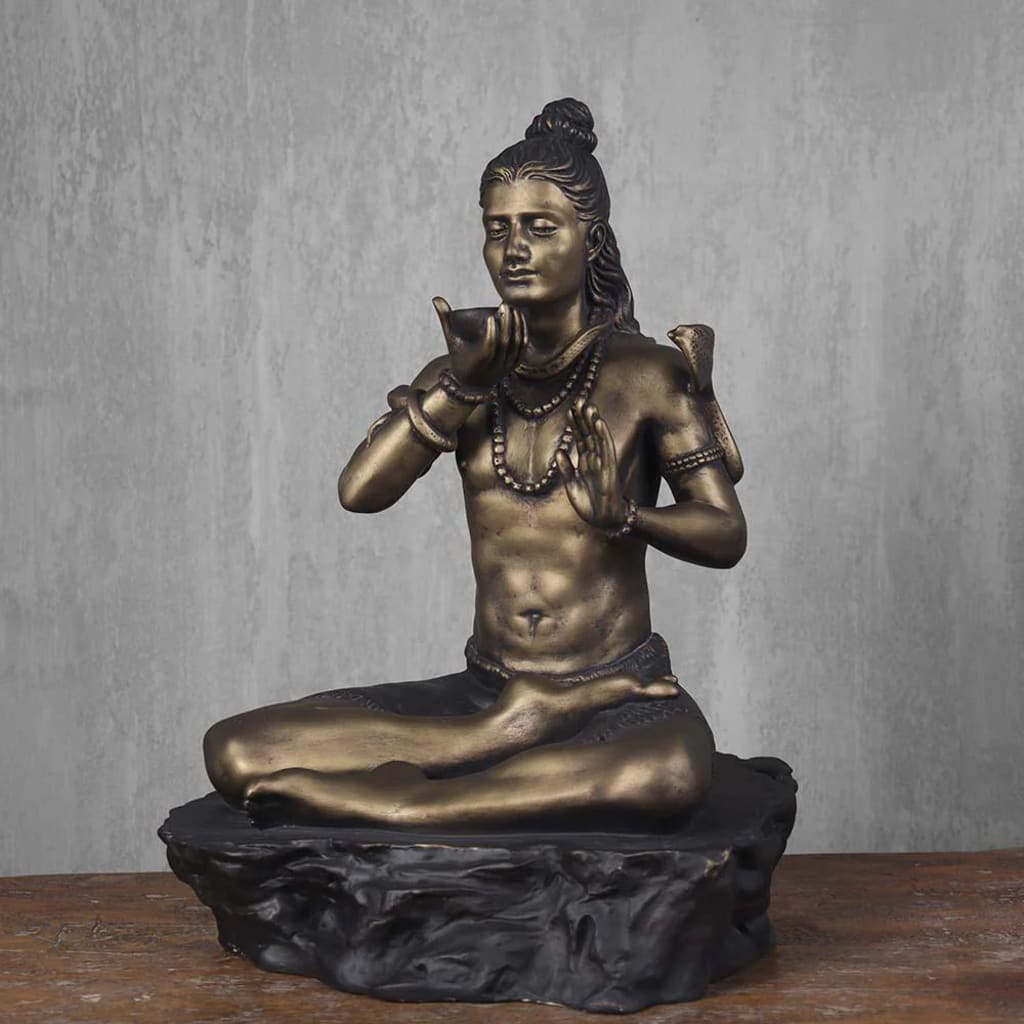
In Hinduism, Lord Shiva is one of the most revered deities, known as the destroyer and transformer in the Holy Trinity (Trimurti), alongside Brahma and Vishnu. A Shiv Murti (statue or idol of Lord Shiva) is not just a religious artifact but a deeply spiritual and symbolic presence in homes, temples, gardens, and public spaces. Placing a Shiv Murti in your surroundings is believed to invite divine energy, inner strength, and a sense of calm.
Significance of Shiv Murti in Hinduism
The Shiv Murti represents different aspects of Lord Shiva—his serenity in meditation, his fierce form as the destroyer of evil, and his cosmic dance as Nataraja. Devotees believe that worshipping a Shiv Murti brings blessings, destroys negativity, and supports spiritual growth.
It’s not just a piece of art; it’s a spiritual conduit that connects the devotee with higher consciousness. Whether it’s the majestic Shiva sitting in a meditative pose or the dynamic figure of Nataraja (Shiva in a dancing form), each sculpture has deep symbolic meaning.
Common Forms of Shiv Murti
1. Meditative Shiva
This form depicts Lord Shiva seated in deep meditation. It signifies peace, introspection, and spiritual awakening. It’s ideal for meditation rooms, personal altars, or quiet corners of the home.
2. Nataraja (Dancing Shiva)
Nataraja is a cosmic dancer who symbolizes the rhythm of creation, destruction, and rebirth. The dance represents the eternal movement of the universe.
3. Shiva with Trishul and Damru
The trident (Trishul) represents the three gunas (qualities) — sattva, rajas, and tamas. The drum (Damru) signifies creation through sound. This form is a powerful reminder of balance and creation.
4. Shiva Family Statue (Parivar Murti)
This includes Shiva with Goddess Parvati, Lord Ganesha, and Kartikeya—a symbol of family unity, divine blessings, and prosperity.
5. Shiva Lingam
While not a Murti in the human form, the Shiva Lingam is a sacred symbol of divine energy, creation, and infinite power.
Ideal Placement of Shiv Murti at Home
• Pooja Room or Altar: Best placed in the northeast or east direction for maximum spiritual energy.
• Living Room or Entrance: A calm meditative Shiva murti can enhance positive vibrations and create a peaceful environment.
• Garden or Outdoor Space: A large stone or marble statue of Shiva adds a serene, spiritual touch to outdoor décor.
Note: Avoid placing a Shiva idol in the bedroom or directly on the floor, as it is considered disrespectful.
Materials Used in Shiv Murtis
Shiv Murtis are crafted from various materials such as:
• Marble: Known for purity and elegance
• Brass/Bronze: Durable and traditional, ideal for temples and homes
• Wood: Suitable for smaller, artistic designs
• Stone/Granite: Best for outdoor installations
Each material carries a different energy, so choose one that aligns with your space and intentions.
Spiritual and Decorative Appeal
While the primary purpose of a Shiv Murti is spiritual, it also adds to the aesthetic value of a space. The intricate craftsmanship, powerful symbolism, and serene expressions of Lord Shiva make it a perfect blend of art and devotion.
Conclusion
A Shiv Murti is more than a statue—it's a sacred presence that brings calm, protection, and divine guidance. Whether you’re a devotee or an admirer of spiritual art, adding a Shiv Murti to your home or space is a meaningful way to honor tradition and invite spiritual energy into your life. Let the presence of Mahadev inspire strength, peace, and transformation in your everyday journey.
About the Creator
Keep reading
More stories from Studio Renaissance and writers in Art and other communities.
Shiv Murti: A Sacred Symbol of Lord Shiva’s Divine Presence
The Shiv Murti, or Shiva idol, is more than a religious artifact — it is a powerful symbol of faith, spirituality, and cosmic energy for millions of devotees across the world. Revered as a representation of Lord Shiva, one of the principal deities of Hinduism, the Shiv Murti holds immense spiritual and cultural significance. Whether placed in temples, homes, or meditation spaces, it serves as a focal point for devotion, reflection, and inner peace.
By Studio Renaissance8 months ago in Art
The River and the Drops
High in the mountains, where no one watched and no one applauded, tiny drops of water slipped from melting snow. Each drop was small, almost invisible, and carried a quiet fear within itself. They began their journey without knowing where they were going, only knowing that they were moving away from where they began.
By Sudais Zakwan7 days ago in Art
Silver Screen Magic with Mae West
American actress and singer Mae West became a popular film actress during the Great Depression. She started entertaining in vaudeville, then performed on Broadway, and finally went to Hollywood. She signed up with Paramount Pictures and made her debut in the 1932 film “Night After Night.” She also starred in musicals, comedies, and crime dramas. The American Film Institute named her one of the best classic Hollywood actresses.
By Rasma Raisters6 days ago in Geeks


Comments
There are no comments for this story
Be the first to respond and start the conversation.