
Shiv Murti: A Sacred Symbol of Lord Shiva’s Divine Presence
The Shiv Murti, or Shiva idol, is more than a religious artifact — it is a powerful symbol of faith, spirituality, and cosmic energy for millions of devotees across the world.
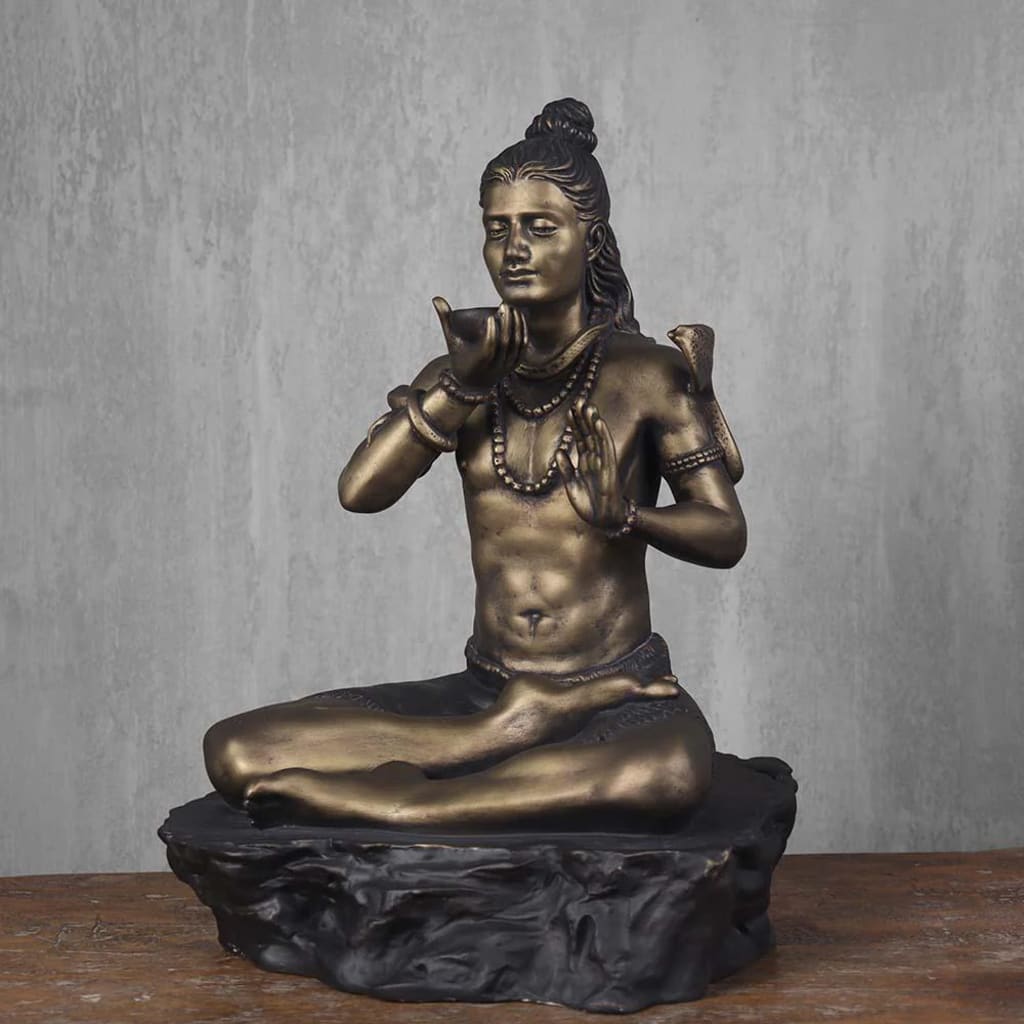
The Shiv Murti, or Shiva idol, is more than a religious artifact — it is a powerful symbol of faith, spirituality, and cosmic energy for millions of devotees across the world. Revered as a representation of Lord Shiva, one of the principal deities of Hinduism, the Shiv Murti holds immense spiritual and cultural significance. Whether placed in temples, homes, or meditation spaces, it serves as a focal point for devotion, reflection, and inner peace.
Who Is Lord Shiva?
Lord Shiva, also known as Mahadev, Shankar, or Bholenath, is one of the Holy Trinity (Trimurti) in Hinduism, along with Brahma (the creator) and Vishnu (the preserver). Shiva is regarded as the destroyer and transformer — a force that breaks down illusions and ego to bring about spiritual growth.
He is often depicted with a third eye on his forehead, a crescent moon in his matted hair, the sacred river Ganga flowing from his locks, a serpent around his neck, and a trident (trishul) in his hand. His calm yet fierce demeanor symbolizes both destruction and serenity.
Significance of Shiv Murti
1. Spiritual Connection: The Shiv Murti acts as a medium for worshippers to connect with the divine energy of Lord Shiva. Through prayer, meditation, and rituals, devotees seek his blessings for strength, wisdom, and liberation.
2. Symbol of Inner Peace and Strength: The serene face of most Shiva idols represents inner calm, while the trident and tiger skin symbolize courage, power, and control over desires.
3. Reminder of Detachment: Shiva is often shown as an ascetic in deep meditation. His image inspires detachment from material possessions and a focus on spiritual growth.
4. Cultural and Artistic Expression: Shiv Murtis are not only spiritual symbols but also magnificent works of art, reflecting the rich heritage of Indian sculpture and craftsmanship.
Types of Shiv Murti
Shiv Murtis come in various styles, each carrying unique significance:
• Shiva in Meditation Pose: Popular for home temples and meditation rooms, this murti radiates tranquility and encourages self-discipline.
• Nataraja (Lord of the Dance): Depicts Shiva performing the cosmic dance, symbolizing the cycle of creation, preservation, and destruction.
• Ardhanarishvara: Represents the fusion of Shiva and Parvati, symbolizing the unity of masculine and feminine energies.
• Shivling: Though not a murti in the traditional sense, the Shivlinga is the most iconic form of Shiva worship, representing the formless, infinite nature of the divine.
Materials Used
Shiv Murtis are crafted from a variety of materials, including:
• Marble – known for its purity and elegance, often used in homes and temples.
• Bronze or Brass – used for traditional and durable temple idols.
• Black Stone or Granite – common in ancient and South Indian temples.
• Wood or Clay – eco-friendly options often used during festivals or temporary setups.
Placement and Worship
In Vastu Shastra, the ideal placement of a Shiv Murti or Shivling is in the northeast corner (the Ishan Kona) of a home or temple. Devotees often offer:
• Water or milk (Abhishekam)
• Bilva (Bel) leaves
• Flowers and incense
• Sacred chants like the Maha Mrityunjaya Mantra or Om Namah Shivaya
Worship of the Shiv Murti, especially on Mondays and during the month of Shravan, is believed to bring health, prosperity, and spiritual awakening.
Famous Shiv Murti Installations
• Murudeshwar (Karnataka) – One of the tallest Shiva statues in the world at 123 feet, overlooking the Arabian Sea.
• Haridwar and Rishikesh – Numerous massive Shiva statues along the Ganges that attract pilgrims year-round.
• Kailashnath Mahadev (Nepal) – A grand Shiva statue located near Kathmandu, standing at 143 feet tall.
These colossal murtis are not only architectural marvels but also centers of pilgrimage and devotion.
Conclusion
The Shiv Murti is a timeless emblem of devotion, discipline, and divine power. Whether seen as a sacred icon or a spiritual guide, it continues to inspire millions to live with purpose, humility, and faith. As a gateway to Lord Shiva’s eternal wisdom, the murti reminds us that true liberation lies not in the external world, but within ourselves.
About the Creator
Keep reading
More stories from Studio Renaissance and writers in Art and other communities.
Decorative Objects: The Art of Personalizing Your Living Space
Decorative Objects are more than just accessories—they’re the subtle touches that bring life, personality, and style into your home. Whether it’s a vintage vase, a modern sculpture, or a handcrafted candleholder, decorative objects reflect your tastes and help tell your story through your interior spaces. These items enhance aesthetics, add character, and often serve as conversation starters.
By Studio Renaissance8 months ago in Art
2026 Commercial Space Design:How Fbierglass Sculpture Drives Traffic
Today, offline commercial spaces are facing continuous pressure. With e-commerce offering convenient and fast services, physical stores must showcase unique features to attract customers. In this context, fiberglass sculptures are no longer merely decorative items; they have become visual focal points in shopping malls, brand stores, pop-up shops, and mixed-use commercial projects, playing a crucial role in increasing foot traffic.
By Shenzhen Ruiheng Crafts4 days ago in Art
Why Strategic Branding Is Essential for Long-Term Business Growth
In today’s fast-paced digital environment, businesses face constant pressure to stand out. Consumers are exposed to endless choices every day, making attention harder to earn and trust harder to keep. While quality products and services are important, they are no longer the only factors that determine success. Strategic branding plays a key role in helping businesses grow steadily and remain relevant over time.
By Ayush Bagwari4 days ago in Art



Comments
There are no comments for this story
Be the first to respond and start the conversation.