
Art in the Age of Algorithms: How Technology is Redefining Creativity (And Why Your Phone Might Be Your Next Canvas)
From AI Collabs to Kitchen-Table Creations: How Tech is Making Art More Inclusive, Creative, and Yours to Shape
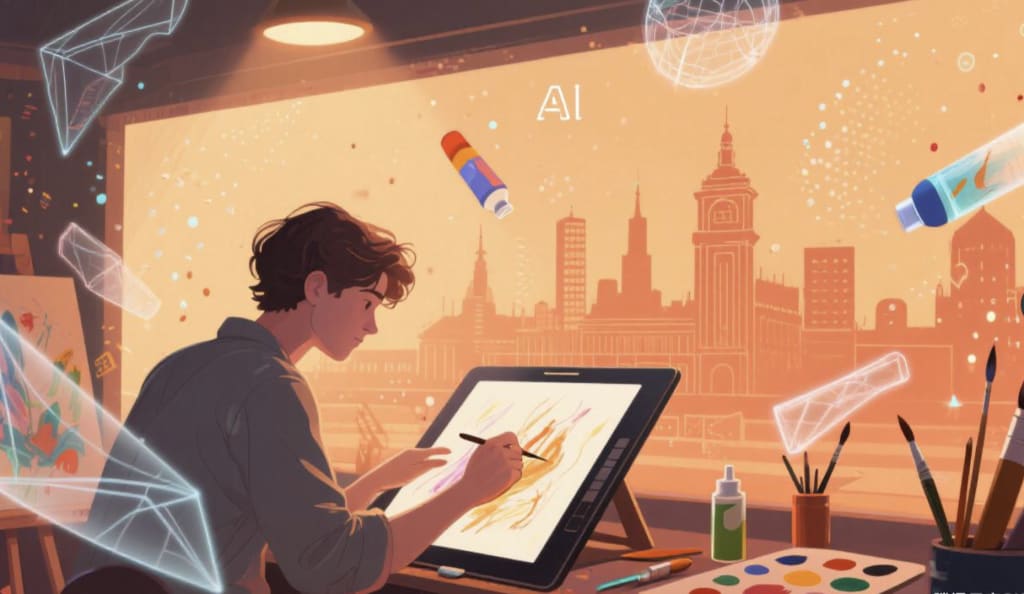
It’s 11:30 PM, and I’m standing in front of a glowing canvas at a tiny gallery in Berlin. The piece, titled Echoes of a Digital Dawn, isn’t painted with oils or watercolors—it’s a swirling tapestry of AI-generated patterns, layered with hand-drawn brushstrokes by the artist, Lila. Her hands, still dusted with charcoal, hover over her tablet as she explains, “I used to spend hours mixing paints. Now, I collaborate with algorithms. It’s like having a dialogue with a new kind of muse.”
That night, I left the gallery thinking: Is art still “human” if machines help create it? But the more I explored—talking to artists, diving into online art communities, even dusting off my old watercolor set—the clearer it became: technology isn’t killing art. It’s unleashing it. And whether you’re a seasoned painter or someone who’s never held a brush, this new era has something for everyone. Let’s dive in.
The Great Digital Shift: From Canvases to Code
Decades ago, creating art meant mastering physical tools: oils, clay, charcoal, or watercolors. Mistakes were permanent; experimentation cost time and money. Today, a $10 app can turn your iPhone into a mini-studio. Take Procreate, the digital painting app that’s become a favorite among both amateurs and pros (yes, even traditional painters use it to sketch ideas). Its intuitive interface lets you layer colors, erase without guilt, and even simulate brush textures—from watercolor bleed to oil paint thickenss—all with a finger tap.
But it’s not just about convenience. Digital tools are breaking down barriers. For artists with disabilities, touchscreens eliminate the need for fine motor control. For parents juggling kids, a 15-minute session in Procreate can scratch that creative itch. And for traditionalists worried about “losing the human touch,” consider this: Lila, the artist I met, still starts every piece with a hand-drawn sketch. She scans it into her tablet, then uses AI tools like DeepDream Generator to twist and blend her lines into something unexpected. “The algorithm doesn’t replace me—it amplifies what I can do,” she says. “It’s like having a student who’s obsessed with learning every technique I know, so I can focus on the big picture.”
Art for Everyone: No Museum Membership Required
Remember when “art” felt exclusive? Galleries with 20 entry fees, coffee-table books you couldn’t afford, or workshops that required years of practice? The internet has democratized all that. Platforms like Skillshare (link below) offer courses from professional artists—think “Watercolor for Absolute Beginners” or “Digital Illustration: From Sketch to Print”—for less than 20 a month. Even better, communities like DeviantArt and ArtStation let you share your work, get feedback, and connect with creators worldwide. Last year, a teenager in Kenya named Jomo posted his digital portraits of local wildlife on Instagram; they went viral, landing him a collaboration with a wildlife NGO.
And if you’re not ready to create, why not collect? Sites like Saatchi Art (link below) let you buy original digital art directly from artists—no framing, no shipping hassles. Many pieces are priced under $100, making it easy to support emerging talent. I recently bought a vibrant abstract piece by a artist in Mexico City; it’s printed on canvas and hangs above my desk, a daily reminder that art is as much about connection as it is about aesthetics.
The Future is Hybrid: Why Your Grandmother’s Watercolor Set Still Matters
Wait a second—are we losing something by leaning so heavily on tech? I asked that to Maria, a 78-year-old watercolorist who’s been painting since the 1960s. “Nonsense,” she laughed, showing me her latest piece: a misty mountain scene, painted entirely on her iPad. “When I was young, I’d mix cadmium red with a toothpick because I couldn’t afford a palette knife. Technology just gives me more tools, not fewer. The heart of art is still expression—whether you’re using a brush or a stylus.”
Maria’s right. At its core, art is about storytelling. A child’s crayon drawing of their family, a teenager’s digital comic about climate change, a retiree’s watercolor of their childhood home—these are all acts of courage. They say, “I was here. This mattered.” Technology just makes it easier to share those stories with the world.
Ready to Create? Start Here
If you’re inspired to pick up a brush (or a stylus), here are a few tools to get you going:
• Procreate Dreams (iPad): Perfect for animating your art. Watch tutorials on YouTube—trust me, even if you’re “bad at drawing,” you’ll be surprised what you can make. https://procreate.art/.
• Skillshare: Courses like “Digital Art for Beginners” by artist Jazza (yes, the gaming YouTuber turned illustrator) are fun and actionable. https://www.skillshare.com/.
• Saatchi Art: Browse thousands of original digital and traditional pieces. My pick? “Urban Echoes” by Lila (the artist from Berlin)—it’s a stunning blend of street photography and AI, available as a print or NFT. https://www.saatchiart.com/.
As I left that Berlin gallery, Lila handed me a postcard. It was a digital print of one of her earlier works, signed in ink. “Don’t overthink it,” she said. “Just create. The tools will follow.”
In an age where algorithms suggest our next meal, our next show, and even our next friend, art remains one of the last true acts of rebellion. It’s messy, it’s personal, and it’s yours. So grab your phone, your tablet, or that dusty watercolor set in the attic. The world isn’t just watching—it’s waiting to be inspired.
What will you create first?
---
Note: Links included are for reference only. Always research platforms to ensure they align with your needs.
About the Creator
Keep reading
More stories from liang ming and writers in Art and other communities.
Beyond the Textbook: How Modern Education is Redefining Learning for a Changing World
It’s 8:30 a.m. on a Tuesday, and 14-year-old Mia stares at her math worksheet, eraser in hand. The problem—“Solve for x: 3(2x – 5) + 7 = 4x + 12”—looks simple enough, but she’s been stuck for 20 minutes. Her teacher, Ms. Carter, circulates the room, but with 28 students, she can’t pause to unpack every confusion. By lunchtime, Mia scribbles down a half-hearted answer and moves on, her confidence in math wavering.
By liang ming6 months ago in Education
Dog Shoes for Small Dogs and Puppy Shoes A Practical, Paw-Friendly Guide
Small dogs and puppies may look tough, but their paws often need more protection than people realize. Their bodies are lighter, their paws are smaller, and many of them spend a lot of time on surfaces that were never designed for delicate paw pads. Add cold sidewalks, hot pavement, rough gravel, wet grass, or even slippery indoor floors, and you start to see why dog footwear has become more than just a cute trend.
By aliyashahzadi4 days ago in Art




Comments
There are no comments for this story
Be the first to respond and start the conversation.