
Dog Shoes for Small Dogs and Puppy Shoes A Practical, Paw-Friendly Guide
Dog Shoes for Small Dogs and Puppy Shoes A Practical, Paw-Friendly Guide
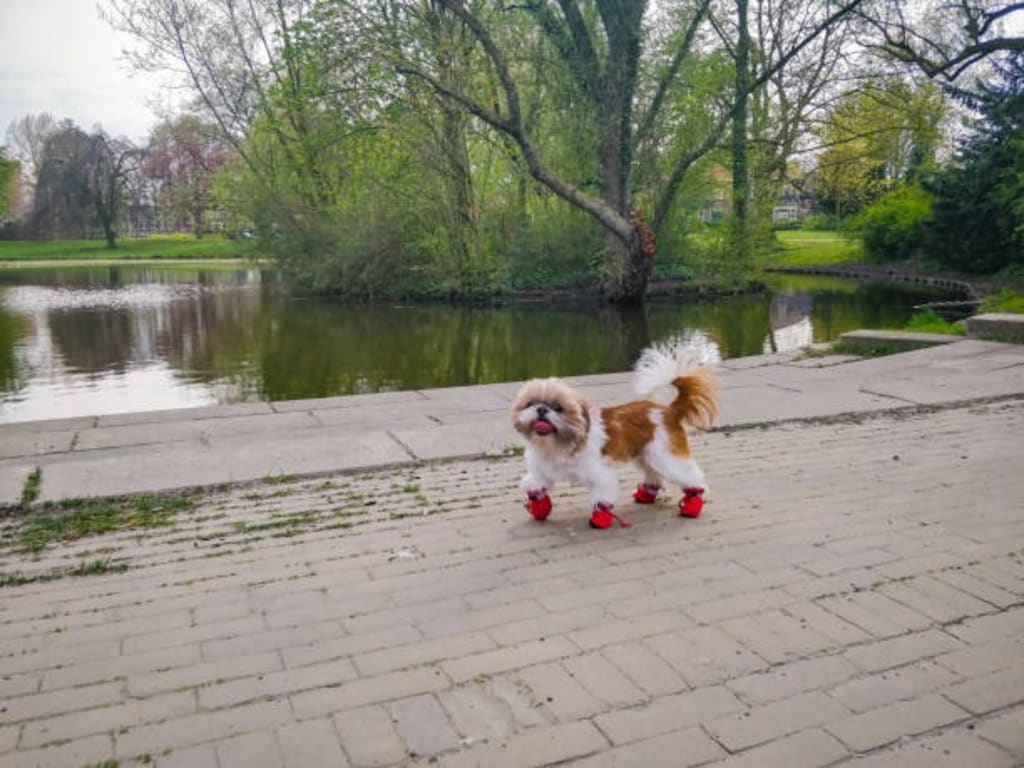
Small dogs and puppies may look tough, but their paws often need more protection than people realize. Their bodies are lighter, their paws are smaller, and many of them spend a lot of time on surfaces that were never designed for delicate paw pads. Add cold sidewalks, hot pavement, rough gravel, wet grass, or even slippery indoor floors, and you start to see why dog footwear has become more than just a cute trend.
This article is a simple, informational guide to help you understand when footwear is useful, how to choose the right size and material for small paws, and how to safely introduce shoes to a puppy without stressing them out. If you are shopping for dog shoes for small dogs or looking into puppy shoes, you will find clear answers and practical tips here.
________________________________________
Why Small Dogs Often Need Paw Protection More Than Large Dogs
Big dogs usually have thicker pads and more weight distribution. Small dogs, on the other hand, can be more sensitive to temperature changes and surface texture. A cold sidewalk can feel much colder to a Chihuahua than to a Husky. The same goes for rough pavement or salty winter paths.
Small breeds also tend to walk closer to the ground, which means their feet are often in contact with puddles, slush, and dirty surfaces. Their paws can dry out faster, crack more easily, and pick up irritants like salt or chemical cleaners.
There is also a comfort factor. Some small dogs develop a habit of “hopping” on one foot when the ground is too hot or too cold. That is not stubbornness. It is discomfort. Protective footwear can make their daily walks smoother and less stressful.
________________________________________
When Dog Shoes Actually Make Sense
Dog shoes are not mandatory for every dog. But they can be very helpful in specific situations, especially for small dogs and puppies.
Here are the most common scenarios where shoes provide real value:
• Hot pavement: In warm months, sidewalks can heat up fast and burn paw pads.
• Winter salt and ice: De-icers can irritate paws and cause cracking.
• Rough ground: Gravel, sharp stones, and thorns can lead to cuts.
• Allergies: Shoes reduce direct contact with grass, pollen, or dusty surfaces.
• Indoor slipping: Tiny dogs can slide on tile or hardwood and strain their legs.
• Healing paws: Footwear can protect a sensitive or recovering paw (with vet guidance).
If your dog licks its paws after walks, limps, or refuses to walk on certain surfaces, shoes can be a simple improvement.
________________________________________
Dog Shoes for Small Dogs: What Makes Them Different?
Small dogs need shoes that work with their body structure. A shoe built for a medium or large breed often feels too heavy or bulky for a toy breed.
When you’re choosing dog shoes for small dogs, focus on four things: weight, flexibility, grip, and comfort.
1) Lightweight feel matters
A small dog can be bothered by even a slight increase in paw weight. The lighter the shoe, the faster your dog adjusts.
2) Flexibility is key
Shoes should bend naturally with the paw. Overly stiff soles can make small dogs walk awkwardly and refuse to move.
3) Secure fit without squeezing
Small dogs have thinner legs and smaller ankles. A secure strap helps stop slipping, but it should not dig into the skin.
4) Traction for safety
Grip is important for indoor surfaces and wet sidewalks. A good sole reduces slipping and builds confidence, especially for seniors.
________________________________________
Puppy Shoes: When Do Puppies Need Them?
Puppies are a little different. Their paws are still developing, and they are learning how to walk, run, and explore. Most puppies do not need shoes all the time, but there are situations where puppy shoes make sense.
Puppies may benefit from shoes when:
• You walk them on very hot pavement
• You live in a place with snow and road salt
• You want protection during short outdoor training sessions
• Your puppy has sensitive pads that get irritated easily
That said, puppies grow quickly. This means sizing can change within weeks. If you buy shoes for a young puppy, treat them as a short-term solution, not a “buy once and forget” item.
Puppy shoes should always be soft, lightweight, and comfortable. The goal is protection without blocking natural movement.
For general puppy footwear guidance and options, you can check puppy shoes and compare what fits your pup’s age, activity level, and walking surfaces.
________________________________________
How to Measure Small Dog and Puppy Paws Correctly
Sizing is the number one reason people struggle with dog shoes. Too loose and they fall off. Too tight and they become uncomfortable.
Here is a simple measuring method that works well:
1. Place your dog’s paw on a sheet of paper while they are standing.
2. Trace around the paw gently, including the widest part.
3. Measure the width and length of the outline.
4. Use the larger measurement if your dog is between sizes.
For puppies, measure more often. A small change in paw size can affect fit quickly.
A good fit should feel snug but not tight. Your dog should be able to walk normally without twisting, slipping, or lifting the shoes off.
________________________________________
Materials to Look For: Comfort vs Protection
Different environments need different materials. What works for an indoor puppy may not work for a rainy outdoor walk.
For everyday wear and sensitive paws
Soft fabrics and flexible soles tend to work well. They feel natural and reduce resistance while walking.
For cold or wet conditions
Look for water resistance and a sole that can handle moisture. Wet paws can lead to slipping, and cold paws can lead to irritation.
For grip and traction
Rubber soles or textured soles help dogs stay stable on smooth surfaces. This is especially useful for tiny breeds and older small dogs.
You do not always need the thickest boot. Many small dogs do better with a lighter, flexible design.
________________________________________
How to Help Your Dog Accept Shoes Without a Fight
The first time a dog wears shoes, they often act like something is stuck on their feet. That is normal. Puppies might nibble at the shoes. Small dogs might freeze and refuse to move.
Here is a gentle method that works for most dogs:
• Start indoors for 1–2 minutes
• Reward with treats and calm praise
• Remove shoes before your dog gets irritated
• Repeat daily, slowly increasing time
• Add short walks only after your dog walks normally indoors
Avoid forcing a long walk on day one. The goal is to build trust. Once your dog realizes shoes do not hurt, the strange behavior usually disappears.
For puppies, keep sessions shorter and more playful. You want the experience to feel like training, not punishment.
________________________________________
Common Mistakes to Avoid
Many people give up on dog shoes because of simple, fixable issues. Here are the most common ones:
• Buying the wrong size and assuming “shoes don’t work”
• Putting shoes on for the first time right before a long walk
• Using stiff boots on a tiny dog that needs flexibility
• Tightening straps too much and causing discomfort
• Not checking paws after walks for redness or rubbing
A quick paw check after each wear helps you spot any irritation early.
________________________________________
How Long Can a Small Dog or Puppy Wear Shoes?
There is no single rule, but comfort is the best guide. For most dogs, shoes are worn during walks and removed afterward. Indoors, some dogs wear traction shoes for longer periods, but it’s still smart to give paws breaks.
For puppies, keep wear time short and supervised. Puppies chew things, and shoes can become a target if left on too long.
Conclusion
Dog shoes are not about style alone, especially when it comes to small dogs and puppies. Their paws are more sensitive, their bodies are lighter, and their daily walking surfaces can easily cause discomfort if protection is missing. The right footwear can help prevent injuries, reduce slipping, and make walks safer in both indoor and outdoor environments.
For small dogs, lightweight and flexible shoes offer comfort without restricting natural movement. Puppies, on the other hand, benefit from gentle, short-term protection when conditions demand it, such as hot pavement or winter surfaces. The key is choosing the correct size, using soft materials, and introducing shoes slowly so your dog feels secure and relaxed.
________________________________________
FAQs
1) Can small dogs wear shoes every day?
Yes, many small dogs can wear shoes daily for walks, especially if the surfaces are hot, cold, rough, or slippery. Make sure the shoes fit properly and check paws for rubbing.
2) At what age can a puppy start wearing puppy shoes?
Some puppies can start wearing shoes during early training, but keep sessions short. The best time depends on your puppy’s comfort, paw size, and walking environment.
3) How do I stop my dog from kicking off the shoes?
This usually happens because the shoes are too loose or feel strange. Start with short indoor sessions, use treats, and ensure the straps are secure without being tight.
4) Do dog shoes help with slipping on indoor floors?
Yes. Shoes with good traction can help small dogs and senior dogs walk more confidently on tile or hardwood, reducing slipping and stress on joints.
About the Creator
aliyashahzadi
My Name is Aliya Shahzadi
I'm SEO expert
Keep reading
More stories from aliyashahzadi and writers in Art and other communities.
What Voice Cloning Technology Means for Creators and Digital Identity
The rise of artificial intelligence has reshaped the creative landscape in countless ways, from AI-generated visual art to automated music composition, and one of the most intriguing frontiers today is voice cloning. With tools that let users clone your voice using only a short sample of speech, creators and digital communicators are discovering new ways to produce audio content that feels natural and expressive.
By aliyashahzadi7 days ago in Art
Impressive Artwork by Odilon Redon
French symbolist artist Odilon Redon was famous for his drawings in the 1880s. The artist’s artworks were mentioned in the popular 1884 novel “A Rebours,” or “Against the Grain,” by Joris-Karl Hysmans. His later artworks were created in oils and pastels. He developed an interest in Hinduism and Buddhism, and this interest in mysticism is reflected in his works of art.
By Rasma Raisters6 days ago in Art
What Is A5 Service on Mercedes and When Do You Need It?
If you’re a Mercedes‑Benz owner, you’ve likely seen a maintenance message pop up on your dashboard — perhaps showing something like “Service A5 due”. But what exactly is a5 service on Mercedes, why it matters, what it includes, and how much it costs? This complete, easy‑to‑understand guide answers all those questions so you can keep your luxury vehicle running smoothly and avoid costly repairs down the road.
By Vincent Otiri7 days ago in Art



Comments
There are no comments for this story
Be the first to respond and start the conversation.