
Is an Electric Toothbrush Good for Health?
How to Maximize Benefits
Introduction
Electric toothbrushes are no longer a luxury item; they’ve become a mainstream choice for millions worldwide. But the question remains: Are they truly good for your health? Backed by decades of clinical research, electric toothbrushes have been shown to improve oral hygiene in measurable ways. Let’s explore the science, the benefits, and how you can maximize their effectiveness.
Clinical Evidence
1. Reduces Plaque and Gingivitis
Studies show that electric toothbrushes reduce plaque by up to 11% and gingivitis by around 6% compared to manual brushing in just three months. Over years, these small differences add up to significantly better oral health outcomes.
2. Long-Term Benefits
Dentists consistently report that patients who use electric toothbrushes have fewer issues with gum bleeding, tartar buildup, and enamel wear. Over the long term, electric toothbrushes can lower the risk of cavities and periodontal disease.
3. Especially Helpful for Certain Groups
Children, elderly people, and those with limited hand mobility (such as arthritis patients) benefit greatly. The automation makes brushing more effective with less effort. Orthodontic patients with braces also find it easier to clean hard-to-reach areas.
4. Limitations
Some studies suggest that if manual brushing is done perfectly with proper technique, results can be similar. However, most people don’t maintain perfect technique, which is where electric toothbrushes shine.
Broader Health Impacts
1. Systemic Health
Poor oral hygiene is linked to cardiovascular disease, diabetes, and respiratory issues. By reducing gum inflammation and bacterial load, electric toothbrushes indirectly reduce these risks.
2. Improved Microbiome
A clean mouth maintains a healthier balance of bacteria, which benefits not just oral but also digestive health.
3. Psychological Benefits
People report feeling cleaner, fresher, and more confident when using electric toothbrushes, encouraging them to maintain regular habits.
How to Maximize Benefits
Pick the Right Model: Look for features like pressure sensors, timers, multiple brushing modes, and soft bristles.
Use Correct Technique: Let the brush glide—don’t scrub. Cover every tooth surface for at least two minutes.
Replace Brush Heads: Every three months, or sooner if bristles are frayed.
Combine with Other Habits: Flossing, mouthwash, and dental check-ups remain essential.
Cost vs. Value
Yes, electric toothbrushes are more expensive than manual ones, and brush heads require ongoing replacement. But consider this: reduced dental treatment costs in the long run make them a worthwhile investment for both health and finances.
Conclusion
The answer is clear: electric toothbrushes are good for your health. They improve plaque removal, protect gums, support systemic health, and make good brushing habits easier to maintain.
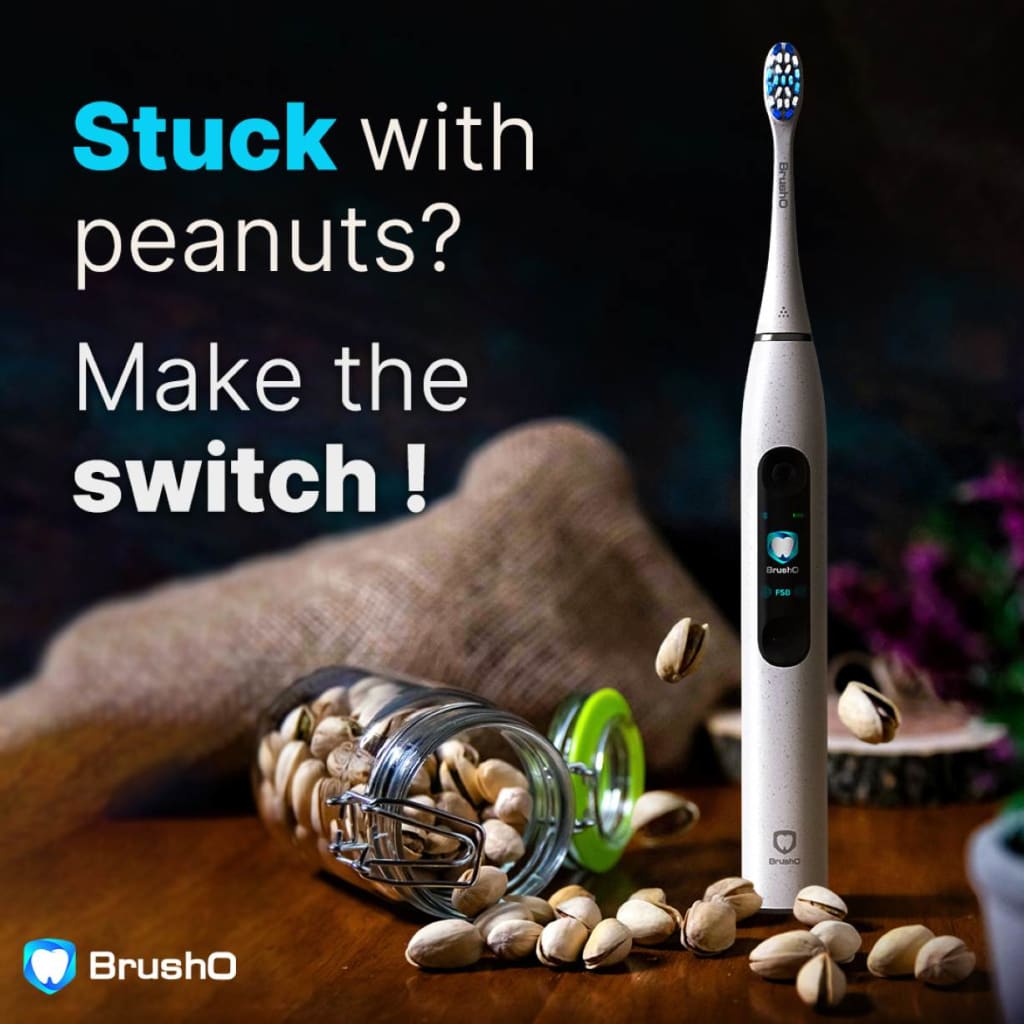
If you’re serious about oral hygiene, it’s worth upgrading to a smart device like the BrushO Smart Electric Toothbrush
that combines electric cleaning power with intelligent feedback.
About the Creator
Keep reading
More stories from OneDayNight and writers in Writers and other communities.
How to Hire a Virtual Assistant for Personal Organisation and Scheduling
If your calendar feels like a battlefield back-to-back meetings, personal errands, rescheduling, missed reminders you’re not alone. In 2025–2026, more professionals and founders are hiring a virtual assistant (VA) not for “extra help,” but to build a system that keeps life and work running smoothly.
By Michael Coplin7 days ago in Writers



Comments
There are no comments for this story
Be the first to respond and start the conversation.