
Why Chile's National Parks Are a Must-Visit
6 Fascinating Facts

Chile, a country that stretches like a ribbon down South America's Pacific coast, is home to some of the most breathtaking natural landscapes in the world. The country’s national parks are a testament to this beauty, offering everything from arid deserts to lush rainforests and towering glaciers. In this blog, we’ll explore six fascinating facts that make Chile’s national parks a must-visit for any nature enthusiast.
1. Home to the World's Southernmost National Park
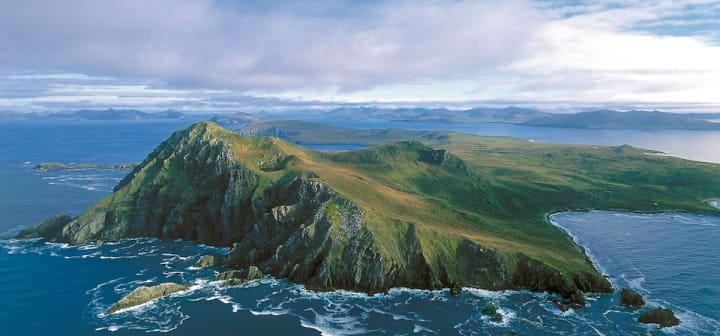
Chile’s Cabo de Hornos National Park, located in the Magallanes region, is not just the southernmost park in the country but also in the entire world. Situated at the southern tip of the continent, the park is a gateway to the Antarctic Peninsula. Visitors brave enough to journey here will encounter a wild and untouched landscape that’s home to unique wildlife like sea lions, dolphins, and a variety of seabirds. Its isolation and remoteness add to the allure, making it one of the most pristine wilderness areas on Earth.
2. A National Park with the Clearest Skies
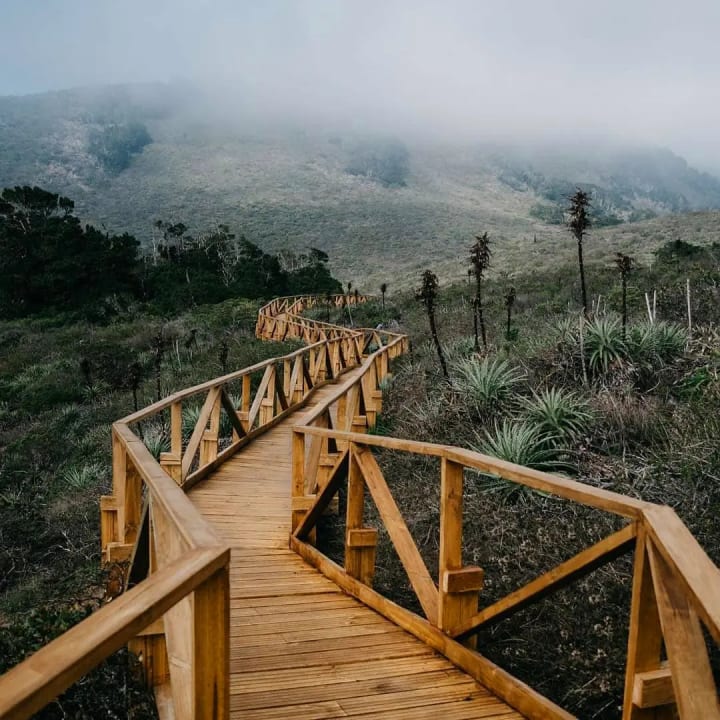
Chile’s Fray Jorge National Park, nestled in the coastal region of Coquimbo, is a unique mix of desert and forest. What makes it stand out is not just its ecological diversity, but the fact that it has some of the clearest skies in the world. Certified as a Starlight Reserve, this park offers unparalleled stargazing opportunities. With nearly 280 clear nights per year, it’s a prime location for amateur astronomers and anyone looking to experience the wonders of the night sky.
3. Biodiversity Hotspot

The Juan Fernández Archipelago National Park, located in the middle of the Pacific Ocean, is a place of incredible biodiversity. The park consists of several islands, including the famous Robinson Crusoe Island, and is recognized globally as a biodiversity hotspot. Despite its small size, it’s home to a staggering number of endemic species, including plants and birds found nowhere else on Earth. In fact, the park holds a Guinness World Record for having the highest diversity and endemism of plants per unit area.
4. The Largest National Park in Chile

Chile's largest national park, Bernardo O'Higgins National Park, covers an astounding 3.5 million hectares, making it one of the 20 largest parks in the world. Located in the southern Aysén and Magallanes regions, the park is home to immense glaciers, fjords, and a variety of wildlife, including the endangered huemul deer. The park also contains part of the Southern Patagonian Ice Field, one of the world's largest reserves of fresh water. Its vast, rugged landscape offers endless opportunities for adventure and exploration.
5. The Oldest National Park in South America

Vicente Pérez Rosales National Park, located in Chile’s Los Lagos Region, holds the title of not only Chile’s oldest park but also the first national park in South America. Established in 1926, the park encompasses the striking Petrohué Waterfalls, the serene Todos los Santos Lake, and the towering Osorno Volcano. Its diverse ecosystem, which includes lush forests, rivers, and mountains, makes it one of the most popular parks in the country. It’s no surprise that it also attracts the most visitors each year.
6. A Journey into Ancient Mysteries

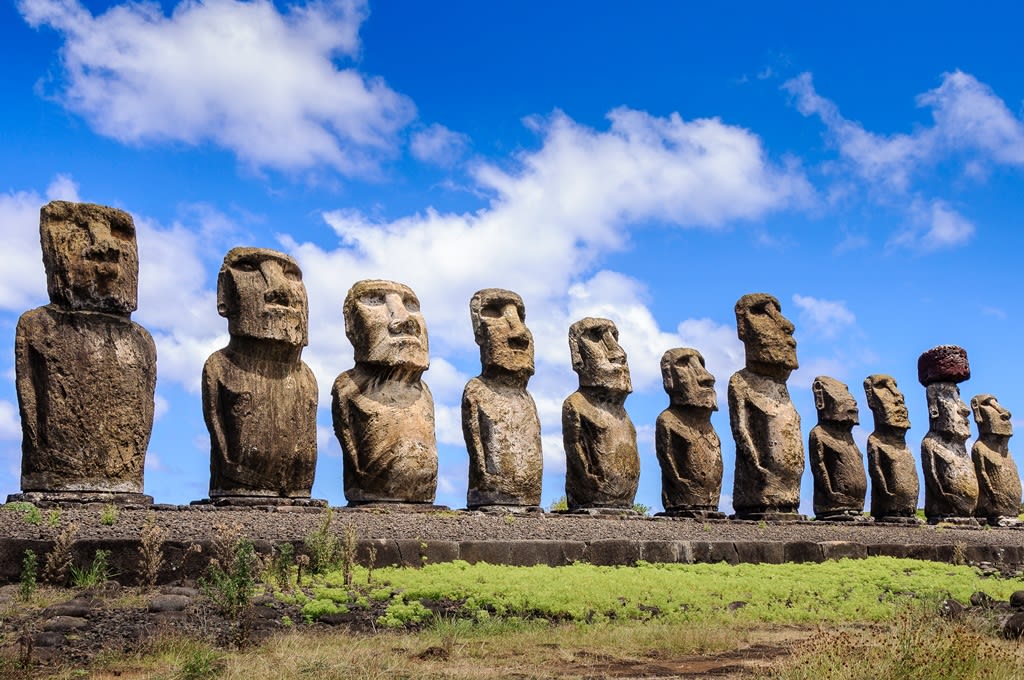
The Rapa Nui National Park, located on Easter Island (Rapa Nui), is one of the most intriguing and mysterious national parks in the world. A UNESCO World Heritage site since 1995, the park covers about 40% of the island and is famous for its giant stone statues known as moai, which were carved by the Rapa Nui people between the 13th and 16th centuries. These iconic figures make the park an archaeological treasure, offering insight into a unique civilization that once thrived in isolation.
At the heart of Rapa Nui National Park’s appeal are the nearly 900 moai statues scattered across the island. These monolithic statues, some weighing up to 75 tons, are believed to represent the ancestors of the Rapa Nui people, serving as symbols of power, protection, and spirituality. Most moai are found near ceremonial platforms known as ahu, and many are positioned facing inland, as if watching over the island’s inhabitants.
One of the most famous sites in the park is Ahu Tongariki, the largest ceremonial platform, which hosts 15 standing moai. Another important site is Rano Raraku, the volcanic quarry where most of the moai were carved. Here, visitors can see incomplete statues and those left in various stages of production, offering a glimpse into the creation process of these massive figures.
Rapa Nui National Park is not just about the moai statues. The park is also home to the impressive Rano Kau crater, a vast volcanic crater with a freshwater lake at its center, surrounded by lush vegetation. The views from the crater rim are breathtaking, with panoramic vistas of the island and the endless Pacific Ocean.
Atop the crater lies Orongo, an ancient ceremonial village dedicated to the Tangata Manu or Birdman competition. This annual ritual was a critical event for the Rapa Nui people, where competitors would swim to a nearby islet to collect the first sooty tern egg of the season. The victor would be crowned Birdman, a prestigious title that held spiritual and political significance for the year. The stone houses of Orongo, along with the petroglyphs depicting birdmen and other deities, offer a fascinating glimpse into the island’s spiritual traditions.
Beyond its archaeological wonders, Rapa Nui National Park also holds an important role in preserving the island’s delicate ecosystem. The island, once lush with forests, faced severe deforestation, and today, efforts are being made to restore native plant species and protect the remaining wildlife. The park is home to species like the Pukao, a native grass used to recreate the red stone hats placed on some of the moai.
For the Rapa Nui people, the park is a living cultural landscape rich in traditions, mythology, and ancestral significance. The preservation of the park is a joint effort between Chile’s National Forestry Corporation (CONAF) and the Rapa Nui indigenous community. This collaborative approach not only protects the island’s natural environment but also ensures the continuity of its cultural heritage
Why Chile’s National Parks Should Be on Your Travel List
Chile’s national parks offer a diverse range of ecosystems, from glaciers and deserts to forests and archipelagos. Whether you're an avid hiker, a wildlife enthusiast, or someone simply seeking the tranquility of nature, there’s a park for you in Chile. The country’s commitment to conservation and the sheer beauty of its landscapes make these parks a must-visit for any traveler looking to experience some of the planet’s most unspoiled wilderness.
Visiting these parks not only provides a chance to reconnect with nature but also supports the ongoing efforts to preserve Chile's unique ecosystems for future generations. So, pack your bags, put on your hiking boots, and get ready to explore the incredible natural wonders of Chile!
About the Creator
Horace Wasland
Research analyst, writer & mystical healer. Exploring the edge where science meets mystery. From mystery/the mystical, to facts, news & psychology. Follow for weekly insights on all four and please leave a tip if you like what you read :)
Keep reading
More stories from Horace Wasland and writers in Wander and other communities.
Flight MH370
The disappearance of Malaysia Airlines Flight MH370 on March 8, 2014, remains one of the most perplexing aviation mysteries of the 21st century. The Boeing 777, carrying 239 passengers and crew members, vanished from radar screens while en route from Kuala Lumpur to Beijing, leaving behind a trail of speculation, conspiracy theories, and unanswered questions. For nearly a decade, the world has been captivated by the enigma, with countless theories proposed but none conclusively proven. However, a new theory has emerged that might finally bring closure to this tragic mystery. Enter Vincent Line, a Tasmanian scientist who has dedicated years to studying the disappearance of MH370. His research, published in the Journal of Navigation in 2021, presents a compelling case that challenges the prevailing narrative and suggests a new, chilling explanation for what happened to the ill-fated flight. According to Line, MH370's disappearance was not the result of a tragic accident but rather a meticulously planned operation carried out by the pilot in command.
By Horace Waslandabout a year ago in Wander
Away from the Crowds in Oklahoma
Imagine traveling in Catoosa and seeing the Blue Whale. This blue creature was built by Hugh Davis in 1972 as a 34th wedding anniversary gift for his wife. Since then, people driving down Route 66 have admired it. Another purpose for building the whale was so that it could serve as a swim dock for neighborhood children to dive and slide into a pond.
By Rasma Raistersabout 11 hours ago in Wander
Travelers in the Caribbean Experience Major Flight Disruptions Following Airspace Closure
If you were planning a Caribbean getaway recently—or already soaking up the island sun—you may have found your travel plans suddenly turned upside down. Thousands of travelers across the Caribbean experienced major flight disruptions after an unexpected airspace closure brought regional air travel to a near standstill. Flights were canceled, airports overflowed with stranded passengers, and what should have been a relaxing escape quickly became a stressful waiting game.
By Aqib Hussain7 days ago in Wander




Comments
There are no comments for this story
Be the first to respond and start the conversation.