
Travelers in the Caribbean Experience Major Flight Disruptions Following Airspace Closure
Unexpected airspace restrictions ground flights, strand passengers, and disrupt peak travel across the Caribbean
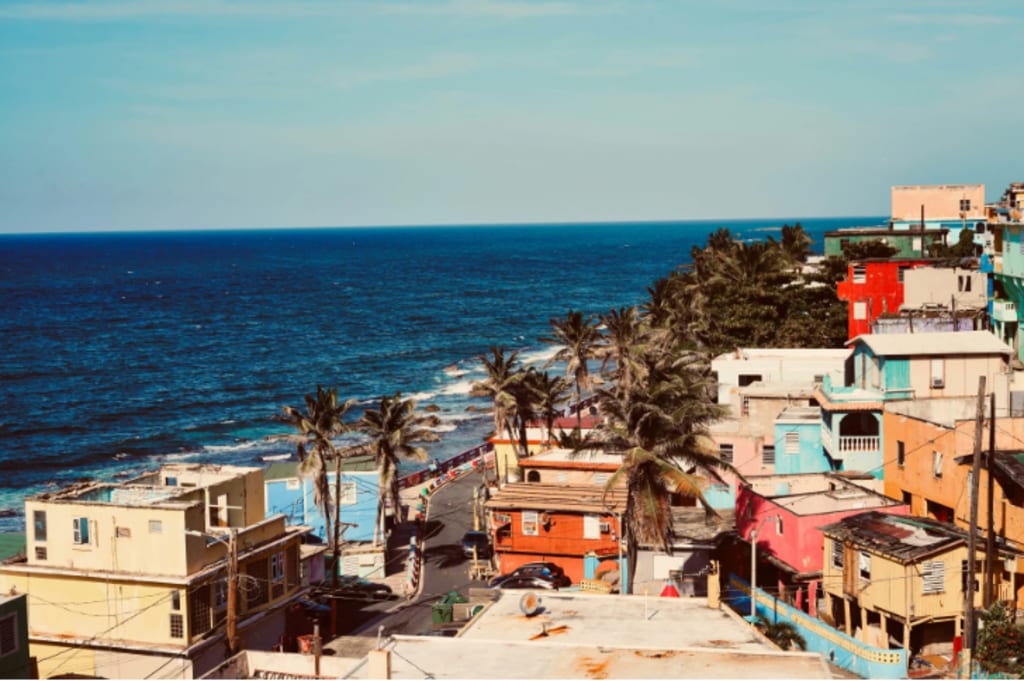
If you were planning a Caribbean getaway recently—or already soaking up the island sun—you may have found your travel plans suddenly turned upside down. Thousands of travelers across the Caribbean experienced major flight disruptions after an unexpected airspace closure brought regional air travel to a near standstill. Flights were canceled, airports overflowed with stranded passengers, and what should have been a relaxing escape quickly became a stressful waiting game.
Here’s what happened, why it mattered, and what travelers can learn from the disruption.
What Caused the Caribbean Airspace Closure?
The disruption began when aviation authorities announced a temporary closure of key Caribbean airspace corridors due to security concerns tied to geopolitical developments in nearby regions. While the closure itself lasted less than a day, its impact was anything but short-lived.
Airlines were forced to halt or reroute flights with little warning. Because Caribbean routes are tightly scheduled and heavily interconnected, even a brief interruption caused a domino effect across the entire network. Aircraft were left out of position, crews exceeded duty limits, and flight schedules unraveled quickly.
For travelers, this meant missed connections, canceled vacations, and delayed returns home.
Airports Across the Caribbean Feel the Impact
Some of the region’s busiest airports were hit hardest. San Juan’s Luis Muñoz Marín International Airport saw widespread cancellations, while major hubs in Aruba, Barbados, St. Maarten, and the U.S. Virgin Islands struggled to manage the surge of stranded passengers.
Airport terminals became crowded as travelers searched for updates, alternative routes, or overnight accommodations. Information changed frequently, leaving many unsure whether to wait, rebook, or abandon plans altogether.
Winter is peak travel season for the Caribbean, and the timing of the disruption made matters worse. Families on holiday breaks, cruise passengers racing to meet embarkation times, and students returning to school were all caught in the chaos.
Airlines Scramble to Recover
Once the airspace reopened, airlines moved quickly to resume operations—but recovery wasn’t simple.
Major carriers including JetBlue, American Airlines, and Delta canceled hundreds of flights during the disruption. In response, airlines deployed larger aircraft, scheduled extra flights, and issued flexible travel waivers allowing passengers to rebook or cancel without fees.
Despite these efforts, restoring normal service took days. Planes and crews had to be repositioned, and passenger backlogs meant flights filled quickly. Even travelers whose flights weren’t canceled experienced delays as airlines worked through the backlog.
Passenger Experiences: Stress, Confusion, and Resilience
For travelers, the experience was exhausting. Many spent hours waiting in airport lines, refreshing airline apps, or calling customer service. Hotel availability became scarce on some islands as unexpected overnight stays surged.
Some passengers expressed frustration over limited communication, while others praised airport staff and airline workers for doing their best under pressure. Social media filled with stories of missed weddings, delayed honeymoons, and families stuck far from home.
Cruise passengers were particularly affected. Missing a flight often meant missing an entire voyage, prompting some cruise lines to offer partial refunds or future travel credits.
The Ripple Effect on Caribbean Tourism
Beyond individual travelers, the disruption had broader consequences. Tourism is the backbone of many Caribbean economies, and even a short-term interruption can have lasting effects.
Hotels reported last-minute cancellations. Tour operators faced schedule gaps. Local businesses that depend on tourist foot traffic felt the slowdown almost immediately.
The incident highlighted just how interconnected air travel, tourism, and local economies are—especially in island regions where alternatives to air travel are limited.
Lessons for Future Travelers
While no one can predict airspace closures, there are ways travelers can protect themselves from similar disruptions in the future:
Monitor flight status closely, especially during periods of global or regional tension
Keep airline contact information updated for real-time alerts
Book flexible tickets or travel insurance that covers disruptions
Allow buffer days when planning cruises or important events
Preparedness doesn’t eliminate disruptions, but it can reduce the stress when plans suddenly change.
Looking Ahead
The Caribbean airspace closure served as a reminder of how quickly global events can impact everyday travel. While flights have resumed and schedules are stabilizing, the disruption left a lasting impression on travelers and the aviation industry alike.
For now, the skies are open again, and airlines continue working to rebuild confidence and reliability. Travelers heading to the Caribbean can once again look forward to turquoise waters and warm breezes—just with a little more awareness of how fragile travel plans can be.
About the Creator
Keep reading
More stories from Aqib Hussain and writers in Wander and other communities.
Yellow Warning: When the Wind Demands Our Attention
Weather has always shaped human life, but in recent years its warnings have grown louder, clearer, and more urgent. Among these alerts, the Yellow Warning often appears understated compared to red or orange alerts, yet it carries a message that should never be ignored. When the wind demands our attention, a yellow warning serves as a reminder that nature is shifting—and we must respond with awareness and responsibility.
By Aqib Hussain20 days ago in Wander
Why Hanifaru Bay is a Dream Destination for Marine Life Enthusiasts
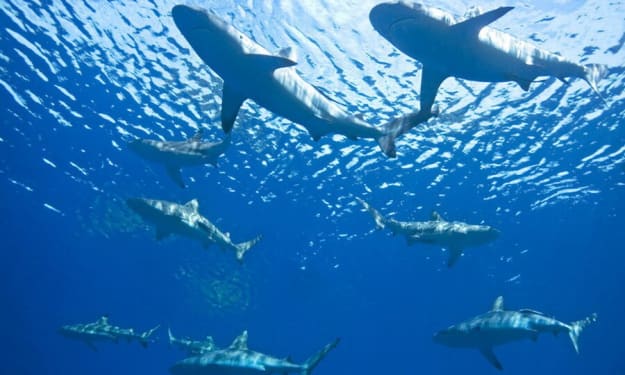
Hanifaru Bay, situated in the Baa Atoll in the Maldives, is one of the earth's most bizarre protected marine areas. This protected zone has a special reputation for the annual visitation of mantas and whale sharks and provides a chance for a nature enthusiast to explore the wonders of the ocean.
By ameliarosannaabout 21 hours ago in Wander
A Mountain Overture Beneath the Alps
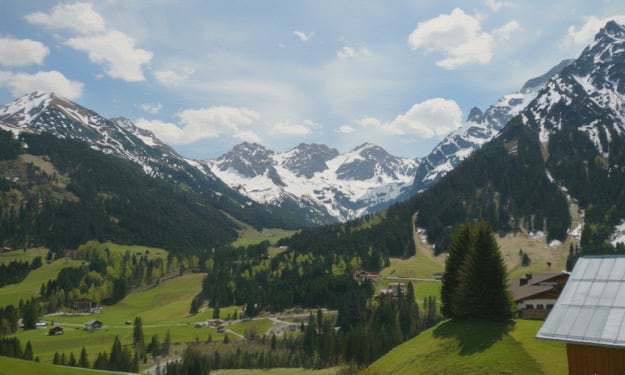
I met this mountain feast at dawn, the moment I pushed open the window. The wind rushed in, carrying the damp scent of pine needles and fresh grass. Lifting my eyes, I saw the Alps stretching their boundless arms in the morning light. The distant peaks wore crowns of silver, their snow gleaming with a sacred glow beneath the rising sun. Dark gray mountain faces, like ancient books worn smooth by time, stood in silent devotion, bearing this purity upon their backs.
By CeeCee Yanabout 9 hours ago in Wander


Comments
There are no comments for this story
Be the first to respond and start the conversation.