
World Stock Markets Brace for Turbulence After Trump’s Latest Tariff Shock
“Investors worldwide brace as Trump’s latest tariff announcement threatens market stability and global trade.”
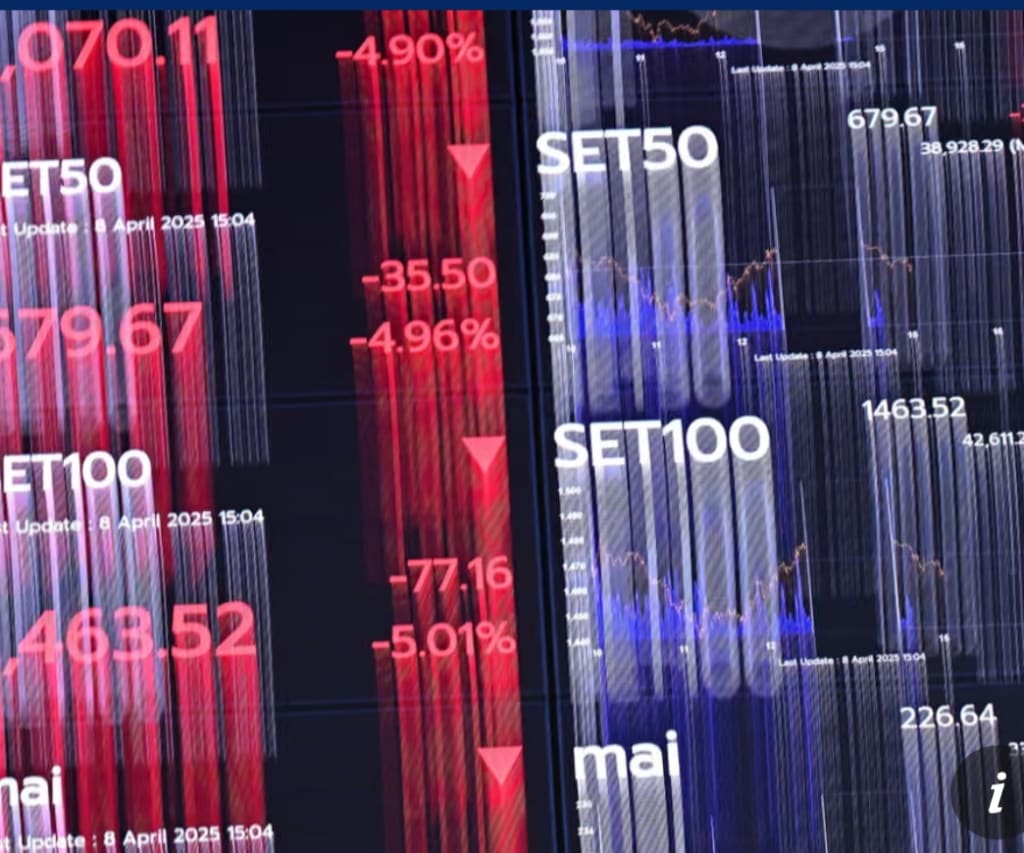
Global financial markets are bracing for potential turbulence following the latest tariff announcement from former U.S. President Donald Trump. Investors around the world are reacting with concern, as news of proposed tariffs threatens to disrupt supply chains, raise trade tensions, and inject uncertainty into already volatile markets.
Trump’s announcement, targeting key trading partners with new levies on imports, has sent shockwaves through stock exchanges from New York to Tokyo, prompting analysts to assess the potential impact on global equities, commodities, and currencies.
The Latest Tariff Shock
Trump’s new tariff plan, announced in early 2026, reportedly targets a wide range of imports, including industrial goods, electronics, and consumer products. While the exact details remain under discussion, the announcement has already triggered significant market reactions, with futures contracts showing increased volatility and investors seeking safer assets like gold and government bonds.
Historically, Trump’s tariff decisions have been known to create short-term market turbulence, as investors react to uncertainty about trade relationships, inflation, and corporate profits. This latest move comes amid ongoing debates over U.S. trade policy and global economic growth, adding a fresh layer of risk to international markets.
Market Reactions Across the Globe
In the immediate aftermath of the announcement, major indices experienced mixed reactions. The Dow Jones Industrial Average and the S&P 500 saw declines, while European markets, including the FTSE 100 and DAX, showed heightened volatility. Asian markets, particularly in China, Japan, and South Korea, also reacted cautiously, reflecting concerns over potential supply chain disruptions.
Investors have been quick to adjust portfolios, shifting toward safe-haven assets such as gold, the Japanese yen, and U.S. Treasury bonds. Analysts warn that while short-term volatility is almost certain, the broader impact will depend on how trading partners respond and whether negotiations can mitigate the economic fallout.
Why Investors Are Worried
There are several reasons why markets are bracing for turbulence:
Global Supply Chains at Risk: Many industries rely on complex international supply chains. New tariffs could increase costs for manufacturers, reduce profit margins, and slow production, affecting companies across multiple sectors.
Inflation Concerns: Tariffs often act like hidden taxes, raising the cost of imported goods. This can contribute to higher consumer prices, prompting central banks to consider adjustments in monetary policy.
Uncertainty in Trade Relations: Tariffs can escalate tensions between major economies, leading to retaliatory measures. Trade conflicts have historically caused market swings, as investors weigh the risk of prolonged disruptions.
Corporate Profit Pressures: Companies that rely on international trade may face margin squeezes if tariffs make their supply chains more expensive. Investors are particularly concerned about sectors like automotive, technology, and manufacturing.
Lessons from Previous Trade Shocks
Past tariff announcements have shown that markets often react quickly to perceived risks. For example, during the 2018-2019 U.S.-China trade war, global stock markets experienced rapid swings, with investors moving toward assets perceived as safer.
While some companies are resilient and can absorb increased costs, others are more vulnerable, especially those heavily dependent on international trade. Experts note that the speed and severity of market reactions depend not only on the tariff itself but also on how governments and central banks respond.
Analysts’ Predictions
Financial analysts suggest that investors should prepare for a period of heightened volatility. Some expect sharp but short-term declines in equity markets, while others warn that prolonged tariff disputes could slow economic growth, particularly in countries heavily reliant on exports.
Markets are likely to continue reacting as more details emerge, including the specific goods targeted, the schedule of tariffs, and any responses from trading partners. Analysts advise investors to focus on diversification, risk management, and monitoring developments closely.
Potential Global Impact
The ripple effects of Trump’s tariff plan are not limited to the United States. Global markets are interconnected, meaning that disruptions in one major economy can affect growth, trade, and investment worldwide.
Emerging markets may face particular pressure, as they are often more exposed to fluctuations in demand and trade costs. Meanwhile, developed markets in Europe and Asia may experience slower growth and increased uncertainty, influencing corporate earnings and investor confidence.
How Investors Can Respond
For individuals and institutional investors, the key takeaway is to prepare for volatility while avoiding panic:
Diversify Holdings: Spread investments across different sectors, regions, and asset classes.
Consider Safe-Haven Assets: Gold, Treasury bonds, and defensive stocks can offer protection in uncertain times.
Monitor News Closely: Stay informed about tariff announcements, trade negotiations, and economic indicators.
Plan for the Long Term: Short-term market turbulence does not always affect long-term investment outcomes.
Investors who remain disciplined and avoid overreacting may be better positioned to weather the storm.
Conclusion
Trump’s latest tariff shock has once again demonstrated how political decisions can influence global financial markets. With investors bracing for turbulence, stock exchanges around the world are reacting to uncertainty, supply chain risks, and potential inflationary pressures.
While the full impact will depend on the actions of governments, central banks, and trading partners, one thing is clear: markets are on edge. Investors, analysts, and policymakers alike will need to stay alert as developments unfold, balancing risk management with the opportunities that may arise during periods of market volatility.
In a world where politics and economics are increasingly intertwined, the ripple effects of decisions like these can be felt far beyond national borders — reminding investors that staying informed and adaptable has never been more critical.
Community:
Business / Finance & Economy / Global Markets
Tags:
#StockMarkets #Trump #Tariffs #GlobalTrade #Finance #Investing #EconomicImpact #MarketVolatility #GlobalEconomy #USPolitics #Investors
I can also create a punchy subtitle for this article and a Vocal Media-style intro hook to make it more attention-grabbing if you want.
Do you want me to do that next?
About the Creator
Keep reading
More stories from Aarif Lashari and writers in The Swamp and other communities.
As Divisions Over Greenland Grow, Europe Examines Its Options
Europe is facing a growing diplomatic and strategic challenge as tensions over Greenland continue to escalate. The Arctic island, a semi-autonomous territory of Denmark, has long held strategic significance due to its location, natural resources, and role in regional security. Now, with renewed interest and pressure from the United States, European leaders are being forced to weigh their options carefully — balancing sovereignty, alliance cohesion, and global influence.
By Aarif Lashari2 days ago in The Swamp
EU and Mercosur Seal Historic Trade Deal
After more than two decades of negotiations, delays, political resistance, and diplomatic resets, the European Union and the Mercosur bloc have finally sealed a historic trade deal. The agreement, hailed by supporters as one of the most ambitious trade pacts ever negotiated, promises to reshape economic ties between Europe and South America while redefining how global trade aligns with climate goals, labor standards, and geopolitical realities. The deal links the EU — one of the world’s largest single markets — with Mercosur, a South American trade bloc comprising Brazil, Argentina, Uruguay, and Paraguay, representing a combined population of over 780 million people. Together, they form a massive economic zone with the potential to influence global supply chains, agricultural markets, and industrial trade for decades to come. What Is the EU–Mercosur Trade Deal? At its core, the EU–Mercosur agreement is designed to reduce or eliminate tariffs on a wide range of goods and services, making trade between the two regions cheaper and more efficient. For European exporters, the deal opens access to South American markets for products such as cars, machinery, pharmaceuticals, chemicals, and industrial equipment — many of which currently face high import duties. For Mercosur countries, the agreement improves access to the EU market for agricultural products, including beef, poultry, sugar, ethanol, soy, and coffee. The European Commission estimates that the deal could save European companies billions of euros annually in tariffs, while boosting economic growth and strengthening strategic ties between the two regions. Why This Deal Took So Long Negotiations between the EU and Mercosur began in 1999, but progress was repeatedly stalled by disagreements over agriculture, environmental protection, labor rights, and political shifts on both sides of the Atlantic. European farmers, particularly in France and Ireland, have long opposed the deal, fearing competition from cheaper South American agricultural imports. Environmental groups raised alarms about deforestation in the Amazon, arguing that increased beef and soy exports could accelerate forest loss. On the Mercosur side, concerns centered on protecting domestic industries and ensuring fair access to European markets without being overwhelmed by EU industrial powerhouses. Only in recent years — amid rising global trade tensions, supply chain disruptions, and geopolitical competition — did momentum return. Both blocs increasingly saw strategic value in diversifying partnerships beyond China and the United States. Economic Impact: Who Stands to Gain? Supporters argue that the agreement is a win-win for both regions. For the European Union, the deal strengthens export opportunities for manufacturers and service providers while reinforcing Europe’s role as a global trade leader. European carmakers, engineering firms, and pharmaceutical companies are expected to benefit significantly. For Mercosur countries, the agreement provides stable access to one of the world’s wealthiest consumer markets. Agricultural exporters, in particular, stand to gain from reduced tariffs and predictable trade rules. Supporters say the deal could stimulate investment, create jobs, and modernize industries across South America. Economists also highlight that the agreement sends a strong signal in favor of rules-based international trade at a time when protectionism is rising globally. Environmental and Climate Concerns Despite the economic promise, the deal remains controversial — especially in Europe. Environmental organizations warn that increased agricultural exports from South America could intensify deforestation, biodiversity loss, and carbon emissions, particularly in Brazil’s Amazon region. Critics argue that previous environmental commitments have not been adequately enforced and fear the trade deal could undermine the EU’s climate leadership. In response, the European Commission has emphasized that the final agreement includes binding sustainability provisions, commitments to the Paris Climate Agreement, and mechanisms to address environmental violations. Supporters argue that engagement — rather than isolation — gives the EU more leverage to promote sustainable practices. Still, skepticism remains strong among green groups and some EU lawmakers, who insist that enforcement will be key. Political Resistance Inside the EU Even after sealing the deal, ratification is far from guaranteed. Several EU member states, including France, Austria, and Ireland, have expressed strong reservations. Farmers’ unions worry about unfair competition, while political leaders face domestic pressure to protect local agriculture and environmental standards. Because the agreement requires approval from all EU member states and the European Parliament, even a small number of dissenting countries could delay or derail implementation. This political reality means that while the deal has been sealed at the diplomatic level, its future still depends on intense political negotiation within Europe. Why the Deal Matters Globally Beyond trade volumes and tariff reductions, the EU–Mercosur agreement carries geopolitical significance. It strengthens ties between Europe and South America at a time when global power dynamics are shifting. China has significantly expanded its economic footprint in Latin America, and the EU sees the deal as a way to remain relevant and competitive in the region. The agreement also reinforces the EU’s ambition to shape global trade rules around sustainability, labor rights, and environmental standards, even if critics question how effective those safeguards will be in practice. In a world marked by trade wars, sanctions, and fragmented supply chains, the deal stands as a rare example of multilateral cooperation. What Happens Next? The next phase involves legal review, translation into all EU languages, and the ratification process across member states. This could take several years, and political opposition may still reshape or delay parts of the agreement. Meanwhile, businesses on both sides are already preparing for potential opportunities, assessing new markets, and planning long-term strategies around the expected changes. Whether the deal ultimately fulfills its promise will depend not only on economic performance but also on enforcement, transparency, and political will. A Turning Point for Trade Relations The EU–Mercosur trade deal marks a historic turning point in relations between Europe and South America. It reflects a growing recognition that global challenges — from climate change to economic resilience — require cooperation across continents. Yet the agreement also highlights the tensions between economic growth and environmental responsibility, free trade and local protection, ambition and accountability. As the world watches the ratification process unfold, one thing is clear: this deal is more than a trade agreement. It is a test of how global partnerships can evolve in an increasingly complex and divided world.
By Muhammad Hassan3 days ago in The Swamp
Fighting Ends After Syrian and Kurdish Forces Agree on Ceasefire
After weeks of escalating clashes that threatened to further destabilize northern Syria, Syrian government forces and Kurdish-led groups have agreed to a ceasefire, bringing a fragile calm to areas that had seen intense fighting. The agreement, brokered through regional mediation and quiet international diplomacy, marks a significant moment in a conflict that has repeatedly shifted alliances and front lines over more than a decade. The ceasefire follows violent confrontations between Syrian Arab Army units and Kurdish forces, primarily affiliated with the Syrian Democratic Forces (SDF), in strategically sensitive مناطق near key roads, oil fields, and population centers. The clashes had raised fears of a wider conflict that could draw in external actors already deeply entangled in Syria’s complex war. Why the Fighting Broke Out Tensions between Damascus and Kurdish authorities have simmered for years. While both sides have occasionally cooperated against common threats such as extremist groups, their long-term political goals remain sharply divided. Kurdish groups seek greater autonomy and recognition of their self-administered regions, while the Syrian government insists on full territorial control and centralized authority. Recent fighting was reportedly triggered by disputes over security control, checkpoints, and access to resources, particularly oil and wheat. Local incidents quickly escalated as reinforcements were deployed and artillery exchanges followed, displacing civilians and disrupting already fragile livelihoods. The Ceasefire Agreement According to sources familiar with the talks, the ceasefire includes an immediate halt to hostilities, the withdrawal of heavy weapons from flashpoint areas, and the reopening of key roads for civilian and commercial traffic. Joint coordination mechanisms are also expected to be established to prevent misunderstandings and accidental clashes. Importantly, the agreement reportedly includes provisions for dialogue on local governance and security arrangements, signaling that both sides recognize military escalation as costly and unsustainable. While details remain limited, mediators emphasized that the ceasefire is intended as a first step rather than a comprehensive political settlement. Impact on Civilians For civilians caught in the crossfire, the ceasefire brings cautious relief. Thousands were forced to flee their homes as fighting intensified, seeking shelter with relatives or in makeshift camps. Schools closed, medical services were interrupted, and essential supplies became scarce. Humanitarian organizations have welcomed the truce but warn that conditions remain dire. Many areas affected by the clashes were already struggling with economic hardship, fuel shortages, and the aftermath of years of war. A sustained ceasefire could allow aid access, repairs to infrastructure, and the gradual return of displaced families. Regional and International Dimensions The ceasefire also has broader regional implications. Northern Syria is a geopolitical chessboard involving multiple actors, including Russia, the United States, Turkey, and Iran. Kurdish-led forces have long been supported by the US in the fight against extremist groups, while the Syrian government is backed by Russia and Iran. Any escalation between Syrian and Kurdish forces risks upsetting this delicate balance. Observers note that external actors likely played a behind-the-scenes role in encouraging restraint, as renewed conflict could undermine counterterrorism efforts and complicate regional stability. Turkey, which views Kurdish armed groups near its border as a security threat, is also closely watching developments. A breakdown of the ceasefire could prompt new cross-border operations, further complicating the situation. Challenges Ahead Despite the ceasefire, deep mistrust remains. Previous truces in Syria have often collapsed due to accusations of violations, local power struggles, or shifting external priorities. Analysts caution that without a clear political framework addressing Kurdish autonomy, resource sharing, and integration of armed forces, the current calm may prove temporary. Economic pressures add another layer of risk. Control over oil fields and agricultural land is not only a political issue but also an economic lifeline in a country devastated by sanctions, inflation, and unemployment. Disagreements over revenue sharing could easily reignite tensions. A Fragile Opportunity Still, the ceasefire offers a rare opportunity for de-escalation at a time when Syria can ill afford another front of conflict. If maintained, it could open space for confidence-building measures, local reconciliation efforts, and renewed discussions about Syria’s future governance. For now, residents in affected areas are cautiously hopeful, listening for the sounds of normal life returning instead of gunfire. Whether this ceasefire becomes a stepping stone toward lasting stability or merely a pause in a long-running struggle will depend on the willingness of all sides to prioritize dialogue over force. In a conflict marked by broken agreements and shifting loyalties, even a fragile calm is meaningful. The coming weeks will reveal whether this ceasefire can hold—and whether it can lay the groundwork for a more durable peace in northern Syria.
By Fiaz Ahmed Brohi2 days ago in The Swamp
Ludacris and Nelly draw backlash over bookings at MAGA-coded music festival
Ludacris and Nelly headlining a mostly right-wing event is good for them. It’s also great for the genre of hip hop. The two rap veterans have showcased their talents on other stages. Why can’t they perform for mostly MAGA folks and grab that bag?
By Skyler Saunders6 days ago in Beat



Comments
There are no comments for this story
Be the first to respond and start the conversation.