
As Divisions Over Greenland Grow, Europe Examines Its Options
“As tensions over Greenland rise, Europe must navigate sovereignty, security, and diplomacy.”

Europe is facing a growing diplomatic and strategic challenge as tensions over Greenland continue to escalate. The Arctic island, a semi-autonomous territory of Denmark, has long held strategic significance due to its location, natural resources, and role in regional security. Now, with renewed interest and pressure from the United States, European leaders are being forced to weigh their options carefully — balancing sovereignty, alliance cohesion, and global influence.
The debate is not just about Greenland itself. It reflects broader questions about Europe’s unity, its approach to NATO, and how it responds to external pressures in an increasingly complex geopolitical environment.
The Origins of the Greenland Tensions
Greenland’s prominence on the global stage rose dramatically in recent decades, largely due to its strategic Arctic position. With melting ice opening new shipping routes and access to minerals, the island has become a focal point for global powers including the U.S., Russia, and China.
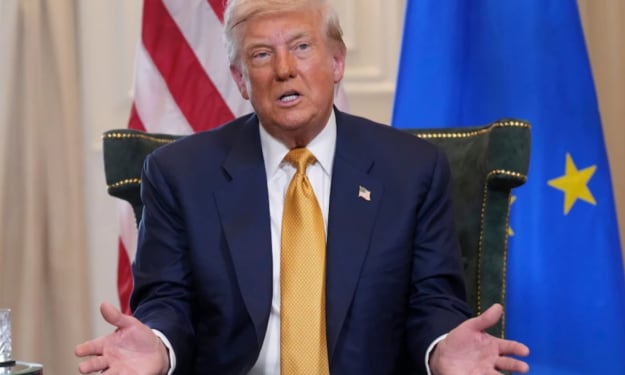
In 2026, tensions intensified when former U.S. President Donald Trump revived his longstanding interest in Greenland. Reports suggest that Trump threatened economic measures against European allies unless negotiations over Greenland were reopened. While Denmark and Greenland have firmly rejected the notion of selling or ceding control of the island, these threats sparked widespread concern across Europe.
The issue quickly evolved from a curious news story into a serious matter of alliances, trade, and regional security, prompting EU leaders to examine how best to respond.
Europe’s Immediate Concerns
European leaders are facing several immediate challenges:
Sovereignty: Greenland is part of the Kingdom of Denmark, and both Danish and Greenlandic authorities have emphasized the right to self-determination. Any foreign pressure undermines that principle, making a strong European response a matter of principle as well as politics.
NATO Cohesion: Several European nations targeted by potential U.S. economic measures are key NATO allies. Maintaining trust within the alliance is critical, especially given rising global security concerns in the Arctic and beyond.
Economic Risks: Threats of tariffs or trade sanctions could disrupt Europe-U.S. commerce. Many EU countries are closely monitoring the situation to anticipate possible economic fallout and to consider countermeasures if needed.
Options on the Table
As divisions over Greenland grow, Europe is carefully examining its strategic and diplomatic options. Several paths are being considered:
Diplomatic Engagement: Continuing dialogue with both Denmark and the United States could de-escalate tensions without resorting to economic retaliation. Diplomats are emphasizing communication and negotiation as a first step.
Unified EU Response: The European Union is exploring ways to present a cohesive front, ensuring that no single member state faces undue pressure individually. This could involve formal statements, coordinated sanctions, or leveraging EU trade tools.
Economic Countermeasures: Brussels is reportedly reviewing existing legal instruments that could be used to respond to coercive economic actions, including tariffs on U.S. goods. While escalation is not desired, the possibility of financial pushback remains on the table.
Strengthening NATO Coordination: Europe may use this moment to reaffirm NATO solidarity, ensuring that alliance members remain aligned while resisting external pressure. This could include joint statements, increased Arctic cooperation, or coordinated defense planning.
The Strategic Importance of Greenland
Greenland’s relevance extends beyond Europe-U.S. relations. Its geographic location in the Arctic makes it central to defense strategy, environmental monitoring, and future shipping routes. The island’s mineral wealth, including rare earth elements, also increases its geopolitical significance.
For Europe, failing to respond to pressure over Greenland could set a precedent that territorial disputes or coercion by external powers can bypass European consultation. This raises long-term concerns about European influence in global decision-making and the protection of its strategic interests.
Public Opinion and Political Debate
Within Europe, public opinion is divided. Some citizens and political groups stress the need for pragmatism and de-escalation, arguing that economic retaliation could harm ordinary citizens and industries. Others insist on a strong stance, emphasizing the defense of sovereignty and the importance of standing firm against coercion.
Greenlandic leaders have largely supported European solidarity, while emphasizing that the island’s people must lead any discussions about their own future. The public debate highlights the delicate balance between principle, diplomacy, and economic interests.
Broader Implications
The Greenland situation is more than a territorial dispute; it represents Europe’s evolving role in global politics. How the EU and its member states respond may influence:
Future negotiations over Arctic security and natural resources
The credibility of NATO alliances and commitments
Europe’s ability to project influence on the global stage
The use of economic measures as a tool of coercion in international relations
Analysts note that Europe’s response could shape future transatlantic relations for decades, making it a key test of diplomacy and strategic foresight.
Conclusion
As divisions over Greenland continue, Europe faces a complex challenge. Leaders must navigate sovereignty, alliance unity, and global strategy while maintaining stability and credibility. Diplomatic negotiations, EU cohesion, and carefully considered economic responses are all tools under review as the continent decides its next steps.
Greenland, a small island with enormous strategic value, has become a symbol of Europe’s resilience, unity, and approach to modern geopolitics. The coming weeks and months will reveal not only how Europe handles external pressure but also how it defines its role as a global actor in an increasingly contested world.
Europe’s choices over Greenland will resonate far beyond the Arctic, influencing the future of transatlantic relations, trade policies, and the strategic balance in one of the planet’s most critical regions.
Community:
World / Politics & Diplomacy / Europe & Transatlantic Relations
Tags:
#Greenland #Europe #EU #Geopolitics #Trump #NATO #Diplomacy #TransatlanticRelations #ArcticSecurity #InternationalPolitics
I can also create a punchy subtitle and a short bullet summary for the top of the article to make it more eye-catching on Vocal Media.
Do you want me to do that next?
About the Creator
Keep reading
More stories from Aarif Lashari and writers in The Swamp and other communities.
Europe Threatens to Strike Back Against Trump Over Greenland Tariffs
Europe is bracing for a new chapter of transatlantic tension after former US President Donald Trump warned of imposing tariffs linked to Greenland, triggering sharp reactions from European leaders. The threat has reignited concerns about trade wars, geopolitical leverage, and the fragile balance between long-standing allies. As Brussels weighs its options, European officials are making it clear: if Washington moves forward, Europe is prepared to strike back.
By Aarif Lashariabout 14 hours ago in The Swamp
US Senators Move to Clarify the Crypto Landscape
The U.S. cryptocurrency market has long been a frontier of innovation — and confusion. Investors, startups, and regulators alike have struggled to navigate a landscape where digital assets grow at lightning speed, yet the rules governing them remain murky. Now, a group of U.S. senators has taken a major step to address this uncertainty by introducing a bill aimed at defining clearer rules for the crypto market. A Turning Point for Crypto Regulation For years, the U.S. has lagged behind other countries in providing clear legal guidance on cryptocurrency. While some states have issued their own regulations and agencies like the Securities and Exchange Commission (SEC) have offered guidance, the lack of a unified federal framework has created uncertainty. This uncertainty has affected everyone from small retail investors to large financial institutions, limiting adoption and innovation. The new bill, introduced by senators from both parties, represents the first comprehensive attempt in years to outline federal rules for digital assets. By clearly defining what constitutes a cryptocurrency, setting standards for trading platforms, and delineating regulatory oversight, lawmakers hope to bring stability and transparency to the market. Key Provisions of the Bill While the full text of the legislation is extensive, several provisions stand out as particularly significant: Clear Definitions: One of the major obstacles in the U.S. crypto market has been the lack of precise definitions. The bill seeks to categorize digital assets into clear categories such as “cryptocurrencies,” “stablecoins,” and “security tokens,” each with tailored regulatory frameworks. This clarity is expected to help companies understand whether they are subject to SEC rules, Commodity Futures Trading Commission (CFTC) oversight, or other federal regulations. Consumer Protections: With high-profile cases of crypto fraud and exchange collapses, consumer protection is a priority. The bill introduces requirements for transparency in trading platforms, clear disclosure of risks, and security standards to protect investor assets. It also provides mechanisms for recourse in cases of fraud or mismanagement. Stablecoin Oversight: Stablecoins — digital assets pegged to traditional currencies — have grown enormously, fueling concerns about systemic risk. The proposed legislation outlines regulatory guidelines to ensure that stablecoins are fully backed, audited regularly, and subject to federal oversight, reducing the potential for market disruptions. Innovation-Friendly Framework: Importantly, the bill does not aim to stifle innovation. It encourages technological development and allows startups to experiment within a defined framework. Lawmakers recognize that the U.S. risks losing its competitive edge if crypto regulation becomes too restrictive or unclear. Coordination Among Agencies: One persistent problem has been overlapping jurisdiction between federal agencies. The bill seeks to clarify which agency is responsible for different types of digital assets and activities, aiming to reduce confusion and prevent conflicting enforcement actions. Bipartisan Support Reflects Growing Recognition Interestingly, the bill enjoys support from both Democrats and Republicans, reflecting a growing recognition that cryptocurrency is not just a niche technology but a key component of the modern financial system. Lawmakers have highlighted the potential for blockchain to improve payment systems, reduce transaction costs, and enhance transparency in financial markets. The bipartisan nature of the legislation may also increase its chances of passage, though challenges remain. While regulators largely welcome clarity, some consumer advocacy groups argue that the bill does not go far enough in protecting everyday investors from risks associated with highly volatile digital assets. Industry Response The crypto industry has largely welcomed the proposed legislation, viewing it as a long-overdue step toward legitimacy. Exchanges, wallet providers, and blockchain startups have repeatedly called for clear federal guidelines, arguing that uncertainty hampers growth and scares away institutional investors. At the same time, some companies have cautioned that overly strict rules could push innovation overseas, as U.S. developers might move to countries with more flexible frameworks. Balancing innovation with investor protection remains a central challenge for lawmakers. Global Context: The U.S. and Crypto Regulation The introduction of this bill comes at a time when the U.S. faces increasing international competition in the crypto space. Countries like Switzerland, Singapore, and the United Arab Emirates have implemented comprehensive frameworks that attract crypto startups and investments. Without clear rules, the U.S. risks losing its leadership position in a market expected to be worth trillions of dollars in the coming decades. By setting federal standards, the bill could help the U.S. reassert its influence, ensuring that innovation occurs under a framework that protects consumers while fostering growth. Analysts believe that clarity in regulation will encourage major banks, investment firms, and technology companies to expand their involvement in digital assets. Next Steps and Potential Challenges The bill will now move through the Senate committee process, where lawmakers will debate its provisions and consider amendments. It faces potential hurdles, including disagreements over the scope of regulatory authority and the degree of oversight needed for innovative financial instruments. Moreover, the fast-moving nature of the crypto market presents another challenge: laws that take too long to pass risk becoming outdated as technology evolves. Advocates argue that any legislation should include mechanisms for periodic review to keep pace with innovation. Conclusion: Toward a Clearer Crypto Future For investors, innovators, and regulators, the introduction of this bill represents a significant milestone. It signals a shift toward clearer rules, stronger protections, and a more stable environment for digital assets in the United States. While challenges remain, the legislation offers hope that the long-standing uncertainty surrounding cryptocurrency regulation may finally be addressed. As Congress debates the bill, the broader market watches closely. A well-crafted framework could transform the U.S. crypto landscape, encouraging growth, innovation, and consumer confidence. Ultimately, the success of this effort may determine whether America can maintain its position as a global leader in the digital financial revolution.
By Muhammad Hassan5 days ago in The Swamp
How to Succeed at the Benson Directory®
Congratulations and welcome to the Benson Directory® employee #22391! As our newest call handler, you will have the privilege of speaking with dozens of unique and interesting people on a daily basis as well as the opportunity to earn bonuses for high performance. Contained within this handbook you will find a set of ease to follow instructions designed to help you settle in to your new role and begin paving the way to success.
By S. A. Crawford2 days ago in Fiction



Comments
There are no comments for this story
Be the first to respond and start the conversation.