
Fighting Ends After Syrian and Kurdish Forces Agree on Ceasefire
Fighting Ends After Syrian and Kurdish Forces Agree on Ceasefire

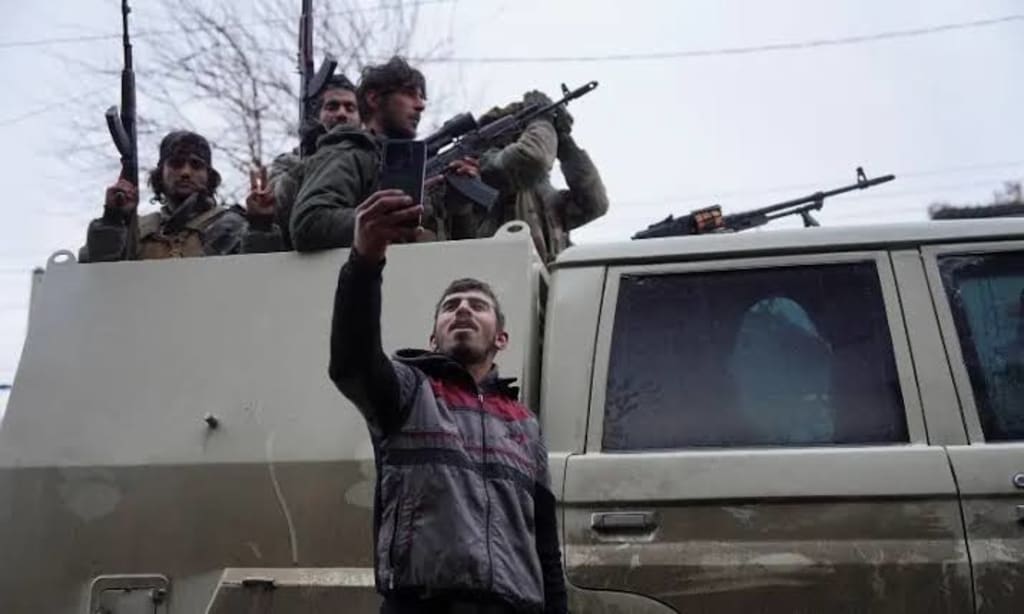
After weeks of escalating clashes that threatened to further destabilize northern Syria, Syrian government forces and Kurdish-led groups have agreed to a ceasefire, bringing a fragile calm to areas that had seen intense fighting. The agreement, brokered through regional mediation and quiet international diplomacy, marks a significant moment in a conflict that has repeatedly shifted alliances and front lines over more than a decade.
The ceasefire follows violent confrontations between Syrian Arab Army units and Kurdish forces, primarily affiliated with the Syrian Democratic Forces (SDF), in strategically sensitive مناطق near key roads, oil fields, and population centers. The clashes had raised fears of a wider conflict that could draw in external actors already deeply entangled in Syria’s complex war.
Why the Fighting Broke Out
Tensions between Damascus and Kurdish authorities have simmered for years. While both sides have occasionally cooperated against common threats such as extremist groups, their long-term political goals remain sharply divided. Kurdish groups seek greater autonomy and recognition of their self-administered regions, while the Syrian government insists on full territorial control and centralized authority.
Recent fighting was reportedly triggered by disputes over security control, checkpoints, and access to resources, particularly oil and wheat. Local incidents quickly escalated as reinforcements were deployed and artillery exchanges followed, displacing civilians and disrupting already fragile livelihoods.
The Ceasefire Agreement
According to sources familiar with the talks, the ceasefire includes an immediate halt to hostilities, the withdrawal of heavy weapons from flashpoint areas, and the reopening of key roads for civilian and commercial traffic. Joint coordination mechanisms are also expected to be established to prevent misunderstandings and accidental clashes.
Importantly, the agreement reportedly includes provisions for dialogue on local governance and security arrangements, signaling that both sides recognize military escalation as costly and unsustainable. While details remain limited, mediators emphasized that the ceasefire is intended as a first step rather than a comprehensive political settlement.
Impact on Civilians
For civilians caught in the crossfire, the ceasefire brings cautious relief. Thousands were forced to flee their homes as fighting intensified, seeking shelter with relatives or in makeshift camps. Schools closed, medical services were interrupted, and essential supplies became scarce.
Humanitarian organizations have welcomed the truce but warn that conditions remain dire. Many areas affected by the clashes were already struggling with economic hardship, fuel shortages, and the aftermath of years of war. A sustained ceasefire could allow aid access, repairs to infrastructure, and the gradual return of displaced families.
Regional and International Dimensions
The ceasefire also has broader regional implications. Northern Syria is a geopolitical chessboard involving multiple actors, including Russia, the United States, Turkey, and Iran. Kurdish-led forces have long been supported by the US in the fight against extremist groups, while the Syrian government is backed by Russia and Iran.
Any escalation between Syrian and Kurdish forces risks upsetting this delicate balance. Observers note that external actors likely played a behind-the-scenes role in encouraging restraint, as renewed conflict could undermine counterterrorism efforts and complicate regional stability.
Turkey, which views Kurdish armed groups near its border as a security threat, is also closely watching developments. A breakdown of the ceasefire could prompt new cross-border operations, further complicating the situation.
Challenges Ahead
Despite the ceasefire, deep mistrust remains. Previous truces in Syria have often collapsed due to accusations of violations, local power struggles, or shifting external priorities. Analysts caution that without a clear political framework addressing Kurdish autonomy, resource sharing, and integration of armed forces, the current calm may prove temporary.
Economic pressures add another layer of risk. Control over oil fields and agricultural land is not only a political issue but also an economic lifeline in a country devastated by sanctions, inflation, and unemployment. Disagreements over revenue sharing could easily reignite tensions.
A Fragile Opportunity
Still, the ceasefire offers a rare opportunity for de-escalation at a time when Syria can ill afford another front of conflict. If maintained, it could open space for confidence-building measures, local reconciliation efforts, and renewed discussions about Syria’s future governance.
For now, residents in affected areas are cautiously hopeful, listening for the sounds of normal life returning instead of gunfire. Whether this ceasefire becomes a stepping stone toward lasting stability or merely a pause in a long-running struggle will depend on the willingness of all sides to prioritize dialogue over force.
In a conflict marked by broken agreements and shifting loyalties, even a fragile calm is meaningful. The coming weeks will reveal whether this ceasefire can hold—and whether it can lay the groundwork for a more durable peace in northern Syria.
About the Creator
Fiaz Ahmed Brohi
I am a passionate writer with a love for exploring and creating content on trending topics. Always curious, always sharing stories that engage and inspire.
Keep reading
More stories from Fiaz Ahmed Brohi and writers in The Swamp and other communities.
Cardinal Parolin Expresses Deep Concern Over ‘Endless Tragedy’ in Iran
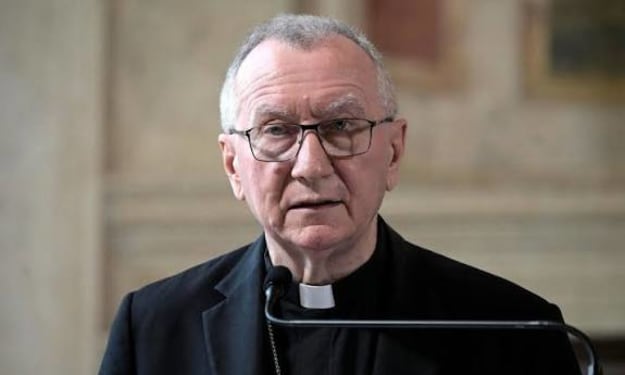
Cardinal Pietro Parolin, the Vatican’s Secretary of State and one of the most senior figures in the Roman Catholic Church, has publicly voiced profound concern over the ongoing crisis in Iran, describing it as an “endless tragedy” marked by tragic loss of life and growing humanitarian suffering. Speaking to journalists outside a Roman church on January 17, 2026, Parolin lamented the brutality faced by Iranian civilians, especially amid the country’s largest and deadliest demonstrations in decades. � Vatican News A Humanitarian Outcry from the Vatican Cardinal Parolin’s statement reflects the Vatican’s growing unease over the rising toll of civilian deaths and injuries in Iran. The protests began in late December 2025 over steep living costs and widespread economic frustration, quickly spiraling into nationwide demonstrations against political repression. By mid-January 2026, human rights groups reported that at least 2,500 people had been killed, with more than 18,000 arrested and widespread communication blackouts imposed by the government to suppress information. � AP News In this context, Parolin expressed shock that the Iranian government would direct force against its own people. “I ask myself how it is possible to rage against one’s own people, that there have been so many deaths — it is an endless tragedy,” he said, emphasizing the scale of human suffering. His remarks shifted the focus away from political posturing to the humanitarian toll, addressing questions of dignity, life, and justice that have concerned the Catholic Church for centuries. � Vatican News Reflecting the Church’s Call for Peace The Vatican has long positioned itself as a voice for peace and humanitarian compassion in global conflicts. Parolin’s message follows repeated calls from Pope Leo and other senior Church leaders to prioritize dialogue over violence, restraint over repression. In a recent Angelus address, the Pope specifically prayed for peace in Iran and Syria, condemning persistent tensions that have led to “the deaths of many people.” � Vatican News For the Vatican, the call is not just political — it is moral and spiritual. Cardinal Parolin’s remarks evoke a broader plea for compassion that aligns with Catholic teaching about the sanctity of human life. The Church’s emphasis on non-violence and respect for human dignity underpins its public stance, pushing for diplomatic solutions and pathways to reconciliation rather than escalation. What Is Happening on the Ground in Iran The protests that have sparked international alarm were triggered by economic hardship — including rising prices of food and fuel — but have since broadened into wider demands for political reform and freedom. Cities across Iran, from Tehran to smaller provincial centers, have seen sustained demonstrations, many of which have been met with lethal force by security forces. International human rights groups have reported that hundreds of protesters have been killed and thousands arrested in the past few weeks alone, making these events among the most violent crackdowns the country has experienced since the 2009 or 2022 uprisings. � Reuters +1 In this context, Parolin’s “endless tragedy” comment underscores not only the immediate human toll but also the broader implications: a population caught between aspirations for justice and a security apparatus determined to maintain strict control. For the Vatican, this crisis is ultimately about safeguarding human dignity amidst political tumult. A Call for Peace and Reconciliation Despite the grim backdrop, Cardinal Parolin expressed hope that a peaceful solution could still be found. The Vatican’s diplomatic tradition emphasizes multilateral dialogue and engagement as essential tools in resolving conflicts and preventing further bloodshed. Parolin’s appeal echoes the Church’s consistent assertion that diplomacy and moral engagement should prevail over force. In his comments, he implicitly rejected violence as a means of resolving political differences, advocating instead for compassion and cooperation among all parties. Broader Global Reverberations The situation in Iran has attracted widespread international attention, with world powers and human rights bodies urging restraint and condemning excessive force. Reports indicate that global institutions, including the United Nations, have called for respect for fundamental freedoms and basic human rights. � Reuters The Vatican’s intervention, through figures like Cardinal Parolin, adds a unique and morally rooted perspective, prioritizing human dignity above geopolitical interests. This stance reinforces the Holy See’s role not only as a religious leader but as a global moral voice in turbulent times. Conclusion: Beyond Politics to Humanity Cardinal Parolin’s deep concern over the “endless tragedy” in Iran resonates far beyond the corridors of the Vatican. His remarks signal a broader call for humanity, justice, and peace that transcends national borders and political agendas. In a world where conflicts too often reduce people to statistics, the Vatican’s emphasis on every individual life serves as a stark reminder of the human cost of unrest. As the crisis in Iran continues to unfold, calls for restraint, dialogue, and compassion grow louder — not just from religious leaders like Parolin, but from citizens and institutions around the world seeking enduring peace and respect for human dignity.
By Fiaz Ahmed Brohi2 months ago in The Swamp
The Forsyth House Fire
Since 1851, Forsyth House has stood on the corner of Union Street and Gordon Street in the heart of Glasgow. Its iconic, or was... because on Sunday 8th of March, 2026, a fire broke out in a small, seemingly un-named shop in the building and tore all that history down. As I write, the rubble is still unsettled and the street is still blocked off. Central Station is quiet on the upper level, and around 30 small businesses have quite literally gone up in smoke.
By S. A. Crawforda day ago in The Swamp
Tater Tots and Transgender Penguins:
I have my first cup of coffee for the day in hand, and my laptop on the coffee-table in front of me, opened to my favorite government tracking site: https://www.govtrack.us/. I’m settled into my favorite spot on the couch, with Kai my 2-year old Golden Retriever and trusty research partner next to me, just a couple of political junkies, who are cruising the internet, and looking for a political good-time. Ok... I'm the political-wonk... Kai's just there for the treats and belly-rubs... and then we find what we're looking for.
By Meko James 2 days ago in The Swamp


Comments
There are no comments for this story
Be the first to respond and start the conversation.