
"What Could Happen If Trump Wins 2024? Uncover the Potential Shockwaves Across America"
"From Economic Shifts to Global Tensions: A Deep Dive into the Unforeseen Consequences of Another Trump Presidency"


The political tapestry of the United States is woven with a multitude of perspectives, ideologies, and leaders. Among them, Donald Trump has been a polarizing figure, evoking intense reactions across the spectrum. His tenure in the White House left an indelible imprint on American politics, identity, and global relations. As the possibility of Trump reclaiming the presidency in the 2024 elections looms, it's essential to scrutinize the potential consequences of such an event on various facets of American life, governance, and its standing on the global stage.
1. Economic Policies and Impacts
Trump's influence on the economy was profound during his previous presidency, marked by extensive tax cuts, deregulation, and a pronounced emphasis on American manufacturing. A return to office might see these policies intensified, leading to:
Tax Revisions: Trump may advocate for additional tax cuts, particularly benefiting corporations and wealthier individuals. Proponents argue that this could stimulate investment and economic growth. However, critics warn that such measures could exacerbate income inequality by disproportionately favoring the affluent.
Trade Wars: Trump could reintroduce tariffs on imports, especially from China, potentially reigniting trade tensions. While these actions might be aimed at safeguarding American jobs, they could also lead to higher consumer prices and retaliatory tariffs from other nations, impacting industries dependent on exports.
Deregulation: During his first term, Trump’s administration significantly rolled back environmental regulations. A second term could further loosen these restrictions, raising concerns about climate change, public health, and long-term sustainability.
Employment and Wages: Supporters of Trump often cite the low unemployment rates during his presidency, particularly before the COVID-19 pandemic. A second term might attempt to replicate these trends, though the effects on wage growth and job quality would be uncertain.
2. Social Divisions and National Identity
Trump's presidency was characterized by deepening social divisions. His return could exacerbate these fissures in several ways:
Rhetoric and Polarization: Trump's confrontational style and penchant for provocative statements could further alienate already divided communities. His rhetoric, often framing issues in terms of "us vs. them," might erode the social fabric that unites Americans.
Immigration Policy: A continuation of stringent immigration policies, potentially including expanded border walls and travel bans, could heighten tensions surrounding race and immigration. This might reinforce a narrative of exclusion and intensify fears within immigrant communities.
Civic Engagement: While some individuals might be motivated to mobilize against Trump’s policies, others could feel disillusioned or hopeless. This could result in either a surge in civic participation or increased apathy, depending on political alignments.

3. Foreign Relations and Global Standing
A Trump presidency could lead to significant shifts in the global geopolitical landscape. His "America First" approach to foreign policy marked a departure from traditional diplomatic norms:
Alliances and Partnerships: Trump has been critical of longstanding alliances such as NATO. A return to power could prompt a reevaluation of these foreign commitments, potentially destabilizing relationships that have been cultivated over decades.
China and Russia: Trump's approach to China involved challenging trade practices and military posturing in the South China Sea. Conversely, he often expressed admiration for Russian President Vladimir Putin. This duality could result in a foreign policy that is both unpredictable and confusing, potentially emboldening adversaries.
Climate Change Initiatives: Trump’s previous withdrawal from the Paris Agreement indicated a lack of commitment to global climate initiatives. A second term might see further disengagement from international environmental collaborations, potentially leading other countries to reassess their own commitments.
4. Judicial Appointments and Policy Making
The influence of a president’s judicial appointments can extend for generations. During Trump’s first term, his appointments significantly shaped the Supreme Court and lower courts. A second term could entail:
Abortion Rights: With the Supreme Court's current conservative majority, Trump could further influence decisions on reproductive rights, potentially leading to additional restrictions on abortion access.
Civil Rights: Trump’s return might see efforts to curtail affirmative action policies and voting rights protections, sparking significant opposition from civil rights organizations. This could deepen societal disparities and grievances.
Healthcare: Trump’s promise to repeal and replace the Affordable Care Act (ACA) remains contentious. If re-elected, he might seek to dismantle or weaken this legislation, potentially leaving millions without health coverage.
5. Public Sentiment and Political Landscape
The re-election of Donald Trump would undoubtedly transform public sentiment and the political landscape in unpredictable ways:
Support for Extremist Movements: Trump's presidency witnessed the rise of supporters who espoused extremist views. His return could further embolden such movements, prompting increased vigilance from law enforcement and civil rights groups.
New Political Movements: If Trump’s policies and rhetoric continue to resonate during a second term, they could give rise to new grassroots movements. Conversely, a robust opposition might emerge, galvanizing activists and voters dissatisfied with the political climate.
Voter Turnout: Elections are often driven by turnout. Trump’s polarizing presence could either energize voters on both sides, resulting in record participation, or lead to disillusionment, where citizens choose not to engage with a system they feel no longer represents them.
Conclusion: A Fork in the Road
The prospect of Donald Trump returning to the presidency presents a myriad of potential outcomes for America. The implications span various domains—economic policies, social cohesion, foreign relations, judiciary influence, and overall public sentiment. As Trump remains a figure of both staunch allegiance and vehement opposition, Americans stand at a pivotal crossroads.
Ultimately, the question is not only what will happen if Trump becomes president again but also how American citizens envision their collective future. Navigating through divisive rhetoric and polarized politics will require collective dialogue, empathy, and a commitment to understanding one another. Whether through triumphs or upheavals, the nation must reckon with the legacy of leadership and the democratic ideals it strives to uphold.
P.S Check out my previous article @ https://tinyurl.com/kamala4president
About the Creator
David Snam
Greetings, I'm David Snam, a passionate storyteller weaving narratives that resonate with the heart and mind. My tales blend the surreal with the everyday, inviting you to explore worlds where the ordinary transforms into the extraordinary.
Keep reading
More stories from David Snam and writers in The Swamp and other communities.
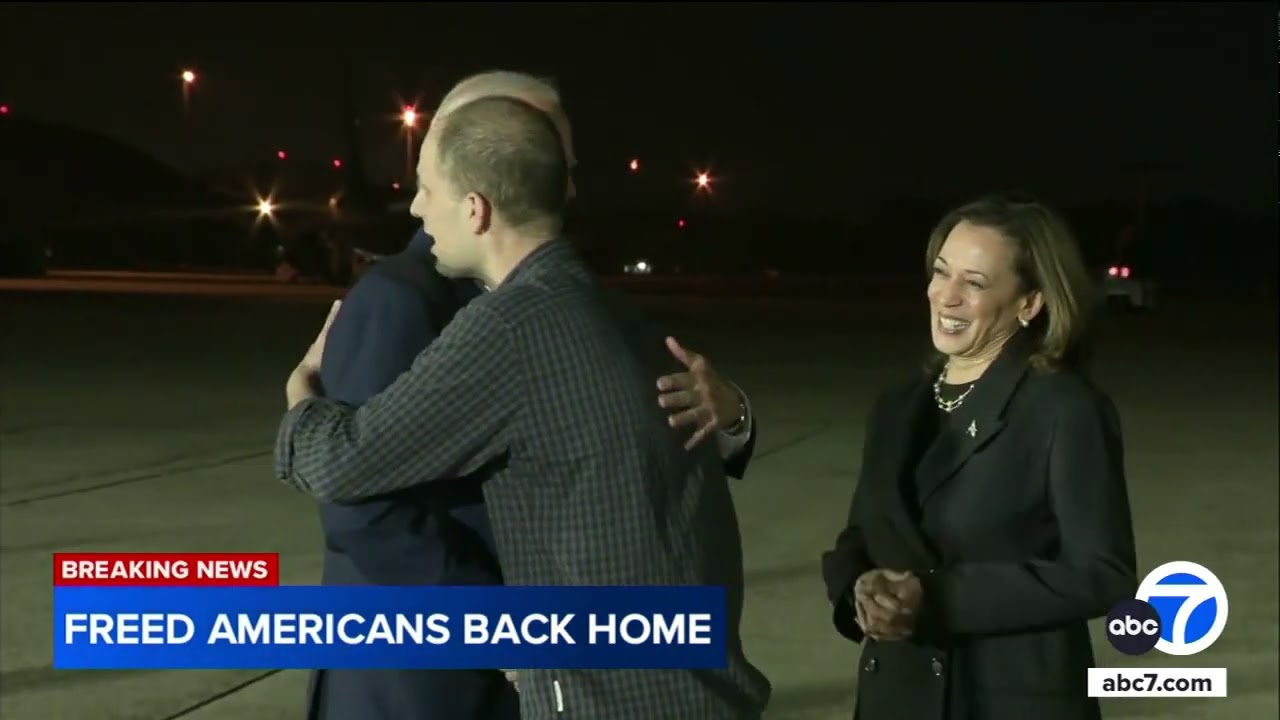
Evan Gershkovich and Paul Whelan Greeted by President Biden and Vice President Harris After Landing on U.S. Soil
In a momentous event highlighting the intricate dance of international diplomacy and the critical issue of wrongful detentions, two American citizens—Evan Gershkovich and Paul Whelan—were greeted by President Joe Biden and Vice President Kamala Harris upon their return to the United States. This event, following a meticulously negotiated prisoner exchange with Russia, underscores the complexities of international relations and the U.S. government's steadfast commitment to protecting its citizens abroad.
By David Snamabout a year ago in The Swamp
Here’s a comprehensive article based on the latest developments
: --- EU Ambassadors Summoned for Emergency Talks After Trump Threatens Tariffs Over Greenland – Europe Live In an extraordinary escalation of transatlantic tensions, European Union ambassadors were summoned for emergency talks as leaders scramble to respond to U.S. President Donald Trump’s unprecedented threat to impose tariffs on multiple European countries over the issue of Greenland — a semi-autonomous Danish territory in the Arctic with huge geopolitical significance.
By Salaar Jamalia day ago in The Swamp



Comments (2)
Nice analysis
Well written