
‘We Cannot Say for Sure These Wolves Come From Russia’: Finns Try to Fathom Cause of Record Reindeer Deaths
“Uncertainty over predators, climate change, and borders fuels debate after unprecedented losses in Finland’s north”
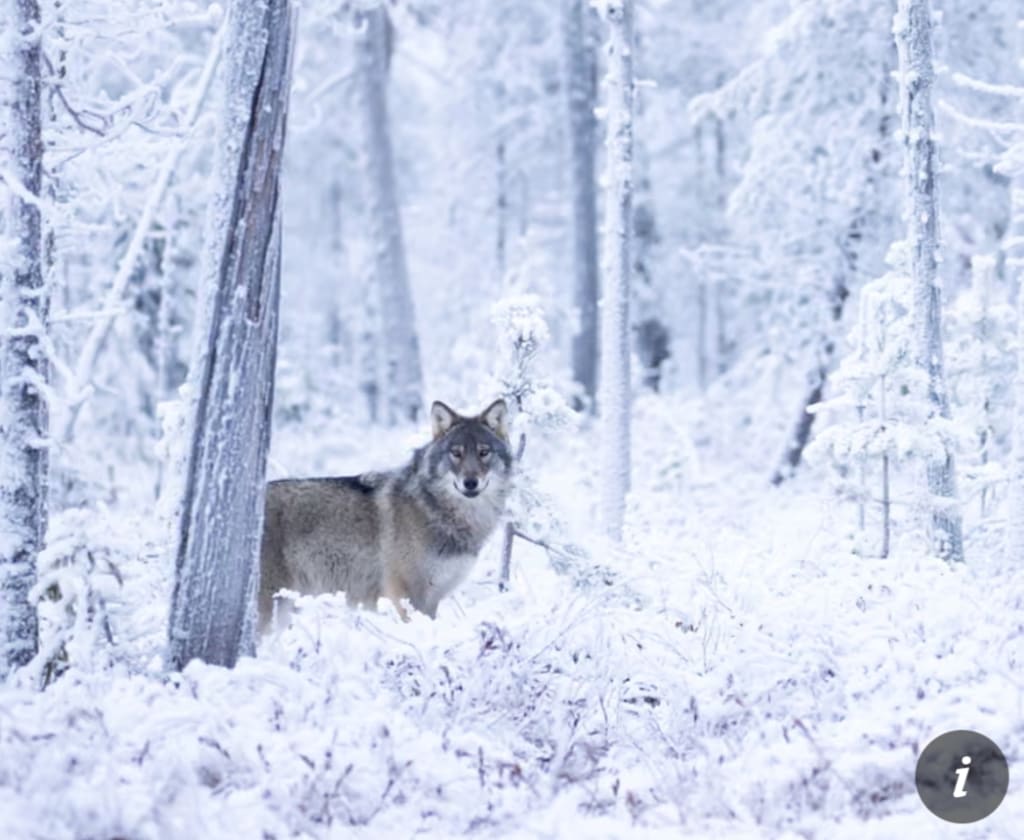
Finland is grappling with a troubling mystery after record numbers of reindeer deaths were reported across northern regions, sparking debate over predators, borders, climate pressures, and wildlife management. While some herders suspect wolves crossing from neighboring Russia, Finnish authorities and scientists caution that the situation is far more complex—and certainty remains elusive.
The deaths have hit reindeer-herding communities hard, threatening livelihoods, cultural traditions, and fragile Arctic ecosystems.
A Record Loss That Shook the North
Reindeer herding is central to life in Finland’s far north, particularly in Lapland, where Indigenous Sámi communities and local herders depend on the animals for income, food, and cultural continuity.
This winter, herding cooperatives reported unusually high losses, with hundreds of reindeer found dead or missing. While predators are a known risk, the scale of the deaths has alarmed experts.
“We cannot say for sure these wolves come from Russia,” a Finnish wildlife official said, underscoring the uncertainty surrounding the cause.
The Wolf Question
Wolves have quickly become the focal point of the debate. Finland’s wolf population is carefully monitored, and wolves are known to travel long distances, sometimes crossing borders.
Some herders believe wolves migrating from Russia may be responsible, citing:
Increased sightings near herding areas
Tracks near carcasses
Attacks consistent with wolf behavior
However, researchers warn against drawing conclusions without solid evidence. DNA analysis, tracking data, and verified sightings are required to confirm predator involvement.
Officials stress that not all deaths attributed to predators are actually caused by them.
Other Possible Causes
Wildlife experts are examining multiple contributing factors beyond wolves:
Climate Change:
Warmer winters and unpredictable freeze-thaw cycles can create hard ice layers that prevent reindeer from reaching food beneath the snow. Starvation and exhaustion can follow.
Disease and Parasites:
Changing temperatures allow parasites and diseases to spread more easily, weakening animals and increasing mortality.
Stress and Habitat Pressure:
Infrastructure expansion, forestry, and human activity can disrupt migration routes, making herds more vulnerable.
Experts say the record deaths likely result from a combination of pressures rather than a single cause.
Border Myths and Reality
The idea that predators crossing from Russia are responsible has gained traction in public debate, partly because Finland shares a long and sparsely monitored border with Russia.
However, wildlife scientists caution that wolves do not recognize political boundaries, and populations on both sides are genetically connected. Assigning blame based on borders oversimplifies a complex ecological reality.
“There is no clear evidence that Russian wolves behave differently,” a conservation biologist noted.
Impact on Reindeer Herders
For herders, the losses are devastating. Reindeer are not only economic assets but also central to Sámi identity and tradition.
Many herders report:
Severe financial strain
Emotional distress
Uncertainty about the future of their livelihood
Compensation systems exist, but critics argue they are often slow and insufficient, especially when causes of death cannot be conclusively determined.
Government Response
Finnish authorities have launched investigations involving:
Field inspections
Predator monitoring
Collaboration with research institutions
The government has pledged to improve data collection and consider additional support for affected communities.
However, officials face a delicate balance between protecting wildlife and supporting rural livelihoods, particularly when wolves are a protected species under EU law.
Conservation vs. Community Tensions
The situation has reignited long-standing tensions between conservation groups and herding communities.
Conservationists argue that wolves play a vital role in maintaining healthy ecosystems and should not be scapegoated without evidence. They emphasize coexistence strategies such as improved monitoring and non-lethal deterrents.
Herders, meanwhile, say theoretical solutions often fail in harsh Arctic conditions, where vast distances make protection difficult.
A Wider Arctic Warning
Scientists warn that the crisis may be a sign of broader changes underway in the Arctic. Climate instability, shifting predator-prey dynamics, and human encroachment are transforming northern ecosystems at unprecedented speed.
What is happening in Finland could foreshadow similar challenges across other Arctic regions where traditional livelihoods depend on stable environmental conditions.
Searching for Answers
Researchers are now expanding studies using:
GPS tracking of predators
Necropsies of reindeer carcasses
Long-term climate data analysis
The goal is to develop evidence-based policies that address the root causes rather than reacting to public pressure or speculation.
Conclusion
The mystery surrounding Finland’s record reindeer deaths underscores the complexity of modern wildlife management. While wolves remain under scrutiny, officials caution against simple explanations rooted in borders or blame.
As Finland searches for answers, the crisis highlights the urgent need for science-driven solutions, stronger support for herding communities, and a deeper understanding of how climate and ecology intersect.
For now, one thing is clear: the fate of Finland’s reindeer reflects a fragile balance—one that is becoming harder to maintain in a rapidly changing world.
About the Creator
Keep reading
More stories from Aarif Lashari and writers in The Swamp and other communities.
Monster Winter Storm Threatens Half of US as at Least 16 States Declare Emergencies
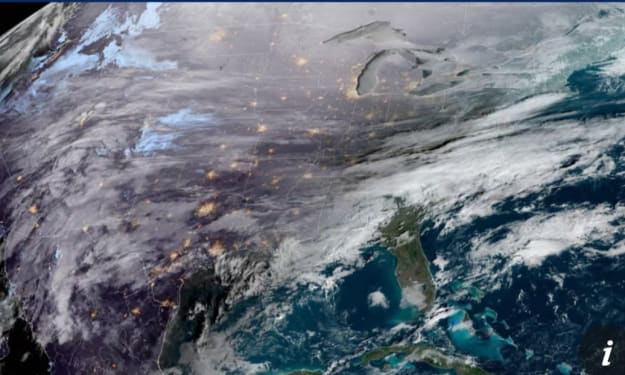
A monster winter storm sweeping across the United States is threatening nearly half the country, prompting at least 16 states to declare emergencies as authorities brace for heavy snow, ice, powerful winds, and life-threatening cold. Meteorologists warn that the sprawling system could become one of the most disruptive winter weather events of the season, affecting tens of millions of people from the Plains to the East Coast.
By Aarif Lashariabout 8 hours ago in The Swamp
Drivers Say GM Fixed Their V8s, But the Engines Still Died
For decades, General Motors’ V8 engines have been a symbol of American power, durability, and performance. From pickup trucks to full-size SUVs, GM’s V8 lineup—especially its popular 5.3L and 6.2L engines—has been marketed as reliable workhorses built to last hundreds of thousands of miles. But in recent years, a growing number of drivers are telling a very different story.
By Muhammad Hassan4 days ago in The Swamp



Comments
There are no comments for this story
Be the first to respond and start the conversation.