
Drivers Say GM Fixed Their V8s, But the Engines Still Died
Owners claim repeated failures, costly repairs, and unanswered questions even after General Motors’ promised fixes

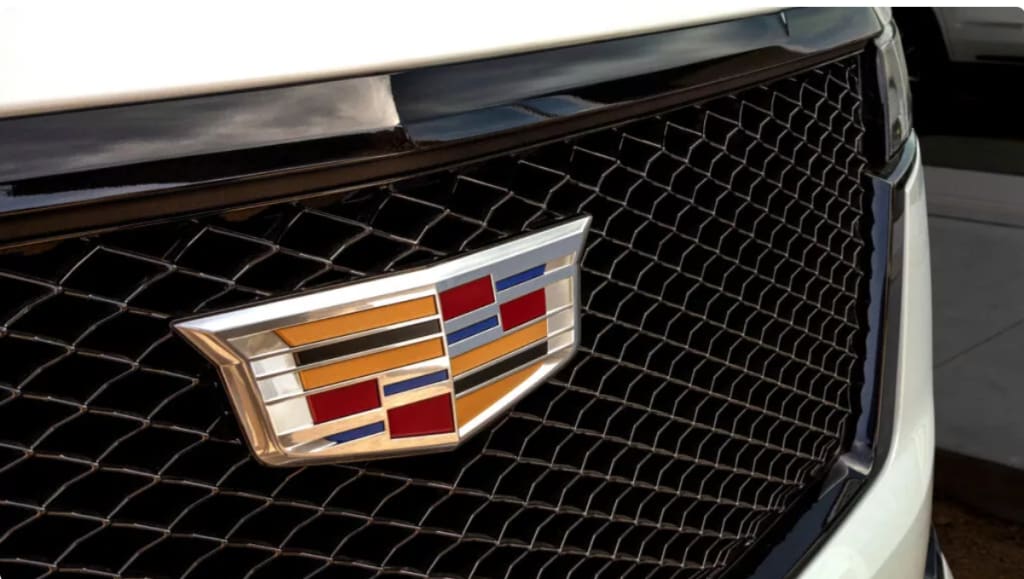
For decades, General Motors’ V8 engines have been a symbol of American power, durability, and performance. From pickup trucks to full-size SUVs, GM’s V8 lineup—especially its popular 5.3L and 6.2L engines—has been marketed as reliable workhorses built to last hundreds of thousands of miles. But in recent years, a growing number of drivers are telling a very different story.
Across online forums, consumer complaints, and repair shops, GM owners are reporting that even after the company acknowledged problems and offered fixes, their V8 engines continued to fail—sometimes catastrophically. These accounts raise uncomfortable questions about whether GM’s solutions addressed the root of the problem or merely delayed inevitable breakdowns.
The Promised Fix That Didn’t Fix Everything
The controversy largely centers around GM’s Active Fuel Management (AFM) and later Dynamic Fuel Management (DFM) systems. Designed to improve fuel efficiency, these technologies deactivate certain cylinders during light driving conditions. While innovative on paper, many mechanics and drivers believe these systems placed excessive stress on internal engine components, particularly lifters and camshafts.
After years of complaints, GM issued technical service bulletins and, in some cases, extended warranties or software updates meant to correct the issue. Some owners received rebuilt engines or replaced components at no cost or reduced cost. On the surface, it appeared the automaker had taken responsibility.
Yet many drivers say the relief was short-lived.
“I was told the engine was fixed and updated,” one truck owner wrote on a popular automotive forum. “Less than 20,000 miles later, the lifters failed again—and this time the warranty was gone.”
Engines Dying After Repairs
What has angered many owners is not just the initial failure, but the repeat breakdowns after repairs were supposedly completed. Drivers report symptoms such as ticking noises, misfires, loss of power, and sudden engine shutdowns—sometimes while driving at highway speeds.
In more severe cases, engines reportedly seized entirely, requiring full replacements costing upwards of $8,000 to $12,000. For vehicles only a few years old, these expenses have been financially devastating, especially for owners who believed the issue had already been resolved.
Independent mechanics have echoed these concerns, noting that replacement parts often mirror the original design. “If you put the same flawed components back into the engine, the outcome doesn’t change,” one technician explained. “You’re resetting the clock, not solving the problem.”
Trust and Brand Loyalty at Risk
GM has long relied on brand loyalty, particularly among truck and SUV buyers who often return to the same manufacturer generation after generation. But for some, the V8 engine issues have shaken that trust.
Owners who followed maintenance schedules, avoided heavy modifications, and drove responsibly say they feel unfairly punished. Many argue that these failures are not the result of neglect or abuse, but of engineering decisions made in pursuit of fuel economy targets.
“I bought a V8 because I needed reliability,” another driver said. “If I wanted something fragile, I wouldn’t have bought a full-size truck.”
The emotional toll has been just as significant as the financial one. For families, contractors, and small business owners who rely on their vehicles daily, unexpected engine failure can disrupt livelihoods.
Legal Action and Consumer Pressure
The frustration has not stayed confined to online discussions. Several class-action lawsuits have been filed alleging that GM knew about the engine defects but failed to adequately warn consumers. Plaintiffs argue that repairs offered under warranty did not permanently fix the underlying issues.
While GM has defended its engineering and repair practices, the legal battles underscore a growing consumer push for accountability. Even drivers whose vehicles have not yet failed worry that problems could emerge after warranties expire.
This uncertainty has affected resale values as well. Some used-vehicle buyers now avoid specific GM model years or engine configurations, further impacting owners who want to sell or trade in their vehicles.
The Bigger Question: Innovation vs. Reliability
At the heart of the controversy lies a broader industry dilemma. Automakers are under pressure to meet emissions standards and improve fuel efficiency, even in large engines. Technologies like AFM and DFM are part of that effort, but critics argue they may have been rushed into production without sufficient long-term testing.
GM is not alone in facing such challenges, but the scale of complaints surrounding its V8 engines has made this issue particularly visible. For many consumers, reliability remains more important than marginal fuel savings—especially in vehicles designed for heavy use.
What Drivers Are Doing Now
Some owners have chosen to disable AFM systems through aftermarket solutions, despite potential warranty implications. Others have sworn off GM entirely, switching brands for their next vehicle purchase.
Still, many hope the company will take stronger action, such as redesigning affected components or offering extended coverage that truly protects long-term owners. Transparency, they argue, could go a long way toward restoring confidence.
Conclusion: A Problem That Won’t Stay Quiet
The stories of GM V8 engines failing even after repairs highlight a troubling gap between corporate assurances and real-world outcomes. For drivers who believed the issue was resolved, repeated failures feel like a betrayal of trust.
As automakers continue to innovate, the GM V8 controversy serves as a cautionary tale: efficiency gains mean little if reliability is compromised. Until lasting solutions are implemented, this issue is unlikely to fade—and neither is the frustration of the drivers living with it.
For now, the question remains unresolved: were the engines truly fixed, or merely patched until they failed again?
About the Creator
Muhammad Hassan
Muhammad Hassan | Content writer with 2 years of experience crafting engaging articles on world news, current affairs, and trending topics. I simplify complex stories to keep readers informed and connected.
Keep reading
More stories from Muhammad Hassan and writers in The Swamp and other communities.
Britain Approves ‘Mega’ Chinese Embassy in London Despite National Security Fears
Britain has formally approved the construction of a massive new Chinese embassy in London, raising eyebrows among lawmakers, security experts, and the general public. The decision, announced by the UK Foreign Office, comes despite ongoing concerns about national security, espionage risks, and diplomatic sensitivities.
By Muhammad Hassan2 months ago in The Swamp
The Forsyth House Fire
Since 1851, Forsyth House has stood on the corner of Union Street and Gordon Street in the heart of Glasgow. Its iconic, or was... because on Sunday 8th of March, 2026, a fire broke out in a small, seemingly un-named shop in the building and tore all that history down. As I write, the rubble is still unsettled and the street is still blocked off. Central Station is quiet on the upper level, and around 30 small businesses have quite literally gone up in smoke.
By S. A. Crawforda day ago in The Swamp
Shadow Home Secretary Chris Philp Leads Charge on Starmer's Iran War Stance.
The Iran War has to be one of the most dangerous and unnecessary wars this century so far. Trump has changed the narrative of why he and his partner in crime, Netanyahu, attacked Iran. First, it was to liberate the Iranian people. Then Iran's support for Hezbollah, Hamas, the Houthis, etc. Then it's Iran enriching uranium and its ballistic missile programme. Since the war began, the Ayatollah Khamenei has been assassinated along with top military commanders. His son is now the new Ayatollah. A girl's school has been bombed, with 100 or so schoolgirls sent to Allah. Iran's infrastructure has been hit hard, as has its military and government. If they bombed the Founder of the Islamic Republic's mausoleum, Ayatollah Khomeini, it wouldn't surprise me. It seems the Americans and Israelis are hitting anything and everything across Iran. Similar to the levelling of Gaza by the IDF. Hundreds of Iranians have been killed and injured, civilian and military alike.
By Nicholas Bishop4 days ago in The Swamp




Comments
There are no comments for this story
Be the first to respond and start the conversation.