
Was Mahmoud Khalil Arrested for Protesting or Something More? The Legal and Political Debate
The Arrest of Mahmoud Khalil: A Fight for Free Speech or a Legal Crackdown?

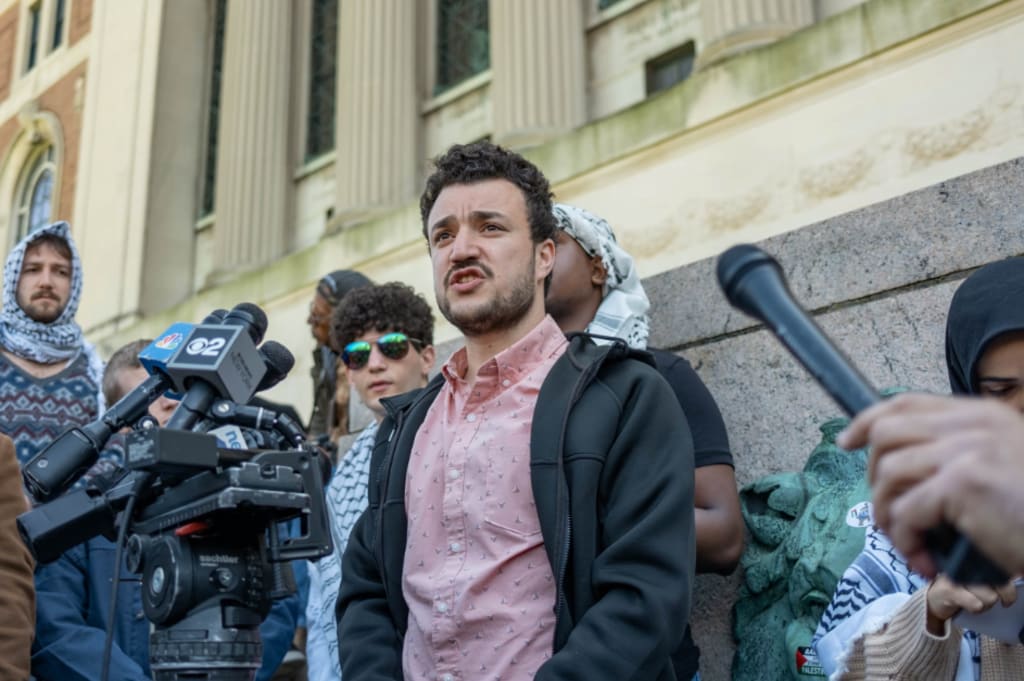
Mahmoud Khalil, a Palestinian activist and permanent U.S. resident, was arrested by Immigration and Customs Enforcement (ICE) agents on March 9, 2025. This incident has ignited a complex debate surrounding the reasons behind his detention, intertwining issues of free speech, national security, and immigration policy.
Background on Mahmoud Khalil
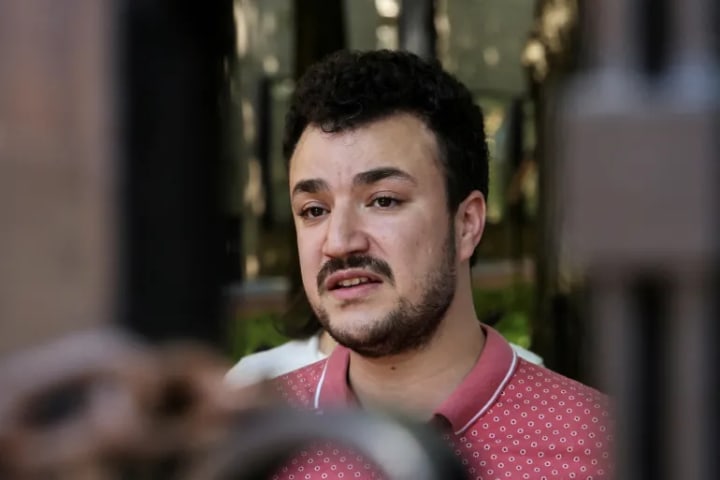
Born in Syria in 1995, Mahmoud Khalil immigrated to the United States, where he pursued higher education at Columbia University. During his time at the university, he became a prominent figure in pro-Palestinian activism, leading demonstrations advocating for Gaza and criticizing Israeli policies. His involvement with groups like Columbia United Apartheid Divest (CUAD), which supports organizations such as Hamas and Hezbollah, positioned him at the centre of campus activism.
The Arrest Incident
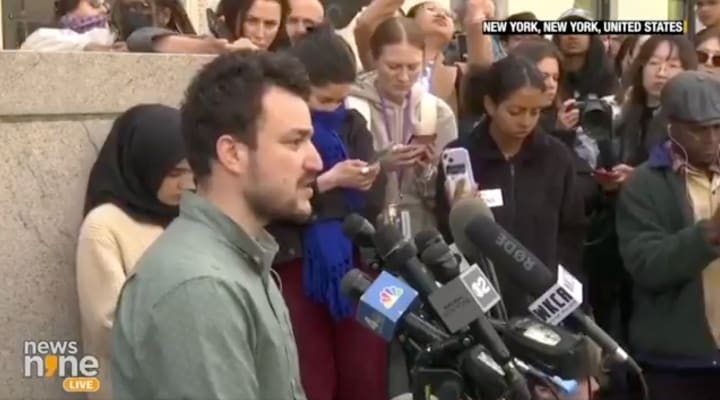
On the evening of March 9, 2025, ICE agents detained Khalil at his university-owned apartment in New York City. The agents cited a State Department order revoking his student visa and green card due to alleged connections with Hamas, a designated terrorist organization by the U.S. government.
Notably, Khalil holds permanent residency status and is married to a U.S. citizen, facts that complicate the narrative surrounding his arrest.
Legal Justifications and Government Stance
The Department of Homeland Security (DHS) justified the arrest by asserting that Khalil's leadership in activities aligned with Hamas posed national security concerns. This action aligns with the Trump administration's broader initiative to revoke visas and green cards of individuals suspected of supporting terrorist organizations.
Furthermore, the administration has taken steps against institutions perceived to tolerate anti-Semitic activities. Columbia University, where Khalil was active, faced the revocation of $400 million in federal grants and contracts, accused of failing to protect Jewish students from harassment.
Criticism and Civil Rights Concerns
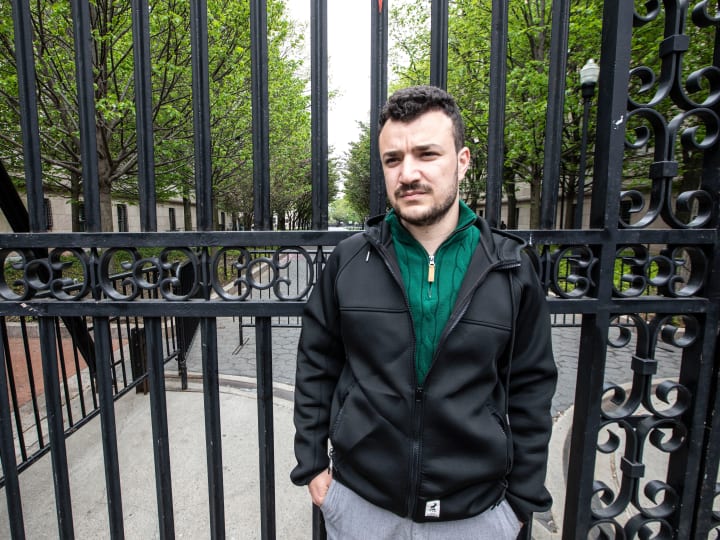
Khalil's arrest has drawn sharp criticism from civil rights organizations and advocacy groups. The Council on American-Islamic Relations (CAIR) condemned the detention, stating that targeting Khalil solely for his peaceful activism represents a blatant attack on First Amendment rights.
Similarly, the New York Immigration Coalition described the arrest as an affront to free speech, emphasizing that a green card can only be revoked by an immigration judge, suggesting potential overreach by the administration.
Legal Proceedings and Due Process
Khalil's legal team has challenged the arrest, arguing that it violates his constitutional rights to free speech and due process. They have filed a habeas corpus petition, questioning the legality of his detention and seeking his immediate release. As of now, Khalil's exact whereabouts remain undisclosed, with reports suggesting he may have been transferred to an ICE facility in Louisiana.
Impact on Campus Activism and Free Speech
The arrest has sent ripples through academic institutions, raising concerns about the potential chilling effect on campus activism. Students and faculty fear that participation in protests or expressing dissenting views could lead to surveillance or legal repercussions. This incident underscores the delicate balance between national security measures and the protection of individual rights, particularly within educational settings.
Impact on U.S. Foreign Relations
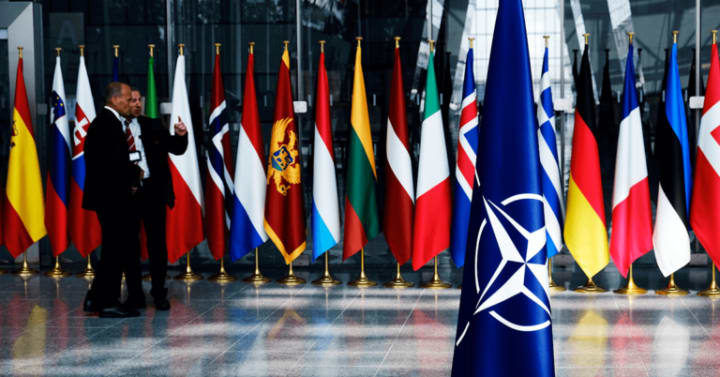
The arrest has also drawn international attention, with foreign governments and advocacy groups questioning the U.S. commitment to free speech and human rights. Countries with strong pro-Palestinian support have criticized the move, calling it politically motivated. This could further strain U.S. relations with Middle Eastern nations and international human rights organizations.
Conclusion
Mahmoud Khalil's arrest serves as a focal point in the ongoing debate over the boundaries of free speech, national security, and immigration enforcement. As legal proceedings unfold, the case may set significant precedents for how the U.S. government navigates these complex issues, especially concerning activists and permanent residents. The outcome will likely influence future policies and the extent to which civil liberties are upheld in the context of national security.
About the Creator
Keep reading
More stories from Bevy Osuos and writers in The Swamp and other communities.
Al Green's Bold Protest at Trump's Congressional Address: What Led to the Disruption
On March 4, 2025, the U.S. House of Representatives witnessed a dramatic scene that quickly became the talk of the nation. Rep. Al Green of Texas, known for his vocal opposition to former President Donald Trump and his staunch advocacy for progressive policies, was escorted out of the chamber during Trump’s address to Congress. His protest, which was bold and unfiltered, sparked both outrage and praise, prompting conversations about the effectiveness of such disruptions in the world of politics.
By Bevy Osuosabout a year ago in The Swamp
The Forsyth House Fire
Since 1851, Forsyth House has stood on the corner of Union Street and Gordon Street in the heart of Glasgow. Its iconic, or was... because on Sunday 8th of March, 2026, a fire broke out in a small, seemingly un-named shop in the building and tore all that history down. As I write, the rubble is still unsettled and the street is still blocked off. Central Station is quiet on the upper level, and around 30 small businesses have quite literally gone up in smoke.
By S. A. Crawford3 days ago in The Swamp



Comments
There are no comments for this story
Be the first to respond and start the conversation.