
Verizon’s Response to Its Massive Outage Is What No Company Should Ever Do
A cautionary tale in crisis communication and customer trust
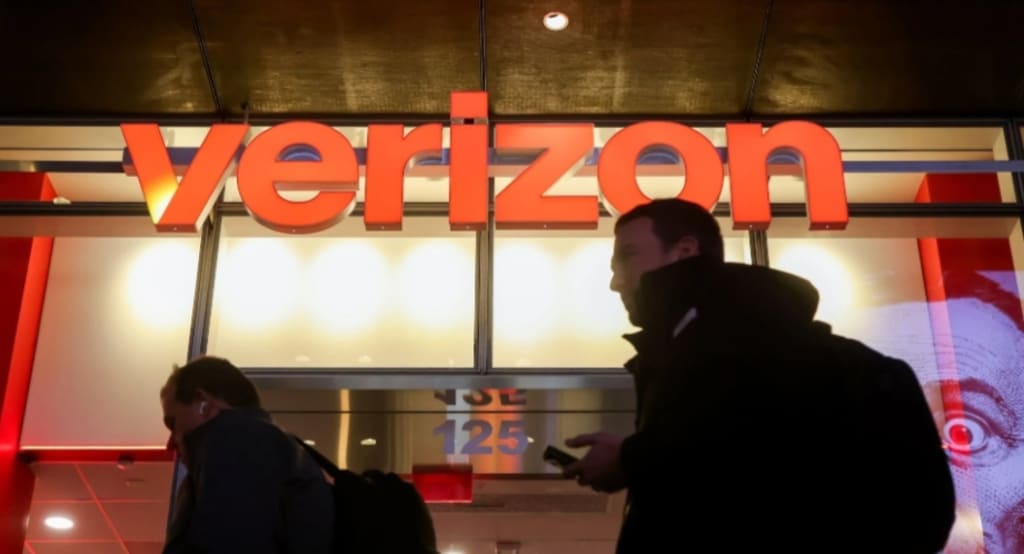
When a company the size of Verizon experiences a massive outage, millions of customers notice. Text messages don’t go through, calls drop, mobile banking stalls, and businesses relying on cellular service grind to a halt. In these moments, customers are not just inconvenienced — they are frustrated, anxious, and looking for leadership.
Yet, Verizon’s recent handling of one such outage shows exactly how not to respond. From delayed communication to inconsistent messaging, the company demonstrated why even industry giants can lose credibility in minutes if they mishandle a crisis.
The Outage That Shook Millions
Verizon’s outage affected a wide range of services across multiple states, leaving users unable to connect with family, friends, and essential services. Social media quickly became a flood of complaints, memes, and questions. Many people rely entirely on their mobile networks for work, healthcare, and emergency situations, making any downtime more than just an inconvenience — it can be a serious disruption.
In this environment, the response of the company itself becomes just as important as fixing the technical problem.
Silence Isn’t Golden
One of the first mistakes Verizon made was silence. Customers flooded support channels looking for updates, but for hours, the only information was vague or non-existent. A lack of transparency breeds speculation, rumors, and anger.
When people don’t know what’s happening, they assume the worst. Social media amplifies frustration, and negative sentiment spreads faster than a technical fix ever can. The first lesson: acknowledge the problem immediately. Silence is a signal of incompetence or indifference, whether it’s intentional or not.
Delayed and Confusing Messaging
Once Verizon did respond, the messaging was inconsistent. Statements varied between social media platforms, press releases, and customer service representatives. Some users were told the issue was resolved while others were still experiencing problems.
Mixed messages are almost worse than no messages. Customers don’t just want a fix; they want clarity. If one part of the company says the outage is resolved while another part admits problems are ongoing, users lose confidence in the company’s ability to manage even basic operations.
Lack of Empathy in Communication
Another misstep was tone. Many of Verizon’s communications were technically focused but lacked empathy. Phrases like “we are aware of the issue” or “we are working to restore service” tell customers that engineers are on it, but they don’t acknowledge the real impact on people’s lives.
In a crisis, empathy is critical. Customers are more forgiving when they feel heard and understood. A simple recognition — “We understand that many of you cannot contact loved ones or access work today, and we sincerely apologize” — goes a long way toward calming anger and maintaining trust.
Underestimating Social Media Backlash
In today’s connected world, a service outage becomes a public relations event. Verizon’s delayed and unclear responses led to a social media storm. Memes, jokes, and viral complaints dominated timelines, putting the company on the defensive rather than in control of the narrative.
Companies that respond quickly and transparently can often turn a crisis into an opportunity to demonstrate reliability and customer care. Verizon’s slow response allowed the narrative to be defined by frustrated users, not the company’s efforts to fix the problem.
Why Companies Fail During Outages
Verizon’s experience is not unique. Many large corporations fall into the same traps during crises:
Delaying acknowledgment — hoping the problem will “fix itself” quietly.
Focusing on technical details over human impact — ignoring customer frustration.
Sending inconsistent messages across channels — creating confusion.
Failing to take ownership — blaming technical glitches or external factors.
These mistakes erode customer loyalty, which is much harder to rebuild than network infrastructure.
What Verizon Should Have Done
A best-practice response to a major outage includes:
Immediate acknowledgment — even before the fix is complete. Customers want to know the company is aware.
Clear and consistent updates — same information across social media, apps, website, and customer support.
Empathy and apology — recognizing the real inconvenience and stress caused to users.
Transparent timelines — giving realistic estimates for resolution and updates if the situation changes.
Follow-up — after the outage, explaining what went wrong and what steps will prevent future occurrences.
Companies that communicate well during crises often emerge stronger, with increased customer trust despite the inconvenience.
Lessons for Businesses Everywhere
Verizon’s mishandling of this outage is a reminder that operational reliability is not enough. Even if technical teams resolve problems quickly, poor communication can cause reputational damage.
In an era when customers share frustrations instantly online, how a company responds is just as important as the outage itself. Companies that prioritize transparency, empathy, and accountability stand out — those that don’t risk public backlash that lasts far longer than any outage.
Final Thoughts
Verizon’s massive outage shows the cost of poor crisis management. Silence, inconsistent messaging, and lack of empathy turned a temporary technical problem into a public relations headache.
For customers, the experience is frustrating. For the company, it’s a lesson in the importance of responsible communication, transparency, and human-centered responses. No technical fix alone can replace the trust lost when people feel ignored.
In the modern business world, outages will happen. What matters most is how companies respond — and Verizon’s approach is a textbook example of what not to do.
About the Creator
Keep reading
More stories from Aarif Lashari and writers in The Swamp and other communities.
ChatGPT Is Getting Ads Soon, Starting With Free Users
For many people, ChatGPT has become a daily companion. From writing emails and homework help to brainstorming ideas and answering late-night questions, the AI chatbot quietly slipped into everyday life without asking for much in return. No banners. No pop-ups. No sponsored messages. That era is about to change. ChatGPT is preparing to introduce advertisements, beginning with free users. While paid subscribers will continue to enjoy an ad-free experience, this shift marks a turning point in how artificial intelligence tools are funded — and how users interact with them. Why Ads Are Coming to ChatGPT Running a powerful AI system is expensive. Behind every ChatGPT response are massive servers, energy costs, ongoing research, and constant development. As usage continues to grow worldwide, relying only on subscriptions is no longer enough to sustain free access for millions of users. Ads offer a familiar solution. Just as social media platforms, video sites, and free apps rely on advertising to stay accessible, ChatGPT is moving toward a hybrid model — free with ads, paid without them. This approach allows OpenAI to keep ChatGPT available to everyone while shifting part of the cost burden away from users who can’t or don’t want to pay. Who Will See Ads — And Who Won’t Not all users will experience this change equally. Advertisements will initially appear for: Free ChatGPT users Lower-cost plans, such as entry-level subscriptions Meanwhile, users on Plus, Pro, Business, and Enterprise plans will continue to enjoy an ad-free experience. Importantly, ads will not appear in accounts belonging to users under 18, and sensitive topics like health, politics, and mental well-being are expected to remain ad-free. This tiered system mirrors what users already experience on streaming platforms, apps, and news websites. How Ads Will Appear Inside ChatGPT One of the biggest concerns users have is interruption. Nobody wants an AI conversation broken by flashing banners or forced videos. According to current plans, ads inside ChatGPT will: Appear below responses, not inside them Be clearly labeled as sponsored Remain separate from the AI’s answers In other words, ChatGPT will still answer your question normally. Any advertisement shown afterward will be optional to view or ignore. The goal is to keep conversations natural, informative, and uninterrupted — even with ads present. Will Ads Affect ChatGPT’s Answers? This is the question many users care about most. The short answer: no. Ads are not supposed to influence how ChatGPT responds. The AI will not recommend products because they paid for placement, nor will it change answers to favor advertisers. ChatGPT’s responses are generated independently, while ads exist alongside them — not within them. This distinction matters. Trust is the foundation of any AI tool, and once users feel answers are biased, that trust disappears. Privacy Concerns and User Control Any time ads enter a digital space, privacy becomes a concern. OpenAI has emphasized that: Conversations are not sold to advertisers Ads do not rely on personal chat content Users will have control over ad personalization Users can dismiss ads, provide feedback, and manage settings related to ad relevance. While skepticism is natural, these safeguards aim to prevent ChatGPT from becoming a data-harvesting platform like traditional social media. How Users Are Reacting Reactions have been mixed. Some users see ads as a reasonable compromise. After all, they’ve been using a powerful AI tool for free — and a small ad feels like a fair trade. Others worry this is the beginning of a slippery slope. If ads arrive quietly, will they become more intrusive over time? Will free users eventually feel pressured to upgrade just to escape distractions? Both reactions are valid. Change always feels uncomfortable, especially when it affects tools we rely on daily. What This Means for the Future of AI ChatGPT adding ads isn’t just a platform update — it’s a sign of where AI is heading. As AI becomes more embedded in daily life, companies must find sustainable ways to fund it. Subscriptions alone may not be enough, especially if the goal is universal access. Ads represent a broader shift: AI tools are becoming mainstream consumer products, not just experimental tech. How well this balance is managed will shape public trust in AI for years to come. Should You Upgrade to Avoid Ads? That depends on how you use ChatGPT. If you rely on it heavily for work, writing, or long sessions, an ad-free subscription may feel worth it. If you use it casually, ads may barely register. The key is choice. Users can decide how much convenience, privacy, and focus they want — and what they’re willing to pay for it. Final Thoughts ChatGPT introducing ads for free users is a major milestone. It signals growth, maturity, and the realities of sustaining advanced technology at a global scale. If done thoughtfully, ads could help keep AI accessible without damaging trust or usability. If done poorly, they could push users away. For now, the message is clear: ChatGPT is evolving — and users are part of that evolution. The conversation isn’t ending. It’s just being monetized.
By Aarif Lasharia day ago in The Swamp
As Divisions Over Greenland Grow, Europe Examines Its Options
If you thought Greenland was just an icy, remote island, think again. This vast Arctic territory has suddenly become a hotbed of geopolitical tension, sparking debates across Europe about strategy, security, and sovereignty. What used to be a quiet corner of the world is now at the center of a storm involving the United States, Denmark, and the European Union.
By Aqib Hussaina day ago in The Swamp
The Plan for a Gaming-Themed Atari Hotel in Las Vegas Has Reportedly Been Scrapped
Las Vegas has long been synonymous with bold entertainment ventures, from glitzy casinos to over-the-top themed resorts. Among the most anticipated announcements in recent years was the plan for a gaming-themed Atari hotel, a concept that promised to merge nostalgia, cutting-edge gaming, and immersive experiences. Fans of the classic video game brand eagerly followed every update, dreaming of a hotel where Pong paddles, Asteroids, and Centipede came to life. However, according to recent reports, the project has reportedly been scrapped. While the reasons for the cancellation remain somewhat unclear, industry experts suggest a mix of financial challenges, shifting market conditions, and evolving Las Vegas tourism trends contributed to the decision. For gamers and investors alike, the news is a significant disappointment, marking the end of an ambitious attempt to bring a beloved brand into the hospitality and entertainment space. A Dream of Gaming Immersion The Atari hotel was first announced with considerable fanfare, promising a resort where video games would be more than a theme—they would be the very foundation of the guest experience. Plans included rooms equipped with retro and modern gaming setups, virtual reality zones, esports arenas, and interactive installations designed to immerse visitors in the world of classic Atari games. The hotel also aimed to appeal to nostalgia-driven millennials and Gen Z travelers, tapping into the resurgence of retro gaming culture. For many, the thought of walking through a lobby shaped like a giant arcade machine or attending a VR Pac-Man tournament was enough to spark excitement. Investors saw an opportunity to capitalize on the intersection of entertainment, technology, and hospitality in a city already renowned for innovation in themed resorts. Challenges Behind the Scenes Despite the initial buzz, several challenges reportedly plagued the project. First and foremost was financing. Developing a fully immersive gaming hotel in Las Vegas is no small feat—it requires substantial capital investment not only for construction but also for technology, licensing, and staffing. Securing and maintaining such investment can be difficult, especially in an economic climate where tourism revenues fluctuate unpredictably. Additionally, competition in Las Vegas is fierce. Resorts increasingly differentiate themselves through luxury, unique entertainment, or celebrity partnerships. A niche concept like a gaming-themed hotel, while exciting in theory, may have struggled to attract the level of mainstream attention required to sustain long-term profitability. Operational logistics also posed hurdles. Integrating high-tech gaming experiences, VR systems, and esports arenas into a hotel environment requires ongoing maintenance, updates, and specialized staff. The costs and complexity of running such a venture may have outweighed projected returns, contributing to the decision to cancel. Industry Reactions The cancellation has elicited mixed reactions from the gaming and hospitality communities. Fans of Atari expressed disappointment on social media, with some sharing nostalgic memories of their first gaming experiences and expressing hope that the project might be revived in the future. Industry analysts, however, see the decision as understandable. “Conceptually, it’s a great idea, but execution is extremely challenging,” said one analyst specializing in Las Vegas resorts. “The cost, operational complexity, and niche appeal make it a risky investment, especially in a city where traditional casino and resort models dominate.” Esports enthusiasts, another potential target audience, also reacted with caution. While gaming tournaments and VR experiences continue to gain popularity, they are often hosted in dedicated arenas or temporary venues, rather than integrated into full-scale hotels. Analysts suggest that the future of gaming-focused hospitality may lie in more flexible, pop-up experiences rather than permanent resorts. Lessons from the Atari Hotel Journey The rise and fall of the Atari hotel plan highlights several lessons about branded entertainment ventures. First, nostalgia alone is rarely enough to sustain a large-scale hospitality project. While Atari’s brand recognition is strong, converting it into a profitable hotel requires broad appeal and meticulous planning. Second, market timing and economic conditions play a critical role. Las Vegas, while resilient, is sensitive to shifts in tourism trends, labor costs, and consumer spending habits. Projects that might have been feasible a few years ago can become untenable as market dynamics change. Third, innovation in hospitality carries inherent risk. Incorporating high-tech features, interactive installations, and gaming experiences into a hotel adds operational complexity that traditional resorts do not face. Balancing innovation with practicality is key to long-term success. What This Means for Las Vegas and Gaming Fans For Las Vegas, the cancellation of the Atari hotel signals a shift in the types of themed entertainment projects that are viable. While the city will undoubtedly continue to attract ambitious, eye-catching developments, projects that require niche appeal or heavy tech integration may face higher scrutiny from investors. For gaming fans, the news is bittersweet. While the dream of an Atari hotel may be over, the growing popularity of esports arenas, VR arcades, and retro gaming bars suggests that immersive gaming experiences are far from extinct. Fans can still enjoy gaming-themed entertainment, albeit in smaller or more flexible formats than a full-scale hotel resort. Could the Project Be Revived? While reports indicate the plan has been scrapped, it’s worth noting that cancellation does not always mean permanent defeat. Companies frequently revisit ambitious projects once market conditions improve, technology costs decrease, or investor interest rises. For now, though, the Atari hotel remains a “what could have been” in the annals of Las Vegas entertainment history. Meanwhile, the broader trend of integrating gaming into lifestyle and hospitality experiences continues. Hotels, bars, and entertainment venues are experimenting with VR, esports tournaments, and gaming lounges, offering a glimpse of what an Atari hotel might have been—but in a more incremental, scalable way. Final Thoughts The cancellation of the Atari hotel is a reminder that even the most iconic brands face challenges when entering new industries. While the project promised nostalgia, innovation, and immersive fun, financial and operational realities ultimately prevailed. For Las Vegas, the city’s reputation as a hub for bold, imaginative entertainment endures—but the Atari hotel will remain a curious footnote, a symbol of ambition and the ever-evolving intersection between gaming and hospitality. For fans, the hope now lies in alternative gaming experiences that capture the spirit of Atari, if not the full grandeur of a dedicated hotel. Though the joystick may have been put down for now, the quest for immersive gaming entertainment is far from over.
By Muhammad Hassan3 days ago in The Swamp
Thoughts on Vocal and the way the world is
"Death cannot stop true love, only delay it." – Wesley in The Princess Bride. I decided to come back to Vocal on a very cold and dark night at the end of December. I had been, and still am, convalescing from a horrible staph infection that had gone misdiagnosed for months. This, paired with the increasing challenges of being healthy, making the best choices for my co-parented child, being a wife, and being a director at a new job, was a lot to manage.
By Jazzy 2 days ago in Confessions




Comments
There are no comments for this story
Be the first to respond and start the conversation.