
Australian Arts Festival Apologizes for Disinviting Palestinian Writer Who Lauded Oct. 7
A Cultural Controversy That Sparked National Debate on Free Expression and Artistic Freedom
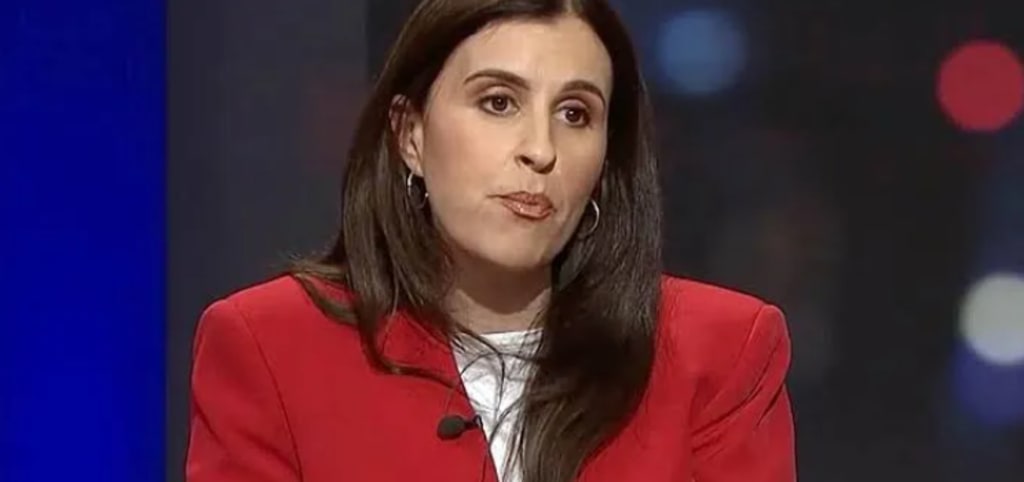
Hey readers, buckle up — Australia’s arts scene has just been through one of its most dramatic shake-ups in years. If you’ve been following the news, you might have heard about the Adelaide Festival and its controversial decision to disinvite Palestinian Australian writer Randa Abdel‑Fattah. Let’s unpack what happened, why it mattered, and what it tells us about art, politics, and free speech today.
Who is Randa Abdel‑Fattah?
For those unfamiliar, Randa Abdel‑Fattah is a Palestinian Australian author, academic, and activist. Her work often dives into identity, justice, and the Israeli-Palestinian conflict. She had been invited to Adelaide Writers’ Week 2026, part of the prestigious Adelaide Festival of Arts.
But things took a sharp turn. The festival initially rescinded her invitation, citing concerns about her past statements — including comments interpreted as praising the October 7 attacks in Gaza. Organizers said they worried her presence might be “culturally insensitive,” especially after a recent terror attack in Sydney.
The Fallout: Boycotts, Resignations, and a Canceled Festival
The festival’s decision didn’t sit well with many in the literary and arts communities. Here’s what happened next:
Mass boycotts: Numerous authors pulled out in solidarity with Abdel‑Fattah, arguing the disinvitation amounted to censorship.
Leadership resignations: The director of Adelaide Writers’ Week resigned, stating that silencing a writer compromises artistic integrity.
Event cancellation: With so many withdrawals, the festival couldn’t continue as planned. Adelaide Writers’ Week 2026 was officially canceled — a huge blow to Australia’s cultural calendar.
The ripple effects didn’t stop there. The festival’s governing board also stepped down amid mounting criticism. It was a complete upheaval.
The Apology and What Changed
After the dust settled, the festival issued a formal apology to Abdel‑Fattah. They admitted that disinviting her was wrong and that they had “fallen well short” of supporting artistic and intellectual freedom.
Abdel‑Fattah accepted the apology, emphasizing her right to speak publicly about the Palestinian experience. The festival also extended an invitation for her to participate in 2027, though she hasn’t confirmed her attendance yet.
Interestingly, some artists who had initially boycotted the event, like British band Pulp, reconsidered once the apology was issued, signaling cautious optimism about the festival’s new direction.
The Bigger Picture: Free Speech vs. Cultural Sensitivity
This controversy isn’t just about one festival — it’s a microcosm of a global debate:
Proponents of free speech argue that festivals must host diverse, even uncomfortable voices. Excluding authors because of political views risks creating echo chambers and silencing minority perspectives.
Advocates for sensitivity counter that platforms shouldn’t amplify voices that could be perceived as supporting violence, particularly in the wake of trauma. Balancing safety, public sentiment, and artistic expression is tricky.
Australia, like many countries, is navigating the tension between inclusion, dialogue, and responsibility. Cultural institutions are increasingly battlegrounds for political and ideological debates.
Lessons for the Arts World
So, what can festivals and cultural events learn from this?
Clear policies are key: Institutions need transparent guidelines about who they invite and why.
Communication matters: Public statements can escalate or defuse conflicts — phrasing is everything.
Diversity includes dissenting voices: True inclusion means engaging with perspectives that challenge mainstream narratives.
For Adelaide, the challenge will be rebuilding trust and showing that the festival can support both artistic freedom and cultural sensitivity.
Looking Ahead
The 2027 Adelaide Writers’ Week will be a litmus test. Will the festival rise from this controversy stronger and more inclusive? Or will lessons go unheeded?
One thing is certain: the debate sparked by disinviting Abdel‑Fattah will reverberate through Australia’s arts and cultural scene for years to come.
Art, politics, and free speech often collide. This episode reminds us that cultural spaces are never neutral — they reflect society’s tensions, challenges, and the ongoing struggle to balance freedom and responsibility.
About the Creator
Keep reading
More stories from Aqib Hussain and writers in The Swamp and other communities.
US Accuses EU of Seeking Cheese ‘Monopoly’ in South America
The latest twist in global trade? Cheese. Yes, cheese. The United States has accused the European Union of trying to monopolize the South American cheese market, and it’s causing waves in international trade circles. Let’s break it down.
By Aqib Hussain2 days ago in The Swamp
Saudi Arabia LED Lighting Market Size and Forecast 2025–2033
Saudi Arabia LED Lighting Market Overview The Saudi Arabia LED Lighting Market is entering a powerful growth phase, fueled by the Kingdom’s commitment to sustainability, energy efficiency, and large-scale infrastructure modernization. According to Renub Research, the market is expected to expand from US$ 832.18 million in 2024 to US$ 1,837.48 million by 2033, growing at a robust CAGR of 9.2% during 2025–2033.
By Marthan Sirabout 2 hours ago in The Swamp


Comments
There are no comments for this story
Be the first to respond and start the conversation.