
Understanding Hamas
The Political Party Shaping Palestinian Politics and Conflict
Introduction
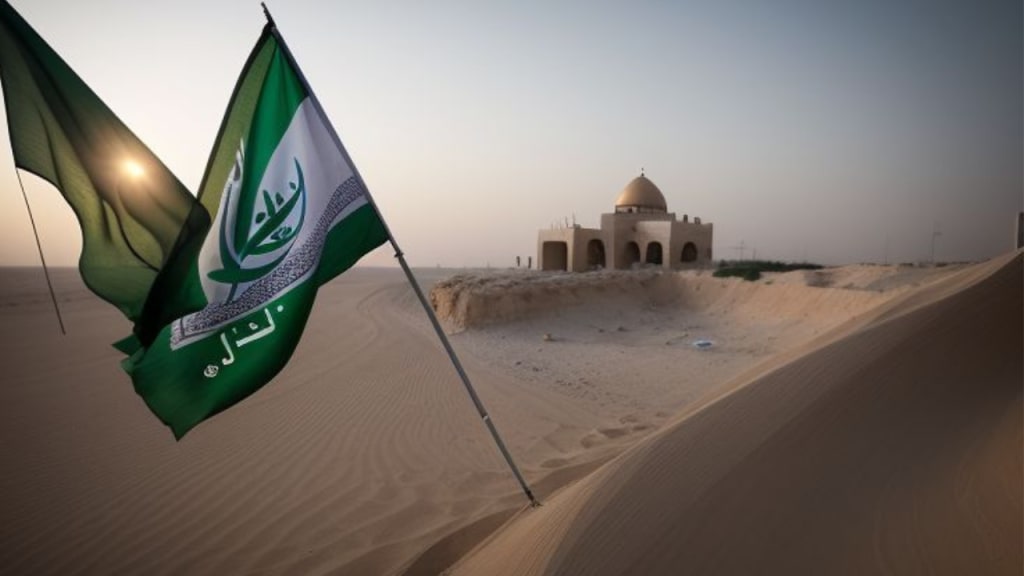
Hamas, a Palestinian Islamic political and militant organization, has played a significant role in the politics and conflict of the Middle East. Founded in 1987 during the First Intifada, Hamas is known for its opposition to Israel and its goal of establishing an Islamic state in historic Palestine. The group's name, Hamas, is an acronym for "Harakat al-Muqawamah al-Islamiyah," which translates to "Islamic Resistance Movement."
Historical Background
Hamas was established as an offshoot of the Egyptian Muslim Brotherhood by Sheikh Ahmed Yassin. The organization was initially focused on social and charitable activities, gaining support from Palestinians by providing services such as healthcare, education, and welfare. However, its military wing, known as the Izz ad-Din al-Qassam Brigades, has been involved in numerous violent activities, including suicide bombings and rocket attacks against Israel.
Political Rise
In 2006, Hamas entered the political arena by participating in the Palestinian legislative elections. To the surprise of many, Hamas won a majority of seats, defeating the long-dominant Fatah party. This victory allowed Hamas to form a government, but it also led to significant political and economic repercussions. Many countries and international organizations, including the United States and the European Union, classify Hamas as a terrorist organization, leading to a halt in financial aid to the Palestinian Authority.
Governance and Control of Gaza
Following its electoral victory, tensions between Hamas and Fatah escalated, culminating in violent clashes. By 2007, Hamas had taken full control of the Gaza Strip, expelling Fatah officials. Since then, Hamas has governed Gaza, facing challenges such as economic blockade, internal dissent, and repeated conflicts with Israel. Despite these difficulties, Hamas has maintained a strong grip on power in Gaza, supported by its social services and military capabilities.
Ideology and Objectives
Hamas's ideology is rooted in Islamic fundamentalism, with a strong emphasis on jihad (struggle) against Israel. The group's charter, published in 1988, calls for the destruction of Israel and the establishment of an Islamic state in its place. However, in recent years, Hamas has shown some signs of moderation. In 2017, it released a new policy document that softened its stance on several issues, including acceptance of a Palestinian state along the 1967 borders, though it still does not recognize Israel.
Humanitarian and Social Services
One of the key factors behind Hamas's popularity among Palestinians is its extensive network of social services. Hamas operates schools, hospitals, and charities, providing much-needed assistance to the impoverished population of Gaza. These services have helped Hamas build a loyal base of support, especially among those who feel neglected by the Palestinian Authority and other political factions.
Controversies and Criticisms
Hamas's use of violence and its refusal to recognize Israel have made it a highly controversial organization. Its military tactics, including rocket attacks and tunnel operations, have led to numerous conflicts with Israel, resulting in significant civilian casualties on both sides. Additionally, its governance in Gaza has been criticized for human rights abuses, including suppression of dissent, extrajudicial killings, and restrictions on freedom of expression.
International Relations
Hamas's relationships with other countries and organizations are complex. It receives support from countries like Iran and Qatar, which provide financial aid and military assistance. However, its designation as a terrorist organization by many Western countries has isolated Hamas from much of the international community. Efforts to reconcile with Fatah and achieve Palestinian unity have faced numerous obstacles, further complicating its international standing.
Peace Process and Prospects
The Israeli-Palestinian peace process has been fraught with difficulties, and Hamas's role in it is contentious. While some argue that including Hamas in negotiations is essential for a comprehensive peace agreement, others believe its uncompromising stance makes peace unattainable. The ongoing blockade of Gaza and periodic outbreaks of violence continue to hinder efforts toward a lasting resolution.
Conclusion
Hamas remains a pivotal player in Palestinian politics and the broader Middle East conflict. Its combination of political, social, and military strategies has ensured its survival and influence, despite significant challenges. Understanding Hamas requires a nuanced approach, recognizing both its role as a provider of essential services and its controversial tactics and objectives. As the situation in Gaza and the broader region evolves, Hamas's actions and policies will continue to shape the future of the Israeli-Palestinian conflict.
Key Facts
1. Founded: 1987 during the First Intifada.
2. Founder: Sheikh Ahmed Yassin.
3. Political Wing: Participated in 2006 Palestinian legislative elections and won a majority.
4. Military Wing: Izz ad-Din al-Qassam Brigades.
5. Governs: Gaza Strip since 2007.
6. Ideology: Islamic fundamentalism, jihad against Israel.
7. Support: Provides social services like schools and hospitals.
8. Controversies: Use of violence, human rights abuses.
9. International Relations: Support from Iran and Qatar, but classified as a terrorist organization by many Western countries.
Summary
Hamas, a significant entity in Palestinian politics and the Middle East conflict, continues to influence the region through its combination of political, social, and militant activities. Its dual role as a provider of social services and a militant organization makes it a complex and controversial player in the ongoing struggle for Palestinian statehood and peace in the region. Understanding its history, ideology, and actions is crucial for anyone looking to grasp the intricacies of the Israeli-Palestinian conflict.
About the Creator
The Saddest Thing - The Billionaires Who Rule America Aren't Even Enjoying Themselves
This single post says more about our ruling class than a thousand policy papers. The saddest thing about today's system is that the men robbing the rest of us - sabotaging our economic prospects, our pensions, our access to affordable healthcare - are not even happy.
By Scott Christenson🌴28 days ago in The Swamp
Trump sets his sights on crisis-hit Cuba after Iran action
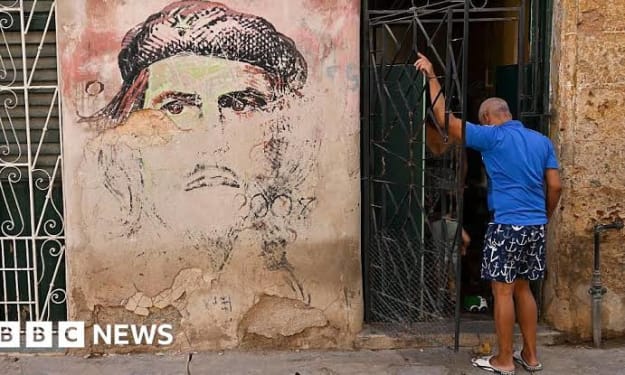
Following escalating tensions and military action involving Iran, Donald Trump has indicated that crisis-stricken Cuba could become the next major focus of U.S. foreign policy. His remarks have intensified speculation about Washington’s strategy in the Caribbean and raised concerns in Havana about potential economic and political pressure from the United States. Speaking during a recent interview and at a White House event, Trump suggested that the United States is currently prioritizing the situation in Iran, but hinted that attention could soon shift toward Cuba once developments in the Middle East stabilize. He predicted that the communist-run island nation, which has been grappling with a severe economic crisis, may soon face dramatic political change. “Cuba is going to fall pretty soon,” Trump reportedly said, adding that the Cuban leadership is eager to negotiate with Washington after decades of strained relations. Economic Crisis in Cuba Cuba is currently facing one of the most difficult economic periods in its modern history. The island has been dealing with chronic fuel shortages, electricity blackouts, rising food prices, and declining imports. Much of the pressure has been intensified by tighter U.S. sanctions and the disruption of energy supplies from Venezuela, a longtime ally that once provided significant oil shipments to Havana. The Business Standard Recent U.S. measures targeting fuel flows to Cuba have significantly reduced the island’s energy supplies. Without reliable oil imports, Cuba has struggled to maintain electricity production, transportation networks, and industrial activity. These economic hardships have increased social pressure inside the country and fueled speculation about political instability. Analysts say the worsening conditions have made Cuba more vulnerable to external diplomatic pressure. Washington believes the crisis could force the Cuban government to negotiate reforms or open discussions with the United States. Rubio’s Potential Role Trump has also suggested that Marco Rubio, whose family fled Cuba after the revolution, could play a central role in any negotiations with Havana. Rubio has long been one of the strongest critics of the Cuban government in U.S. politics and has advocated for policies aimed at encouraging political change on the island. The president praised Rubio’s work on Cuba-related issues and indicated he may be tasked with leading diplomatic efforts should the United States move forward with engagement or pressure strategies targeting the island’s leadership. Strategic Shift in U.S. Policy Trump’s remarks reflect a broader shift in U.S. foreign policy strategy. In recent years, Washington has taken a more assertive stance toward governments it considers adversarial, particularly in Latin America and the Middle East. Observers note that the administration appears willing to combine economic sanctions, diplomatic pressure, and strategic military actions to influence political outcomes abroad. Some analysts view Trump’s comments as part of a broader geopolitical strategy aimed at reshaping regional power dynamics. Cuba has long been a symbol of resistance to U.S. influence in the Western Hemisphere, and any major shift in its political system would have significant consequences for Latin America. Concerns and International Reaction The possibility of increased U.S. involvement in Cuba has sparked debate among international observers. Supporters argue that pressure from Washington could accelerate democratic reforms and economic liberalization on the island. Critics, however, warn that aggressive policies could worsen humanitarian conditions for ordinary Cubans or escalate tensions between the two countries. Officials in Havana have previously condemned U.S. sanctions and pressure campaigns, describing them as attempts to undermine Cuba’s sovereignty. The Cuban government has repeatedly stated it is open to dialogue but rejects any efforts to force political change from abroad. Uncertain Future For now, the United States remains focused on developments in Iran, but Trump’s remarks suggest that Cuba could soon become a major issue on Washington’s foreign policy agenda. Whether this leads to negotiations, increased sanctions, or broader geopolitical confrontation remains uncertain. What is clear is that the deepening crisis inside Cuba and shifting U.S. priorities could bring a new chapter in the long and complicated relationship between the two nations.
By Fiaz Ahmed about 2 hours ago in The Swamp


Comments (1)
Thanks for sharing