
U.S. Immigration Shakeup in Minneapolis: Leadership Change and Rising Tensions
Federal Border Enforcement Faces Backlash After Fatal Shootings, Prompting Trump’s Dispatch of Border “Tsar” Tom Homan
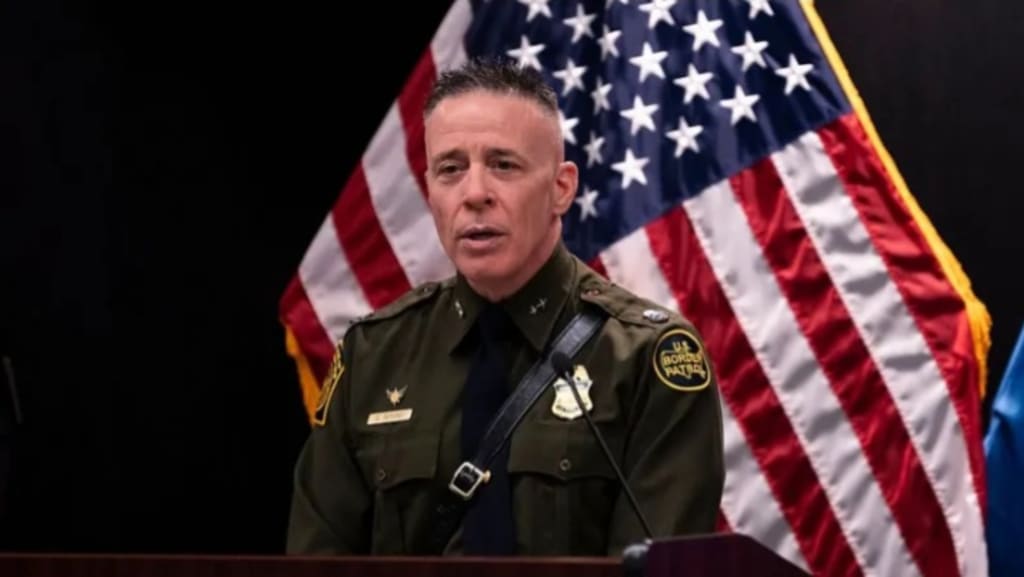
In a dramatic shift in the federal response to mounting civil unrest in Minneapolis, the Trump administration is making leadership changes in its highly controversial immigration enforcement operations. As local outrage grows over two fatal shootings involving federal agents, Border Patrol Commander Gregory Bovino is departing the city while President Donald Trump dispatches veteran immigration figure Tom Homan—often dubbed the administration’s “border tsar”—to oversee operations and calm intensifying tensions. �
AP News +1
Federal Crackdown and Minneapolis Unrest
For weeks, the Trump administration’s immigration enforcement surge in Minneapolis—part of a broader strategy known as Operation Metro Surge—has placed thousands of federal officers in the city, ostensibly to target serious criminal activity. Yet the deployment has become a flashpoint for public outrage and political conflict after two Minneapolis residents were killed by federal agents this month. �
The Guardian
The most recent fatal shooting involved 37-year-old ICU nurse Alex Pretti, who died during a confrontation with Border Patrol agents. Footage circulating widely on social media appears to contradict initial official accounts, showing Pretti complying with officers rather than posing a clear threat. Pretti’s death followed the earlier killing of Renee Good, another protester, at the hands of a federal agent. These incidents have fueled protests on the streets of Minneapolis and drawn bipartisan condemnation from lawmakers and local officials. �
The Guardian
The intense backlash has placed Operation Metro Surge at the center of a national debate over federal law enforcement, civil liberties, and the scope of immigration policy enforcement. Local leaders, including Minneapolis Mayor Jacob Frey and Minnesota Governor Tim Walz, have publicly decried the presence of federal agents and demanded accountability and withdrawal. �
New York Post
Leadership Shakeup: Bovino’s Departure
Against this backdrop of civil unrest and political pressure, Border Patrol Commander Gregory Bovino—who had been the most visible face of the federal operation in Minneapolis—is expected to leave the city. In recent days, criticism of Bovino escalated not only because of the shootings themselves but also for his public remarks defending federal agents and making unverified claims about the circumstances leading to Pretti’s death. �
AP News
Officials familiar with the situation say Bovino’s departure reflects a broader attempt by the White House to reframe the federal presence in Minnesota and respond to growing criticism from local officials, civil rights advocates, and even members of Congress. Some of the anger has been directed at what critics describe as aggressive and unchecked authority exercised by federal immigration agents, which they argue has gone beyond the operation’s stated mission of targeting dangerous criminals. �
AP News
While DHS spokespeople have pushed back against the notion that Bovino was removed due to his conduct, the change signals a palpable shift in federal tactics and messaging. For now, he is expected to return to other duties, and the operation will continue under a revised leadership structure. �
AP News
Enter Tom Homan: The “Border Tsar” Takes Command
President Trump has responded to the turmoil by appointing Tom Homan, the administration’s so-called border czar, to take over oversight of Immigration and Customs Enforcement (ICE) operations in Minnesota. Homan, a seasoned immigration enforcement official and former acting director of ICE, is known within Republican circles for his hard-line rhetoric and focus on stringent immigration enforcement. �
AP News
In a post on his social media platform, Trump described Homan as “tough but fair” and noted that he would report directly to the White House. The intent behind Homan’s deployment appears to be two-fold: to manage the fallout from the Minneapolis deaths and to coordinate federal enforcement more strategically in the face of intense local opposition. �
South China Morning Post +1
White House press officials have emphasized that Homan’s role will involve not only supervision of ICE operations but also improved coordination with local authorities. They framed his arrival as a step toward de-escalating tensions and bringing stability, even as federal agents remain on the ground amid protests and legal challenges. �
https://www.wsaw.com
Political Fallout and National Debate
The federal immigration strategy in Minneapolis has felt reverberations far beyond Minnesota. The controversial shootings and subsequent protests have heightened national scrutiny of Trump’s immigration policies. Republicans and Democrats alike have called for investigations into the circumstances surrounding the deaths. Some lawmakers argue the surge of federal agents violates constitutional norms, while others defend the government’s duty to enforce immigration laws and maintain public safety. �
Financial Times
Legal challenges have already been filed, with courts reviewing whether the federal government’s deployment of immigration agents in Minnesota is lawful. These lawsuits raise broader questions about federal power, states’ rights, and the boundaries of executive authority. Meanwhile, federal funding negotiations over the Department of Homeland Security (DHS) have been further complicated by the turmoil in Minneapolis, contributing to legislative gridlock and speculation over potential government shutdown tensions. �
The Guardian
Locally, the deaths and federal response have intensified distrust between Minneapolis communities—especially immigrant communities—and federal authorities. Advocates for civil liberties have criticized the tactics used by ICE and Border Patrol agents, while local leaders have sought independent investigations and greater accountability. �
The Guardian
What Comes Next?
As Tom Homan begins his tenure on the ground in Minneapolis, the city stands at a crossroads. Federal immigration agents remain deployed as protests continue and legal battles unfold. The departure of key leadership figures like Bovino suggests the Trump administration is attempting to recalibrate its approach, yet the underlying tensions over immigration enforcement and federal authority persist. �
AP News
Whether Homan’s command will ease unrest and foster cooperation or further inflame critics remains uncertain. Local officials have signaled openness to dialogue, but their broader demands for federal withdrawal and independent investigations have yet to be fully addressed. Meanwhile, Minneapolis continues to grapple with the aftermath of the shootings and the broader implications for civil rights and community trust in law enforcement. �
New York Post
In this highly charged political moment, the Minneapolis case has become emblematic of the wider national debate over borders, policing, and the balance between security and civil liberties—a debate that now draws a new chapter with Tom Homan’s arrival.
About the Creator
Keep reading
More stories from Ayesha Lashari and writers in The Swamp and other communities.
Man Admits Stab Murder of Former Work Colleague
A man has admitted to the fatal stabbing of his former work colleague, a crime that has sent shockwaves through the local community and reignited discussions about workplace conflict, emotional stress, and violence. The admission came during a court hearing where the accused formally pleaded guilty to murder, bringing a grim clarity to a case that has troubled investigators and the victim’s family for months.
By Ayesha Lashariabout 18 hours ago in The Swamp
Trump Steps Back from the Brink on Greenland. But the Damage Has Been Done
In early 2026, a diplomatic firestorm erupted at the World Economic Forum in Davos when U.S. President Donald Trump revived a controversial ambition to extend American influence over Greenland. What began as aggressive rhetoric, including tariff threats and territorial aspirations, quickly derailed into a chaotic diplomatic episode. Though Trump ultimately stepped back from the most dangerous edges of his push — dropping tariff threats and disavowing military force — the fallout has rippled through transatlantic relations, NATO cohesion, and global perceptions of U.S. reliability.
By Salaar Jamali6 days ago in The Swamp
Britain Approves ‘Mega’ Chinese Embassy in London Despite National Security Fears
Big news from London: the UK government has just approved the construction of a massive new Chinese embassy right in the heart of the city — and it’s raising more than a few eyebrows. Despite concerns from security experts, lawmakers, and local residents, ministers have given the green light to what’s set to become Europe’s largest Chinese diplomatic mission. Let’s break down why this decision is so controversial — and what it could mean for Britain, China, and global diplomacy. A Long Road to Approval The saga began back in 2018 when China bought Royal Mint Court, a historic site near the Tower of London, for hundreds of millions of pounds. Plans for a sprawling 20,000 square metre embassy have been in limbo ever since, facing delays, legal challenges, and repeated scrutiny from the UK government. Originally, local officials rejected the plans, citing security risks and concerns from the surrounding community. But under the current government led by Prime Minister Sir Keir Starmer, the central authorities ultimately signed off on the embassy in January 2026. This decision ends a seven-year planning saga, but it’s far from quiet: many are still worried about what this mega-embassy could mean for London and the UK’s national security. Security Fears Take Center Stage It’s not hard to see why people are concerned. The embassy is close to critical fibre-optic cables and major data infrastructure, which means it could theoretically be a hotspot for espionage. MI5 itself has acknowledged that it’s “not realistic to eliminate every potential risk” associated with the embassy. At the same time, government officials insist that intelligence services were fully consulted, and that security measures will help mitigate risks. They even argue that consolidating China’s diplomatic operations — currently scattered across seven separate sites — might actually make it easier to monitor activities rather than harder. Still, critics remain unconvinced. Political and Public Backlash Opposition has been loud and bipartisan. Figures like Kemi Badenoch and Priti Patel have called the approval a “security surrender” to Beijing. Protests have cropped up around Royal Mint Court, with locals citing not just espionage fears but also potential disruptions to their daily lives. Some residents are even raising funds for legal action to block the embassy’s construction, arguing that the development threatens community safety and could strain local police resources. Why the UK Is Moving Ahead So why did the government approve it despite all these red flags? Partly, it’s about diplomacy and economics. Britain wants to maintain open channels with China, which remains one of the world’s largest economic powers. Officials have hinted that this approval could pave the way for Starmer’s visit to China — the first by a UK prime minister since 2018 — unlocking potential trade and climate cooperation. Beijing, on the other hand, has criticized the delays as politically motivated and called the opposition to the embassy “malicious slander.” For China, the mega-embassy is a symbol of friendship and a statement of its global influence. Bigger Picture: Diplomacy vs. Security This decision highlights the delicate balancing act Britain faces today: protecting national security while engaging economically with powerful global players. The embassy, with its vast footprint and secretive basement spaces, could become a focal point for intelligence activities, not just in the UK, but across Europe. It also sparks a bigger debate: how should democracies manage the presence of foreign powers on their soil, especially when digital and geopolitical vulnerabilities are involved? And how much power should local planning authorities really have when national government priorities override community concerns? What Comes Next Construction is expected to begin soon, and China is set to consolidate its diplomatic operations in London. But the story isn’t over. Critics promise ongoing legal battles, and lawmakers are calling for more transparency and stricter security safeguards. As London prepares to host Europe’s largest Chinese embassy, the eyes of the UK — and indeed the world — will be on this project. How it unfolds could shape Sino-British relations for decades, and offer a glimpse into the broader dynamics of modern global diplomacy. Bottom line: The mega-embassy is more than just a building. It’s a symbol of the UK’s careful, sometimes uneasy, dance with China — balancing trade, diplomacy, and security in an increasingly complex world.
By Aqib Hussain7 days ago in The Swamp



Comments
There are no comments for this story
Be the first to respond and start the conversation.