
Britain Approves ‘Mega’ Chinese Embassy in London Despite National Security Fears
Why a Giant Chinese Embassy in London Is Stirring Controversy
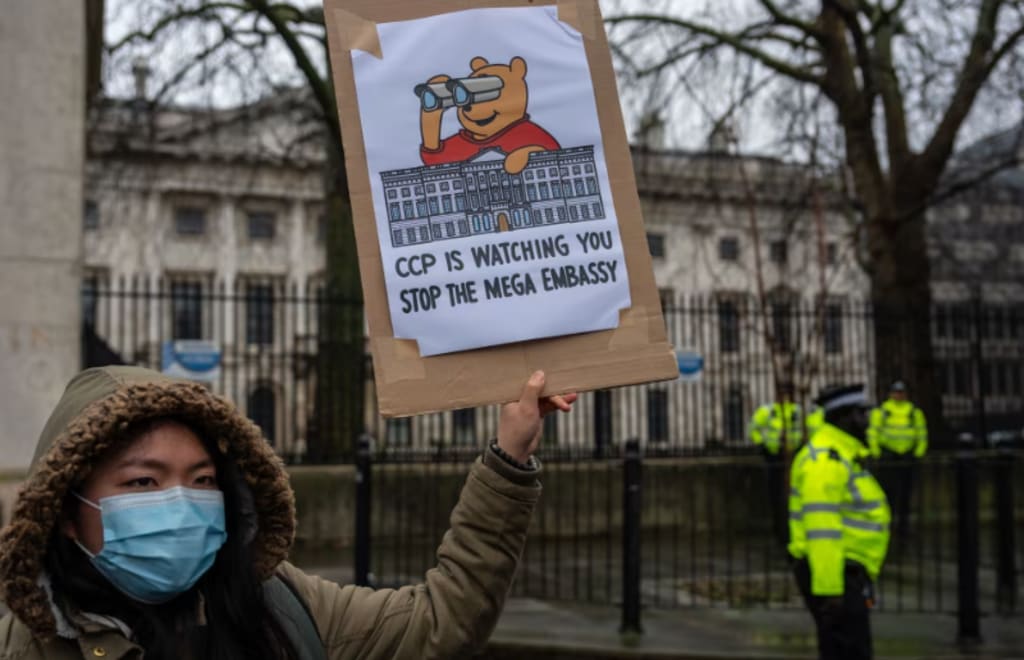
Big news from London: the UK government has just approved the construction of a massive new Chinese embassy right in the heart of the city — and it’s raising more than a few eyebrows. Despite concerns from security experts, lawmakers, and local residents, ministers have given the green light to what’s set to become Europe’s largest Chinese diplomatic mission. Let’s break down why this decision is so controversial — and what it could mean for Britain, China, and global diplomacy.
A Long Road to Approval
The saga began back in 2018 when China bought Royal Mint Court, a historic site near the Tower of London, for hundreds of millions of pounds. Plans for a sprawling 20,000 square metre embassy have been in limbo ever since, facing delays, legal challenges, and repeated scrutiny from the UK government.
Originally, local officials rejected the plans, citing security risks and concerns from the surrounding community. But under the current government led by Prime Minister Sir Keir Starmer, the central authorities ultimately signed off on the embassy in January 2026.
This decision ends a seven-year planning saga, but it’s far from quiet: many are still worried about what this mega-embassy could mean for London and the UK’s national security.
Security Fears Take Center Stage
It’s not hard to see why people are concerned. The embassy is close to critical fibre-optic cables and major data infrastructure, which means it could theoretically be a hotspot for espionage. MI5 itself has acknowledged that it’s “not realistic to eliminate every potential risk” associated with the embassy.
At the same time, government officials insist that intelligence services were fully consulted, and that security measures will help mitigate risks. They even argue that consolidating China’s diplomatic operations — currently scattered across seven separate sites — might actually make it easier to monitor activities rather than harder.
Still, critics remain unconvinced.
Political and Public Backlash
Opposition has been loud and bipartisan. Figures like Kemi Badenoch and Priti Patel have called the approval a “security surrender” to Beijing. Protests have cropped up around Royal Mint Court, with locals citing not just espionage fears but also potential disruptions to their daily lives.
Some residents are even raising funds for legal action to block the embassy’s construction, arguing that the development threatens community safety and could strain local police resources.
Why the UK Is Moving Ahead
So why did the government approve it despite all these red flags? Partly, it’s about diplomacy and economics. Britain wants to maintain open channels with China, which remains one of the world’s largest economic powers. Officials have hinted that this approval could pave the way for Starmer’s visit to China — the first by a UK prime minister since 2018 — unlocking potential trade and climate cooperation.
Beijing, on the other hand, has criticized the delays as politically motivated and called the opposition to the embassy “malicious slander.” For China, the mega-embassy is a symbol of friendship and a statement of its global influence.
Bigger Picture: Diplomacy vs. Security
This decision highlights the delicate balancing act Britain faces today: protecting national security while engaging economically with powerful global players. The embassy, with its vast footprint and secretive basement spaces, could become a focal point for intelligence activities, not just in the UK, but across Europe.
It also sparks a bigger debate: how should democracies manage the presence of foreign powers on their soil, especially when digital and geopolitical vulnerabilities are involved? And how much power should local planning authorities really have when national government priorities override community concerns?
What Comes Next
Construction is expected to begin soon, and China is set to consolidate its diplomatic operations in London. But the story isn’t over. Critics promise ongoing legal battles, and lawmakers are calling for more transparency and stricter security safeguards.
As London prepares to host Europe’s largest Chinese embassy, the eyes of the UK — and indeed the world — will be on this project. How it unfolds could shape Sino-British relations for decades, and offer a glimpse into the broader dynamics of modern global diplomacy.
Bottom line: The mega-embassy is more than just a building. It’s a symbol of the UK’s careful, sometimes uneasy, dance with China — balancing trade, diplomacy, and security in an increasingly complex world.
About the Creator
Keep reading
More stories from Aqib Hussain and writers in The Swamp and other communities.
Trump’s Board of Peace: Several Leaders Invited — But How Will It Actually Work
Donald Trump is at it again. In early 2026, the former U.S. president unveiled a new initiative that’s turning heads around the world: the Board of Peace. Designed to oversee the next phase of his Gaza peace plan, this board promises to bring together world leaders to “rethink” global conflict resolution. But the big question on everyone’s mind: How will it actually work? Let’s break it down. What Is the Board of Peace? Trump describes the Board of Peace as a “bold new approach” to conflict resolution. At its core, it’s meant to supervise the Gaza peace plan, focusing on disarmament, reconstruction, and long-term stability. Unlike traditional institutions like the United Nations, this board is Trump’s vision of a more hands-on, fast-moving diplomatic body. He hopes it can tackle Gaza — and maybe even other global hotspots — with more flexibility than existing international organizations allow. Who’s Been Invited? Trump’s outreach is ambitious. The invitations have gone to a mix of nations from different continents, including: Europe: European Union executives, Hungary Asia: Thailand, Vietnam Eurasia: Russia, Belarus South America: Argentina Africa & Middle East: Morocco Some countries have already accepted. Others, like France, are hesitant. Russia is reviewing its invitation, and China has confirmed it received one but hasn’t declared a decision. Even Israel has mixed reactions, with some officials supportive and others openly critical. The diversity of invited nations makes for a diplomatic puzzle — and raises questions about how decisions will be made. The Controversy Unsurprisingly, not everyone is thrilled. Critics argue that the Board could undermine existing global frameworks. Some of the biggest concerns include: Relationship with the U.N.: By creating a new body, Trump’s Board might challenge the U.N.’s traditional peacekeeping role. Funding & membership: A proposed $1 billion contribution for permanent membership raises questions about equity and influence. Diverse interests: Countries with conflicting priorities could clash on policy, making decision-making complicated. France has already declined to participate, citing these concerns. Israeli politicians are also wary, worried about security and influence in Gaza. How Will It Work? Details are still emerging, but a few structural elements are clear: Countries that contribute $1 billion may secure permanent membership. Others can participate on shorter, renewable terms. The board will oversee an executive committee responsible for implementing the second phase of the Gaza plan: disarmament, security deployment, and infrastructure rebuilding. Trump calls this a “new model” of international cooperation — one that he hopes is more practical and responsive than existing institutions. But questions about legitimacy, governance, and enforcement remain. What’s Next? The big reveal is expected at the World Economic Forum in Davos later this month. That’s when the official membership list and operational charter will likely be announced. For now, countries are weighing their participation. How many will commit? Who will be left on the sidelines? And will the board actually be able to influence peace in Gaza? These are questions that will shape the Board’s credibility — and its future. Why It Matters Beyond Gaza, the Board of Peace could signal a shift in global diplomacy. If it works, it might emerge as an alternative or complement to the U.N., offering a new way for countries to collaborate on conflicts. But it’s also a gamble. Success depends on broad participation and clear rules. Without that, the Board risks being symbolic rather than transformative. Final Thoughts Trump’s Board of Peace is ambitious, controversial, and still largely undefined. It could be a breakthrough in diplomacy or another example of high-profile political theater. What’s clear is that the world is watching — and the reactions of invited leaders will likely determine whether this new initiative is a historic experiment in peacebuilding or just another headline.
By Aqib Hussainabout 14 hours ago in The Swamp
Kianna Underwood
In an entertainment industry that often defines young talent by a single platform or breakout moment, Kianna Underwood represents a refreshing shift. Rather than being boxed into one label, she is steadily shaping a multifaceted identity built on creativity, adaptability, and authenticity. While many audiences first associate Kianna Underwood with Nickelodeon, her journey reflects far more than a network credit—it highlights the evolving path of modern entertainers who balance visibility with personal growth. From early exposure to mainstream media to her expanding presence beyond traditional television, Kianna Underwood’s story mirrors the changing landscape of youth entertainment. Early Ambitions and Creative Foundations Like many performers drawn to acting and media at a young age, Kianna Underwood’s passion didn’t emerge overnight. Her early interest in storytelling, performance, and self-expression laid the groundwork for future opportunities. Rather than chasing fame, she focused on learning how to communicate emotion, connect with audiences, and adapt to different creative environments. These formative years helped her develop discipline—an often overlooked quality in young performers. Whether through acting, creative collaboration, or on-camera experience, Kianna learned that consistency and preparation matter just as much as natural talent. Kianna Underwood and Nickelodeon: A Defining Chapter For many viewers, Kianna Underwood Nickelodeon is the phrase that first brings recognition. Nickelodeon has long served as a launchpad for young performers, offering not only visibility but also structured environments where emerging talent can learn the mechanics of television production. Being associated with Nickelodeon places Kianna Underwood within a legacy network known for shaping cultural moments for younger audiences. The experience exposed her to fast-paced production schedules, collaborative storytelling, and the responsibility of creating content that resonates with families and children alike. However, what sets Kianna apart is her understanding that Nickelodeon is a chapter—not the entire book. Rather than relying solely on network recognition, she has used the experience as a stepping stone toward broader creative goals. Navigating Life After the Spotlight One of the biggest challenges young actors face is transitioning beyond early exposure. The entertainment industry moves quickly, and staying relevant requires adaptability. Kianna Underwood’s approach reflects maturity beyond her years—she recognizes the importance of growth, reinvention, and long-term vision. Instead of chasing immediate validation, she has shown interest in expanding her skills. This includes exploring creative avenues that allow more personal expression, whether through digital platforms, collaborative projects, or behind-the-scenes learning. In today’s media ecosystem, versatility is power, and Kianna seems aware of that reality. Her journey highlights an important truth: success is not always loud. Sometimes it unfolds quietly through deliberate choices and steady progress. Representation and Relatability Audiences today connect most strongly with individuals who feel genuine. Kianna Underwood’s appeal lies in her relatability—she doesn’t present herself as untouchable or overly curated. This authenticity is especially important for younger viewers who look to public figures as examples rather than idols. By staying grounded, Kianna contributes to a healthier representation of young talent in media. She demonstrates that it’s possible to participate in major platforms like Nickelodeon while still maintaining individuality and balance. This grounded presence helps her stand out in an industry that often prioritizes image over substance. The Influence of Nickelodeon on Career Development Working with Nickelodeon provides more than screen time—it offers mentorship, structure, and exposure to industry standards. For Kianna Underwood, this experience likely played a key role in shaping her professionalism and creative confidence. Nickelodeon alumni often speak about the importance of teamwork and discipline learned during their time with the network. These lessons tend to carry forward, influencing how performers approach future opportunities. Kianna Underwood’s association with Nickelodeon places her within that tradition of growth-focused development rather than short-term stardom. Looking Toward the Future As Kianna Underwood continues to evolve, her career path remains open-ended—and that’s a strength. In a world where entertainers are no longer limited to television alone, she has the opportunity to explore acting, digital media, advocacy, or creative entrepreneurship. What matters most is intention. Rather than being defined solely by “Kianna Underwood Nickelodeon,” she has the chance to redefine what success looks like on her own terms. Whether she chooses to remain in front of the camera or expand into other creative roles, her foundation positions her well for sustainable growth. A New Model for Young Talent Kianna Underwood represents a new generation of entertainers—one that values balance, authenticity, and purpose. Her journey reminds audiences that early recognition doesn’t have to dictate an entire career. With thoughtful choices and continued self-discovery, she exemplifies how young creatives can navigate fame without losing themselves in it. As the entertainment industry continues to change, stories like Kianna Underwood’s offer a hopeful perspective. They show that talent, when paired with self-awareness and patience, can lead to meaningful and lasting impact. In the end, Kianna Underwood is more than a name associated with Nickelodeon. She is a developing creative voice—one that reflects where youth entertainment is headed, and why authenticity matters more than ever
By Saboor Brohi 4 days ago in The Swamp
Examining ICE Tactics in Minnesota After the Renee Good Shooting
The fatal shooting of Renee Nicole Good on January 7, 2026, by a U.S. Immigration and Customs Enforcement (ICE) agent in Minneapolis, Minnesota has sent shockwaves across the country. What started as a routine federal immigration enforcement operation quickly became a national controversy over policing practices, federal authority, and the use of force in civilian areas. Protests erupted across the U.S., federal prosecutors resigned in protest, and lawmakers debated whether ICE’s tactics were accountable, transparent, or even appropriate for community safety. At the center of the debate is one pressing question: Did ICE follow proper procedures, or did its own policies contribute to this tragedy? The answers reveal a complex situation with serious implications for civil rights and public trust. What Happened in Minneapolis? According to federal authorities, Renee Good was shot during a targeted ICE operation. Officials claimed the agent fired in self-defense after Good’s vehicle allegedly attempted to hit him. DHS described the incident as a defensive action and labeled Good’s behavior as dangerous. However, video footage and eyewitness accounts tell a different story. The videos show Good’s vehicle angled away from the agent at the moment shots were fired. Experts reviewing the footage question whether lethal force was necessary. Local leaders, including Minneapolis Mayor Jacob Frey and Minnesota Governor Tim Walz, criticized the federal narrative, saying the shooting lacked justification. Thousands of residents protested in Minneapolis, Chicago, Washington D.C., and other cities, demanding accountability. Adding to the controversy, the U.S. Justice Department announced it would not open a civil rights investigation into the shooting. This decision led at least six federal prosecutors in Minnesota to resign, citing concerns over a lack of accountability. ICE’s Tactics Under Scrutiny ICE’s official policies allow agents to use force if they believe there is imminent danger. Critics argue, however, that the specifics of this encounter reveal troubling tactics. Footage shows agents approaching Good’s vehicle and physically pulling at the door handle—a move some law enforcement experts say can provoke panic and escalate risk. Shooting into a moving vehicle, especially while positioned directly in front of it, goes against many standard police safety protocols. Experts also note that ICE agents may receive different training from municipal police, often emphasizing aggressive enforcement rather than de-escalation. In community settings, such tactics can heighten tensions rather than reduce them. Community Impact and Fear The shooting left many Minneapolis residents terrified. Witnesses described the scene as chaotic, with sounds of honking, yelling, and then gunfire. Immigrant communities, in particular, felt vulnerable. Many now avoid public spaces or interactions with authorities to prevent escalation. Local organizers have launched civilian patrols to monitor ICE activity and keep residents informed about federal operations. Protests have spread beyond Minneapolis, signaling a national concern about federal enforcement and its impact on communities. Political Backlash and Accountability Questions The shooting sparked political battles at the national level. Democratic lawmakers called for greater oversight of federal agents and transparency about ICE operations. Some urged Congress to require independent investigations into use-of-force incidents involving ICE. Meanwhile, supporters of ICE defended the agent’s actions, arguing that Good’s behavior justified the use of deadly force. Former President Donald Trump publicly backed the agent, even as video evidence raised doubts about whether Good posed a direct threat. Critics argue that the Justice Department’s refusal to investigate civil rights violations, combined with the resignations of federal prosecutors, raises questions about political influence over law enforcement accountability. Broader Questions About Federal Enforcement Renee Good’s shooting also raises larger questions about ICE and federal enforcement: Use-of-force standards: Should ICE align its protocols with civilian police departments or independent best practices for de-escalation? Transparency: How much public disclosure should be required when federal officers operate in local communities and make life-or-death decisions? Community trust: Does aggressive enforcement erode trust, making residents less likely to cooperate with authorities or seek help when needed? These are not just hypothetical concerns. Every ICE operation has the potential to either strengthen or weaken public trust, especially in diverse urban communities. Moving Forward: Reform or Retribution? In Minnesota, state and local leaders are taking legal action against ICE. Lawsuits challenge the agency’s authority and tactics. Civil rights lawyers, including those who represented George Floyd’s family, are advocating for accountability and transparency. For many advocates, Renee Good’s death is more than a single tragedy—it symbolizes systemic issues with federal enforcement in civilian spaces. Whether these events lead to meaningful reform remains uncertain. What is clear is that the shooting has sparked a national conversation about enforcement tactics, civil rights, and the role of federal agencies in everyday American life. The outcome of this debate will shape how communities and government balance security and civil liberties for years to come.
By Muhammad Hassan7 days ago in The Swamp




Comments
There are no comments for this story
Be the first to respond and start the conversation.