
Trump’s Tariff Threats Hit European Markets
From Cars to Credit
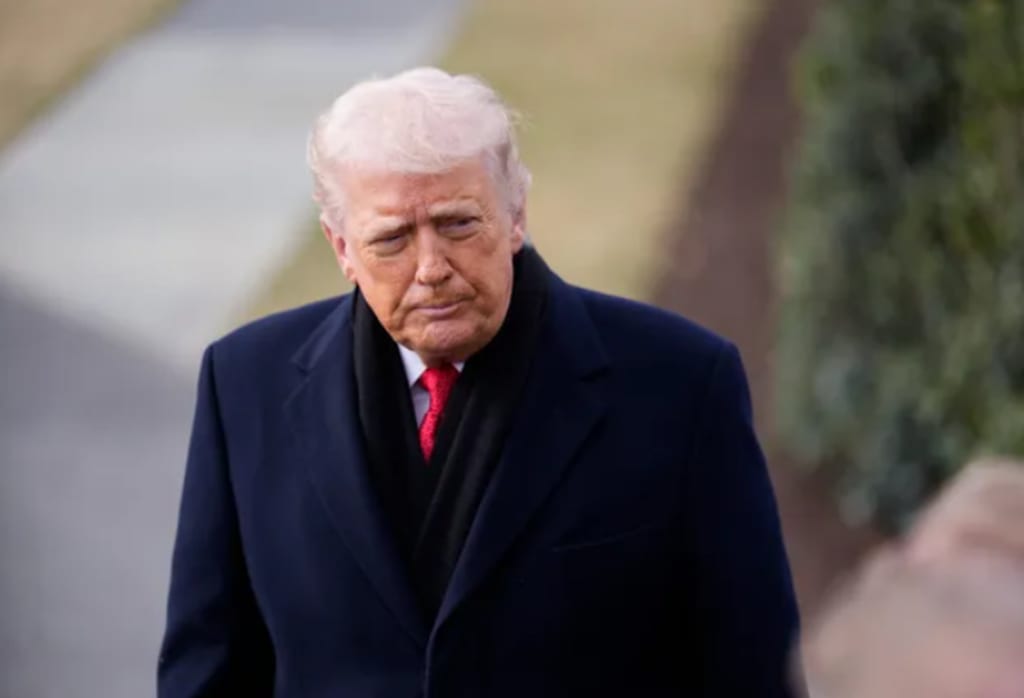
Global markets thrive on stability, predictability, and trust. When any of those pillars wobble, investors react fast — and often harshly. That’s exactly what’s happening across Europe as former U.S. President Donald Trump’s renewed tariff threats send shockwaves through financial markets, corporate boardrooms, and diplomatic circles alike.
From luxury cars rolling off German assembly lines to the credit conditions facing European businesses, the ripple effects of these tariff warnings are already being felt. While tariffs themselves are nothing new in global trade, the political motivations and broad scope of Trump’s latest rhetoric have reignited fears of another transatlantic trade war — one that could hit Europe where it hurts most.
A Familiar Threat Returns to the Spotlight
Trump’s tariff playbook is well known. During his presidency, tariffs were frequently used as leverage — not just for trade negotiations, but for broader geopolitical demands. Now, with fresh warnings of tariffs ranging from 10% to as high as 25% on European goods, markets are once again bracing for disruption.
What makes this round particularly unsettling is that the threats appear tied to geopolitical disputes rather than trade imbalances alone. European leaders have described the approach as economic coercion, arguing that trade policy is being weaponized in ways that undermine long-standing alliances.
The result? Uncertainty — and markets hate uncertainty.
European Markets React Swiftly
The financial reaction was immediate. Major European stock indices slipped as investors reassessed risk across the region. Sectors most exposed to U.S. trade, especially automobiles and industrial manufacturing, saw some of the sharpest declines.
Money didn’t just exit equities — it moved into safety. Gold prices surged, safe-haven assets strengthened, and the U.S. dollar weakened slightly as investors hedged against geopolitical instability. These movements reflect a broader concern that prolonged trade tension could slow economic growth, increase inflationary pressure, and tighten global liquidity.
Simply put, investors are preparing for impact.
The Auto Industry in the Crosshairs
Few industries symbolize Europe’s vulnerability to U.S. tariffs more clearly than automotive manufacturing. German, French, and Italian carmakers rely heavily on exports to the American market, with billions in revenue tied to U.S. consumers.
If tariffs of up to 25% are imposed on European-made vehicles, the consequences could be severe:
Higher prices for American buyers
Reduced demand for European cars
Lower profit margins for manufacturers
Potential job losses across supply chains
But the damage wouldn’t stop at finished vehicles. Modern car production depends on global supply networks, where parts cross borders multiple times before final assembly. Tariffs at any point in that chain increase costs and reduce efficiency — a nightmare scenario for an industry already navigating electric vehicle transitions and tightening environmental regulations.
Credit Markets Feel the Pressure
While falling stock prices grab headlines, the quieter impact on credit markets may be even more significant. Trade uncertainty raises risk premiums, making borrowing more expensive for businesses and consumers alike.
When tariffs threaten corporate earnings, lenders become cautious. That caution translates into:
Higher interest rates on corporate loans
Reduced access to credit for exporters
Slower capital investment
Weaker business confidence
For European companies heavily dependent on U.S. trade, even the threat of tariffs can influence credit ratings and financing conditions. Over time, tighter credit can slow hiring, delay expansion plans, and weaken overall economic momentum.
Political Tensions Add Fuel to the Fire
Beyond economics, Trump’s tariff threats have strained diplomatic relationships. European officials have openly criticized the strategy, calling it disruptive and counterproductive. There is growing talk within the European Union of activating its “anti-coercion” trade mechanism — a legal framework designed to retaliate against unfair trade practices.
If enacted, retaliation could target U.S. exports ranging from agriculture to technology, escalating tensions and amplifying economic damage on both sides of the Atlantic.
History shows that trade wars rarely produce clear winners. Instead, they often result in higher prices, lower growth, and fractured alliances — outcomes neither Europe nor the United States can easily afford.
Why Investors Are Paying Close Attention
Markets are forward-looking. Even without tariffs in place, the risk of escalation forces investors to adjust expectations. Earnings forecasts weaken, valuations shrink, and volatility increases.
What worries investors most is not just the tariffs themselves, but the unpredictability surrounding them. Will negotiations cool tensions? Or will rhetoric turn into policy?
Until there’s clarity, markets are likely to remain cautious — especially in sectors tied closely to global trade and manufacturing.
What Comes Next for Europe?
Europe now stands at a crossroads. Policymakers must balance firm resistance against economic pragmatism. Businesses, meanwhile, are being forced to rethink supply chains, diversify markets, and hedge against political risk.
For investors, the situation serves as a reminder that geopolitics and finance are deeply intertwined. Tariffs may appear to be policy tools, but their impact stretches far beyond customs offices — into stock portfolios, loan agreements, and everyday consumer prices.
Final Thoughts
Trump’s tariff threats have once again demonstrated how quickly political rhetoric can disrupt global markets. From carmakers to credit conditions, Europe is feeling the pressure — not because tariffs are already in place, but because uncertainty has returned.
Whether these threats lead to negotiation or escalation remains to be seen. But one thing is clear: the mere possibility of tariffs is enough to move markets, shake confidence, and remind the world just how fragile economic stability can be.
As the situation unfolds, investors, businesses, and governments alike will be watching closely — because in today’s interconnected economy, no market is ever truly isolated.
About the Creator
Keep reading
More stories from Aqib Hussain and writers in The Swamp and other communities.
“Come Help Us”: Wildfires Grip Parts of Chile, Killing at Least 18
A desperate cry—“Come help us”—has echoed across parts of Chile as devastating wildfires tear through communities, leaving destruction, grief, and heartbreak in their wake. At least 18 people have been confirmed dead, with many more injured or displaced, as fast-moving flames consume homes, forests, and livelihoods. For thousands of families, life has been divided into a painful before and after.
By Aqib Hussainabout 5 hours ago in The Swamp
UPS Market Size and Forecast 2025–2033
Introduction: Why UPS Systems Matter More Than Ever In a world increasingly driven by digital platforms, automation, and always-on connectivity, even a momentary power interruption can translate into lost data, disrupted operations, and significant financial damage. From hyperscale data centers and hospitals to manufacturing plants and smart homes, uninterrupted electricity has become a critical necessity rather than a convenience. At the center of this reliability ecosystem stands the Uninterruptible Power Supply (UPS) system.
By Aaina Oberoi5 days ago in The Swamp



Comments
There are no comments for this story
Be the first to respond and start the conversation.