
Trump Nominates Federal Reserve Critic Kevin Warsh to Run US Central Bank
Trump nominates Fed critic Kevin Warsh to lead central bank amid economic debates

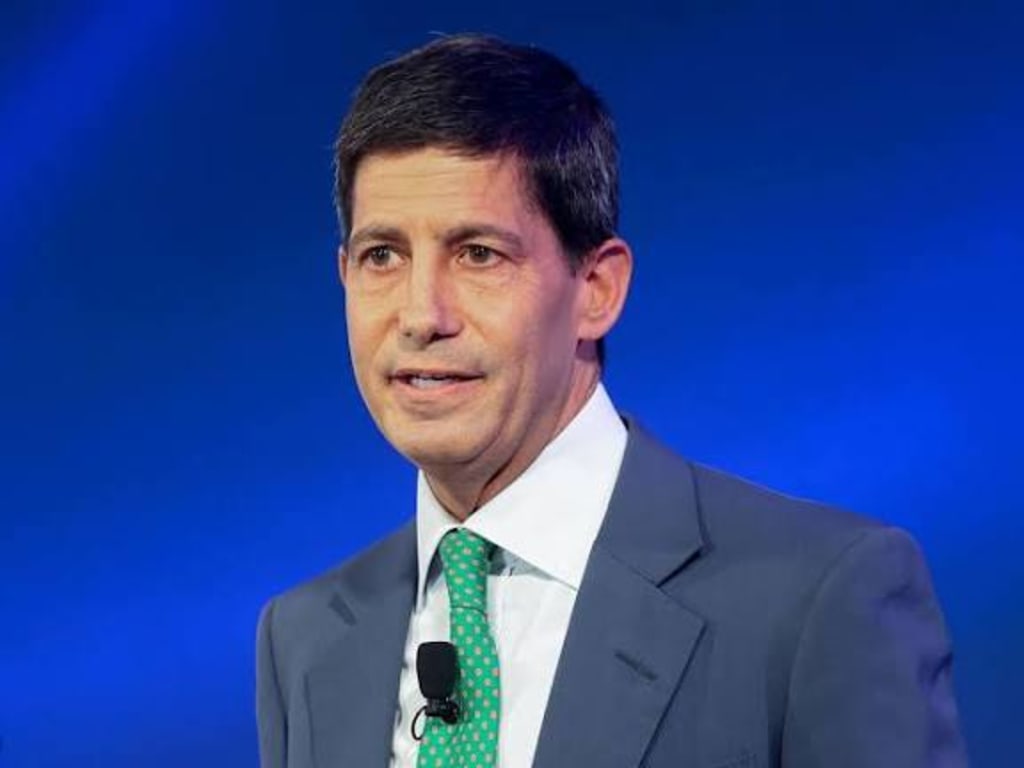
Controversial pick sparks debate over the future of monetary policy and independence of the Fed
Former President Donald Trump has nominated Kevin Warsh, a known critic of the Federal Reserve, to lead the United States central bank. The nomination has drawn attention from economists, policymakers, and financial markets, raising questions about the future direction of U.S. monetary policy, inflation control, and the Fed’s independence.
Warsh, who served as a Federal Reserve governor from 2006 to 2011, is known for his outspoken views on interest rates, economic growth, and the role of the central bank in regulating the economy. His nomination has sparked both support and concern, reflecting the tension between political influence and the Fed’s traditional independence.
Who Is Kevin Warsh?
Kevin Warsh, 51, is an investment banker and economist with a long history in financial policy:
Fed experience: Warsh served on the Federal Reserve Board of Governors from 2006 to 2011, appointed by President George W. Bush. He was actively involved in the response to the 2008 financial crisis and worked on monetary policy decisions during a period of significant economic turbulence.
Private sector work: After leaving the Fed, Warsh became a managing director at BlackRock, one of the world’s largest investment management firms.
Criticism of the Fed: He has been openly critical of what he perceives as overreach by the Fed, arguing that monetary policy should prioritize long-term growth rather than short-term political pressures.
Warsh’s critics argue that his close ties to Wall Street could influence policy decisions, while supporters say his experience gives him the insight needed to manage complex economic challenges.
Trump’s Reasoning
Trump has emphasized that he wants someone who will challenge the status quo at the Fed:
He has criticized the Fed for keeping interest rates “too high” and potentially slowing economic growth.
Trump has repeatedly expressed frustration that previous Fed chairs did not align more closely with his economic vision, particularly regarding tax cuts, deregulation, and fiscal expansion.
By nominating Warsh, Trump signals a desire for a Fed leader who will prioritize growth and consider unconventional approaches to monetary policy.
Market and Political Reactions
The nomination immediately sparked debate in both political and financial circles:
Financial markets reacted with a mix of caution and optimism, as investors weigh how Warsh might influence interest rates, inflation control, and quantitative easing.
Democrats in Congress have expressed concern that Warsh could undermine the Fed’s independence, making policy more responsive to political considerations than economic realities.
Republicans supportive of Trump’s economic agenda praise Warsh as a pragmatic choice who can balance growth and stability.
Some analysts predict that Warsh may adopt a more hawkish stance on interest rates, while others suggest he could support targeted measures to stimulate the economy if inflation remains under control.
Implications for the Federal Reserve
Warsh’s appointment could have several potential consequences:
Interest rate policy: Warsh has historically favored flexible approaches to rate changes, but he also emphasizes the need to avoid creating financial bubbles. Markets will closely watch any shifts in short-term and long-term rates.
Independence of the Fed: Critics worry that Warsh may be more politically aligned with Trump’s economic priorities, potentially challenging the Fed’s historical autonomy in setting policy.
Global confidence: The Fed’s decisions impact not only the U.S. economy but also global markets, particularly emerging economies that depend on stable interest rates and dollar liquidity.
Crisis management experience: Warsh’s tenure during the 2008 financial crisis may prove valuable if the economy faces unexpected shocks, giving him insight into emergency measures and policy coordination.
Historical Context
The Federal Reserve has a long tradition of independent decision-making, designed to prevent political interference from short-term agendas. Nominations of Fed chairs often generate scrutiny:
Paul Volcker famously raised interest rates in the 1980s to curb inflation, despite political pressure.
Ben Bernanke navigated the 2008 financial crisis with aggressive stimulus and regulatory actions, sometimes facing criticism from lawmakers.
Jerome Powell, the current Fed chair before Warsh’s nomination, has been recognized for balancing inflation control with economic growth, while maintaining independence.
Warsh’s nomination, therefore, represents a potential shift in how the Fed balances politics and economics.
Next Steps: Senate Confirmation
Warsh must now be confirmed by the U.S. Senate, a process that will involve:
Hearings on his economic philosophy, potential conflicts of interest, and approach to monetary policy.
Testimony from economists and experts about his previous positions and their impact on financial stability.
Bipartisan scrutiny to assess whether his leadership would maintain the Fed’s credibility domestically and internationally.
The confirmation process will be closely watched, as it could signal the future direction of U.S. economic policy under Trump’s influence.
Conclusion: High Stakes Ahead
Kevin Warsh’s nomination to lead the Federal Reserve is more than a routine appointment. It represents a potentially significant shift in U.S. monetary policy, balancing growth objectives, inflation control, and the Fed’s independence.
Supporters view Warsh as a pragmatic choice with deep expertise, while critics warn that his close ties to Wall Street and political alignment with Trump could create unprecedented challenges for the central bank.
As the Senate prepares for hearings, economists, investors, and global leaders will be watching closely. How Warsh shapes interest rates, regulatory policies, and crisis responses could impact the U.S. economy for years to come, making this nomination one of the most consequential in recent Federal Reserve history.
About the Creator
Fiaz Ahmed
I am Fiaz Ahmed. I am a passionate writer. I love covering trending topics and breaking news. With a sharp eye for what’s happening around the world, and crafts timely and engaging stories that keep readers informed and updated.
Keep reading
More stories from Fiaz Ahmed and writers in The Swamp and other communities.
Jeff Landry Is Trump’s Envoy to Greenland. He Wants to Celebrate Gumbo.
A Louisiana governor’s unusual diplomatic role sparks culture, controversy, and questions about U.S.–Greenland relations Louisiana’s Governor Jeff Landry has found himself in an unexpected spot: he’s now the United States’ special envoy to Greenland. Appointed by President Donald Trump late last year, Landry’s new role has drawn attention for its unusual mix of diplomacy, culture, and controversy — including his plan to introduce Greenlanders to Louisiana’s famous gumbo.
By Fiaz Ahmed a day ago in The Swamp
Dollar Falls After Trump Comments
Introduction: A Sudden Shift in Currency Markets The U.S. dollar slid sharply this week after President Donald Trump’s public comments about the currency’s decline, sending ripples through global financial markets. Traders interpreted his remarks as a sign that the administration may be comfortable with a weaker dollar, prompting a fresh wave of dollar selling and boosting other major currencies such as the euro, yen and British pound. The currency move has underscored growing concerns over U.S. economic policy and investor confidence.
By Salaar Jamali4 days ago in The Swamp
Fancy Buying a Home that Inspired a Turner Painting? It's Yours for £1.5m
Introduction Imagine living in a home that inspired one of the most celebrated artists in British history—J.M.W. Turner. Now, this dream can become a reality. A picturesque property located in the heart of England, which is said to have been the inspiration behind Turner’s iconic paintings, is on the market for £1.5 million. This article takes you through the fascinating history of the home, its connections to Turner, and why it could be your chance to own a piece of artistic legacy.
By Ayesha Lashari7 days ago in The Swamp




Comments
There are no comments for this story
Be the first to respond and start the conversation.