
Trump Completes US Withdrawal From WHO: Here’s What It Means and Why Experts Are Worried
“Experts warn that leaving the World Health Organization could weaken pandemic preparedness and global cooperation”
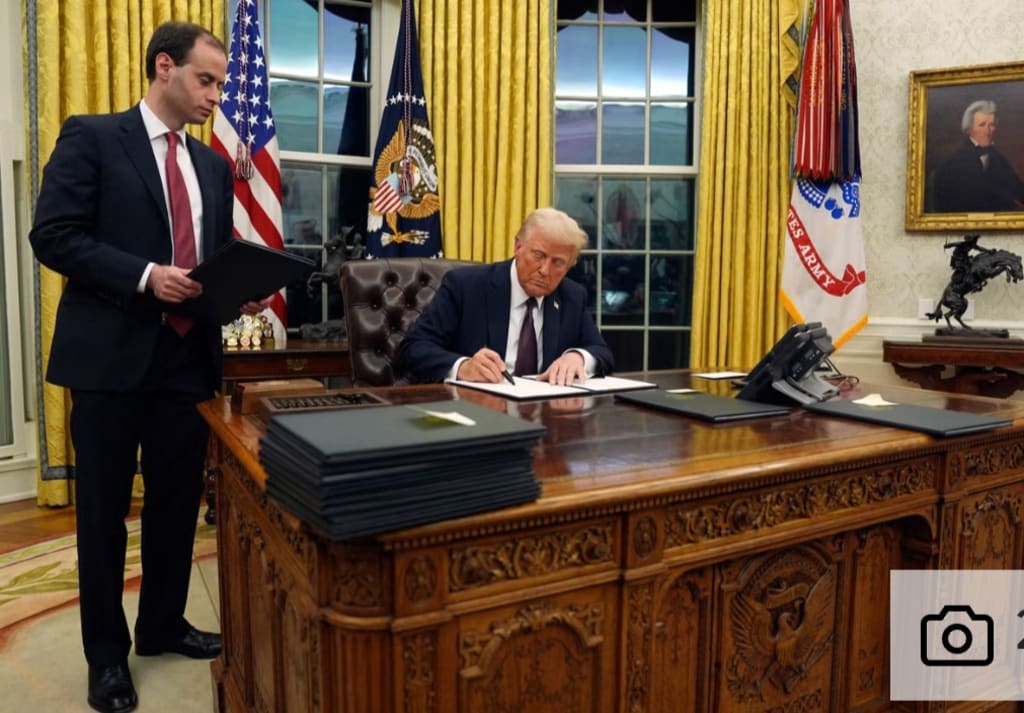
The United States has officially completed its withdrawal from the World Health Organization (WHO) under former president Donald Trump’s directive, marking a historic and controversial break from the global health body. The move has reignited debate among policymakers, health experts, and international partners about the future of global health cooperation and America’s role in responding to pandemics and health emergencies.
While supporters argue the decision restores national sovereignty and accountability, critics warn it could weaken global disease surveillance and leave the US more vulnerable to future health crises.
What the Withdrawal Means
The withdrawal formally ends US membership in the WHO, cutting off both funding and participation in decision-making processes. Prior to the exit, the United States was the largest single contributor to the organization, providing significant financial support and technical expertise.
As a result:
The US no longer has a vote in WHO assemblies
American officials lose direct access to WHO coordination mechanisms
Funding gaps may emerge in global health programs
The move represents a dramatic shift from decades of bipartisan support for international health collaboration.
Why Trump Pushed for the Exit
Donald Trump first announced plans to withdraw from the WHO during his presidency, citing dissatisfaction with the organization’s handling of the COVID-19 pandemic. He accused the WHO of being too deferential to China and failing to act decisively in the early stages of the outbreak.
Supporters of the withdrawal argue that:
The WHO lacks transparency and accountability
US funds were not delivering sufficient returns
National health policy should not be influenced by international bodies
They contend that the US can pursue bilateral health partnerships without relying on a centralized global institution.
Why Health Experts Are Alarmed
Public health experts, however, have expressed deep concern about the consequences of the withdrawal. The WHO plays a central role in coordinating responses to infectious disease outbreaks, setting health standards, and sharing critical data between countries.
Experts warn that leaving the organization could:
Reduce early warning capabilities for pandemics
Limit access to global disease surveillance networks
Weaken coordinated responses to emerging health threats
Dr. global health specialists emphasize that viruses do not respect borders, making international cooperation essential.
Impact on Global Disease Surveillance
One of the WHO’s most critical functions is monitoring outbreaks worldwide and alerting member states to emerging risks. Without direct involvement, the US may receive information more slowly or through indirect channels.
This delay could prove costly in fast-moving health emergencies, where early detection and response are crucial to saving lives and minimizing economic disruption.
Analysts note that during past outbreaks, including Ebola and Zika, WHO coordination played a key role in preventing wider spread.
Consequences for Developing Countries
The US withdrawal also raises concerns for lower-income nations that rely heavily on WHO programs for:
Vaccination campaigns
Maternal and child health services
Disease prevention and treatment
American funding helped support these initiatives, and its absence may strain already limited resources. Experts worry that weakened global health systems could allow diseases to spread more easily—eventually affecting wealthier nations as well.
America’s Global Standing at Stake
Diplomats and analysts suggest the move could diminish US influence on the world stage. By leaving the WHO, the US relinquishes a leadership role in shaping international health policy and standards.
This vacuum may be filled by other major powers, potentially shifting the balance of influence within global health governance.
Critics argue that disengagement could undermine America’s soft power and its ability to build coalitions during global crises.
Domestic Political Reaction
The withdrawal has sparked strong reactions within the US. Supporters see it as a fulfillment of Trump’s “America First” agenda, asserting that US taxpayer money should be prioritized for domestic needs.
Opponents, including many medical associations and public health leaders, argue that the decision is short-sighted and politically motivated. They warn that long-term health security depends on cooperation, not isolation.
Several lawmakers have called for future administrations to reconsider the decision.
Can the US Replace WHO Functions?
Some proponents of withdrawal argue the US can independently manage global health risks through agencies such as the Centers for Disease Control and Prevention (CDC).
While the CDC remains a world-class institution, experts caution that no single country—regardless of resources—can replicate the WHO’s global reach and coordination capacity.
Effective pandemic response, they argue, requires shared data, trust, and collaboration across borders.
Looking Ahead
The long-term impact of the US exit will depend on how both Washington and the WHO adapt. The organization is already seeking alternative funding sources, while US health agencies may attempt to build new international partnerships.
However, experts stress that fragmented systems are inherently less effective than unified ones when confronting global threats.
Conclusion
The completion of the US withdrawal from the World Health Organization marks a pivotal moment in global health governance. While supporters frame the move as a stand for independence and reform, experts warn it could weaken pandemic preparedness and reduce America’s influence in shaping global health responses.
In an era defined by interconnected risks, the decision raises a fundamental question: Can any nation truly protect its health in isolation? For many in the global health community, the answer remains a worrying no.
About the Creator
Keep reading
More stories from Aarif Lashari and writers in The Swamp and other communities.
How Will the Finished 2 Line Impact Daily Commutes Across Lake Washington?
The long-awaited completion of the 2 Line light rail promises to significantly reshape daily commuting across Lake Washington, offering new travel options for thousands of residents in the Seattle–Eastside region. As the project moves closer to full operation, commuters, businesses, and city planners alike are assessing how the expanded transit line will change travel patterns, reduce congestion, and influence everyday life.
By Aarif Lashariabout 13 hours ago in The Swamp
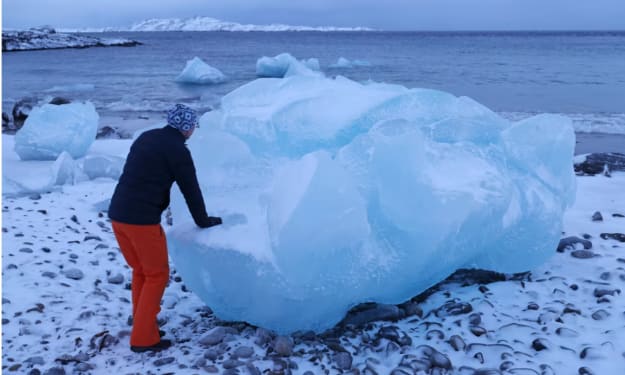
How Greenland Could Turn Into a Big Tech Problem, According to Morgan Stanley’s Mike Wilson
Greenland is rarely mentioned in conversations about Silicon Valley or global technology markets. Known more for its vast ice sheets, small population, and strategic location in the Arctic, the island has traditionally sat on the periphery of global economic discussions. But according to Morgan Stanley’s chief investment officer Mike Wilson, Greenland could soon become a serious issue for Big Tech, with implications that stretch far beyond the frozen north.
By Muhammad Hassan4 days ago in The Swamp
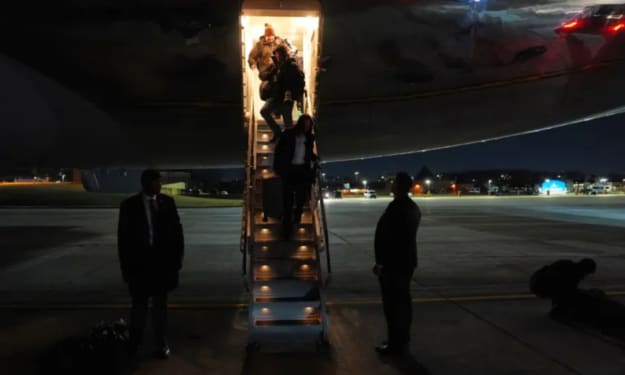
Air Force One Turned Back as It Carried Trump to Davos
In a surprising mid-flight disruption, Air Force One was forced to turn back shortly after takeoff while carrying former President Donald Trump to the World Economic Forum in Davos, Switzerland. The incident, caused by an electrical issue, highlights both the complexity of presidential air travel and the meticulous safety protocols that govern flights carrying former U.S. Presidents. While no injuries were reported, the event triggered intense media scrutiny and prompted logistical adjustments for Trump’s planned appearances at the global economic summit.
By Salaar Jamali4 days ago in The Swamp
Affection and Healing for Yourself
During the night of the last quarter moon, I gathered my ritual supplies. I carefully handled the chunk of black tourmaline that would protect me from your overall negative and narcissistic energy. I carefully walked the house with my stick of selenite in hand, asking the universe to cleanse our working space.
By Alisha Wilkins ✒️🦋🖋️5 days ago in Fiction


Comments
There are no comments for this story
Be the first to respond and start the conversation.