
How Will the Finished 2 Line Impact Daily Commutes Across Lake Washington?
“New light rail connection promises faster, greener, and more reliable travel across Lake Washington”
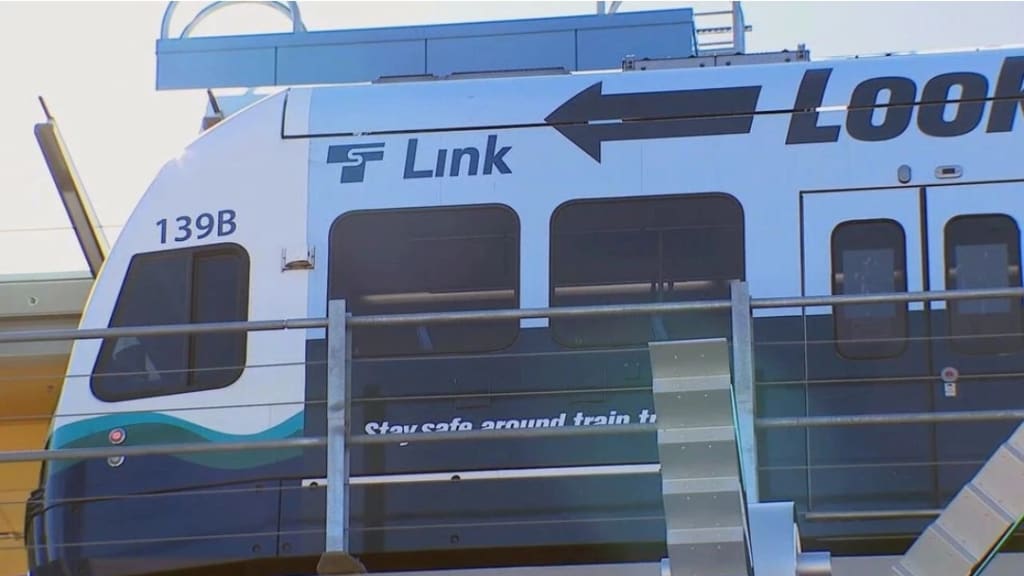
The long-awaited completion of the 2 Line light rail promises to significantly reshape daily commuting across Lake Washington, offering new travel options for thousands of residents in the Seattle–Eastside region. As the project moves closer to full operation, commuters, businesses, and city planners alike are assessing how the expanded transit line will change travel patterns, reduce congestion, and influence everyday life.
Once fully operational, the 2 Line is expected to become a critical transportation link, connecting communities on both sides of the lake more efficiently than ever before.
What Is the 2 Line?
The 2 Line is part of the region’s expanding light rail network designed to improve cross-lake connectivity. It links major hubs, residential neighborhoods, and employment centers, creating a reliable alternative to car-based commuting.
By crossing Lake Washington via a dedicated rail bridge, the line bypasses some of the most congested road corridors, offering a predictable travel time regardless of traffic conditions.
Transportation officials say the project reflects years of planning aimed at addressing population growth and mobility challenges in the region.
Current Commuting Challenges Across Lake Washington
Commuting across Lake Washington has long been a source of frustration for drivers and bus riders alike. Bridges frequently experience heavy congestion during peak hours, with accidents or weather events often causing major delays.
For many workers, daily commutes can stretch well beyond an hour each way, impacting quality of life and productivity. Public transit options, while available, have been limited by road congestion and inconsistent travel times.
The completed 2 Line aims to address these challenges by offering a dedicated, high-capacity transit option.
Faster and More Reliable Travel Times
One of the most anticipated benefits of the 2 Line is improved reliability. Light rail systems operate on fixed schedules and dedicated tracks, making them less vulnerable to traffic disruptions.
Commuters can expect:
Shorter and more predictable travel times
Reduced dependence on personal vehicles
Fewer delays caused by accidents or congestion
For daily commuters, this consistency could translate into better work-life balance and reduced stress.
Impact on Road Congestion
Transportation planners believe the 2 Line could remove thousands of cars from cross-lake bridges each day. Even a modest reduction in traffic volume can significantly improve flow during peak hours.
By shifting some commuters from cars to rail, the line may ease congestion for those who still need to drive, including commercial vehicles and emergency services.
While no single project can solve congestion entirely, officials see the 2 Line as a key piece of a broader mobility strategy.
Environmental Benefits
Reduced car usage also brings environmental advantages. Fewer vehicles on the road mean:
Lower greenhouse gas emissions
Improved air quality
Reduced noise pollution
As cities across the region pursue climate goals, public transportation investments like the 2 Line are viewed as essential tools in reducing transportation-related emissions.
Environmental advocates have welcomed the project as a step toward more sustainable urban mobility.
Economic and Community Effects
Improved transit access often spurs economic activity around stations. Businesses near 2 Line stops may benefit from increased foot traffic, while residents gain easier access to jobs, services, and recreational areas.
Real estate experts note that proximity to reliable transit can increase property values and encourage more transit-oriented development.
However, some community members have raised concerns about affordability and displacement, emphasizing the need for thoughtful planning as the area evolves.
Changes to Daily Routines
For commuters who adopt the 2 Line, daily routines may change in meaningful ways. Instead of sitting in traffic, riders can use travel time to read, work, or relax.
Parents juggling school drop-offs and work schedules may find more flexibility, while students gain a dependable way to reach campuses and internships.
These quality-of-life improvements are often cited as some of the most valuable, if less measurable, benefits of public transit expansion.
Challenges and Adjustments
Despite its promise, the 2 Line will require adjustments. Some commuters will need to:
Learn new routes and schedules
Transfer between transit modes
Adjust travel habits
Transit agencies acknowledge that early stages of operation may involve fine-tuning schedules and addressing rider feedback.
Clear communication and ongoing improvements will be critical to ensuring a smooth transition.
Looking Ahead
As the finished 2 Line begins full service, its success will be measured not just by ridership numbers, but by how effectively it integrates into daily life across the region.
Officials emphasize that long-term benefits will grow as more people adapt their commuting choices and as complementary transit services expand.
Conclusion
The completion of the 2 Line represents a major milestone for cross-lake transportation. By offering faster, more reliable, and environmentally friendly commuting options, it has the potential to transform daily travel across Lake Washington.
While challenges remain, the project stands as a reminder that investing in public transit can reshape how cities move, improving both mobility and quality of life for thousands of commuters.
About the Creator
Keep reading
More stories from Aarif Lashari and writers in The Swamp and other communities.
Speculation Mounts: Japan to Buy Yen, Perhaps With US Help
Financial markets are abuzz with speculation that Japan may intervene to support the yen, potentially with coordination or assistance from the United States. The move would mark a rare but significant step in currency management, as Japan seeks to stabilize the yen amid volatility that has rattled investors and global trade.
By Aarif Lashariabout 17 hours ago in The Swamp
Gold Price in Pakistan for Today, January 24, 2026
Gold prices in Pakistan have surged to extraordinary levels on January 24, 2026, hitting new records and drawing significant attention from investors, consumers, and analysts alike. As international market pressures and geopolitical uncertainties continue to elevate bullion demand, Pakistan’s domestic gold rates reflect broader global trends and local economic dynamics.l Markets
By Salaar Jamaliabout 15 hours ago in The Swamp
“Gaza Is Our Show”: U.S. Pushes Its Plan Over Netanyahu's Objections
The long-standing conflict in Gaza has entered a new and tense chapter. Recent reports indicate that the United States is pushing its own plan for Gaza, despite objections from Israeli Prime Minister Benjamin Netanyahu. The development underscores the complex dynamics between the U.S. and Israel, two countries often seen as close allies, and highlights the challenges of diplomacy in a region marked by decades of conflict, political fragmentation, and humanitarian crises. The phrase “Gaza is our show,” reportedly used by senior U.S. officials, reflects Washington’s determination to assert leadership in shaping the future of Gaza, even when it means overriding the preferences of Netanyahu and his government. What the U.S. Plan Entails Details of the U.S. strategy remain somewhat opaque, but insiders suggest the plan focuses on stabilization, humanitarian aid, and a long-term political framework in Gaza. The goals appear to be: Containing Violence: Reducing rocket attacks, militant activity, and clashes along the Gaza-Israel border. Humanitarian Support: Expanding aid access to Gaza’s population, including food, medical care, and infrastructure rebuilding. Political Engagement: Encouraging a framework for governance that limits Hamas’s influence while supporting civil institutions. Regional Coordination: Working with Egypt, Qatar, and other stakeholders to implement policies on the ground. U.S. officials have emphasized that their approach is not aimed at undermining Israel’s security, but rather at creating conditions that reduce the risk of escalating conflict while promoting long-term stability. Netanyahu’s Objections Israeli Prime Minister Benjamin Netanyahu has reportedly pushed back against Washington’s plan, citing concerns over national security. Key points of objection include: Risk to Israeli Security: Netanyahu’s government argues that loosening restrictions or empowering certain factions in Gaza could embolden Hamas and other militant groups. Sovereignty Issues: There is a sense in Israel that foreign intervention in Gaza management could compromise Israel’s strategic control over its borders. Timing and Approach: Netanyahu believes that some elements of the U.S. plan may be premature or misaligned with Israel’s on-the-ground intelligence. These disagreements highlight the delicate balance between U.S. diplomatic ambitions and Israel’s security priorities, a tension that has existed for decades but is now playing out more publicly. Why Washington Is Asserting Its Role The U.S. push reflects a broader strategy in the Middle East: asserting diplomatic leadership while preventing regional instability from escalating into broader conflict. Several factors motivate this approach: Humanitarian Imperative: Gaza faces acute humanitarian challenges, including water scarcity, electricity shortages, and medical crises. U.S. policymakers argue that proactive engagement can prevent further suffering. Geopolitical Signaling: By asserting control over the plan, Washington demonstrates its influence in the region to allies and rivals alike. Preventing Escalation: With tensions in the Middle East already high, the U.S. aims to manage the situation to avoid broader conflicts that could draw in multiple nations. Senior U.S. officials reportedly view the situation as a “window of opportunity” to implement reforms and stabilization measures before violence spirals out of control. Regional and International Implications The U.S.-Israel tension over Gaza has ripple effects across the region. Several dynamics are worth noting: Egypt and Qatar: Both countries play critical roles in mediating between Israel and Hamas. U.S. involvement may bolster or complicate their efforts, depending on coordination. Palestinian Authority (PA): The PA, which governs parts of the West Bank, has limited influence in Gaza but remains a key stakeholder in U.S. and Israeli calculations. Other Regional Players: Countries like Iran, Turkey, and Saudi Arabia are closely monitoring developments, as shifts in Gaza governance could alter regional alliances and proxy dynamics. Internationally, Washington’s assertive stance signals to the global community that it seeks to shape Gaza’s future rather than leaving it entirely to local actors—a move that may attract both support and criticism. The Humanitarian Angle Beyond politics, the situation in Gaza has a profound human impact. The U.N. reports that the Gaza Strip faces significant challenges: Over 2 million residents live under extreme conditions. Access to clean water and electricity is intermittent. Health facilities are overstretched, particularly amid conflicts and blockades. The U.S. plan reportedly emphasizes increasing humanitarian aid and infrastructure support, signaling that Washington recognizes the urgency of addressing civilian needs alongside political objectives. Risks and Challenges Implementing the U.S. plan is not without obstacles. Key challenges include: Hamas Resistance: The governing faction in Gaza may resist measures perceived as undermining their authority. Israeli Security Concerns: Any perceived weakening of Israel’s control over Gaza could heighten tension and trigger clashes. Regional Skepticism: Neighboring countries may view U.S. intervention as self-serving or biased. Domestic Politics: In both the U.S. and Israel, political divisions may complicate policy implementation. These risks mean that the plan’s success hinges on careful diplomacy, clear communication, and the ability to balance security with humanitarian and political objectives. Why This Matters The U.S.-Israel tension over Gaza reflects broader patterns in Middle East policy: Shifting U.S. Influence: Washington is demonstrating that it still has a central role in mediating regional conflicts, even as local actors push back. Complex Diplomacy: The incident illustrates how humanitarian, security, and political concerns intersect in conflict zones. Future of Gaza: How this plan is implemented could influence Gaza’s governance, the balance of power among Palestinian factions, and long-term stability in the region. For observers, the unfolding situation is a reminder that even close allies like the U.S. and Israel can diverge sharply on strategy, and that civilian populations are often caught in the middle of these disputes. Final Thoughts The phrase “Gaza is our show” underscores the United States’ determination to take the lead in shaping Gaza’s future, even amid objections from Netanyahu. While the plan may aim to stabilize the region and improve humanitarian conditions, it also highlights the challenges of navigating security, politics, and diplomacy simultaneously. As the situation develops, all eyes will be on Washington and Jerusalem, watching how the U.S. asserts its influence, how Israel responds, and whether the plan can achieve its goals without escalating conflict. The stakes are high—not just for political leaders, but for the millions of civilians living under difficult and often dangerous conditions in Gaza.
By Muhammad Hassan7 days ago in The Swamp
The CEO of Everything
They say "jack of all trades, master of none," but they forgot to mention the part where the jack of all trades is also the camera woman, the makeup artist, and the person currently yelling at a tangled Wii microphone cable in a her own bathroom while recording herself singing and trying to make it look realistic and professional. (As professional as you can make it with nothing but a cell phone camera and a mic that doesn't work)
By Sara Wilson7 days ago in Humans



Comments
There are no comments for this story
Be the first to respond and start the conversation.