
“The World Needs to Know What’s Happening”: Families of Protesters Killed in Iran Speak Out
Voices of Grief and Resistance

In Iran, the voices of families mourning the loss of their loved ones have become powerful symbols of resilience and courage. After months of nationwide protests against government policies, numerous civilians have been killed, leaving behind grieving families who are now demanding that the world take notice.
“The world needs to know what’s happening,” says one mother, holding back tears as she recalls the last moments with her son. Across Iran, countless families share this heartbreak, while simultaneously fighting to keep the memory of their loved ones alive.
A Nation in Turmoil
The protests, sparked by economic challenges, social restrictions, and political grievances, have swept through cities and towns across Iran. Demonstrations initially began peacefully, but many escalated into clashes with security forces. Reports indicate hundreds of civilians have been killed, with thousands more injured or detained.
For families, the aftermath is a mixture of grief, fear, and frustration. Many are denied access to transparent information, unable to confirm the circumstances of their loved ones’ deaths. In some cases, authorities have reportedly restricted funerals or discouraged public mourning, heightening the sense of isolation and injustice.
Families Speak Out
Despite intimidation and the risk of persecution, many families have found the strength to speak publicly. Through social media, international media, and grassroots campaigns, they are sharing names, stories, and photos of those who lost their lives.
One father recounted how his daughter was killed while peacefully protesting in Tehran. “She was not a criminal. She only wanted her voice to be heard,” he said. “We must tell her story so the world cannot ignore it.”
These stories are more than accounts of personal tragedy—they are calls for accountability, highlighting the human cost of political repression.
The Emotional Toll
The psychological impact on families is profound. Parents describe insomnia, depression, and anxiety, while siblings and children struggle to process sudden loss. Many are also forced to navigate legal and bureaucratic hurdles in the absence of clear answers about their loved ones’ deaths.
Community networks have formed to support grieving families. Activists organize memorials, distribute information online, and provide emotional support, creating a sense of solidarity in the midst of immense pain.
The Role of International Attention
Families emphasize that global awareness is crucial. By shedding light on the human cost of protests, they hope to pressure authorities to stop violence against civilians, release detained protesters, and allow for independent investigations.
International organizations, including human rights groups and humanitarian agencies, have repeatedly called for transparency and accountability. Families often coordinate with these organizations to ensure their stories reach global audiences, hoping diplomatic pressure can protect the living and honor the dead.
Risks of Speaking Out
Speaking publicly in Iran carries significant risk. Families face harassment, arrest, or social ostracism. Some have had relatives monitored or threatened after sharing details about the protests or the deaths of loved ones.
Despite this, their commitment to truth and justice persists. Many feel that silence would equate to complicity, and that bearing witness is itself a form of resistance.
Stories of Resilience
Among the grief, families are also demonstrating remarkable resilience. Mothers who lost sons continue to organize memorial marches. Fathers who lost daughters channel their pain into advocacy campaigns. Communities rally together, holding vigils and creating online platforms to document the events and preserve memories.
These acts of courage not only honor the deceased but also inspire others to continue advocating for human rights and reform, even in the face of danger.
The Global Implications
The stories of families of protesters in Iran resonate far beyond national borders. They highlight universal themes: the struggle for justice, the cost of dissent, and the power of ordinary people to demand accountability.
For the international community, these narratives serve as a reminder that policy decisions, diplomatic engagement, and human rights advocacy must consider the lived experiences of those most affected by political violence.
The Power of Collective Memory
In sharing their stories, families are also ensuring that the victims of repression are not forgotten. Memorializing their loved ones becomes an act of defiance against efforts to erase their existence. Social media campaigns, photo exhibitions, and digital archives are helping preserve the memory of those lost, giving them a voice long after their deaths.
By keeping these memories alive, families hope to educate the world, inspire action, and create a sense of accountability for those responsible.
A Call for Justice and Recognition
Ultimately, the families’ plea is clear: the world must listen, understand, and respond. They seek justice for the victims, protection for the living, and recognition of their pain.
As one parent stated, “We do not want revenge. We want truth. We want the world to see what is happening in Iran so that no one else suffers in silence.”
Their words serve as a stark reminder that behind every statistic is a human story—of hope, heartbreak, and unwavering courage.
About the Creator
Keep reading
More stories from Aarif Lashari and writers in The Swamp and other communities.
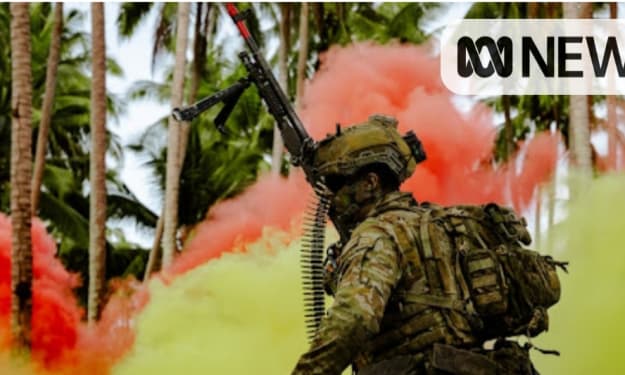
Why Australia Is Investing in Defence Infrastructure at Five Military Sites in the Philippines
Australia is taking a major step to strengthen its defense and strategic presence in Southeast Asia by investing in military infrastructure at five sites across the Philippines. This initiative is part of a growing trend of regional defense cooperation and reflects the increasing importance of Southeast Asia in global security dynamics.
By Aarif Lashari4 days ago in The Swamp
Silver Market Volatility Trends and Investment Implications 2026
In 2026, the silver market stands at a crossroads of opportunity and uncertainty. Often overshadowed by gold in the precious metals arena, silver has quietly emerged as a compelling asset—driven not only by its traditional role as a store of value but also by evolving industrial demand and macroeconomic complexities. Understanding volatility trends and their investment implications is crucial for investors seeking strategic exposure in a market that blends monetary and commercial influences.
By Salaar Jamalia day ago in The Swamp


Comments
There are no comments for this story
Be the first to respond and start the conversation.