
The Rise of Fried Chicken Restaurants: A Global Phenomenon
From Southern Comfort to International Trend – How Fried Chicken Became a Global Favorite
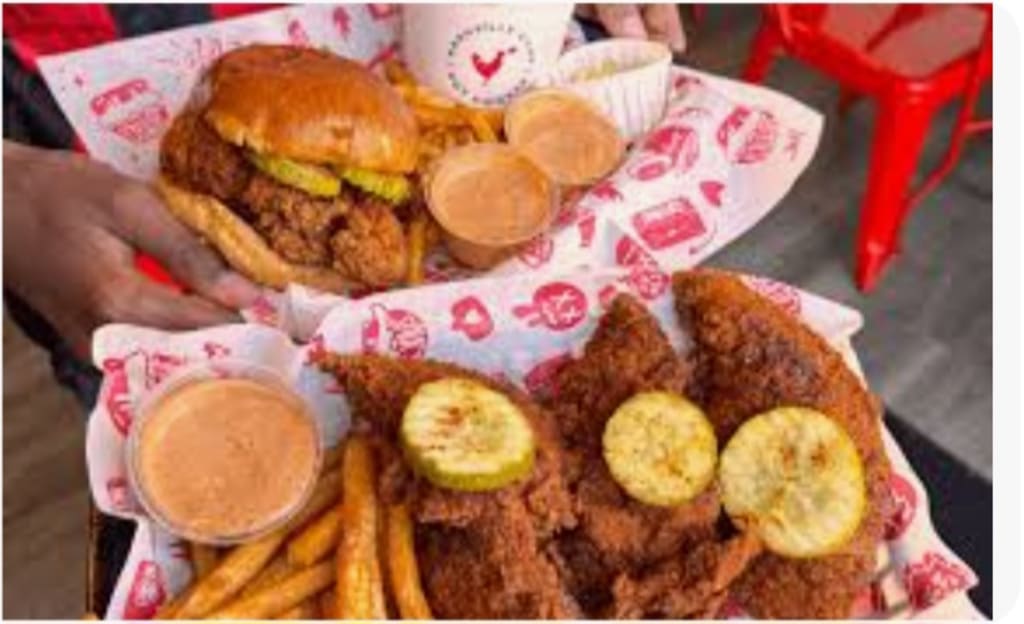
Introduction: The Universal Appeal of Fried Chicken
Fried chicken—crispy, juicy, and irresistibly delicious—has evolved from a Southern American staple into a beloved global dish. Whether served in the comfort of a family kitchen or as the centerpiece of a fast-food chain, fried chicken has become a universal comfort food that transcends borders. In the past few decades, fried chicken restaurants have popped up everywhere, from the heart of bustling cities to remote corners of the world. But how did fried chicken grow into such a dominant food trend? What makes it so universally loved?
This article explores the history, the rise, and the global appeal of fried chicken restaurants, shedding light on how a humble dish became a worldwide culinary sensation.
1. The Origins of Fried Chicken: A Southern Tradition
While fried chicken is now a global phenomenon, its roots are deeply embedded in the Southern United States. The origins of fried chicken can be traced back to the African-American culinary traditions brought over by enslaved people in the 18th century. Fried chicken was a dish made from inexpensive ingredients, perfect for feeding large families, and it quickly became a fixture of Southern cuisine.
The dish itself evolved through generations, with different regions and cultures adding their own touches. The crispy golden coating, seasoned to perfection, combined with the tender, juicy meat, became a symbol of Southern comfort food. By the early 20th century, fried chicken was a hallmark of Sunday family dinners, church gatherings, and holiday meals, as well as a popular dish in diners and local eateries.
2. Fast Food Chains and the Globalization of Fried Chicken
Fried chicken first made its way onto the international stage thanks to the advent of fast food chains. One of the most notable examples is KFC (Kentucky Fried Chicken), which was founded by Colonel Harland Sanders in the 1950s. Sanders revolutionized the fried chicken industry by creating a unique blend of 11 herbs and spices that became the signature flavor of KFC.
KFC's rapid expansion through franchising in the 1960s and beyond helped to bring fried chicken into international markets. From the streets of Tokyo to the urban jungles of Johannesburg, KFC restaurants dotted the landscape, offering a taste of American comfort food to millions around the world.
But KFC wasn’t the only chain responsible for fried chicken’s worldwide spread. Other fast food giants like Popeyes, Church’s Chicken, and Bojangles’ followed suit, each carving out their own niche in the competitive fried chicken market.
3. The Art of Fried Chicken: Crafting the Perfect Recipe
At the heart of every fried chicken restaurant is the pursuit of the perfect recipe. What makes fried chicken so universally appealing is its simple yet intricate preparation. The chicken is seasoned, coated in batter or breadcrumbs, and then deep-fried to achieve that signature crunch and juiciness. While the basics are the same, it’s the details—the seasoning, the type of oil, the cooking technique—that make all the difference.
Many modern fried chicken restaurants focus on elevating the classic recipe by experimenting with ingredients and cooking methods. Some opt for buttermilk brines for a tangier taste, while others use spicy marinades to cater to more adventurous palates. Restaurants also play with different breading techniques—whether it’s a crispy coating or a light, airy batter—to appeal to various tastes.
Another trend that has gained popularity is the fried chicken sandwich, which has become a menu staple at numerous fried chicken restaurants worldwide. Whether it’s a spicy chicken sandwich, a classic version with pickles, or a gourmet offering with specialty toppings, this item has cemented its place in the fried chicken restaurant scene.
4. The Global Appeal: How Fried Chicken Restaurants Cater to Local Tastes
One of the key reasons for the global success of fried chicken is its ability to adapt to local tastes and ingredients. Fast food chains and independent fried chicken restaurants alike have made strategic adjustments to appeal to diverse culinary cultures around the world. For instance:
In Asia, fried chicken is often paired with rice or served in a spicier, sweeter glaze. In South Korea, the popular dish of Yangnyeom Chicken is known for its bold, sweet, and spicy sauce, while Japanese Karaage is a type of fried chicken marinated in soy sauce and garlic, offering a distinct flavor profile.
In the Middle East, fried chicken is often seasoned with cumin, turmeric, and other regional spices, resulting in a unique and aromatic experience. Some fried chicken chains in the region also serve it with flatbreads and fresh salads.
In Latin America, fried chicken is often paired with rice, beans, and plantains, with regional variations such as Pollo Frito in the Dominican Republic or Fried Pollo in Venezuela, which are often spiced with chili peppers and garlic.
Restaurants around the world know how to adapt their fried chicken to suit the preferences of their local markets. The ability to localize the menu is a key factor behind the dish’s widespread success.
5. The Rise of Independent Fried Chicken Restaurants
While fast food chains have played a significant role in spreading fried chicken, the last decade has seen the rise of independent fried chicken restaurants that offer a more artisanal approach to the dish. These establishments focus on high-quality ingredients, unique recipes, and a more personalized experience. Many of these independent restaurants serve free-range chicken, use organic ingredients, or offer vegetarian or vegan alternatives like fried cauliflower or plant-based chicken.
What’s more, independent fried chicken restaurants have embraced the trend of crafting unique sauces and sides, with some even offering specialty condiments like truffle aioli, honey butter, and hot honey to complement their crispy fried chicken.
These establishments often emphasize sustainability and transparency in their sourcing, and many offer unique dining experiences, from casual street food stalls to high-end restaurants that pair fried chicken with gourmet sides and craft beers.
6. Fried Chicken’s Cultural Impact: More Than Just a Meal
Fried chicken is not only a food; it’s a cultural phenomenon. In the United States, it has become synonymous with Southern hospitality and a sense of comfort, community, and tradition. In many places, fried chicken represents family gatherings, festivals, and celebrations, where people come together to share a meal and enjoy each other’s company.
Internationally, fried chicken’s growing popularity reflects broader shifts in global dining trends. As people travel, they bring their love for certain foods with them, and fried chicken, with its bold flavors and universal appeal, is an easy dish to embrace. Social media platforms have also contributed to its popularity, with viral food trends often showcasing fried chicken sandwiches, spicy fried chicken challenges, and creative takes on this classic dish.
7. The Future of Fried Chicken Restaurants
Looking ahead, the future of fried chicken restaurants seems bright. As the food scene continues to evolve, these establishments are likely to continue innovating, experimenting with new flavors, and providing unique dining experiences. One thing is for certain: fried chicken will continue to hold a special place in the hearts (and stomachs) of food lovers around the world.
Conclusion: A Dish That Brings People Together
Fried chicken restaurants, whether fast food chains or independent establishments, have played a key role in spreading this iconic dish across the globe. Its simplicity, versatility, and bold flavors have made it a favorite in almost every corner of the world. From its Southern roots to its international rise, fried chicken’s story is one of cultural exchange, culinary creativity, and community. As it continues to evolve, fried chicken remains a symbol of the joy and comfort that food can bring, reminding us all that great meals—and great memories—are best shared with others.
About the Creator
Keep reading
More stories from Ayesha Lashari and writers in The Swamp and other communities.
Over Creamy Chicken, Europe’s Leaders Try to Reduce Dependence on Trump
Introduction: The Lasting Legacy of Trump’s Influence The relationship between Europe and the United States has always been pivotal, marked by both cooperation and occasional tension. However, the tenure of former U.S. President Donald Trump introduced a shift in this dynamic, prompting European leaders to rethink their dependence on the U.S. for political, economic, and security matters. While Trump’s policies were often unpredictable, Europe was forced to adapt, and now, in a post-Trump world, the region's leaders are striving to regain autonomy and reduce dependence on Washington.
By Ayesha Lashariabout 16 hours ago in The Swamp
Trump Is Expected to Announce Kevin Warsh as Federal Reserve Chair
A Potential New Era for the Fed President Donald Trump is widely expected to announce former Federal Reserve governor Kevin Warsh as his nominee for Federal Reserve chair, a move that would replace current Chair Jerome Powell when his term ends in May 2026. � Reuters +1 The selection could have major implications for U.S. monetary policy, financial markets, and the ongoing debate over the Fed’s independence from political influence. Who Is Kevin Warsh? A Profile of the Likely Nominee Kevin Warsh is a seasoned financial policymaker with deep experience inside the Federal Reserve system: He served as a member of the Federal Reserve Board of Governors from 2006 to 2011, including throughout the global financial crisis. � Wikipedia After leaving the Fed, Warsh took on academic and advisory roles, including at Stanford University’s Hoover Institution and Graduate School of Business. � Wikipedia He also serves on boards of major corporations and advises on economic strategy. � Wikipedia Known historically as a monetary policy hawk, Warsh has in recent public commentary signaled support for lower interest rates — reflecting an alignment with Trump’s economic priorities. � euronews Why Trump Is Leaning Toward Warsh Trump has been openly critical of Jerome Powell, who he previously appointed but later rebuked for resisting aggressive cuts in interest rates. � Reuters According to multiple reports: Trump told reporters he would make his Fed chair announcement Friday morning. � finance.yahoo.com Prediction markets shifted sharply in Warsh’s favor over the past week, indicating broad expectations he will be chosen. � finance.yahoo.com Trump and Warsh met at the White House shortly before the expected announcement. � Reuters What This Choice Signals About Monetary Policy Warsh’s nomination suggests several potential priorities: 1. Interest Rates and Growth Trump has repeatedly called for lower interest rates to stimulate economic growth, arguing that the Fed has been too cautious. Warsh’s recent commentary appears more receptive to this approach than Powell’s tenure. � euronews 2. Central Bank Independence at Stake Critics argue that the nomination illustrates pressure from the executive branch on the Federal Reserve — a traditionally independent institution charged with balancing inflation and economic stability. � Reuters Any move perceived as politicizing central banking could affect confidence in U.S. monetary policy over the long term. Market Reaction So Far Global financial markets have already shown signs of sensitivity: The U.S. dollar strengthened as betting markets weighted Warsh’s prospects, reflecting expectations of either steady or less dovish monetary policy. � Reddit Treasury yields also rose, suggesting traders are adjusting expectations for future rate paths. � Reddit These shifts reflect how closely markets monitor central bank leadership decisions long before formal confirmation. Controversies and Senate Dynamics Warsh’s potential nomination arrives amid broader tension over Fed leadership: A Justice Department investigation into Powell has fueled political scrutiny over the central bank’s actions. � Reuters Some lawmakers — including Republicans — have suggested they may withhold support until ongoing inquiries are resolved. � finance.yahoo.com Senate confirmation will be required for Warsh to assume the chairmanship, and opposition could influence the timeline or outcome. The Broader Context: Economic Policy and Politics This leadership decision comes at a time of economic uncertainty and political polarization in the United States. Key factors shaping the debate include: Inflation concerns Wage stagnation pressures Trade and tariff dynamics Uncertainty in global markets A Fed chair aligned with the presidential agenda may ease political friction — but could also raise questions about the bank’s institutional autonomy. Why This Matters Beyond Washington The Federal Reserve’s chair influences: Interest rates affecting mortgages, loans, and savings Inflation expectations for households and businesses Stock and bond market stability Global confidence in the U.S. economy A change in leadership invites fresh strategies and interpretations of the Fed’s dual mandate: stabilizing prices and maximizing employment. Conclusion: A Moment of Transition As President Trump prepares to announce Kevin Warsh’s nomination as the Federal Reserve chair, the world watches a consequential decision unfold — one with ripple effects across markets, politics, and everyday economic life. Whether Warsh’s leadership will steer the Fed toward lower rates, balance independence with political pressure, or reshape central banking practices remains to be seen. But one thing is clear: the choice of Fed chair is not just about the next four years — it’s about the future direction of the U.S. economy.
By Zahid Hussain2 days ago in The Swamp
Trump Praises British Troops After Drawing Outrage at Comments Downplaying NATO’s Role in Afghanistan
Former US president Donald Trump has praised British troops for their service in Afghanistan, days after his comments appeared to downplay NATO’s role in the two-decade-long conflict, sparking outrage among allies, military veterans, and political leaders across Europe. The episode has once again highlighted Trump’s controversial approach to foreign policy, particularly his views on alliances and multilateral military operations.
By Salaar Jamali6 days ago in The Swamp




Comments
There are no comments for this story
Be the first to respond and start the conversation.